

What if your pillow, a late drink, or the way you breathe all night is why you wake up with a headache?
It’s common, and it’s often solvable.
Some causes are fixable tonight, and some need a closer look.
This post breaks down the most likely reasons—sleep apnea and snoring, teeth grinding, poor neck support, dehydration, alcohol or caffeine effects, and medication or blood sugar gaps—so you can spot patterns, try simple fixes, and know when to get checked by a clinician.
Key Reasons You Might Wake Up With a Headache (Immediate Answers)

The most common sleep related causes are insomnia (chronic sleep deprivation), obstructive sleep apnea (breathing pauses that drop oxygen levels), and snoring related airway issues. When your brain gets insufficient oxygen hundreds of times a night, it responds with pain signals you feel as soon as you wake up. Sleep apnea headaches usually fade within the first 30 minutes after you get out of bed. That’s a helpful clue that breathing disruptions during sleep are the source.
Behavioral and physical factors also play a major role. Dehydration overnight pulls fluid from brain tissue, alcohol disrupts sleep quality and increases snoring risk, and caffeine withdrawal upon waking triggers rebound pain. Poor neck posture from a too soft or too firm pillow strains muscles, and bruxism (grinding or clenching your teeth at night) creates a dull throbbing in your temples by morning. Stress makes jaw clenching worse. Certain medications lose effectiveness during the long overnight gap between doses.
These causes often overlap. Someone who drinks alcohol before bed may snore more, experience worse apnea episodes, wake up dehydrated, and then notice caffeine withdrawal on top of all that. The result? A headache that feels worse than any single trigger would produce on its own.
Top eight morning headache triggers:
- Insufficient sleep (insomnia or short sleep duration)
- Obstructive sleep apnea or snoring related oxygen drops
- Bruxism (teeth grinding or jaw clenching at night)
- Dehydration, not drinking enough fluids before or during sleep
- Alcohol intake in the evening (disrupts sleep architecture)
- Caffeine withdrawal after a long overnight gap
- Poor neck support or awkward sleeping position
- Medication timing issues (longest dosing interval is overnight)
Sleep-Related Headache Causes Through the Night
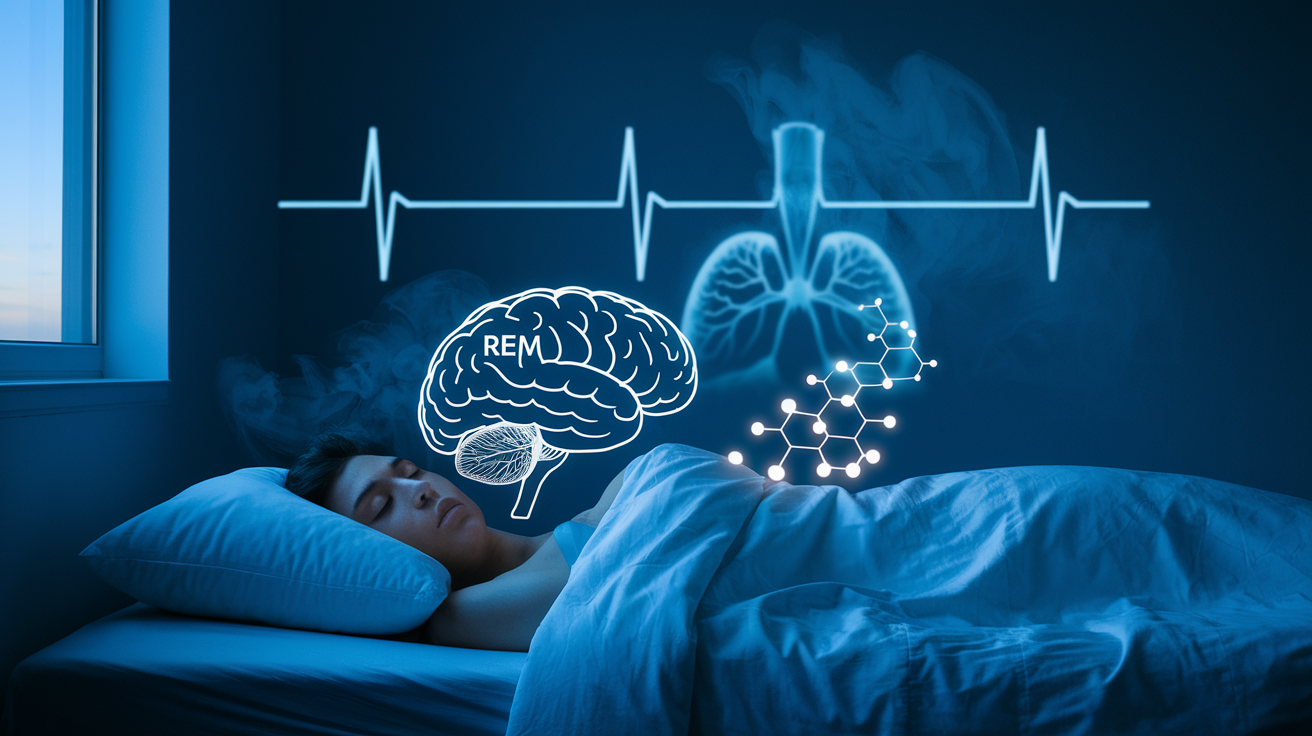
When breathing pauses hundreds of times a night, your brain wakes up just enough to restart airflow but not enough to fully rouse you. Each pause drops your blood oxygen level, and the repeated arousals prevent you from reaching deep, restorative sleep stages. The oxygen deprivation and stress hormones released during these brief wake ups prime your brain for pain. REM sleep disruption is especially problematic because REM is when the brain clears metabolic waste and consolidates emotional regulation. Interrupted REM raises headache risk and worsens mood.
Oversleeping can also trigger morning head pain by altering neurotransmitter levels (particularly serotonin) and extending the fasting period, which drops blood sugar. Circadian misalignment from jet lag or irregular sleep schedules shifts the timing of migraine prone windows. Some people are more vulnerable to headaches during early morning sleep phases.
Five sleep disorders and disruptions linked to waking headaches:
- Obstructive sleep apnea, pressing pain on both sides of the head, often gone within 30 minutes
- Chronic insomnia, restless or fragmented sleep without enough deep or REM stages
- Oversleeping beyond your usual need, serotonin and blood sugar shifts
- Circadian rhythm misalignment, jet lag, shift work, or highly irregular bedtimes
- REM sleep deprivation from apnea, medications, or alcohol
Headaches From Jaw Tension, TMJ Problems, and Nighttime Teeth Grinding
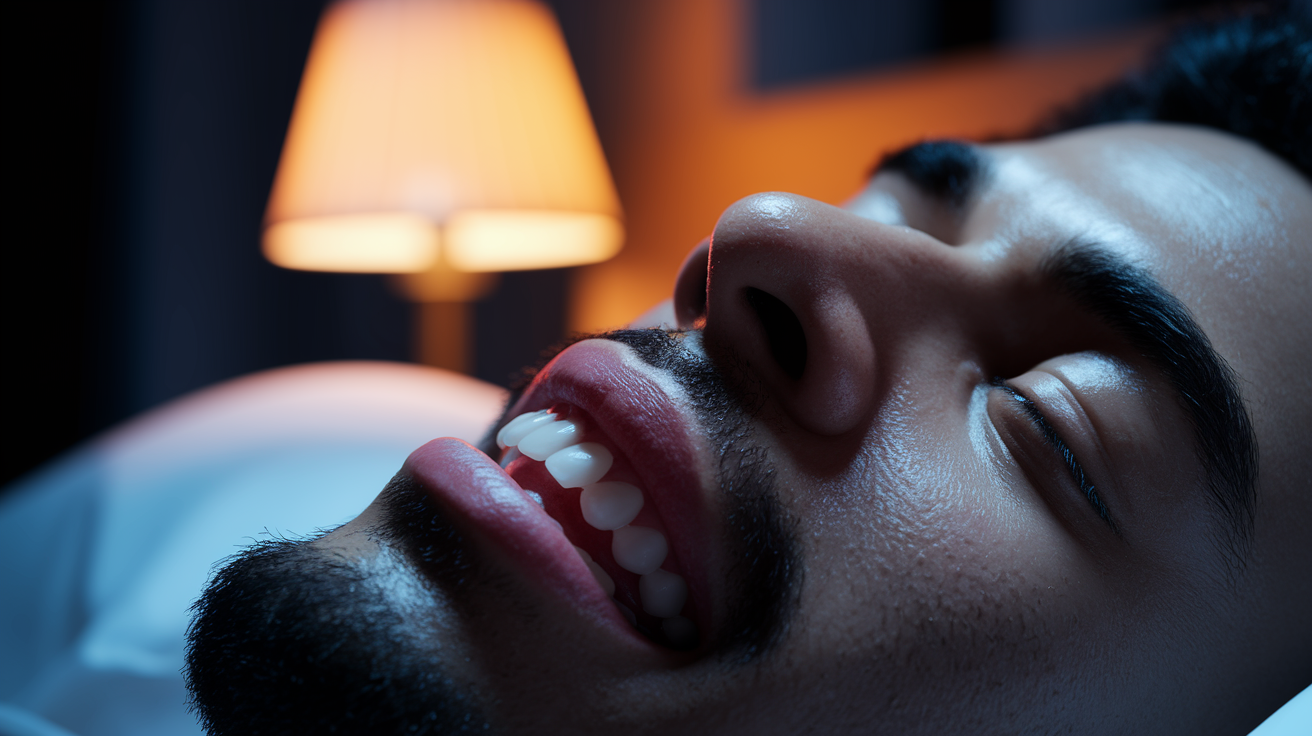
Bruxism, grinding or clenching your teeth at night, creates a dull throbbing in the temples that you notice as soon as you wake up. The masseter and temporalis muscles work overtime all night. By morning they’re fatigued and sore. That jaw pain radiates through the trigeminal nerve pathways straight into your head.
Temporomandibular joint disorder (TMJ or TMD) amplifies this pattern. The joint itself becomes inflamed or misaligned, and the trigeminal nerve, which serves both the jaw and much of the face and head, carries pain signals that can trigger tension headaches or even migraines. Stress is a major driver of nocturnal clenching, and sleep apnea makes bruxism worse by increasing muscle tension during breathing struggles.
An oral appliance or nighttime mouthguard repositions the jaw slightly forward, protects tooth enamel from grinding damage, and reduces the mechanical load on the temporomandibular joint. Many people notice fewer morning headaches within a few weeks of consistent use.
Common TMJ and bruxism symptoms to watch for:
- Jaw soreness or stiffness when you wake up
- Visible tooth damage (worn enamel, chips, or cracks)
- Ear pain, a feeling of ear fullness, or muffled hearing
- Tinnitus (ringing in the ears) or episodes of vertigo
Neck Strain, Pillow Problems, and Sleeping Position as Headache Triggers
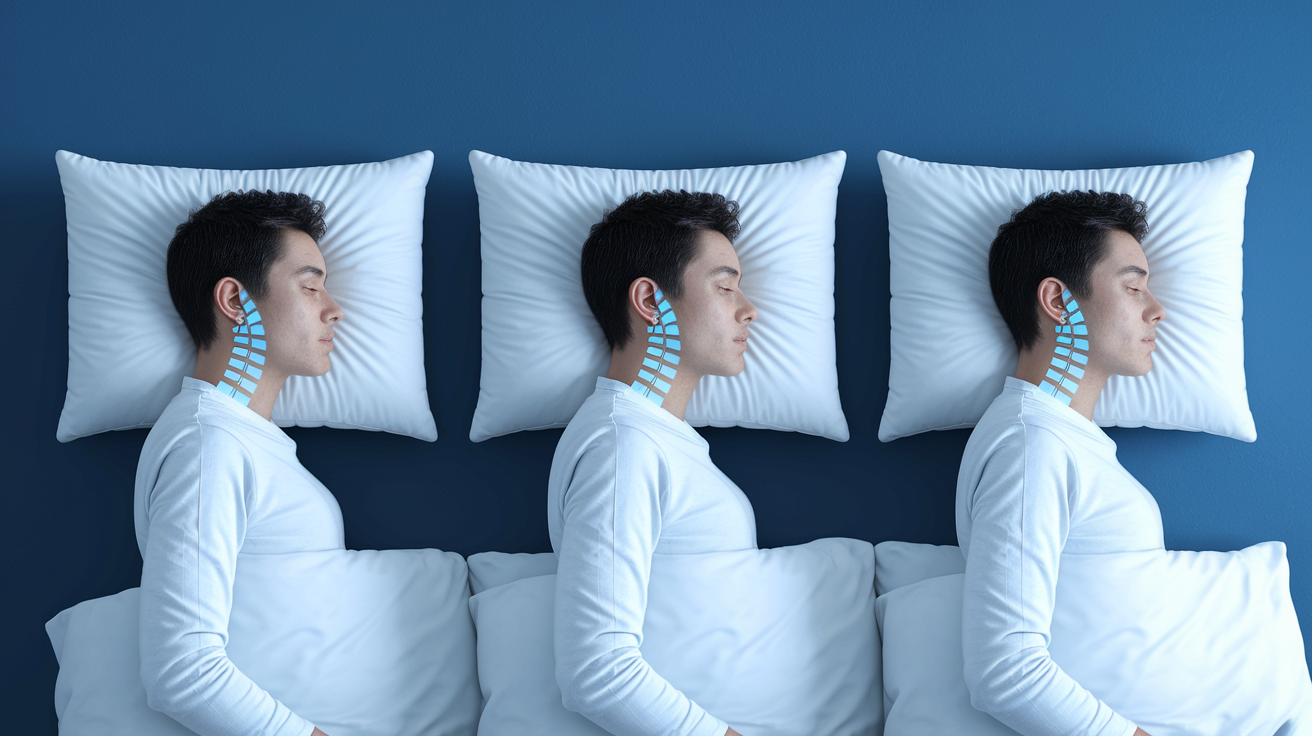
When your pillow is too soft, your head sinks below the level of your spine if you sleep on your side, and your neck bends sideways all night. When it’s too thick or too firm, back sleepers end up with their head pushed forward, flexing the cervical spine and straining the muscles at the base of the skull. Either way, those small postural muscles work in a stretched or contracted position for hours. By morning the tension has radiated up into your head as a dull, pressing pain.
Trying a different pillow thickness or firmness for three to five nights often reveals whether neck support is contributing to your headaches. Stomach sleeping is especially tough on the neck because you have to turn your head to one side to breathe, which rotates and extends the cervical spine at the same time.
| Pillow Type | Typical Issue | How It Can Cause Headache |
|---|---|---|
| Very soft (down or under filled foam) | Head sinks below spine level (side sleepers) | Lateral neck flexion strains muscles, radiating pain to temples and base of skull |
| Very thick or firm | Head elevated too high (back sleepers) | Forward neck flexion tightens suboccipital muscles and triggers tension headache |
| No pillow or flat pillow | Inadequate support for natural cervical curve | Muscles stay contracted to stabilize the head, causing fatigue and pain by morning |
| Wrong shape for sleep position | Misaligned spine (e.g., back sleeper pillow used on side) | Uneven pressure on neck joints and muscles leads to referred pain in head |
Morning Headaches From Dehydration, Alcohol, and Caffeine Withdrawal

Overnight you lose water through breathing and sweating. If you went to bed already a little dehydrated, the fluid deficit worsens. Dehydration pulls a small amount of fluid from brain tissue, which can cause the brain to pull slightly away from the skull and tug on pain sensitive structures around it. Even mild dehydration registers as a dull, nagging headache when you wake up.
Alcohol before bed makes all of this worse. It disrupts normal sleep architecture by suppressing REM and deep sleep, relaxes the airway muscles (which increases snoring and apnea episodes), and acts as a diuretic, meaning you lose even more fluid overnight. The exact physiology of hangover headaches isn’t fully mapped out, but dehydration, blood vessel changes, and acetaldehyde (an alcohol breakdown product) all contribute. Caffeine withdrawal is another common morning trigger. If you’re used to coffee first thing and your brain has gone 10 or 12 hours without it, blood vessels that caffeine normally keeps constricted start to dilate. That change in vessel tone produces pain.
Practical adjustments to reduce chemical and fluid related morning headaches:
- Keep a glass of water on your nightstand and drink it when you wake up (or even once during the night if you get up to use the bathroom)
- Limit alcohol to earlier in the evening, and follow each drink with a glass of water
- Reduce or stabilize your daily caffeine intake so withdrawal is less severe
- Avoid heavy caffeine consumption late in the day, which worsens sleep quality
- If you drink alcohol regularly and wake with headaches often, try a week or two without evening alcohol to see if the pattern improves
Medication Timing, Blood Sugar Shifts, and Other Physiological Triggers

The overnight period is usually the longest gap between medication doses. If you take a shorter acting formulation in the evening, blood levels may drop enough by morning to trigger rebound headaches or withdrawal type symptoms. Some medications, especially stimulants, certain antidepressants, and blood pressure drugs, can also disrupt sleep quality as a direct side effect, which then contributes to morning pain.
Nocturnal hypoglycemia (low blood sugar during sleep) can happen if you skip dinner, exercise late without eating afterward, or take certain diabetes medications. A blood sugar drop during the night prompts a stress hormone release that can manifest as a headache by the time you wake up. Early morning blood pressure surges are another physiological trigger. Blood pressure naturally rises as you transition from sleep to wakefulness, and in some people this surge is steep enough to cause vascular headaches.
If medication timing seems to align with your headaches, bring it up with your clinician. Switching to a longer acting version of the same drug, adjusting the evening dose time, or moving certain medications to a different part of the day can smooth out overnight fluctuations and reduce morning pain. Eating a balanced snack before bed, something with protein or complex carbs, can stabilize blood sugar through the night.
How Mental Health, Stress, and Muscle Tension Overnight Lead to Morning Pain

People with anxiety or depression wake up with headaches about twice as often as those without mood disorders. The relationship works in both directions. Frequent morning headaches and migraines raise the risk of developing anxiety or depression, and existing mood disorders increase headache frequency. Poor sleep quality is often the common thread linking the two. Anxiety and depression both disrupt sleep architecture, and disrupted sleep lowers the pain threshold.
Stress keeps your nervous system in a heightened state even while you’re asleep. Muscles stay partially contracted, especially in the jaw, neck, and shoulders. That low grade tension accumulates over hours, and by morning the muscle fatigue registers as head pain. Bruxism is strongly linked to stress, so emotional pressure during the day often translates directly into jaw clenching at night.
Stress management practices that can reduce nighttime muscle tension:
- Progressive muscle relaxation or a short body scan meditation before bed to release held tension
- Cognitive behavioral strategies to address rumination and racing thoughts that interfere with sleep
- Consistent sleep and wake times to stabilize circadian rhythms and improve mood regulation
- Gentle evening stretches for the neck, shoulders, and jaw to reduce baseline muscle tightness
Immediate Relief Techniques for Morning Headaches
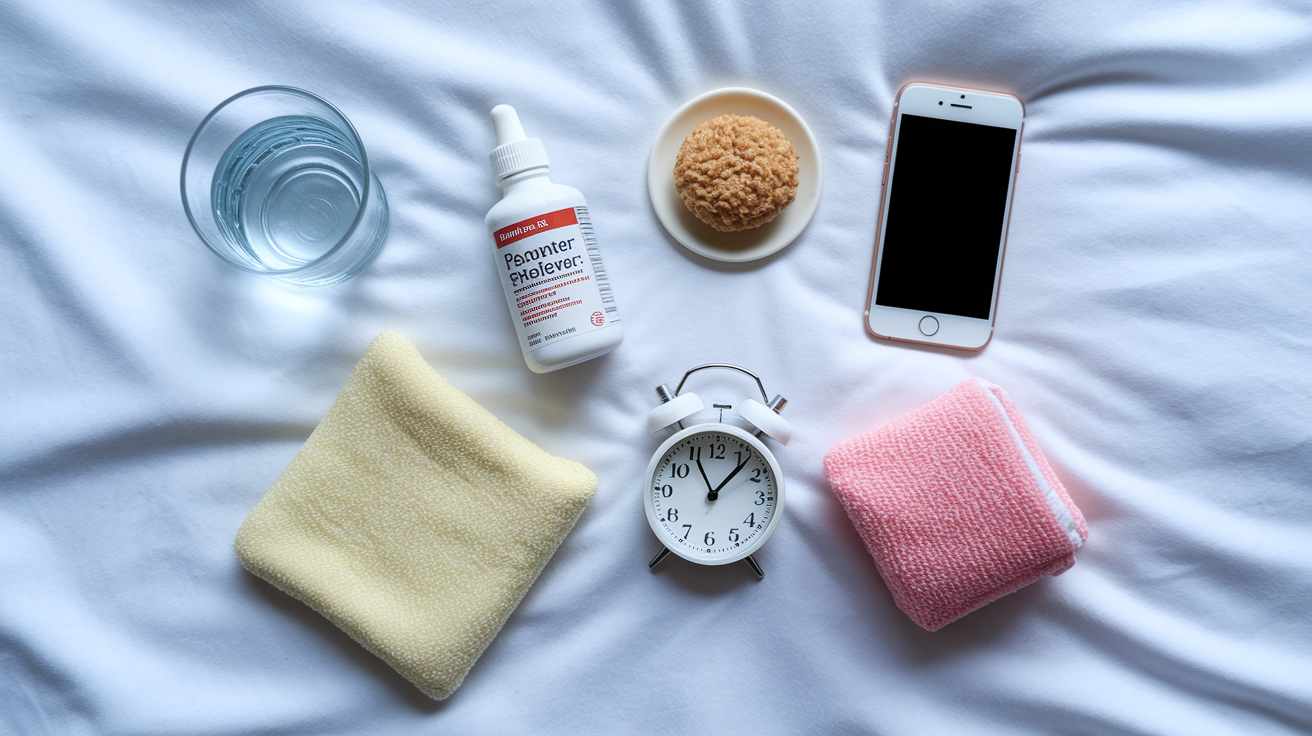
Drink a full glass of water as soon as you wake up. Mild rehydration often takes the edge off within 20 minutes. Over the counter pain relievers (aspirin, ibuprofen, or acetaminophen) can help if you use them occasionally, but avoid taking them more than three times a week or you risk triggering medication overuse headaches. If the pain feels related to your neck or jaw, try a warm compress on the area for five minutes to relax tight muscles. For sinus related pressure, a cool washcloth on your forehead and sitting upright for a few minutes can ease congestion. If nausea comes with the headache, sip water slowly and eat something bland and easy to digest (crackers, toast, or a banana) to stabilize your stomach and blood sugar.
Six quick steps for morning headache relief:
- Rehydrate immediately, one to two glasses of water
- Take an OTC pain reliever if needed (occasional use only)
- Apply a warm compress to your neck or jaw if those areas feel tight
- Sit upright for 10 to 15 minutes to help sinus drainage and improve blood flow
- Eat a small, bland snack to stabilize blood sugar
- Avoid bright screens and loud noise for the first 30 minutes while your nervous system settles
Long-Term Strategies to Prevent Waking Headaches

Consistent sleep hygiene is the foundation. Aim for seven to nine hours each night, keep your bedroom cool (around 65 to 68 degrees Fahrenheit), dark, and quiet. Avoid screens for at least two hours before bed. Blue light suppresses melatonin and delays sleep onset. Go to bed and wake up at roughly the same time every day, even on weekends, to stabilize your circadian rhythm.
Regular moderate exercise, 30 to 50 minutes, three to five days per week, has been shown to reduce migraine frequency, severity, and duration. Exercise also improves sleep quality and helps regulate stress hormones. Stabilize your caffeine and alcohol patterns. If you drink coffee, keep the timing and amount consistent day to day so withdrawal doesn’t hit in the morning. If you drink alcohol, limit it to earlier in the evening and follow it with water. Eat regular meals to avoid overnight blood sugar dips.
For diagnosed sleep apnea, CPAP therapy or an oral appliance repositions the airway and reduces oxygen drops, which often eliminates morning headaches within a few weeks. For bruxism, a custom nighttime mouthguard from a dentist protects your teeth and reduces jaw muscle workload. If anxiety or depression is contributing, talk therapy (especially cognitive behavioral therapy for insomnia) and stress reduction techniques like progressive muscle relaxation can break the cycle.
Five sustainable practices to prevent morning headaches:
- Maintain a consistent sleep schedule (same bedtime and wake time daily)
- Ensure your pillow supports your neck in a neutral position for your preferred sleep posture
- Hydrate throughout the day and keep water accessible at night
- Limit evening alcohol and stabilize daily caffeine intake
- Address diagnosed sleep disorders (apnea, insomnia) with appropriate treatment and follow up
When Morning Headaches Signal a More Serious Problem

If you’re waking up with a headache three or more times per week, or if you need pain medication more than three times a week to manage it, schedule an appointment with your primary care clinician. Patterns that worsen over time or don’t respond to basic self care adjustments need evaluation. New onset morning headaches after age 50 should be assessed promptly, and any headache that begins after age 65 requires medical review to rule out serious causes.
Some warning signs require same day or emergency care. A sudden, severe headache, especially one that feels like the worst headache of your life, can signal bleeding in the brain. A headache with a stiff neck and fever may indicate meningitis. Confusion, personality changes, double vision, slurred speech, weakness on one side of your body, or balance problems alongside a headache are all neurological red flags that need immediate evaluation.
Seven red flag symptoms that require prompt medical attention:
- Sudden, severe headache (worst you’ve ever had or rapid onset to peak intensity)
- Headache with stiff neck, high fever, or vomiting
- Confusion, difficulty speaking, or personality changes
- Blurred vision, double vision, or vision loss
- Weakness, numbness, or loss of coordination in part of your body
- Headache immediately following a head injury or fall
- New or worsening headache pattern after age 50, or any new headache after age 65
Final Words
You wake up with a headache for a few common reasons: bad sleep or sleep apnea, teeth grinding, neck strain from pillows, dehydration, alcohol or caffeine changes, or med timing. Try simple fixes: drink water, swap or prop a pillow, skip late alcohol, do a gentle neck stretch, and note when the pain started and how bad it is.
If you’re still asking why do i wake up with a headache, track patterns and tell your clinician what you’ve noticed. Small changes help most people, and there’s effective care if you need it.
FAQ
Q: Why would I wake up with a headache every morning?
A: Waking up with a headache every morning often points to sleep-related causes like poor sleep, sleep apnea or snoring, teeth grinding, neck strain from pillows, dehydration, alcohol, caffeine withdrawal, or medication timing issues.
Q: Is morning headache a red flag?
A: A morning headache is a red flag when it’s sudden or very severe, or comes with fever, stiff neck, vomiting, confusion, weakness, double vision, balance problems, repeats often, follows head injury, or starts after age 50—seek urgent care.
Q: How can I stop waking up with headaches and how do you get rid of a sleep headache?
A: Stopping waking headaches and easing a sleep headache starts with better sleep habits, hydrate, avoid late alcohol and caffeine, adjust pillow or try a mouthguard for grinding, use short OTC pain if needed, and see a clinician for suspected sleep apnea or med issues.