

Think you can sweat a fever out?
Some people try, but there’s a faster, safer way.
A fever is your body’s thermostat turned up, and you can nudge it down quickly.
The fastest method combines three things: cool the skin, take a fever reducer, and replace fluids.
Used together, these steps often bring real relief in one to two hours.
This post shows exactly what to do right now, what to track, and which warning signs mean you should get care.
Fast-Acting Steps to Reduce Fever Quickly at Home
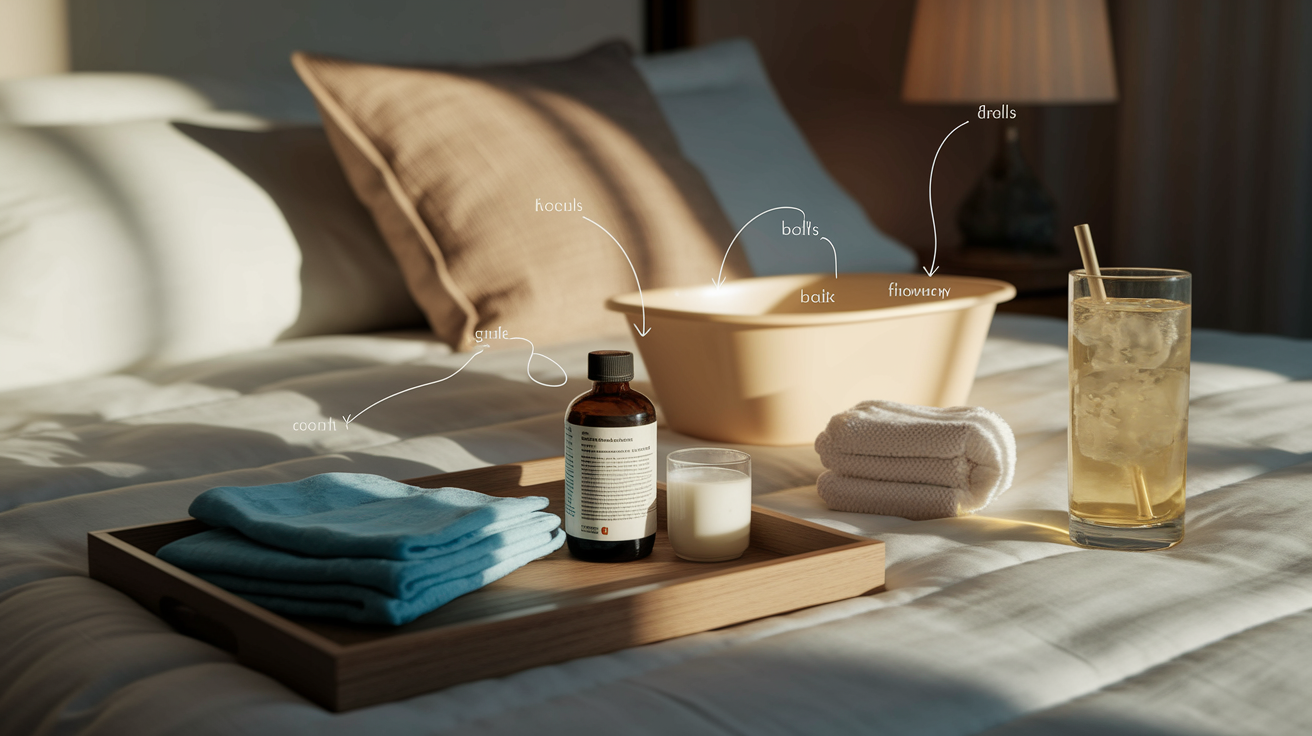
A fever means your body temperature’s climbed above normal, usually around 98.6°F (37°C). For adults, it typically starts at 99 to 99.5°F. For children, the threshold depends on where you measure: rectal reading of 100.4°F or higher, oral reading of 99.5°F or higher, or underarm reading of 99°F or higher. Most infection related fevers last about three to four days, though some drop in hours and others stick around longer.
The fastest way to break a fever? Combine three things: cool your body from the outside, take medication that lowers your internal set point, and replace fluids lost to sweat. Cooling alone feels good but wears off fast. Medication alone takes thirty to sixty minutes to work. Hydration alone won’t budge the number on the thermometer. Together, these steps usually bring relief within one to two hours.
Here’s the five step protocol:
-
Keep cool – One light layer, a sheet instead of heavy blankets, and drop the room temperature a few degrees to stop trapping extra heat.
-
Take over-the-counter fever medicine – Acetaminophen or ibuprofen work within thirty to sixty minutes. Recheck your temperature in an hour to see if it’s dropping.
-
Apply cool compresses or take a lukewarm bath – Damp washcloth on your forehead or back of your neck cools the skin right away. Lukewarm bath or sponge bath helps. Skip ice baths or very cold water, they make you shiver and push your core temperature back up.
-
Rest and monitor – Lie down, sleep when you can, and check your temperature every thirty to sixty minutes after taking medicine. If the fever falls, keep resting. It may climb again as medication wears off, so stay on your dosing schedule.
-
Hydrate and replace electrolytes – Sip water, oral rehydration solution, or an electrolyte drink, especially if you’re sweating, vomiting, or dealing with diarrhea. Dry mouth, dark urine, or dizziness? You need more fluids.
Cooling Techniques That Help Break a Fever Quickly
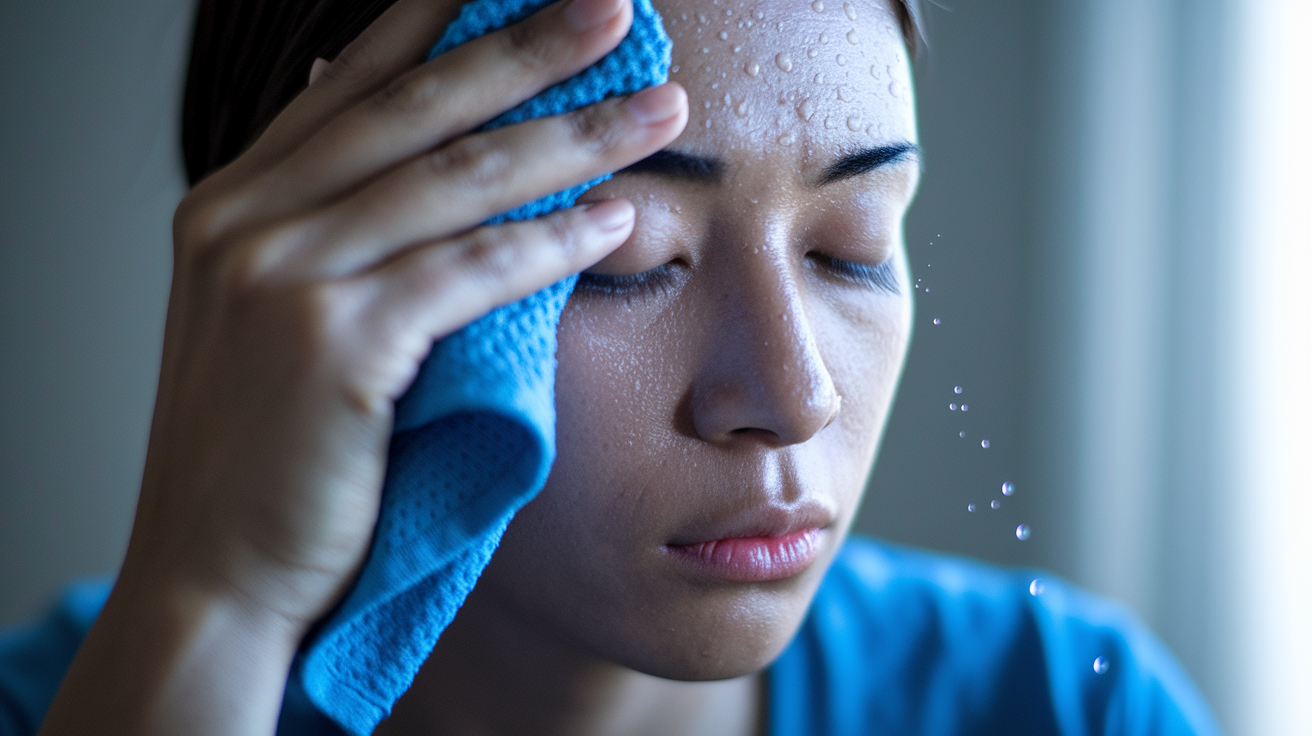
Cooling your skin brings fast comfort and can nudge your temperature down while you wait for medication to kick in. The best methods are simple: place a cool, damp washcloth on your forehead, temples, or the back of your neck. You can also fill a basin with lukewarm water and use a sponge or cloth to wipe your arms, legs, and torso. Key word is lukewarm, not cold, not icy. Water that’s too cold triggers shivering, and shivering generates heat.
A lukewarm bath or shower is another quick option. Sit or stand under water that feels just slightly cooler than body temperature. Stay in for five to ten minutes, towel off, and check how you feel. Cooling methods feel best when paired with medication and fluids. On their own, they offer temporary relief. Your temperature may bounce back as soon as you dry off or warm up again.
What to use for fast, safe cooling:
- Cool damp washcloth on forehead, neck, or wrists
- Lukewarm sponge bath or shower (skip hot water)
- Room temperature or slightly cool drinking water
- Light clothing and a single sheet instead of heavy blankets
Never use ice baths, alcohol rubs, or very cold compresses. Ice baths can cause dangerous shivering and fluid shifts. Rubbing alcohol on the skin can be absorbed and cause poisoning, especially in children. Stick to lukewarm and let medication handle the internal work.
Medications That Reduce Fever Fast and Safe Dosing
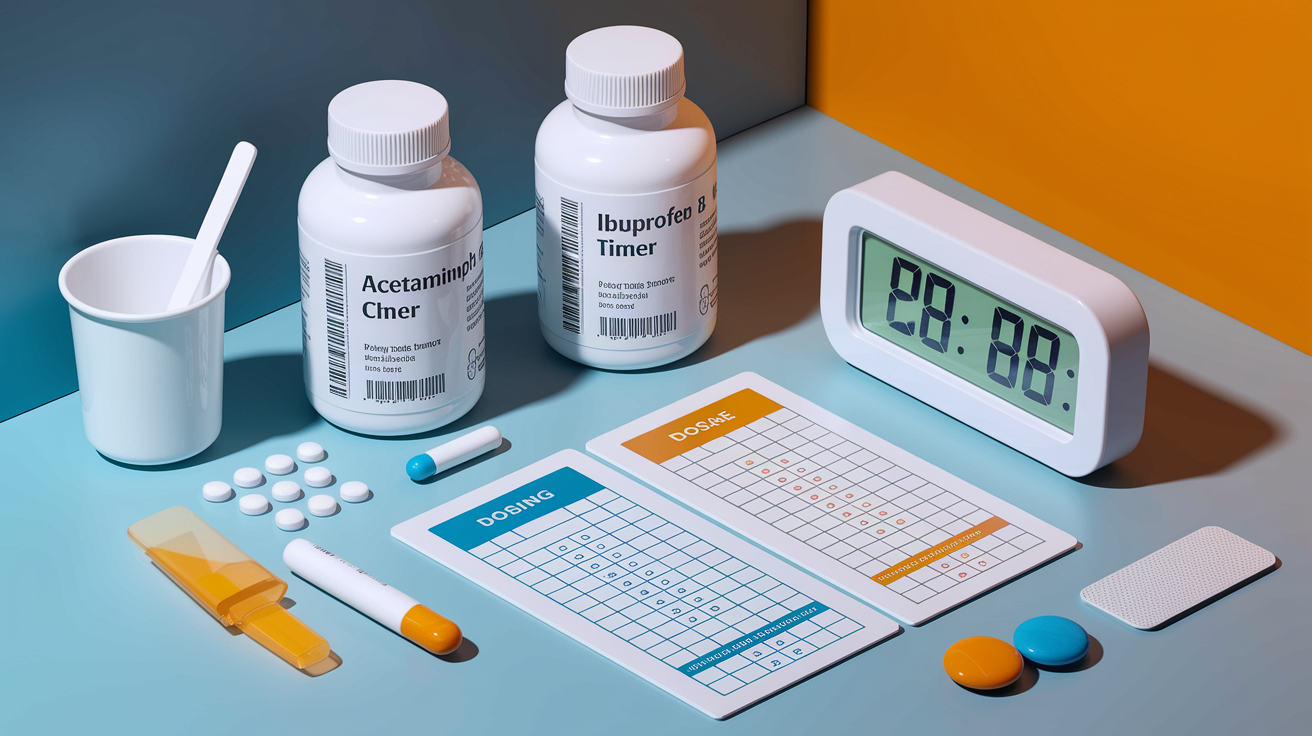
Acetaminophen and ibuprofen are the two main over the counter medicines that lower fever. Both block chemicals in your body that raise your internal thermostat. You’ll usually feel the effect within thirty to sixty minutes, and your temperature should drop noticeably within one to two hours.
For adults, acetaminophen is typically dosed at 325 to 1,000 milligrams every four to six hours as needed. Maximum safe dose is 3,000 to 4,000 milligrams in twenty four hours. Check the product label and consider any liver conditions or other medications before picking your limit. Ibuprofen for adults is usually 200 to 400 milligrams every four to six hours, with a common over the counter maximum of 1,200 milligrams per day. Some regimens allow up to 2,400 milligrams per day under medical supervision, but that’s not a starting dose.
For children, always dose by weight. Acetaminophen is 10 to 15 milligrams per kilogram of body weight per dose, given every four to six hours, with a typical maximum of about five doses in twenty four hours. Ibuprofen is 5 to 10 milligrams per kilogram per dose, given every six to eight hours, with a maximum of around 40 milligrams per kilogram per day. Use an oral syringe to measure liquid medicine. Double check the concentration (milligrams per milliliter) on the label before you calculate the dose. Never give aspirin to anyone under eighteen. It carries the risk of Reye’s syndrome, a rare but serious condition.
One common mistake? Doubling up. Many cold and flu combination products already contain acetaminophen or ibuprofen. If you take a combo medicine and then add a separate fever reducer, you can easily exceed the safe daily limit. Always read the ingredient list on every bottle.
| Medication | Dose (Adults) | Max per Day (Adults) | Onset Time |
|---|---|---|---|
| Acetaminophen | 325–1,000 mg every 4–6 hours | 3,000–4,000 mg | 30–60 minutes |
| Ibuprofen | 200–400 mg every 4–6 hours | 1,200 mg (OTC max) | 30–60 minutes |
| Child Acetaminophen | 10–15 mg/kg per dose | ~5 doses/24 hours | 30–60 minutes |
| Child Ibuprofen | 5–10 mg/kg per dose | ~40 mg/kg/day | 30–60 minutes |
Hydration and Electrolytes for Rapid Fever Relief
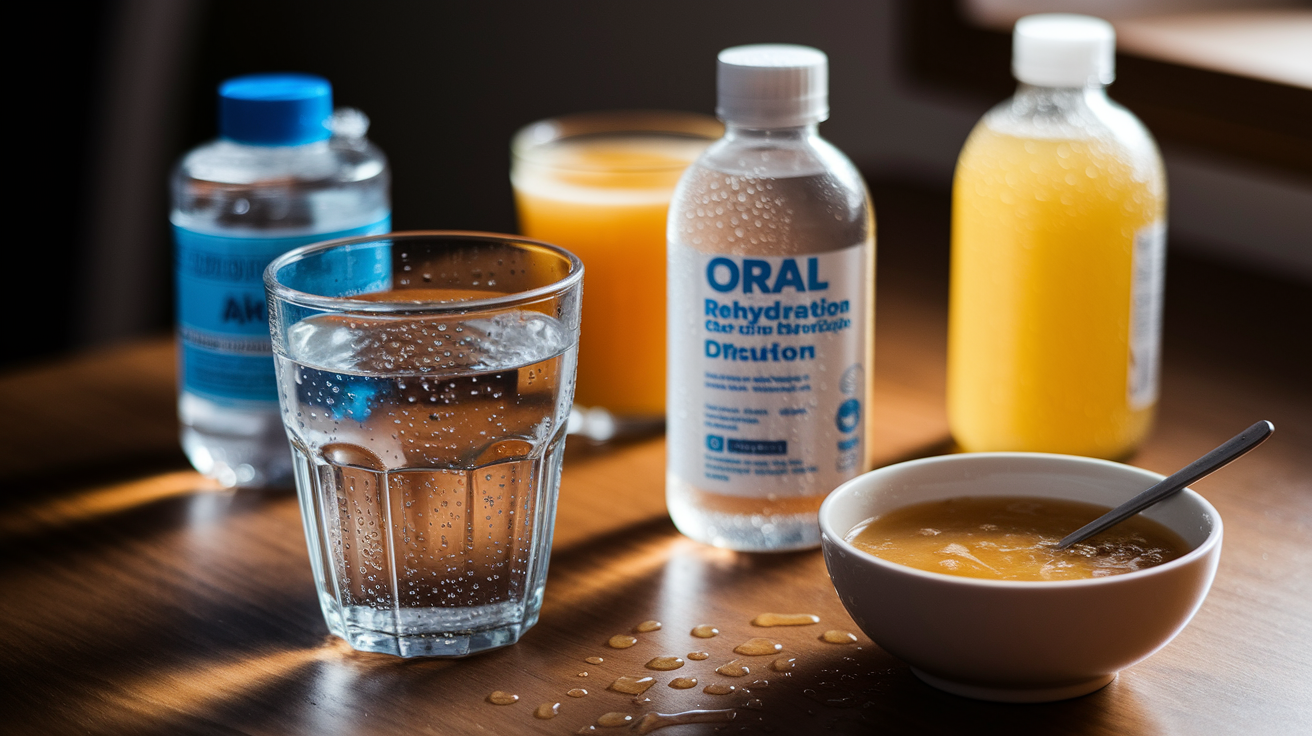
Fever makes you sweat, and sweating drains water and electrolytes from your body. Dehydration slows recovery and can make you feel worse. Headache, dizziness, dry mouth, dark yellow urine are all warning signs. Replacing fluids won’t directly lower your temperature, but it supports every other step you take and helps your body fight the underlying infection.
Plain water is a good start, but oral rehydration solutions or electrolyte drinks add back the sodium, potassium, and glucose you lose. Broth is another practical option. It delivers salt and a small amount of protein. If you’re vomiting or have diarrhea along with the fever, prioritize oral rehydration solution or an electrolyte drink over plain water. Sip slowly and often. Don’t wait until you’re extremely thirsty. By that point, you’re already behind on fluids.
Recommended fluids to sip during a fever:
- Water (room temperature or cool)
- Oral rehydration solution (Pedialyte or similar)
- Electrolyte sports drinks or coconut water
Avoid caffeinated drinks like coffee, strong tea, or energy drinks. Caffeine acts as a diuretic, which means it makes you urinate more and can worsen dehydration. Stick to fluids that help you hold onto water, not lose it.
Rest, Monitoring, and How to Track Fever for Fast Improvement
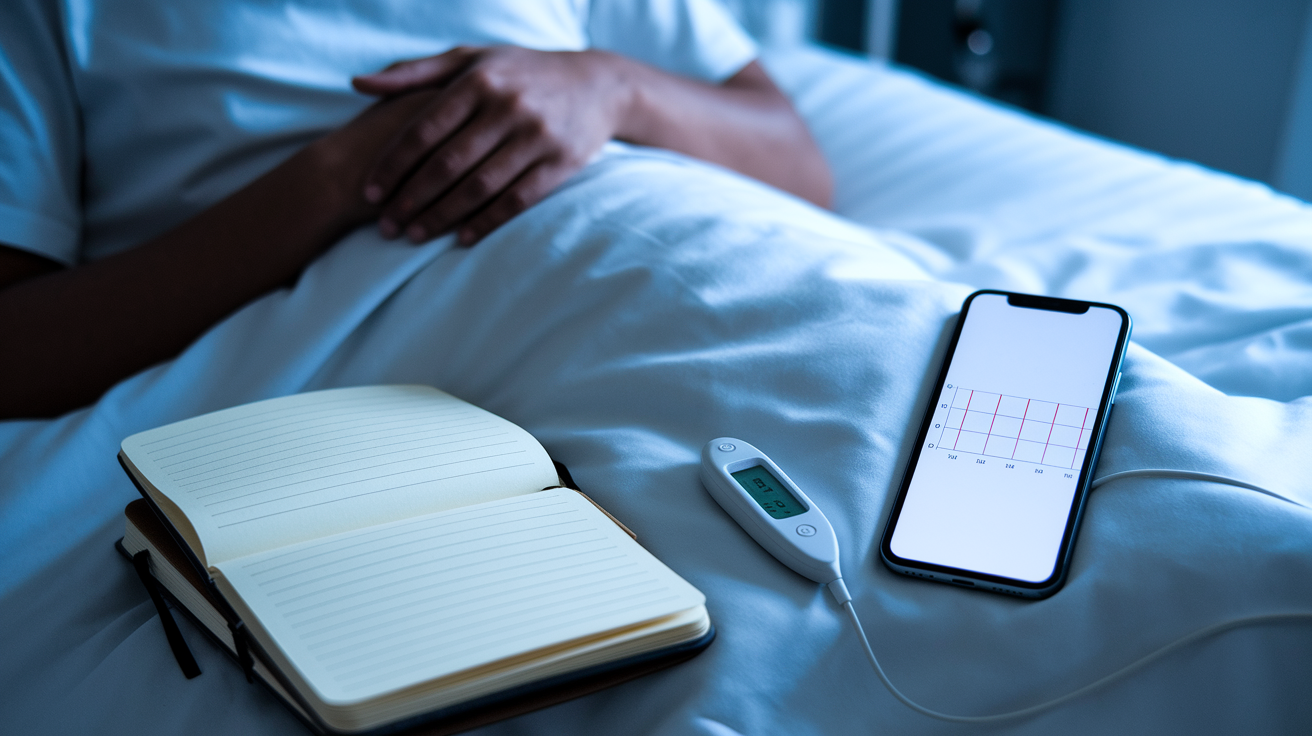
Rest isn’t just about feeling comfortable. It’s how your immune system does its best work. When you lie down and sleep, your body redirects energy toward fighting infection. Limit activity, stay home, and give yourself permission to do less. Every hour of sleep and stillness counts.
Tracking your temperature helps you know if your interventions are working. Use a digital oral thermometer for adults and older children, or a rectal thermometer for infants and toddlers under three. Forehead strip thermometers and non contact infrared models are convenient but less accurate. If you get a high reading, confirm it with an oral or rectal check. Take your temperature before you start any treatment, then recheck thirty to sixty minutes after taking medication or using cooling measures. Write down the time and the number. If the fever drops by even half a degree, you’re moving in the right direction. If it stays flat or climbs, that’s useful information to share with a clinician.
Fever often returns as medication wears off. That’s normal. As long as the temperature responds to each dose and you’re staying within the maximum daily limits, you can repeat the cycle: dose, cool, hydrate, rest, recheck. Most fevers peak in the evening and drop in the early morning, so don’t be surprised if the pattern bounces.
Best practices for accurate fever tracking:
- Use a digital oral or rectal thermometer for the most reliable reading
- Check temperature every thirty to sixty minutes after treatment until stable, then every few hours
- Record the time, temperature, and what you did (medication, cooling, fluids) so you can spot patterns
What Not to Do When Trying to Break a Fever Fast
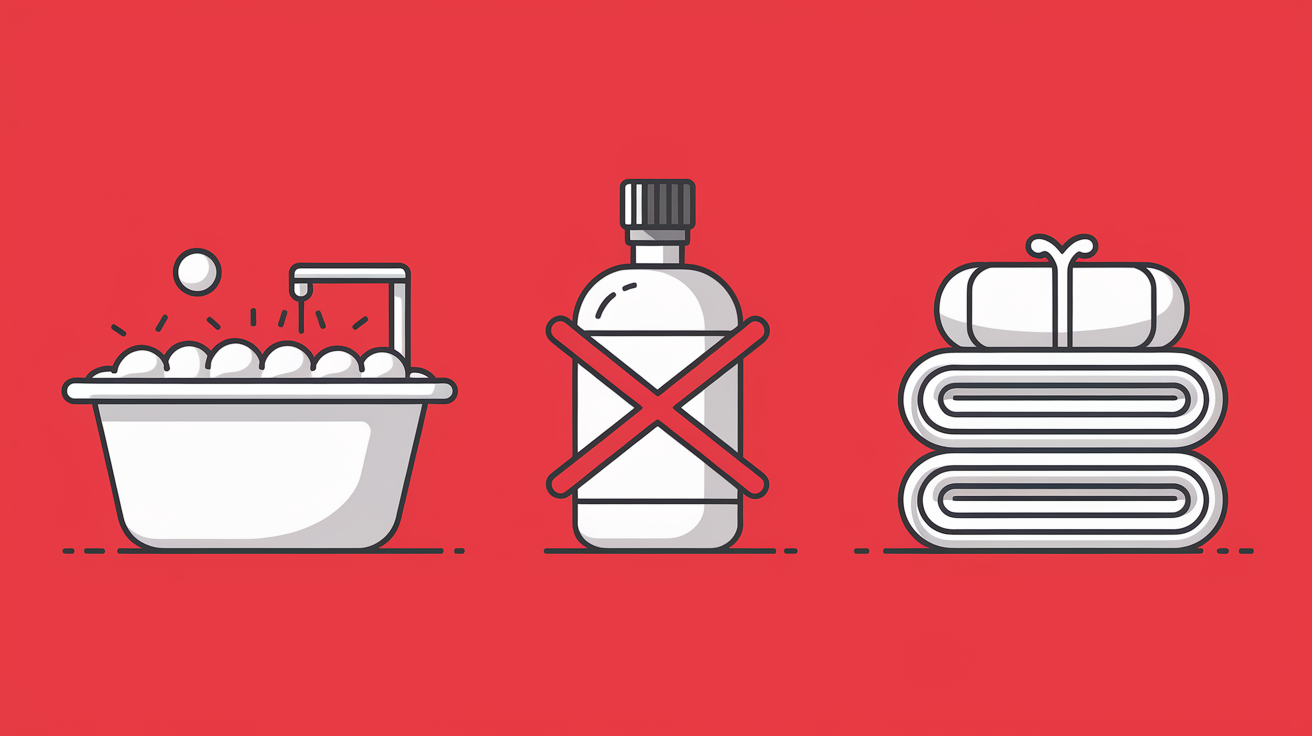
Some old school fever remedies aren’t just unhelpful, they’re dangerous. Never rub alcohol on the skin to “cool” someone down. Alcohol can be absorbed through the skin and cause poisoning, especially in children. Ice baths and very cold water can trigger violent shivering, which raises your core temperature instead of lowering it. Stick to lukewarm.
Don’t bundle up under heavy blankets if you have a fever. It’s tempting when you feel chilled, but overheating yourself traps heat and makes the fever worse. If you’re shivering, use a light blanket until the chills pass, then switch back to a single sheet. And never give aspirin to anyone under eighteen. The risk of Reye’s syndrome, a rare but life threatening condition, is real.
Other mistakes to avoid:
- Exceeding the maximum daily dose of acetaminophen or ibuprofen
- Taking a combination cold or flu medicine that already contains acetaminophen, then adding a separate acetaminophen dose on top
- Using fever medicine just to mask symptoms so you can go to work or school (most illnesses stay contagious for at least twenty four hours after the fever breaks)
- Trying to cool someone who is actively shivering or has chills
- Applying ice packs directly to the skin, especially on babies or young children
When to Seek Medical Care for a Fever That Won’t Break
Most fevers resolve on their own in a few days, but certain numbers and symptoms mean it’s time to get professional help. For adults, seek immediate care if your temperature hits 105°F or higher and doesn’t drop quickly with treatment. If your fever stays at or above 103°F, lasts longer than forty eight to seventy two hours, or keeps coming back over the course of a week, call a clinician.
For children, the thresholds are tighter. If your baby is three months old or younger and has a rectal temperature of 100.4°F or higher, that’s an emergency. Call your pediatrician right away or go to urgent care. For babies three to twelve months old, a fever of 102.2°F or higher warrants a same day call. Any child two years old or younger with a fever lasting more than twenty four to forty eight hours should be seen. For kids older than two, call if the fever lasts more than seventy two hours.
Red flag symptoms that require urgent evaluation, no matter the temperature:
- Seizure or loss of consciousness
- Confusion, strange behavior, or difficulty waking
- Stiff neck or severe headache
- Trouble breathing or chest pain
- Severe abdominal pain or swelling
- Purplish rash that doesn’t fade when you press on it
If you have a chronic condition like heart disease, sickle cell anemia, diabetes, cystic fibrosis, COPD, or if you’re immunocompromised, contact your provider earlier. For people with cancer, a fever of 100.5°F or higher is a reason to call your oncologist or seek care right away.
Special Considerations: Infants, Children, Older Adults, and Pregnancy

Infants and very young children can’t tell you what hurts, and their bodies respond to infection differently than older kids or adults. That’s why the temperature thresholds are lower and the timelines are shorter. A baby three months or younger with any fever, even a low grade one, needs to be evaluated immediately. Babies that young can have serious infections without showing obvious symptoms. For infants three to twelve months, a rectal temperature of 102.2°F or higher is the action point. For toddlers under two, any fever lasting more than a day or two should be checked, even if they seem okay otherwise.
Older adults (age sixty five and up) are also at higher risk. Their immune systems may not mount a strong fever even when they have a serious infection, so any fever in this age group should prompt an early call to a provider. The same goes for anyone who is immunocompromised, on chemotherapy, taking immune suppressing drugs, or living with chronic heart or lung disease. Pregnancy adds another layer of caution. If you’re pregnant and your temperature climbs above 101°F, contact your obstetrician. Prolonged high fever during pregnancy can affect the baby, so don’t wait to see if it resolves on its own.
When dosing children, always use weight based calculations and confirm the concentration on the bottle. Liquid acetaminophen comes in different strengths, some are 160 milligrams per 5 milliliters, others are different. Measure with an oral syringe, not a kitchen spoon. Never use cold packs or ice directly on a baby’s skin. Their temperature regulation is still developing, and rapid cooling can cause harm. Stick to lukewarm sponge baths and light clothing.
| Age Group | Temperature Threshold | Action |
|---|---|---|
| ≤3 months | Rectal ≥100.4°F | Call pediatrician immediately or seek emergency care |
| 3–12 months | Rectal ≥102.2°F | Call pediatrician same day |
| ≤2 years | Fever lasting >24–48 hours | Schedule evaluation with pediatrician |
| Adults 65+ or immunocompromised | Any fever, especially ≥101°F | Contact provider early; do not wait |
If your child is unusually lethargic, hard to wake, refusing all fluids, or showing signs of dehydration (no tears when crying, very little urine, dry mouth), get medical attention right away. The same goes for extreme fussiness that you can’t console. Trust your instinct. If something feels off, it’s worth a call.
Final Words
Start with the most important steps: cool skin, give acetaminophen or ibuprofen at safe doses, sip fluids, rest, and check temperature every 30–60 minutes. Those five steps work together and often show improvement within 1–2 hours.
Don’t use ice baths, alcohol rubs, or bundle up. Recheck meds after 30–60 minutes and watch for red flags like confusion, trouble breathing, seizures, or very high temps.
This guide on how to break a fever fast gives clear steps you can try at home. If you’re unsure, get medical help — you’re not alone.
FAQ
Q: What is the fastest way to get rid of a fever? / How to fix a fever asap?
A: The fastest way to break a fever is surface cooling (lukewarm sponge or bath), an antipyretic like acetaminophen or ibuprofen (works in 30–60 minutes), hydrate, rest, and recheck in 30–60 minutes.
Q: What are the 5 stages of a fever?
A: The five stages of a fever are prodrome (feeling off), rising/chills, plateau (peak temperature), defervescence (sweating as the fever breaks), and recovery (return to normal).
Q: Is it better to break a fever or let it run its course?
A: Whether to break a fever or let it run depends on comfort, temperature, and risk. Mild fevers can be watched; treat if uncomfortable, ≥103°F in adults, persistent >48–72 hours, or in infants/high-risk people.