

You don’t always need medicine to calm nausea.
Your kitchen might already have what works.
This post walks through fast, natural fixes you can try right now, like ginger, peppermint, fresh air, acupressure, small sips, and simple breathing so you get relief without guessing.
You’ll learn quick at-home steps, safe ways to use ginger and essential oils, what to eat and drink, the red flags to watch for, and what to tell a clinician if symptoms don’t improve.
Fast At Home Nausea Relief Techniques You Can Use Right Now

Sit upright or stand for a few minutes. Pressure on your stomach increases when you’re hunched over, so straightening your spine can give your digestive system room to settle.
Step outside or open a window. Fresh, cool air helps reduce queasiness by increasing oxygen flow and distracting your attention from the feeling.
Sip a small amount of ginger or peppermint drink. A few slow sips of ginger tea, real ginger ale, or peppermint tea can calm your stomach without overwhelming it.
Inhale a calming scent. Smelling peppermint oil, lavender, or lemon from a tissue or diffuser can reduce the urge to vomit within minutes.
Breathe deeply and slowly for one to three minutes. Deep breathing lowers stress, moves air through your lungs, and shifts your nervous system away from fight or flight mode.
Avoid strong smells, flickering lights, and heat. Triggers like perfume, food odors, stuffy rooms, and bright or flashing screens make nausea worse, so remove or step away from them right away.
These quick relief techniques work because they interrupt the signals your stomach and brain are sending to each other. Nausea often starts when your digestive system slows down or your inner ear sends conflicting messages (like during motion sickness). Changing your posture, breathing pattern, or environment resets those signals and gives your body a chance to recalibrate. Many people notice at least some relief within one to five minutes using one or more of these steps.
If you’re feeling nauseated, take small, frequent sips of water or a clear liquid like flat ginger ale or diluted apple juice. Avoid gulping large amounts at once, which can make your stomach stretch and increase the urge to vomit. Sipping slowly every few minutes keeps you hydrated without triggering more discomfort. Cold or room temperature drinks usually feel better than warm ones when you’re queasy.
Simple breathing exercises and gentle distraction can also help in the first few minutes. Try inhaling slowly through your nose for four counts, holding for two, and exhaling through your mouth for six counts. Repeat this cycle five to ten times. You can also distract yourself by focusing on something calm and neutral. Count backward from one hundred, listen to soft music, or watch a soothing video. Shifting your mental focus away from the nausea sensation often makes it easier to tolerate while your body settles.
Ginger Based Nausea Remedies and How to Use Them Safely at Home
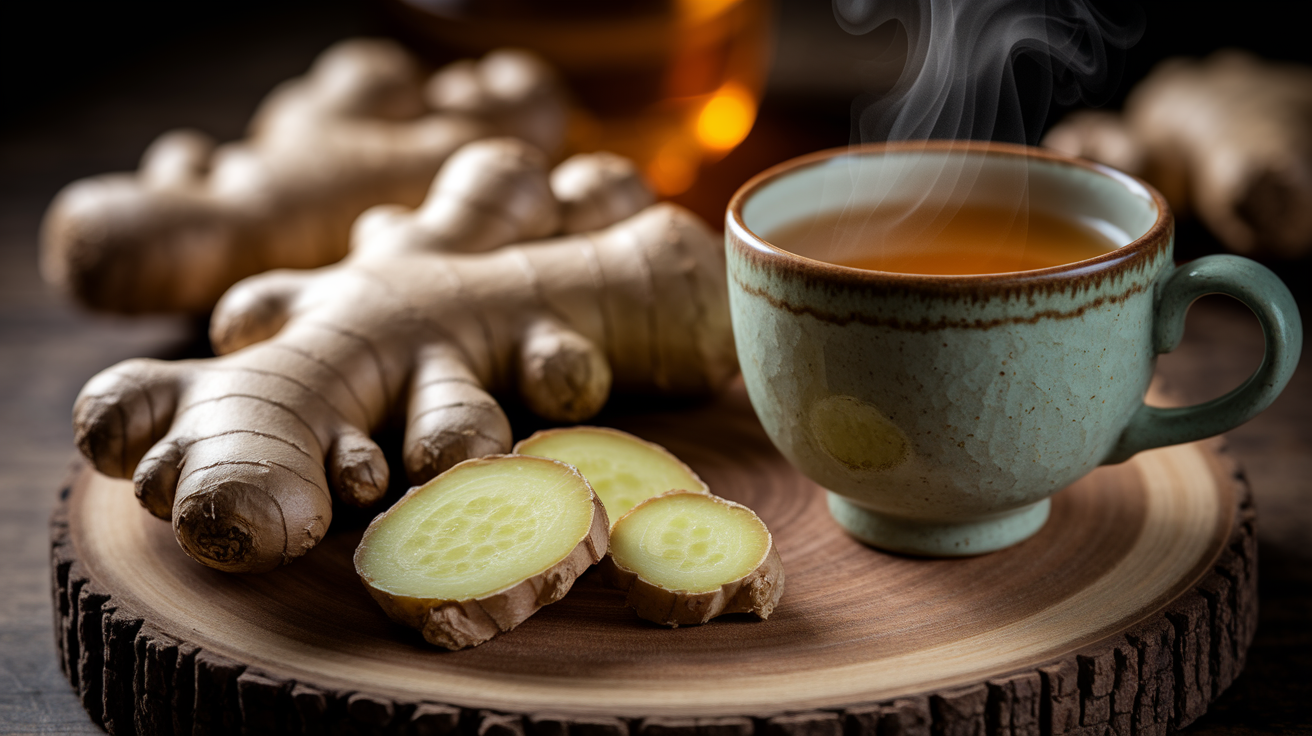
Ginger contains natural compounds called gingerols and shogaols that help calm stomach muscles, speed up digestion, and reduce inflammation in the gut lining. Studies show ginger’s especially effective for pregnancy related morning sickness and chemotherapy induced nausea. It won’t work instantly for every type of queasiness, but it’s one of the most reliable home remedies when used correctly and consistently.
You can use ginger in several forms, depending on what you have at home and what tastes tolerable when you’re feeling sick.
Raw fresh ginger. Peel and chew a small slice (about the size of your thumbnail), or grate it into hot water for fresh ginger tea.
Ginger tea bags. Steep one tea bag in hot water for three to five minutes. Sip slowly while warm or let it cool to room temperature.
Ginger snaps or ginger cookies. Choose brands made with real ginger (check the ingredient list). Eat one or two slowly.
Ginger ale with real ginger. Many commercial ginger ales contain only artificial flavoring, so look for brands that list ginger or ginger extract in the ingredients.
Ginger candy or chews. These are portable and easy to carry. Suck on one piece slowly when nausea starts.
Ginger’s generally safe for most people, but it can cause mild heartburn or stomach irritation if you take too much. Start with a small amount. One cup of tea or a few bites of ginger cookie. Wait fifteen to thirty minutes to see how you feel. Avoid ginger if you’re on blood thinners or about to have surgery, since it can slightly increase bleeding risk. If you’re pregnant and using ginger daily for morning sickness, mention it to your clinician at your next visit to confirm it’s appropriate for your situation.
Peppermint, Aromatherapy, and Scent Based Nausea Relief Methods

Peppermint works by relaxing the muscles in your stomach and intestines, which can reduce cramping and the urge to vomit. Sucking on peppermint candy, chewing peppermint gum, or sipping peppermint tea can all help, especially if nausea’s coming from a bad taste in your mouth or from eating something that didn’t agree with you. Peppermint also masks unpleasant flavors, which is why it’s often recommended for people going through chemotherapy or taking medications that leave a metallic taste.
Aromatherapy uses essential oils to calm your nervous system through smell. Lavender, lemon, and peppermint are the most commonly recommended scents for nausea. To use them, place three to five drops of essential oil in a diffuser and let it run in the room where you’re resting, or put two drops on a tissue and hold it near your nose for slow, deep breaths. If you want to apply essential oil to your skin, like rubbing it on your wrists or temples, you must dilute it first with a carrier oil. Never apply undiluted essential oil directly to your skin, since it can cause irritation or burns. Mix one drop of essential oil with one teaspoon of a carrier oil like coconut, jojoba, almond, or olive oil before rubbing it in.
| Scent | How to Use |
|---|---|
| Lavender | Place 3 to 5 drops in a diffuser or on a tissue, then inhale slowly. Dilute with carrier oil before applying to temples or wrists. |
| Lemon | Add 3 to 5 drops to a diffuser or inhale from a tissue. Fresh lemon slices in water can also help if you prefer a drink. |
| Peppermint | Diffuse 3 to 5 drops, or place 1 drop on a tissue and breathe deeply. Can also dilute and rub onto the back of your neck. |
| Mixed blend | Combine 2 drops lavender + 2 drops lemon + 1 drop peppermint in a diffuser for a calming, anti nausea blend. |
Acupressure and Wrist Techniques for At Home Nausea Control
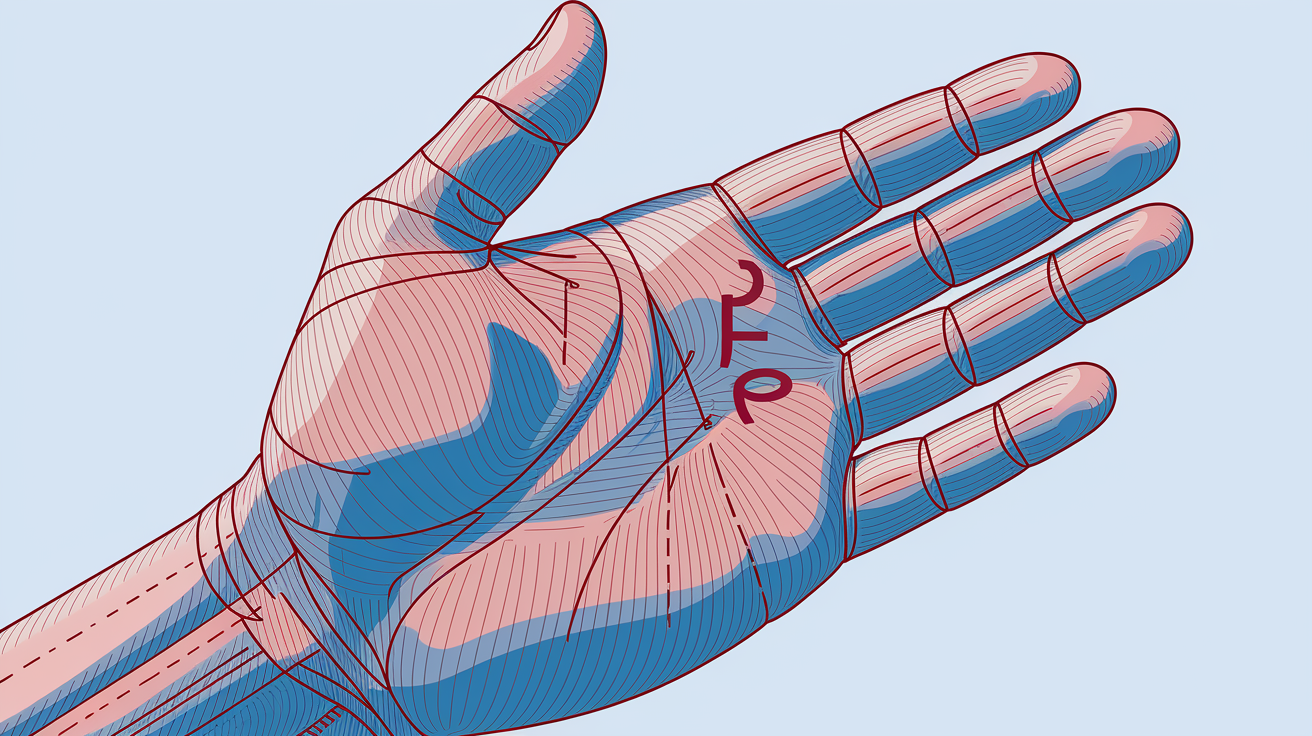
Acupressure’s a technique that applies firm pressure to specific points on your body to trigger a response from your nervous system. The most effective point for nausea is called P6 (or Nei Guan), located on the inside of your wrist. Pressing this point sends signals to your brain that can reduce the urge to vomit. It’s been used for years to manage motion sickness and morning sickness, and many people find it helpful for general queasiness as well.
Find the P6 point. Hold your hand palm up and place three fingers horizontally across the inside of your wrist, starting at the crease where your hand meets your arm. The P6 point is just below where your index finger lands, in the groove between the two large tendons you can feel when you flex your wrist slightly.
Apply firm pressure. Use your thumb or index finger to press down firmly on that spot. The pressure should feel strong but not painful. Hold for two to three minutes.
Repeat on the other wrist. Switch hands and press the same point on your opposite wrist for another two to three minutes.
Use a pressure wristband if preferred. You can buy acupressure wristbands at most pharmacies. These elastic bands have a small button sewn in that presses continuously on the P6 point. Wear one on each wrist, positioning the button over the correct spot, and leave them on for as long as you need relief (you can wear them all day).
Reapply pressure every hour if nausea returns. If the queasiness comes back, repeat the manual pressure technique or adjust your wristband to make sure it’s sitting in the right place.
This technique’s especially useful for motion sickness in cars, boats, or planes, and for pregnancy related nausea. Some people notice relief within a few minutes, while others need to keep the pressure applied for ten to fifteen minutes before they feel a difference.
Food and Drink Choices That Ease Nausea at Home
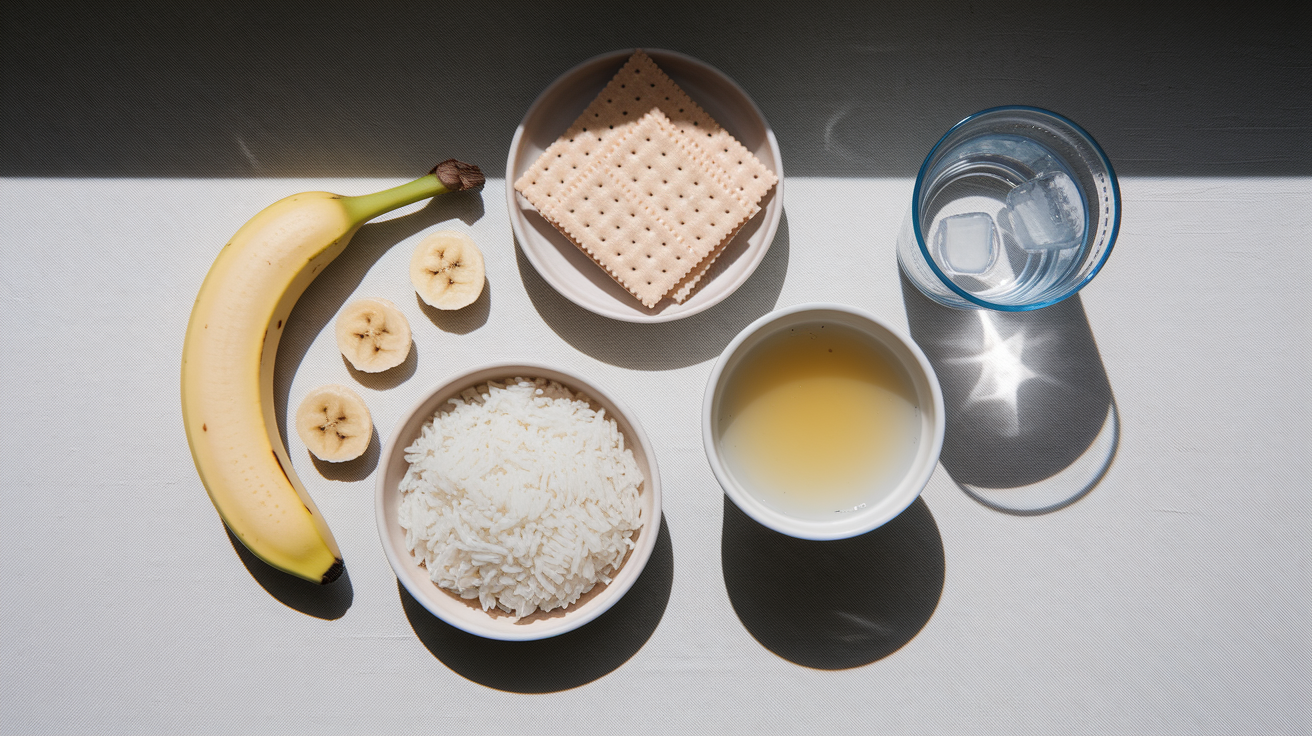
When you’re nauseated, your stomach works best with bland, easy to digest foods that don’t have strong smells or heavy fats. Eating several small portions throughout the day instead of three large meals keeps your digestive system active without overwhelming it. Foods that are high in simple carbohydrates or lightly salted tend to settle better than rich, spicy, or greasy options. If you’re not sure what to try first, start with crackers or plain toast and see how your stomach responds after fifteen to twenty minutes.
Hydration’s just as important as food, but the way you drink matters. Sip small amounts of clear, cold liquids every few minutes instead of drinking a full glass at once. Water, flat ginger ale, diluted apple juice, or broth are all good choices. If you’re vomiting and can’t keep fluids down, take tiny sips, just enough to wet your mouth, and wait a few minutes before sipping again. Electrolyte drinks can help if you’ve been vomiting or sweating a lot, but choose low sugar versions if possible to avoid upsetting your stomach further.
Serve foods and drinks at room temperature or cold rather than hot. Heat increases smells, and strong food odors are a common nausea trigger. Cold foods like applesauce, chilled fruit, popsicles, or yogurt usually feel easier to tolerate. If you’re cooking for yourself or someone else, keep windows open and fans running to move the smell out of the room.
Plain crackers (saltines, rice crackers), dry toast or plain bread, white rice or plain pasta, bananas (part of the BRAT diet: bananas, rice, applesauce, toast), applesauce (unsweetened, room temperature or cold), broth based soups (chicken, vegetable, or miso), pretzels (lightly salted), and cold watermelon, cantaloupe, or honeydew are all gentle options.
| Food/Drink | Why It Helps | When to Use |
|---|---|---|
| Crackers | Light carbohydrates absorb stomach acid and are easy to digest without strong flavors or smells. | First thing in the morning or anytime you feel queasy but aren’t vomiting yet. |
| White rice | Low in fiber and fat, so it moves through your stomach quickly without irritating the lining. | After vomiting has stopped and you’re ready to eat a small, plain meal. |
| Electrolyte beverages | Replace fluids, sodium, and potassium lost through vomiting or sweating. Help prevent dehydration. | After repeated vomiting or if you haven’t been able to keep water down for more than a few hours. |
Positional and Environmental Adjustments to Reduce Nausea Sensations

If you experience nausea regularly, whether from reflux, slow digestion, or recurring stomach issues, small adjustments to your daily posture and environment can make a noticeable difference over time. Keeping your head elevated when you lie down helps prevent stomach acid from creeping up into your esophagus, which is a common trigger for nausea, especially after meals. Prop yourself up with an extra pillow or use a wedge pillow designed for reflux. Avoid lying completely flat for at least two hours after eating.
In your bedroom or main rest area, adjust the temperature and lighting to support comfort. A room that’s too hot or too humid can increase nausea, so aim for a cool, well ventilated space (around 65 to 68 degrees Fahrenheit works well for most people). Use blackout curtains or dim the lights to reduce visual stimulation. Bright or flickering lights, especially from screens or fluorescent bulbs, can worsen queasiness by overstimulating your nervous system.
Elevate your head consistently. Use two pillows or a wedge at night, and sit upright or recline at a 45 degree angle during the day if you need to rest after eating.
Sleep on your left side when possible. This position helps your stomach sit lower than your esophagus, which can reduce nighttime nausea and reflux symptoms.
Apply a cool compress to your forehead or the back of your neck. The cold sensation distracts your nervous system and can interrupt nausea signals. Replace the compress every ten to fifteen minutes as it warms up.
Control room temperature. Keep your space cool and dry. Open a window or run a fan if the air feels stale or stuffy.
Dim the lights or close your eyes. Reducing visual input helps your brain focus less on the nausea sensation. Resting in a darkened room for twenty to thirty minutes often brings relief.
Minimize movement in your visual field. Turn off the TV, avoid scrolling on your phone, and remove anything with blinking lights or moving patterns from your line of sight.
Special Situations: Morning Sickness, Motion Sickness, Anxiety Related Nausea

Pregnancy Related Nausea
Morning sickness (which can actually happen any time of day) affects most people during the first trimester of pregnancy. Ginger’s one of the safest and most effective remedies. Try ginger tea, ginger snaps, or ginger candy in small amounts throughout the day. Acupressure wristbands worn continuously on both wrists can also help reduce the frequency and intensity of nausea. Eat bland, high carbohydrate foods like crackers or toast before getting out of bed in the morning, and keep small snacks with you so you never have an empty stomach. Cold or room temperature foods are usually easier to tolerate than hot meals, since they don’t release strong smells. If you’re vomiting multiple times a day or losing weight, contact your clinician. You may need prescription anti nausea medication or intravenous fluids.
Motion Sickness
Motion sickness happens when your inner ear senses movement that your eyes don’t see (or the other way around), confusing your brain. Acupressure wristbands are especially helpful here. Put them on about thirty minutes before you start traveling. If you’re in a car, sit in the front seat and look at the horizon or a fixed point in the distance rather than reading or looking at your phone. In a boat, stay on deck in fresh air and keep your gaze on the horizon line. Avoid heavy, greasy, or spicy meals before and during travel. Sip cold, clear liquids like water or ginger ale slowly, and take breaks to step outside and breathe deeply if possible. Changing your position, standing up, walking a short distance, or lying down flat with your eyes closed, can sometimes reset the signals your brain’s receiving.
Anxiety Related Nausea
When you’re anxious or stressed, your body releases stress hormones that slow down digestion and increase stomach acid, which can trigger nausea. Deep, slow breathing’s one of the fastest ways to calm this type of queasiness. Sit or lie down in a quiet space, close your eyes, and inhale slowly through your nose for a count of four, hold for two, and exhale through your mouth for six. Repeat this cycle for three to five minutes. Guided imagery, imagining a calm, safe place in detail, can also help your nervous system shift out of stress mode. Drink cold water or suck on ice chips slowly. The cold sensation and small sips can ground you and reduce the urge to vomit. If anxiety related nausea happens often, talk to a healthcare provider about whether therapy, breathing exercises, or medication might help address the underlying stress.
Home Care Strategies for Children Experiencing Nausea

Children often experience nausea from stomach viruses, motion sickness, or eating something that didn’t agree with them. The same home remedies that work for adults can help kids, but you’ll need to adjust portions and watch timing more carefully. Keep the room cool and calm, reduce strong smells, and have your child rest in an upright or semi reclined position rather than lying flat.
Hydration’s the most important goal when a child is nauseated or vomiting. Offer small, frequent sips of clear liquids every five to ten minutes. Water, diluted apple juice, clear broth, or an electrolyte solution designed for children. If your child refuses to drink, try offering ice chips, popsicles, or frozen fruit slices. Keep track of how much they’re taking in, and watch for signs of dehydration like dry lips, crying without tears, or not urinating for several hours.
Give clear liquids in very small amounts. One to two teaspoons every five minutes is better than a full cup all at once, which can make vomiting worse.
Offer bland, easy snacks once vomiting stops. Plain crackers, dry toast, or a few bites of banana are good first foods after the stomach settles.
Avoid strong food smells and rich meals. Keep the child away from the kitchen while cooking, and don’t offer dairy, fried foods, or anything spicy until nausea’s completely gone.
Have the child rest sitting up or propped on pillows. Lying flat can increase the feeling of nausea and make reflux worse.
Try distraction with calm activities. Gentle audiobooks, soft music, or quiet drawing can take their mind off the queasy feeling.
Monitor how often your child’s urinating. If they haven’t peed in eight hours or more, or if their urine’s very dark, they may be getting dehydrated. Contact your healthcare provider if a child under two has been vomiting for more than 24 hours, or if an infant under one year old has vomited for more than 12 hours.
When Nausea at Home Requires Medical Attention or Emergency Care

Most nausea’s short lived and goes away on its own or with simple home remedies within a day or two. But certain symptoms mean you need to contact a healthcare provider or go to urgent care right away. These warning signs suggest dehydration, a serious underlying condition, or a complication that home care can’t fix.
If you or someone you’re caring for has been vomiting for more than 24 hours (or more than 12 hours in infants, or more than 24 hours in children under two), call a clinician even if there are no other symptoms. Persistent vomiting can lead to dehydration and electrolyte imbalances that need medical treatment. The same is true if you haven’t been able to keep any fluids down for more than 12 hours, even small sips, or if you haven’t urinated in eight hours or longer.
Pay close attention to the appearance of vomit. If it’s green, looks like it contains blood (bright red or dark), or resembles coffee grounds (a sign of digested blood), seek emergency care immediately. These are signs of internal bleeding, a bowel obstruction, or another urgent problem. Also go to the emergency room right away if nausea’s accompanied by a sudden, severe headache or a stiff neck (which can indicate meningitis or another neurological issue), or if you think the nausea might be caused by poisoning or a toxic substance.
Vomiting has lasted more than two days in an adult. Vomiting has lasted more than 24 hours in a child under two years old. Vomiting has lasted more than 12 hours in an infant. You haven’t been able to keep fluids down for more than 12 hours. You haven’t urinated in eight hours or more, or your urine’s very dark. You’ve vomited three or more times in a single day and it’s not improving. You have new or worsening severe stomach pain that doesn’t go away. You’re losing weight without trying, or you’ve lost your appetite for more than a few days. Your vomit is green, contains bright red blood, or looks like coffee grounds. You have nausea along with a severe headache, stiff neck, high fever, chest pain, confusion, or extreme dizziness when you stand up.
Dehydration’s one of the most common complications of ongoing nausea and vomiting. Watch for intense thirst, a very dry mouth, weakness, dizziness when standing, or feeling lightheaded. If you notice any of these signs, contact a healthcare provider the same day. They may recommend an electrolyte solution, or they may want you to come in for intravenous fluids if dehydration’s moderate to severe.
Daily Habits to Prevent Recurring Nausea at Home
If you deal with nausea regularly, whether from reflux, slow digestion, food sensitivities, or another ongoing condition, adjusting a few daily habits can reduce how often it happens and how intense it feels. These strategies work best when you use them consistently over time, not just when nausea starts.
Eat several small meals throughout the day instead of three large ones. Keeping a little bit of food in your stomach at all times helps prevent the buildup of stomach acid, which is a common nausea trigger. Choose bland, easy to digest foods most of the time, and avoid anything greasy, spicy, or heavily seasoned until you know it won’t bother you. Pay attention to patterns. If certain foods or drinks always make you feel queasy, eliminate them for a week or two and see if your symptoms improve. Chew slowly and take breaks during meals. Eating too fast can cause you to swallow air, which increases bloating and nausea.
Eat five or six small meals instead of three large ones. Keep portions light and spread eating times evenly throughout the day.
Avoid fatty, greasy, or fried foods. These slow digestion and sit heavily in your stomach, increasing queasiness.
Drink liquids between meals, not during. Filling your stomach with food and liquid at the same time can trigger nausea. Sip water or tea thirty minutes before or after eating.
Rest after eating, but don’t lie down. Sit upright or recline at a 45 degree angle for at least an hour after meals to prevent reflux.
Get enough sleep every night. Fatigue and irregular sleep patterns make your digestive system more sensitive and increase nausea frequency.
Avoid sudden movements after eating. Don’t bend over, exercise, or move quickly right after a meal. Give your stomach time to start digesting before you move around.
Final Words
Start with fast moves: sit upright, get fresh air, sip ginger or peppermint, breathe slowly, or press the P6 point. These often ease nausea within minutes.
If it lingers, try ginger tea or chews, aromatherapy, cool compresses, and bland foods or small clear drinks. Children, pregnant people, or anyone with severe vomiting should get advice sooner.
Keep this checklist handy when you search how to relieve nausea at home, track warning signs, and contact a clinician if it doesn’t improve. You’ll probably feel steadier soon.
FAQ
Q: What settles nausea quickly and what is fast acting for nausea?
A: What settles nausea quickly and what is fast acting for nausea are immediate steps: sit upright, get fresh air, sip ginger or peppermint slowly, inhale a calming scent, and do deep breathing for several minutes.
Q: What is the body trick for nausea?
A: The body trick for nausea is firm pressure on the P6 point on your inner wrist, or wearing a motion-sickness wristband there; it often eases queasiness from motion or pregnancy.