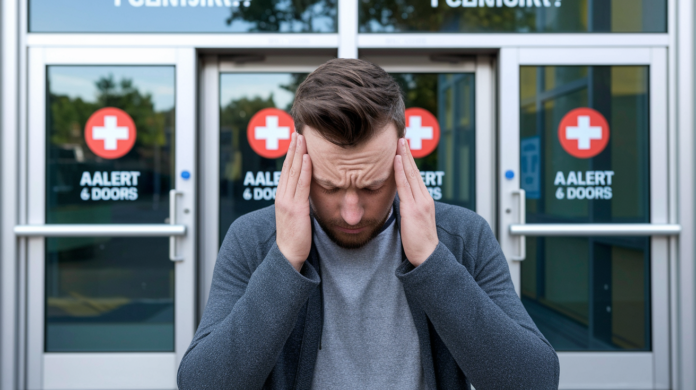

Could a headache be harmless, or the kind that needs emergency care?
It’s not always easy to tell.
This post lays out the key warning signs, what to do right away, and when to see a clinician.
You’ll get clear, practical rules to help you act fast, when seconds count and when you can wait.
Knowing these signs can prevent serious harm and spare you unnecessary panic.
Read on to learn the red flags and the safe next steps.
Urgent Headache Symptoms That Require Immediate Medical Care

Some headaches are medical emergencies. These red flag symptoms mean your brain, blood vessels, or nervous system might be at risk, and waiting can cause permanent damage. If you notice any of the warning signs below, call 911 or get to the nearest emergency department right away.
These symptoms don’t show up with your typical tension headache or even most migraines. They signal sudden, severe changes that your body can’t handle on its own. Trust what you’re feeling. If a headache feels different from anything you’ve experienced before, or if it’s coming with alarming symptoms, don’t wait around to see if it improves.
Sudden, explosive pain that hits maximum intensity in 60 seconds or less. Often called a “thunderclap” headache. The worst headache of your life, even if you’ve had brutal headaches before. Headache with fever above 100.4°F (38.0°C) and a stiff neck, or confusion. New weakness, numbness, or tingling on one side of your body. Trouble speaking, understanding words, or sudden vision loss. Seizure, fainting, or loss of consciousness. Headache that starts right after a head injury, especially if you take blood thinners. Very high blood pressure, with systolic 180 or higher, or diastolic 120 or higher.
Signs It’s Time to See a Doctor for a Non Emergency Headache

Not every headache needs emergency care. But many still need a doctor’s attention. If your headaches are happening more than 15 days per month for three months or longer, that pattern is called chronic daily headache, and it deserves evaluation. Frequent headaches can point to underlying triggers like sleep problems, medication overuse, or other medical causes that won’t resolve on their own.
You should also schedule an appointment if your headaches are getting worse over time, changing in character, or showing up in new ways. For example, if you suddenly start getting headaches during exercise, coughing, or sexual activity, those patterns can indicate increased pressure inside your skull or vascular issues. A headache that follows a predictable trigger like that isn’t necessarily an emergency, but it’s worth investigating.
See a doctor if headaches are disrupting your daily life. Missing work or school. Lying in a dark room for hours. Canceling plans regularly. If over the counter medications stop working, or if you’re taking pain relievers more than 10 to 15 days per month, you may be developing medication overuse headaches. A clinician can help you taper safely and find a better long term plan.
Home Management and Symptom Relief Strategies

Many mild to moderate headaches respond well to simple home care. Rest in a quiet, dark room. Drink water. Apply a cold compress to your forehead or a warm compress to the back of your neck. Pay attention to posture if you’ve been sitting at a screen for hours. Try slow, deep breathing to help your body relax. These steps won’t cure a migraine or cluster headache, but they can take the edge off tension type headaches and help you feel steadier.
Over the counter options like ibuprofen or acetaminophen can relieve pain if you catch the headache early. Follow the dosing instructions on the package. Don’t exceed the maximum daily amount. Avoid taking headache medication more than two or three days per week on a regular basis, because frequent use can actually cause rebound headaches that are harder to treat. If you’re pregnant, check with your clinician before taking any medication, even over the counter products.
Stop relying on home care if your headache isn’t improving after 24 to 48 hours, if it’s getting worse, or if new symptoms appear. Home strategies are meant for straightforward, occasional headaches. They’re not a substitute for medical evaluation when something more serious might be going on.
How to Track Headache Patterns for Accurate Diagnosis

A headache diary gives your clinician the specific details they need to understand what’s happening. Tracking for 8 to 12 weeks before your appointment helps identify patterns you might not notice day to day. Write down each headache as it happens, rather than trying to remember details later.
Headache Diary Components
Record the date and time each headache starts, how long it lasts, and rate the pain intensity on a scale of 0 to 10. Note where the pain is located. One side, both sides, front, back. Describe the quality, like throbbing, sharp, or dull pressure. Write down any symptoms that come with the headache. Nausea, vomiting, sensitivity to light or sound, visual changes, or neck stiffness. List potential triggers you noticed that day, such as how much sleep you got, caffeine intake, screen time, skipped meals, alcohol, stress level, or changes in routine. Finally, document every medication you took for the headache. The name, dose, time, and whether it helped. Count how many days per month you use acute headache medication, because that number matters for diagnosis.
This level of detail helps clinicians spot patterns like migraine aura, cluster timing, or medication overuse. It also makes it easier to adjust treatment and see what’s working. Bring the diary to your appointment, either on paper or from a headache tracking app.
Special Considerations for Children, Pregnant Individuals, and Older Adults

Children often can’t describe headache symptoms clearly, especially younger kids. Watch for behavioral changes like irritability, refusing to play, holding their head, or wanting to lie down in the middle of the day. Seek prompt medical care if a child has a headache with high fever, repeated vomiting, confusion, a bulging soft spot in infants, seizures, or trouble waking up. Headaches in children can sometimes signal infections, vision problems, or neurological conditions that need early treatment.
If you’re pregnant and develop a new or severe headache, contact your obstetric provider the same day. Headaches accompanied by swelling, vision changes, or blood pressure of 140/90 or higher after 20 weeks of pregnancy can be signs of preeclampsia, a serious condition that requires immediate management. Blood pressure of 160/110 or above is a medical emergency. Many headache medications aren’t safe during pregnancy, so work with your clinician to find relief options that won’t harm you or the baby.
Older adults, especially anyone over 50, should see a doctor for any new headache pattern. After age 50, the likelihood of secondary causes rises, including temporal arteritis, a condition that inflames blood vessels in the head and can lead to permanent vision loss if untreated. Watch for jaw pain when chewing, scalp tenderness, or sudden vision problems, and seek evaluation within 24 to 48 hours. Blood tests measuring inflammation markers like ESR and CRP help diagnose temporal arteritis quickly. Early treatment with steroids can prevent complications.
Final Words
In the action, this post laid out the urgent headache signs that need emergency care, the reasons to see a doctor for non‑emergency headaches, safe home relief tips, how to track patterns, and special points for children, pregnant people, and older adults.
If you have sudden, severe pain, new neurological symptoms, high fever with a stiff neck, or post‑injury headache, get emergency help. For frequent or worsening headaches, make a clinic appointment.
If you’re still unsure about when to see a doctor for headache, use the red‑flag checklist and your headache notes to decide and bring them to your visit. You’re doing the right thing.
FAQ
Q: What is the 5 4 3 2 1 rule for migraines?
A: The 5 4 3 2 1 rule for migraines is a mnemonic: 5 or more attacks, 4 to 72 hours each, at least 2 of 4 headache features, and 1 associated symptom like nausea or light/sound sensitivity.
Q: How can I tell if my headache is serious?
A: You can tell a headache is serious if it starts suddenly like a thunderclap, or comes with weakness, confusion, vision changes, fever with stiff neck, recent head injury, worsening pattern, or new onset after age 50.
Q: What are the 5 C’s of headaches?
A: The 5 C’s of headaches are a quick clinical checklist: change in usual pattern, context or chronic illness, new clinical signs, concerning medications like blood thinners, and cancer history.
Q: What are red flag warning signs for headaches?
A: Red flag warning signs for headaches include sudden worst-ever pain, focal neurologic loss, fever with stiff neck, seizures, progressive worsening, new headache after 50, recent head trauma, anticoagulant use, or cancer.