
Should you always tough out a fever at home, or could waiting cost you vital time?
Not all fevers are harmless; some temperatures and symptoms point to urgent problems that need hospital care right away.
This guide gives clear temperature cutoffs for newborns, children, and adults, lists the critical warning signs to watch for, and shows when you should go to the hospital now so you can act quickly and avoid dangerous delays.
Immediate Fever Thresholds and Emergency Criteria Explained
A fever usually starts when your body temperature hits 100.4°F (38.0°C) or higher. If you’ve got an infant under 3 months old, that temperature is a medical emergency. Call your doctor or head to the ER immediately. For kids of any age, a fever of 105°F or higher means you need emergency room care right now. Adults should get immediate help when fever reaches or passes 103°F (39.4°C) and comes with serious symptoms. Most fevers clear up in a few days. But certain numbers and specific symptoms tell you when it’s not safe to wait.
Go to the hospital now if your fever shows up with any of these: trouble breathing or feeling short of breath, passing out or serious confusion, a stiff neck, a skin rash that won’t fade when you press it, constant throwing up that stops you from keeping fluids down, severe belly pain, chest pain, extreme tiredness where you can barely keep your eyes open, intense muscle pain, painful or burning when you pee, or a really bad headache. For children, watch for nonstop crying that you can’t soothe, difficulty waking them up, trouble swallowing, and not peeing at all.
If your fever hangs on for 2 to 3 days without breaking, or if over the counter stuff like acetaminophen or ibuprofen doesn’t bring your temperature down or make you feel better, get evaluated. When fever won’t respond to medication or keeps jumping back up after the medicine wears off, it might mean an infection that needs specific treatment.
Emergency room now if you or your child has:
- Fever ≥100.4°F in a baby under 3 months old
- Fever ≥105°F in any child
- Fever ≥103°F in an adult with serious symptoms
- Trouble breathing or fast, hard breathing
- Loss of consciousness or extreme confusion
- Stiff neck with fever
- Skin rash that shows up suddenly with fever
- Throwing up so bad you can’t keep fluids down
- Severe belly pain or chest pain
- Fever lasting more than 48 to 72 hours without getting better
Understanding Fever Levels and Temperature Readings
Normal body temperature in adults ranges from about 97°F to 99°F. A more precise range is often cited as 97.7°F to 99.5°F. A temperature of 100.4°F or higher is medically defined as a fever. Low grade fevers fall between 100.4°F and 102.2°F. These often mean a mild infection your body’s actively fighting. Temperatures above 102.2°F suggest a more serious infection that might need professional evaluation.
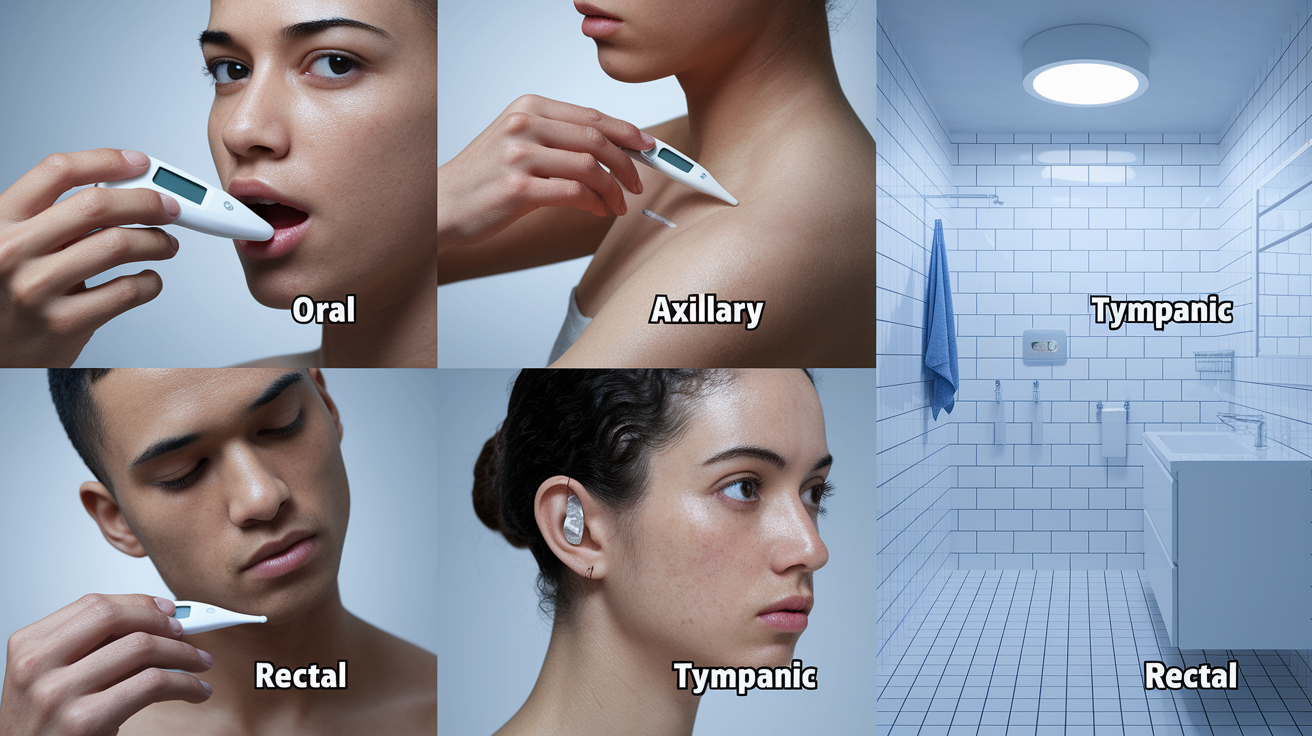
You can measure temperature several ways: by mouth (oral), under the arm (axillary), on the forehead (temporal), in the ear (tympanic), or rectally. Rectal readings tend to be most accurate, especially in infants. Oral and temporal readings work well for older children and adults. Ear thermometers are good if you use them correctly, though earwax can mess with results. Armpit readings are convenient but typically run about one degree lower than oral, so add a degree if you’re using that method to compare to standard fever thresholds.
How to get accurate fever readings:
- For infants under 3 months, use a rectal thermometer for the most reliable result.
- For older children and adults, oral or temporal thermometers work well. Just follow the device instructions carefully.
- Wait 15 to 30 minutes after eating, drinking, or exercising before taking an oral temperature.
- Clean the thermometer before and after each use, and track the reading along with the time and any symptoms you’re seeing.
Pediatric Fever Emergencies and Developmental Risks
Infants and young children face higher risks from fever because their immune systems are still developing. Their bodies can’t always show clear signs of serious illness until things get bad fast. A baby who seems only mildly uncomfortable might be fighting an infection that needs urgent treatment. Young children also dehydrate faster than adults, and high fevers can trigger complications like febrile seizures in toddlers and preschoolers, even when the underlying cause is relatively minor.
Fever Rules for Infants Under 3 Months
Newborns have immature immune systems that can’t mount a strong defense against bacterial infections like sepsis or meningitis. They can’t tell you what hurts and often show only subtle signs. Poor feeding, unusual sleepiness, or being extra fussy. Any fever in a baby younger than 3 months is treated as a potential emergency. Doctors need to rule out serious infections quickly, often through blood tests, urine tests, and sometimes a spinal tap. Even if your baby seems otherwise fine, a temperature of 100.4°F or higher requires immediate medical evaluation. Call your pediatrician right away or go to the ER if the office is closed.
Fever Guidelines for Young Children
Once babies reach 3 months, their immune systems are stronger, but they’re still vulnerable to rapid changes. A young child’s body can spike a high fever very quickly. Sometimes jumping several degrees in an hour. That’s because their temperature regulation system is still maturing. Toddlers and preschoolers also can’t always tell you how they feel, so you’re watching for behavioral clues. Unusual fussiness, refusing to eat or drink, or sudden lethargy. Children in this age group are also at higher risk for dehydration because they have less body fluid reserve than adults. A fever that seems manageable can turn serious if a child stops drinking or starts vomiting repeatedly.
When Your Child’s Symptoms Require Immediate ER Care
Watch for breathing changes. If your child is breathing faster than usual, working hard to breathe, or making grunting sounds, that signals respiratory distress. Nonstop crying that you can’t soothe, or a child who’s extremely difficult to wake up, suggests the illness is affecting the brain or causing severe discomfort that needs urgent evaluation. Difficulty swallowing or drooling more than normal can indicate throat swelling or infection. If your child hasn’t peed in 8 hours or more, or if their diapers are much drier than usual, dehydration has set in and may need IV fluids. A stiff neck, severe headache, or sensitivity to light in a child with fever raises concern for meningitis. Belly pain that’s severe or won’t go away, especially with vomiting, can mean appendicitis or another surgical emergency. Trust your gut. If something feels wrong or different from past illnesses, get help.
Adult Fever Warning Signs and Physiological Risk Factors
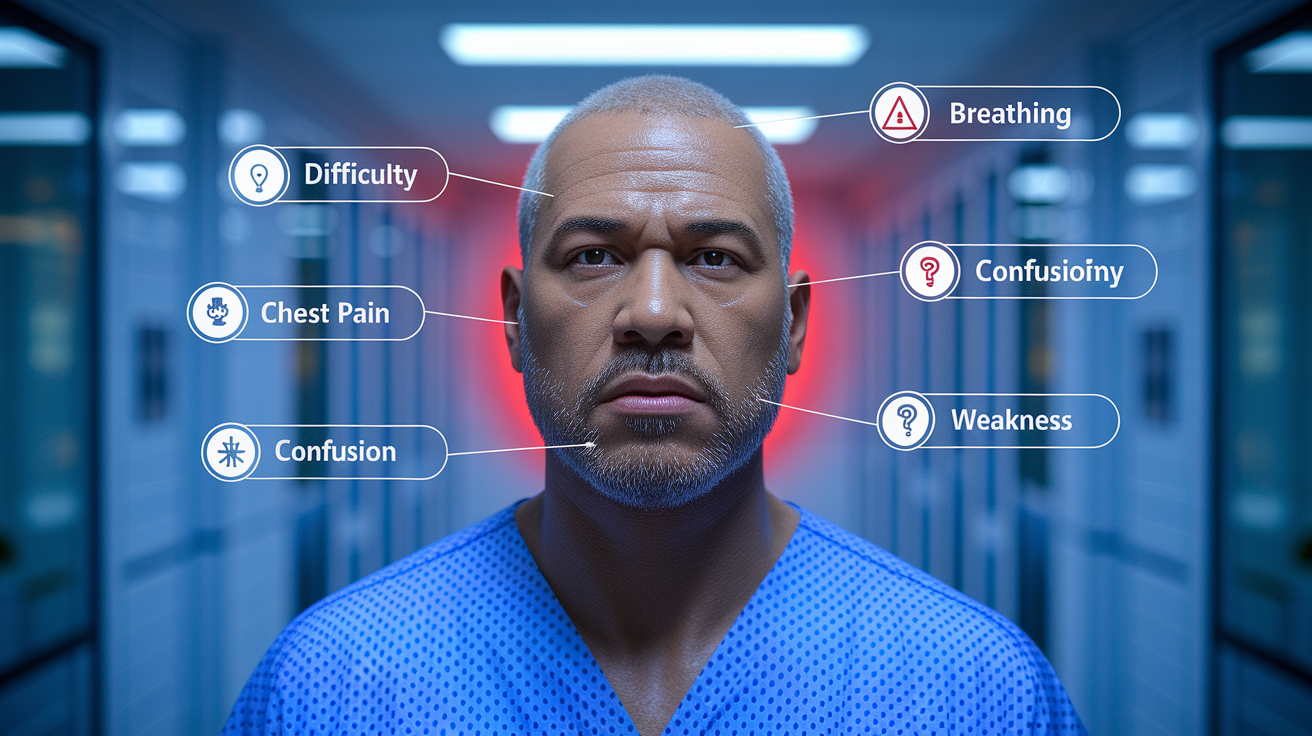
When an adult’s fever climbs to 103°F or higher and other symptoms show up, it often means the infection is widespread or affecting vital organs. Your body raises its temperature to fight infection, but really high fevers can stress your heart, lungs, and kidneys. Especially if you’re already managing a chronic condition or if you’re pregnant. Adults also tend to wait longer before seeking care, sometimes letting infections advance further than is safe.
Certain symptoms with fever point to specific serious problems. Painful urination or foul smelling urine suggests a urinary tract infection that may be spreading to the kidneys. Shortness of breath or chest pain can mean pneumonia or a blood clot in the lungs. Severe belly pain might mean appendicitis, gallbladder infection, or a gastrointestinal perforation. A stiff neck with fever and headache raises the possibility of meningitis. Confusion or difficulty staying alert suggests the infection is affecting your brain or that you’re severely dehydrated. When your body can’t keep fluids down, dehydration gets worse quickly, dropping your blood pressure and making it harder for your organs to function.
Adult red flags that require immediate hospital care:
- Fever ≥103°F with any severe symptom
- Painful, burning when you pee or cloudy, foul smelling urine
- Shortness of breath, rapid breathing, or chest pain
- Severe headache with stiff neck or sensitivity to light
- Severe belly pain, especially if it’s localized to one area
- Confusion, disorientation, or difficulty staying awake
- Can’t keep down fluids for more than a few hours
- New or worsening muscle pain that feels intense and won’t let up
When Fever Signals Risk for Those With Chronic or Autoimmune Conditions

If you have an autoimmune disease like lupus, rheumatoid arthritis, or inflammatory bowel disease, recurring fevers can be part of your condition’s normal pattern. But they can also signal a flare up or a new infection your suppressed immune system can’t handle well. Some of the medications used to manage autoimmune conditions, including certain biologics and immunosuppressants, make it harder for your body to fight infections. So even a moderate fever may need prompt medical attention. Chemotherapy, anti seizure drugs, some antibiotics, and heart medications can also cause drug induced fevers that look like infections but aren’t.
Call your doctor if you have a high fever along with dizziness, unusual fatigue that feels more extreme than your baseline, or vomiting. If you’re immunocompromised, whether from medication, an underlying condition, or recent treatment like chemotherapy, notify your healthcare provider as soon as you notice a fever. Even if it’s low grade. Your doctor may want to see you quickly or send you to the ER for blood work and precautionary treatment, because infections can move faster when your immune defenses are down.
Travel Related Fevers and When to Seek Emergency Care
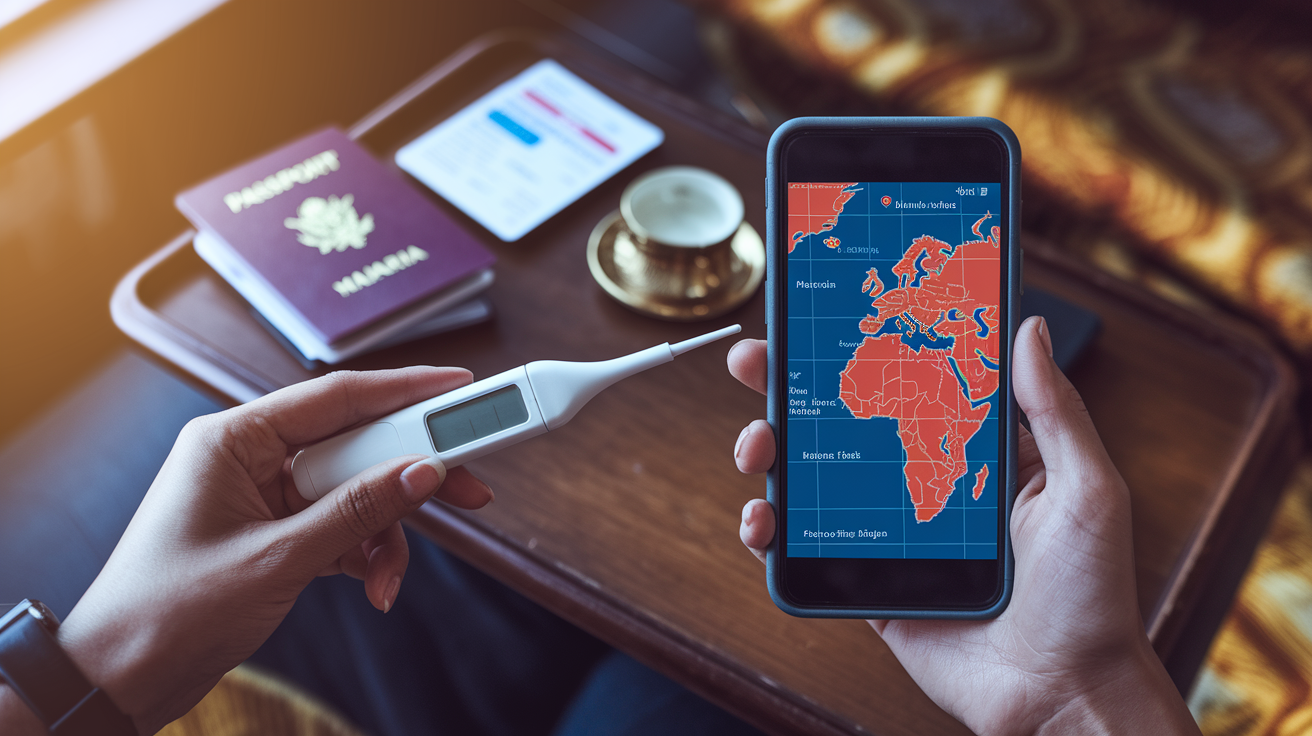
If you develop a fever within a few weeks of traveling internationally, especially to tropical or subtropical regions, get medical evaluation promptly. Malaria is a serious parasitic infection spread by mosquitoes in parts of the Caribbean, Central and South America, south central and Southeast Asia, and sub Saharan Africa. Symptoms can start days to weeks after you return home, and early treatment is critical. Other travel related infections like dengue fever, typhoid, or viral hemorrhagic fevers also show up with fever and can become life threatening without timely care.
When to seek care for fever after travel:
- Fever begins within four weeks of returning from a high risk region
- You were in an area where malaria, dengue, or other tropical diseases are common
- Fever comes with severe headache, body aches, or a rash
- You didn’t take antimalarial medication as prescribed, or you’re not sure if you were protected
Tell the ER or urgent care staff about your travel history right away. Where you went, when you returned, and whether you were bitten by insects or had contact with animals or untreated water. This information helps doctors order the right tests and start treatment quickly if a serious infection is found.
What to Expect at the Hospital for a Fever Evaluation

When you arrive at the emergency room with a fever, a triage nurse will check your temperature, pulse, blood pressure, and oxygen level, then ask about your symptoms and how long you’ve been sick. Based on that initial assessment, you’ll be moved to a treatment area. The ER team will likely run diagnostic tests to identify the infection’s source and severity. Blood work can show signs of bacterial or viral infection, a urinalysis checks for urinary tract infections, and a chest X ray looks for pneumonia.
Once the doctor reviews your test results, treatment begins. If your fever is very high, the team may use cooling blankets, ice packs, or a cool bath along with fever reducing medications like acetaminophen or ibuprofen. If you’re dehydrated or can’t keep fluids down, you’ll receive intravenous fluids. If tests show a bacterial infection, you’ll get antibiotics. Sometimes through an IV for faster effect. Depending on your condition, you may be observed in the ER for a few hours to see how you respond, or you may be admitted to the hospital for overnight monitoring and continued treatment.
| ER Step | What Happens |
|---|---|
| Triage and Vital Signs | Nurse checks your temperature, pulse, blood pressure, and oxygen saturation, and asks about symptoms, timing, and medical history. |
| Diagnostic Testing | Blood tests, urinalysis, and imaging (like chest X ray) are ordered to identify the infection’s source and severity. |
| Treatment and Observation | You receive fever reducers, IV fluids if dehydrated, and antibiotics or other medications based on test results. You may be observed for hours or admitted if needed. |
Home Care Steps Before Deciding to Go to the Hospital

For most low grade fevers, those between 100.4°F and 102.2°F, you can manage symptoms at home while your body fights the infection. Start by taking acetaminophen (Tylenol) or ibuprofen (Advil) as directed on the label or by your primary care provider. These medications reduce fever and ease aches, making you more comfortable while you rest. Most viral fevers clear up on their own within a few days, so home care focuses on staying hydrated, resting, and checking your temperature every few hours to watch for changes.
If your fever climbs toward 102°F to 103°F and you feel uncomfortable, it’s reasonable to start treating symptoms even if you’re not in the emergency zone yet. Keep a simple log. Write down the time, your temperature, what you took, and how you’re feeling. That way you can report clear details if you do need to call your doctor or go to the ER.
Safe home care methods to try first:
- Put a cool, damp cloth on your forehead, neck, or wrists for short term comfort.
- Take a lukewarm bath or shower. Not cold, which can cause shivering and raise your core temperature.
- Drink plenty of fluids like water, clear broth, or electrolyte drinks to prevent dehydration.
- Wear light, breathable clothing and keep your room comfortably cool.
- Rest as much as possible. Your body uses energy to fight infection, and sleep helps recovery.
- Take over the counter fever reducers as directed, and wait at least four to six hours between doses unless your doctor tells you otherwise.
Final Words
High fever with trouble breathing, a child who can’t be woken, severe pain, or signs of dehydration needs immediate care. Remember the key numbers: infants under 3 months 100.4°F, children 105°F, adults 103°F with severe symptoms.
We covered travel and chronic-condition risks, what to try at home (acetaminophen or ibuprofen, fluids, cool compresses), and what to expect at the ER.
If you’re unsure about when to go to hospital for fever, follow the thresholds and red flags and call or go now if they apply. You’re doing the right thing by paying attention.
FAQ
Q: When should a person go to the hospital for a fever?
A: You should go to the hospital for a fever when adults have temperatures of 103°F or higher with severe symptoms, infants under 3 months reach 100.4°F, children hit 105°F, or any obvious danger sign appears.
Q: Should I let a 102 fever run its course?
A: You can often let a 102°F fever run its course if you’re otherwise okay; use fluids, rest, and fever reducers for comfort, and seek care if red flags appear or it lasts beyond 48–72 hours.
Q: What happens if your fever is 104?
A: A 104°F fever raises risk of dehydration, severe discomfort, confusion, and in children possible febrile seizure; prompt cooling, antipyretics, and medical evaluation are advised if it’s persistent or accompanied by warning signs.