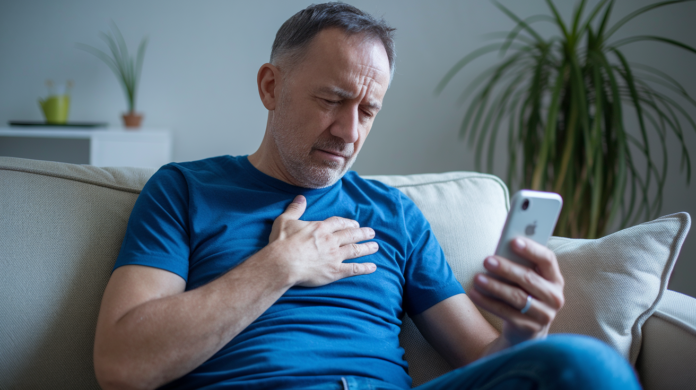

Is this chest pain an emergency, or something you can wait out?
More than eight million Americans visit the ER for chest pain every year, and some of those visits save lives.
Certain warning signs mean you should call 911 and get immediate care.
This guide lists the red flags that need ER evaluation, the simple steps you can take right away, and when to choose a lower-urgency visit.
If you feel dizzy, faint, very short of breath, or have crushing pressure, call 911 now.
Immediate Chest Pain Warning Signs That Require Emergency Care
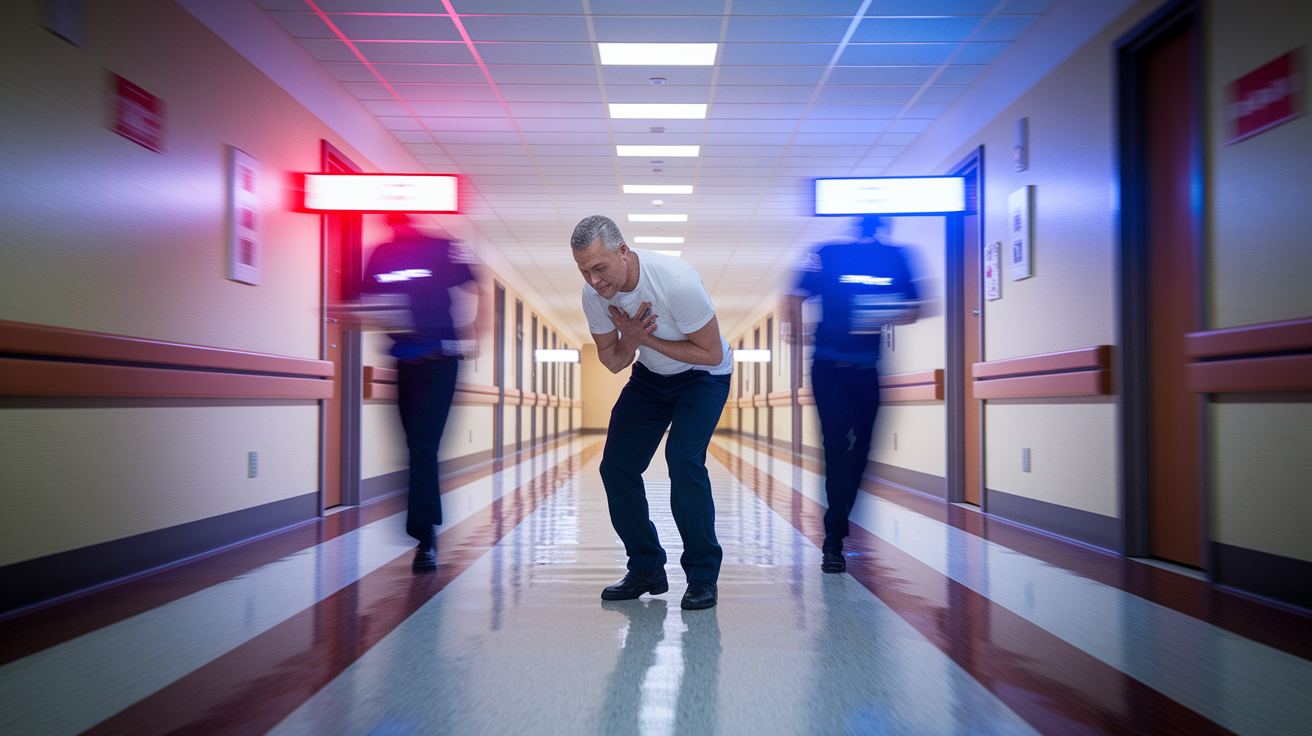
More than eight million Americans head to the ER every year for chest pain. It’s the second most common reason people seek urgent help. If you or someone near you has chest pain that lasts longer than five minutes, feels like heavy pressure, or comes with any warning symptoms, call 911 right now. Don’t drive yourself. Emergency services can start treatment on the way and get you to the nearest equipped facility.
The most dangerous chest pain doesn’t show up with a convenient announcement. It can start suddenly or build gradually, but certain signs mean you’re facing a potential medical emergency and you should never wait to “see if it gets better.” Many people describe serious cardiac pain as a crushing or squeezing sensation under the breastbone, often spreading to the jaw, left arm, or back. This pain doesn’t always feel sharp. It can be dull, aching, or feel like someone’s sitting on your chest.
Here are the critical warning signs that require emergency care right now:
Crushing, squeezing, tightness, or heavy pressure in your chest, especially if it lasts more than five minutes or comes and goes
Pain that radiates or spreads to your jaw, neck, left arm, shoulder, or upper back
Severe shortness of breath that comes on suddenly, especially if you’ve been sitting or lying still
Profuse sweating (cold sweats) along with chest discomfort, or skin that looks ashen or gray
Nausea, vomiting, or lightheadedness occurring with chest pain
Very rapid heartbeat or very rapid breathing that feels abnormal and won’t slow down
Very low blood pressure or very low heart rate (if you’re able to check)
Sudden fainting or collapse with chest symptoms
If you’re uncertain whether your symptoms qualify, err on the side of caution and call 911. Emergency dispatchers can help assess the situation over the phone while sending help. You’re not wasting anyone’s time. Chest pain is always taken seriously, and false alarms are far better than delayed care when it counts.
Understanding Chest Pain Types and Why They Matter in Emergency Decisions
Chest pain isn’t one thing. It can feel dull, sharp, burning, aching, or crushing, and it can show up anywhere from your neck down to your upper abdomen. The way it feels and where it appears can offer clues about what’s happening inside your body, but those clues should never be used to talk yourself out of getting help. Heart attacks, blood clots, aortic tears, and lung emergencies can all present with different types of pain. Trying to self-diagnose based on sensation alone is risky.
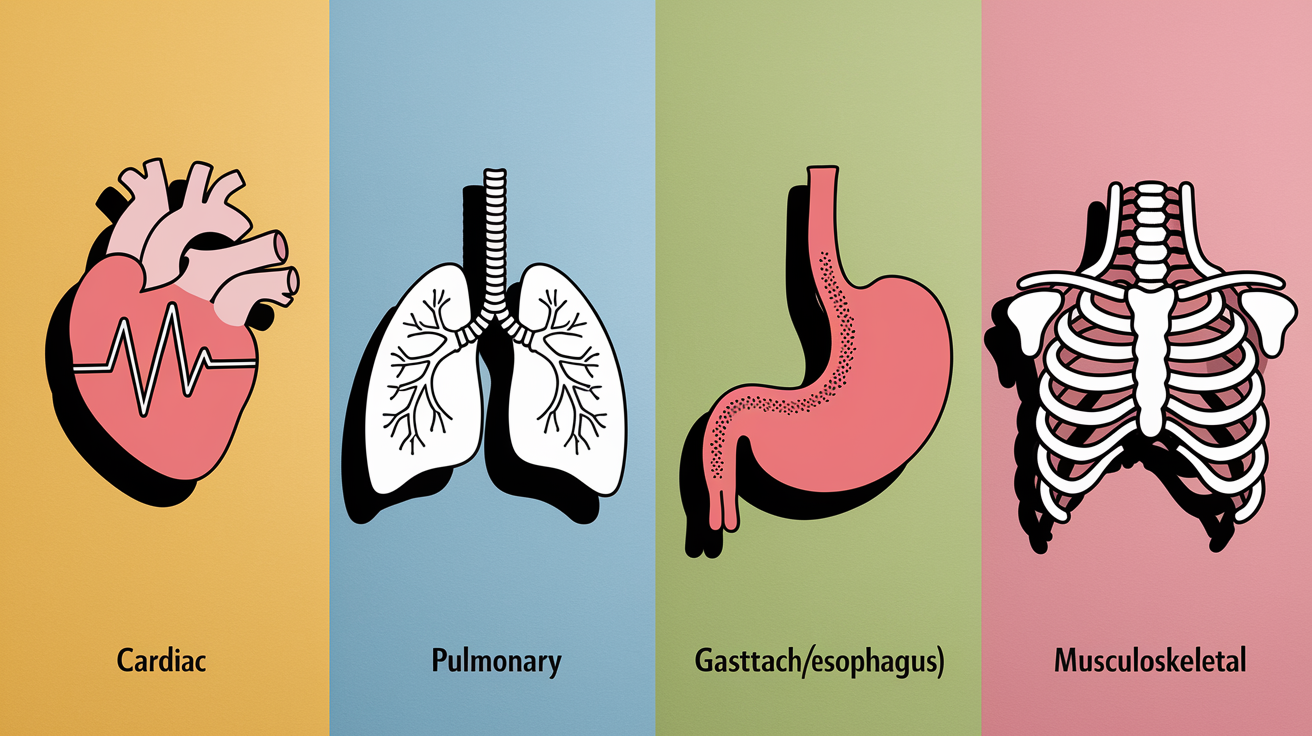
Medical professionals divide chest pain into a few broad categories, each pointing to different body systems. Understanding these categories helps explain why chest pain gets such urgent attention and why so many tests are used to sort it out:
Cardiac (heart related): includes heart attack, angina, pericarditis, and aortic dissection
Pulmonary (lung related): includes pulmonary embolism, pneumonia, collapsed lung, and pleurisy
Gastrointestinal: includes acid reflux, esophageal spasm, gallbladder inflammation, and peptic ulcers
Musculoskeletal: includes rib injury, muscle strain, and costochondritis (inflamed rib cartilage)
The reason all of this matters in an emergency decision is simple. Some of these conditions are immediately life threatening, some need urgent care within hours, and some are uncomfortable but not dangerous. The problem? Serious and benign causes can feel identical at first. A pulmonary embolism can feel like a pulled muscle. A heart attack can feel like indigestion. Even experienced clinicians rely on tests, not guesswork, to tell the difference. So you shouldn’t be expected to figure it out at home. When in doubt, get evaluated.
Non-Emergency Chest Pain Patterns and When They May Not Require the ER
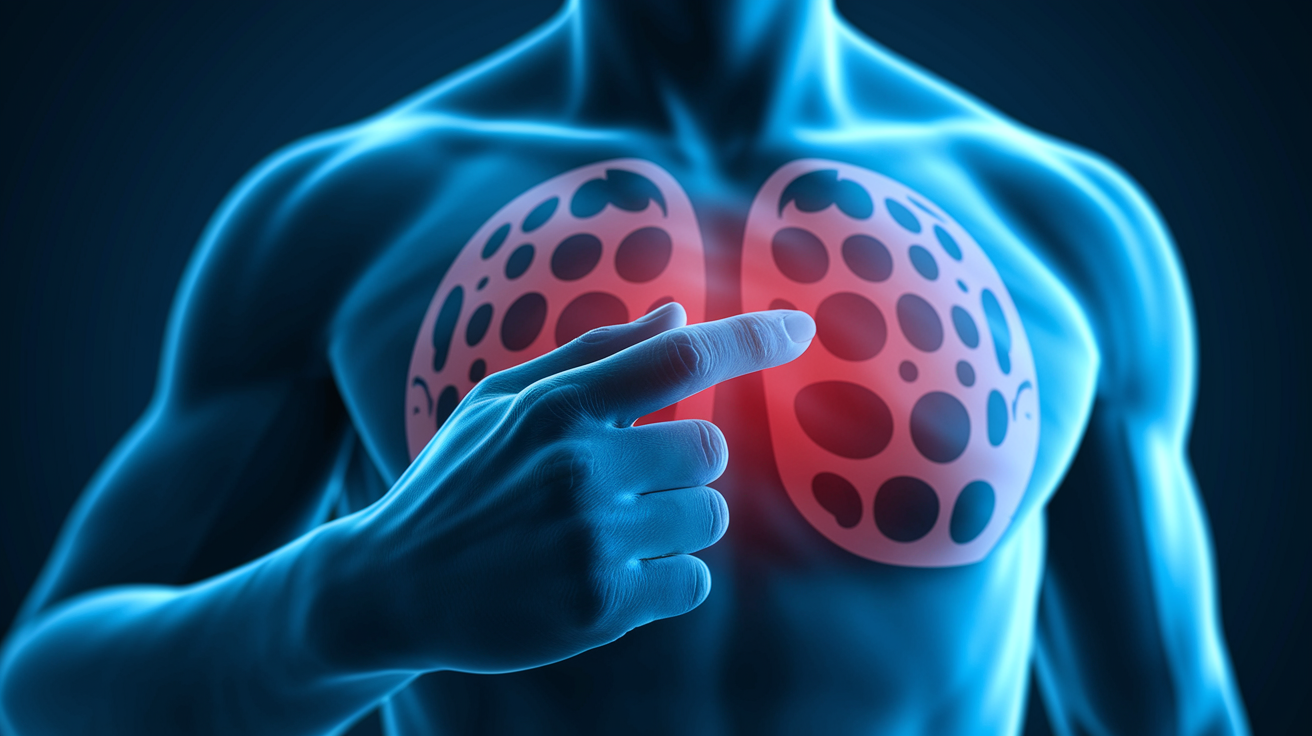
Not all chest pain is a heart attack. Some patterns are much less likely to be dangerous, though they can still feel alarming and deserve follow-up care. If your pain is sharp, fleeting, and pinpoint specific (like you can press one finger on the exact spot that hurts), that’s more consistent with a musculoskeletal or surface problem. Pain that gets worse when you twist your torso, take a deep breath, or press on your ribs usually points to inflammation in the chest wall or rib cartilage, not your heart.
Gastroesophageal reflux (GERD) is one of the most common mimics of cardiac pain. It can cause burning or pressure behind your breastbone, especially after eating, and may get better with antacids. Esophageal spasm can create sudden, intense squeezing pain that’s often mistaken for angina. Anxiety and panic attacks can trigger chest tightness, rapid breathing, and a pounding heart that feels terrifyingly real. All of these are legitimate medical issues, but they don’t always require an emergency room visit if the pattern is familiar and your symptoms are mild and stable.
Here are a few patterns that suggest lower immediate risk:
Pain that you can reproduce by pressing on a specific rib or muscle
Sharp, stabbing pain that lasts only a few seconds and then disappears
Discomfort that clearly worsens with movement, coughing, or deep breathing
Burning pain after meals that improves with antacids or sitting upright
Chest tightness during a known anxiety episode, with rapid breathing and tingling hands
Even so, these distinctions aren’t foolproof. If you have risk factors for heart disease (diabetes, high blood pressure, high cholesterol, smoking history, or a family history of early heart attacks), you should treat any new or unusual chest pain as urgent. When symptoms are unfamiliar, severe, or persistent, don’t try to diagnose yourself. It’s safer to be evaluated and reassured than to dismiss something serious.
High-Risk Groups Who Should Go to the ER for Even Mild Chest Pain

Some people can’t afford to wait and see. If you fall into a high-risk category, even mild or atypical chest discomfort should prompt an immediate trip to the emergency department. Heart attacks don’t always announce themselves with Hollywood-style crushing pain. In older adults, women, and people with diabetes, symptoms can be vague. Fatigue, nausea, jaw discomfort, or just a sense that something’s off. These “silent” or atypical presentations are just as dangerous, and delays in care lead to worse outcomes.
Your personal health history changes the math. If you’ve had a prior heart attack, angioplasty, stent placement, or coronary bypass surgery, any new chest pain should be considered a cardiac emergency until proven otherwise. The same goes if you have poorly controlled diabetes, which can blunt your body’s pain signals and make heart damage harder to feel. Smoking, high cholesterol, and high blood pressure all raise the stakes, because they accelerate the narrowing and hardening of your coronary arteries.
You should treat any chest pain as urgent if you:
Have diabetes, high blood pressure, high cholesterol, or a history of smoking
Have had a prior heart attack, angioplasty, stent, or bypass surgery
Have a strong family history of early heart disease (parent or sibling with heart attack before age 55 in men, 65 in women)
Are over 65 years old, especially if you have multiple chronic conditions
If any of these apply, don’t wait for your symptoms to get worse or more “classic.” Go to the ER or call 911, even if your pain is mild, brief, or feels like it might be something else. Time-sensitive cardiac care works best when it starts early, and the cost of being wrong is too high.
What to Expect in the ER for Chest Pain Evaluation
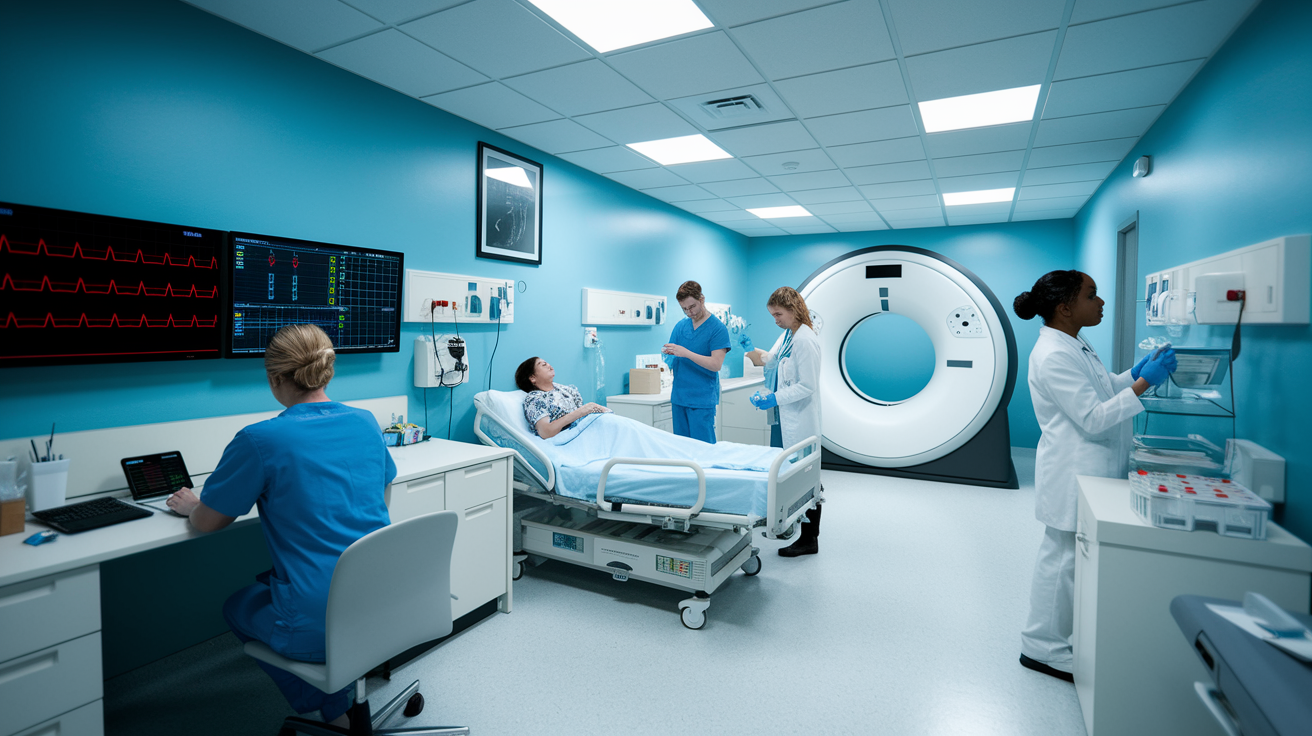
When you arrive at the emergency department with chest pain, you’ll be triaged quickly. Triage means a nurse or clinician assesses how urgent your condition is, and chest pain almost always moves you toward the front of the line. ER wait time is measured from the moment you check in until you’re greeted by a qualified medical professional (a physician, physician assistant, or advanced registered nurse practitioner). Most facilities track this as a four-hour rolling average, updated every thirty minutes, with the national average around one hour. But if your symptoms suggest a heart attack or another life threatening cause, you’ll be taken back immediately.
Once you’re in a treatment area, expect a rapid series of tests. An electrocardiogram (ECG or EKG) will be done within minutes. It’s a quick, painless test that records your heart’s electrical activity and can detect a heart attack in progress or dangerous rhythms. Blood will be drawn to measure troponin, a protein released when heart muscle is damaged. Troponin levels rise over several hours, so you may have multiple samples taken to track any change. You’ll also have your vital signs monitored continuously: oxygen saturation, heart rate, blood pressure, and respiratory rate.
Additional imaging depends on what the initial tests show and what the clinical picture suggests. A chest X-ray is common and helps rule out lung problems, rib fractures, or fluid around the heart. If the team suspects a pulmonary embolism or aortic dissection, a CT scan with contrast dye will be ordered. An echocardiogram (an ultrasound of your heart) can show how well your heart’s pumping and whether there’s fluid, valve trouble, or structural damage. For patients with clear signs of a heart attack, the goal is “door-to-balloon time” under ninety minutes, meaning from your arrival to having a blocked artery opened with angioplasty and a stent.
| Test/Procedure | Purpose |
|---|---|
| ECG (Electrocardiogram) | Detects heart attack, dangerous rhythms, and electrical abnormalities within minutes |
| Troponin Blood Test | Measures cardiac enzymes released when heart muscle is injured; levels rise over hours |
| Chest X-ray | Assesses lungs, ribs, heart size, and checks for fluid or air in the chest cavity |
| CT Scan | Used to evaluate for pulmonary embolism, aortic dissection, or other structural emergencies |
| Echocardiogram | Ultrasound of the heart to assess pumping function, valve problems, and fluid around the heart |
Emergency departments are set up to handle chest pain fast and thoroughly. The process can feel overwhelming, especially if you’re scared, but every test serves a purpose: ruling out the most dangerous causes first, then working down the list. You’ll be asked the same questions multiple times by different people. When the pain started, what it feels like, where it spreads, what makes it better or worse, and whether you’ve had similar episodes before. This repetition isn’t inefficiency. It’s safety. The team is cross-checking details to make sure nothing’s missed.
When Urgent Care or Telehealth May Be Appropriate Instead of the ER

Urgent care centers and telehealth visits can handle many health problems quickly and at lower cost than an emergency room, but chest pain is tricky. In general, if your chest pain is new, unexplained, or comes with any of the red flags we’ve discussed, the ER is the right choice. Urgent care clinics typically don’t have the equipment or staffing to run rapid cardiac workups. No on-site ECG interpretation by a cardiologist, no troponin lab with stat results, no CT scanner, and no cath lab if you need one. They’re designed for problems like sprains, minor infections, rashes, and sore throats, not potential heart attacks.
That said, there are a few situations where urgent care or a telehealth visit may be reasonable. If you’ve had the exact same chest pain before, it’s been fully evaluated by a cardiologist, and you know it’s related to a chronic condition like GERD or costochondritis, a quick check-in with a clinician may be enough to confirm nothing’s changed. Similarly, if your pain is clearly linked to a recent injury (like you fell and bruised your ribs, and now it hurts to breathe), urgent care can assess for fractures and provide pain management.
Scenarios that may be appropriate for urgent care or telehealth instead of the ER:
Known, stable, previously evaluated chest-wall pain or GERD with no new or worsening symptoms
Recent minor trauma (like a fall or direct blow to the chest) causing localized, reproducible rib or muscle pain
Mild respiratory infection with chest tightness from coughing, in a low-risk person with no cardiac history
Even in these cases, be honest with the provider about your symptoms and risk factors. If they have any concern, they’ll send you to the ER. And if you’re unsure, skip the middleman. Go directly to the emergency department. Urgent care and telehealth are useful tools, but they’re not substitutes for emergency cardiac evaluation when the stakes are high.
What To Do Before Help Arrives During a Chest Pain Episode
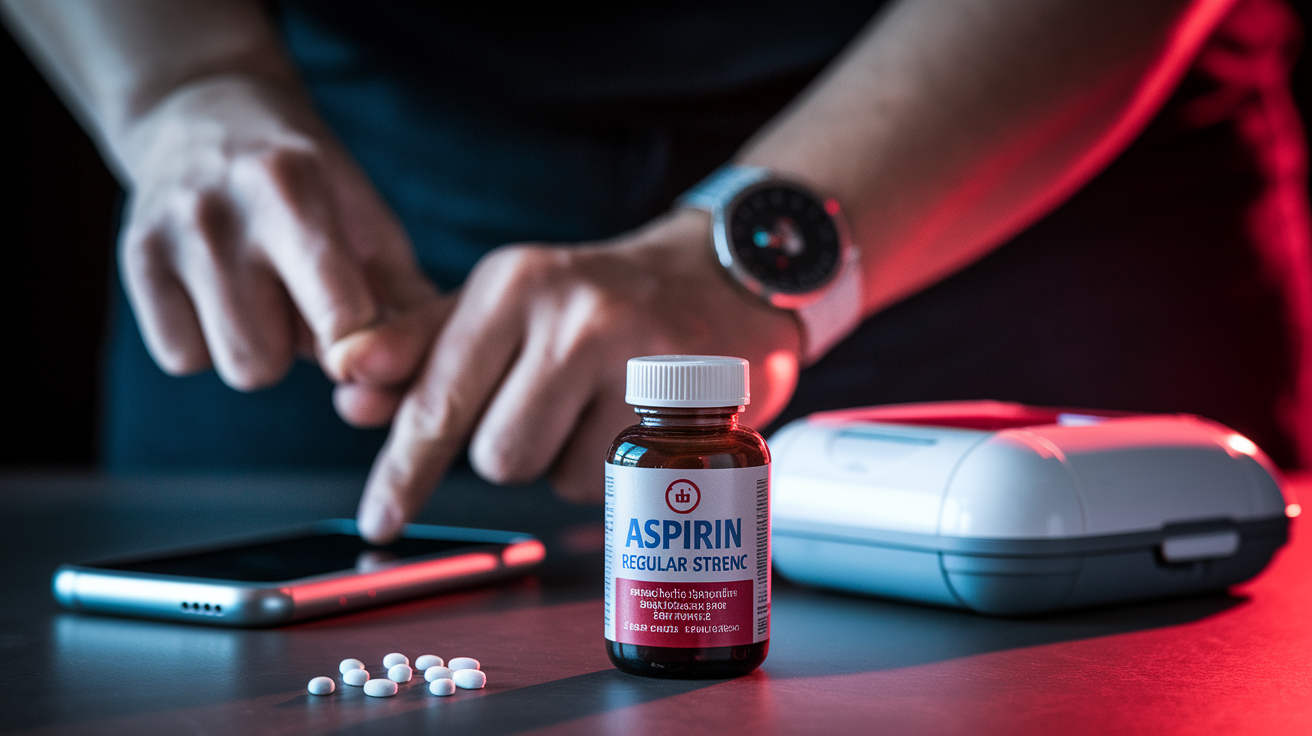
If you or someone with you is having chest pain that feels serious, every minute counts. The first step is always to call 911. Don’t wait to see if it gets better, and don’t have someone drive you unless calling an ambulance is truly impossible. Emergency medical services (EMS) can start treatment in the ambulance (oxygen, medications, heart monitoring) and they’ll radio ahead so the ER is ready when you arrive. That head start can be lifesaving.
While you’re on the phone with the dispatcher, stay as calm as you can and answer their questions. They’ll ask where you are, what the symptoms are, how long they’ve been happening, and whether the person is conscious and breathing. If you have known heart disease or risk factors, mention that. If you’ve taken any medications (especially nitroglycerin or aspirin), tell them. The dispatcher may instruct you to chew one regular-strength aspirin (325 mg) if you’re not allergic and there’s no bleeding risk. Chewing it, rather than swallowing it whole, gets it into your bloodstream faster and can help reduce clot formation during a heart attack.
Here’s what to do step by step while waiting for help:
Call 911 immediately. Don’t delay, don’t “wait and see,” and don’t drive yourself.
Sit or lie down in a comfortable position. Avoid physical exertion, stay still and try to stay calm.
Tell the dispatcher your location, symptoms, and any known heart problems. They may give you instructions over the phone.
Chew one regular-strength aspirin (325 mg) if advised by the dispatcher and you’re not allergic or on blood thinners.
If the person becomes unconscious and stops breathing normally, start CPR. Push hard and fast in the center of the chest, about 100 to 120 compressions per minute.
Use an AED (automated external defibrillator) if one is available. Turn it on and follow the voice prompts. It will analyze the heart rhythm and shock if needed.
If you’re alone and start to feel faint, unlock your front door before you sit down so paramedics can get in. If you’re with someone, have them stay with you and keep you talking. Don’t eat, drink, or take any medications other than aspirin unless instructed by a dispatcher or doctor. If symptoms suddenly worsen or the person collapses, start CPR immediately and don’t stop until help arrives or an AED tells you to stop. Bystander CPR and early defibrillation are the most important factors in surviving sudden cardiac arrest outside a hospital.
After the ER: Follow-Up, Prevention, and Understanding Your Results

If your ER evaluation rules out a heart attack or other emergency, you’re not done. You’ll be given discharge instructions that explain what was found (or not found), what to watch for, and when to follow up. Even if your tests were normal, chest pain that sent you to the ER is a wake-up call. Many people get referred for outpatient cardiology follow-up and additional testing (such as a stress test, echocardiogram, or CT angiography) to check for underlying coronary artery disease or other conditions that might not show up in an acute ER workup.
Take those follow-up appointments seriously. Coronary disease often progresses silently, and catching it early means you can start medications, make lifestyle changes, or even have a preventive procedure before a full-blown heart attack happens. If you were diagnosed with angina, high blood pressure, high cholesterol, or diabetes in the ER, you’ll need ongoing management. Ask your primary care doctor or cardiologist to help you understand your test results, your risk level, and what steps you should take next.
Prevention is the other half of the equation. The same risk factors that brought you to the ER once can bring you back again if nothing changes. Here’s what makes a real difference:
Control your blood pressure and cholesterol with medication and diet if needed. Target levels matter more than “feeling fine.”
Stop smoking and limit alcohol. Both directly damage your heart and blood vessels.
Get regular physical activity. Aim for at least 150 minutes of moderate exercise per week, if your doctor says it’s safe.
Manage stress and prioritize sleep. Chronic stress and poor sleep raise your risk of heart disease and make other risk factors worse.
Finally, know when to go back to the ER. If chest pain returns and feels the same or worse, if you develop new shortness of breath or swelling in your legs, or if you have another episode of the warning signs we’ve discussed, don’t hesitate. Repeat visits aren’t a sign of weakness or overreaction. They’re how we catch problems before they become tragedies. Keep a list of your medications, your diagnoses, and any test results in your phone or wallet so you can share accurate information quickly. Your heart is worth the effort, and knowing when to act can save your life.
Final Words
If your chest pain is sudden, crushing, or comes with trouble breathing, call 911 or get to the ER now. Time matters.
This post covered the urgent warning signs, the main causes (heart, lung, stomach, or muscle), common non‑emergency patterns, who’s higher risk, what to expect in the ER, and helpful steps to take while you wait.
Keep track of timing, severity, and other symptoms. Use this guide to help decide when to go to er for chest pain, and remember that getting checked is the safest choice.
FAQ
Q: How to tell if your chest pains are serious?
A: Chest pains are serious when they include any warning signs: pressure or crushing under the breastbone lasting more than five minutes, shortness of breath, pain radiating to the left arm/jaw/back, sudden sweating, fainting, nausea, or collapse. Call 911.
Q: What are 6 common non-cardiac causes of chest pain?
A: Six common non-cardiac causes of chest pain are acid reflux or esophageal spasm, costochondritis or muscle strain, anxiety or panic attacks, and lung problems such as pneumonia or pleurisy.