

Is your stomach pain something you can sleep off, or a reason to head to the ER right now?
Not every belly ache needs emergency care, but some types require immediate treatment.
This guide shows the clear warning signs: sudden severe pain, a hard or swollen belly, blood in vomit or stool, high fever with pain, fainting, or trouble breathing.
You’ll learn what to do now, what to track, and when to call 911 so you don’t wait when time matters.
Critical Warning Signs That Require Immediate ER Evaluation
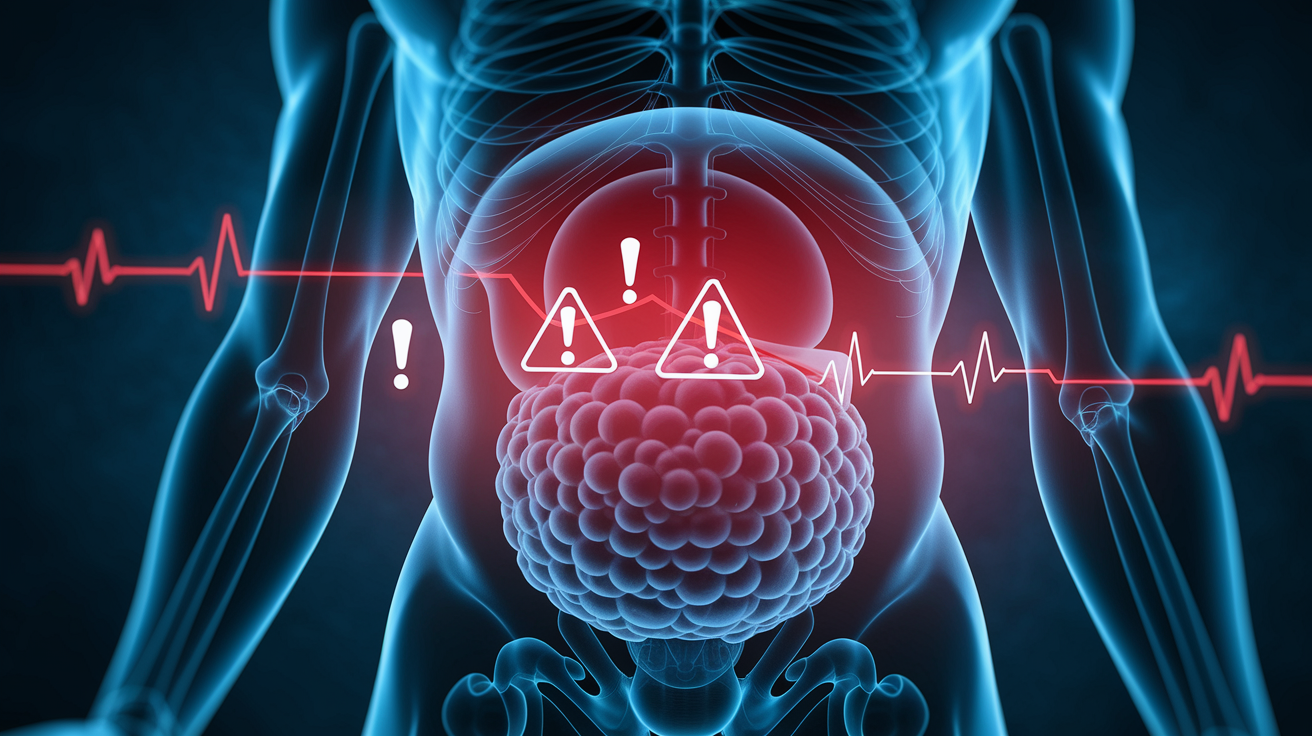
Not every stomach ache needs emergency care. But certain red flag symptoms signal that something serious might be happening inside your abdomen. Recognizing these warning signs quickly can make the difference between catching a problem early and facing complications that put your health at serious risk.
The red flags below are patterns clinicians use to identify urgent conditions like internal bleeding, infection spreading into the bloodstream, organ rupture, or blocked blood flow to the intestines. If you notice any of these alongside abdominal pain, head to the ER right away.
Emergency symptoms that require immediate ER evaluation:
Severe, sudden abdominal pain that comes on without warning or pain that keeps getting worse over minutes to hours. An abdomen that feels hard, rigid, or tender when you press on it, almost board like under your hand. Vomiting blood, either bright red or dark like coffee grounds, or coughing up blood. Black, tarry stool or bright red blood in your bowel movements.
High fever (over 101°F or 38.3°C) combined with abdominal pain. Chest pain, pressure, or trouble breathing happening at the same time as stomach pain. Feeling faint, dizzy, lightheaded, or actually passing out.
Inability to pass stool or gas for more than a day, especially if your belly is swelling. Pain that starts near your belly button and shifts to your lower right side. Recent abdominal injury from a car crash, fall, or blow to the stomach. If you’re pregnant or think you might be pregnant and have new or severe abdominal pain.
These symptoms suggest conditions that can worsen rapidly without treatment. Things like a ruptured appendix, perforated ulcer, internal bleeding, blocked intestine, or ectopic pregnancy. Don’t wait to see if they improve on their own. Even if you’re not certain, it’s safer to let an emergency team rule out something dangerous than to gamble with a delay.
How to Tell If Your Abdominal Pain Is an Emergency or Non‑Emergency

Knowing whether your stomach pain is urgent or something you can monitor at home comes down to a few key questions. How fast did it start? How bad is it? Is it changing? And what else is happening with your body?
Emergency abdominal pain usually announces itself. It often strikes suddenly. You’re fine one moment, doubled over the next. Or it builds quickly over a few hours and doesn’t let up. Pain that starts in one spot and then moves, like pain that begins around your navel and migrates to your lower right abdomen, is a classic red flag for appendicitis. Similarly, pain that spreads to your back, shoulder, or chest can point to problems with organs like your pancreas, gallbladder, or even your heart. If your pain is a 9 or 10 out of 10, or if you can’t find any position that brings relief, treat it as urgent even if nothing else seems obviously wrong.
Non‑emergency pain tends to be milder, come and go, or improve with rest, position changes, or over the counter remedies. Gas pains, indigestion after a heavy meal, mild food poisoning, bloating from constipation, or menstrual cramps usually feel uncomfortable but manageable. You can talk through them, move around, and they often ease up within hours or a day or two. There’s no fever, no blood, no dizziness, and your belly stays soft.
Here’s the clearest way to separate the two. If your pain is accompanied by any of the red flags listed above, bleeding, vomiting, fever, fainting, rigid abdomen, inability to pass stool or gas, or severe sudden onset, it’s an emergency. If it’s mild, intermittent, and you can still function without those warning signs, you can try home care or schedule an appointment with your primary care provider or urgent care.
When to Call 911 Instead of Going Directly to the ER

Some situations are so urgent that you shouldn’t try to drive yourself or wait for someone to take you to the hospital. Call 911 if your symptoms suggest your body is in immediate danger or if you physically can’t get to a car safely.
Emergency medical services can start treatment the moment they arrive. Giving IV fluids, oxygen, or medications to stabilize you on the way to the hospital. Paramedics can also alert the ER team before you arrive so the staff is ready to evaluate and treat you the second you roll through the door. That head start can be critical.
Call 911 for abdominal pain if:
You have chest pain or pressure along with abdominal discomfort. Possible heart attack, especially if you’re over 45 or have heart disease risk factors. You faint, feel like you’re about to pass out, or can’t stand without getting dizzy. You’re vomiting large amounts of blood or bright red blood.
You’re bleeding heavily from your rectum and can’t stop it. You’re confused, disoriented, or having trouble staying awake. Your abdomen is rapidly swelling or hardening and the pain is becoming unbearable.
You’re pregnant and experiencing severe abdominal or pelvic pain with shoulder pain, dizziness, or vaginal bleeding. Concern for ruptured ectopic pregnancy.
If you’re unsure whether to call 911, err on the side of calling. Dispatchers are trained to assess severity over the phone and can guide you on what to do next. It’s always safer to let professionals make the transport decision when your symptoms feel life threatening.
Common Non‑Emergency Causes of Abdominal Pain

Most abdominal pain isn’t an emergency. The majority of stomach aches come from everyday issues that resolve on their own or with simple home care. These causes are uncomfortable but not dangerous, and they usually don’t come with red flag symptoms like high fever, blood, or fainting. Recognizing these patterns can help you decide when it’s safe to rest, hydrate, and wait it out rather than rush to the ER in the middle of the night.
Frequent non‑emergency causes of abdominal pain:
Indigestion or heartburn. Burning discomfort in the upper belly or chest, often after eating rich, spicy, or fatty foods. Usually improves with antacids or time.
Gas and bloating. Cramping or pressure that moves around, often relieved by passing gas or having a bowel movement.
Constipation. Lower abdominal cramping, fullness, or pressure when you haven’t had a bowel movement in several days.
Mild stomach virus (gastroenteritis). Cramping, diarrhea, nausea, sometimes low grade fever. Typically clears up within 24 to 48 hours with rest and fluids.
Menstrual cramps. Rhythmic lower abdominal pain that coincides with your period. May include lower back discomfort.
These conditions tend to improve within a day or two. You might feel worse for a few hours, especially with a stomach bug or after eating something that didn’t agree with you, but you should notice gradual relief as time passes. If pain persists beyond two or three days, starts getting worse instead of better, or new symptoms like fever or vomiting develop, check in with your primary care provider or an urgent care center. The key difference is trajectory. Non‑emergencies plateau and fade. Emergencies escalate.
What to Do Before Heading to the ER

If you’ve decided your symptoms require emergency evaluation, a few quick steps before you leave can help the ER team assess you faster and more accurately. That said, don’t let preparation delay you if symptoms are severe. Your safety comes first.
Checklist before heading to the ER:
Write down when your pain started and how it has changed. Note the time it began, whether it’s constant or comes in waves, and if it has moved to a different area.
List all medications and supplements you take. Including over the counter meds, vitamins, and anything you took today for the pain like ibuprofen or antacids.
Note what makes the pain better or worse. Does eating, lying down, or moving around change it?
Avoid eating or drinking anything. If you need surgery or certain scans, having an empty stomach is safer. If you’re very thirsty, small sips of water are usually okay, but ask the triage nurse as soon as you arrive.
Bring your insurance card, ID, and a phone charger. You may be there for several hours while tests are completed.
If you’re in severe pain, struggling to breathe, or feeling faint, skip the checklist and get help immediately. A friend or family member can gather this information and bring it to you. The ER can still treat you without a detailed history. Saving time matters more than perfect documentation when red flags are present.
Alternatives for Non‑Urgent Abdominal Pain

When your abdominal pain is mild, not worsening, and free of red flag symptoms, the ER isn’t always the right choice. Emergency departments prioritize life threatening cases, so you may wait hours for evaluation of non‑urgent issues. Other care settings can often help you faster and at lower cost.
Urgent care centers are a good middle ground for same day evaluation of moderate symptoms. Things like suspected urinary tract infections, mild dehydration from vomiting, or persistent stomach pain that isn’t severe but won’t go away. Many urgent care clinics can run basic lab tests, perform urine analysis, and do limited imaging like X‑rays. They typically operate from around 7:00 a.m. to 8:00 p.m., so they’re an option during daytime and evening hours. Telehealth is another increasingly useful tool. A video or phone visit with a clinician can help you determine whether your symptoms need in‑person evaluation or if they’re safe to manage at home with guidance.
For truly mild issues, like occasional heartburn, bloating from a big meal, or cramping from constipation, home care is often enough. Drink plenty of water, rest, avoid heavy or irritating foods for a day, and consider gentle remedies like a heating pad on your belly or over the counter antacids (if heartburn) or stool softeners (if constipation). Track your symptoms over the next 12 to 24 hours. If they improve steadily, you’re likely dealing with something benign. If they plateau or worsen, or if any red flags appear, step up to urgent care or the ER.
Final Words
If sharp, sudden, or worsening belly pain comes with fever, bleeding, or trouble breathing, act now. Those are the red flags that need an ER check.
Use the quick checks here: note when it started, how bad it is, any vomiting or bloody stool, and whether you can walk or sit up. Call 911 for fainting, chest pain, or signs of shock.
If you still wonder “when should you go to the emergency room for abdominal pain,” err on the side of safety and get evaluated. You’re doing the right thing by paying attention.
FAQ
Q: How long should you have abdominal pain before going to the ER?
A: You should go to the ER right away if abdominal pain is sudden, severe, or worsening. If pain is persistent without red flags, seek evaluation within 24 hours or sooner if symptoms increase.
Q: How do I tell if my abdominal pain is serious? / What is a red flag for abdominal pain?
A: You can tell abdominal pain is serious when it shows red flags such as sudden intense pain, fever, vomiting blood or bloody stool, a hard or rigid belly, fainting, or inability to pass stool or gas.
Q: What will the ER do for severe abdominal pain?
A: The ER will evaluate you with vital signs, blood and urine tests, IV fluids and pain control, imaging (ultrasound or CT), and surgical or specialty consults if needed to diagnose and treat the cause.