

Is your back pain just a bad strain, or a sign you need a doctor right now?
Most people improve with simple home care, but some warning signs don’t wait.
This quick guide shows the red flags to watch for, safe things to try at home, when to call your primary care, and when to seek emergency care.
You’ll learn what to track, when it started, what makes it worse, whether you have fever, numbness, or trouble with your legs or bladder, so you can get the right help at the right time.
Identifying the Key Signs Your Back Pain Needs Medical Attention

More than eight in ten adults will deal with back pain at some point, and most of it gets better with basic care at home. The tricky part? Knowing when you can wait and when you need to act fast.
Some warning signs don’t wait. If you’re running a fever with back pain, you suddenly can’t control your bowel or bladder, your legs feel weak out of nowhere, or you’ve just been in a serious accident or bad fall, get to the ER. Don’t delay.
For everything else, time tells the story. Most mild back pain starts improving within two or three days when you use ice, take something over the counter, and keep moving gently. If your pain hasn’t started easing up after three days, or if it’s still hanging around after two weeks, especially when it’s messing with work, sleep, or just getting through the day, call your primary care doctor. When pain sticks around for about six weeks, you’re crossing into chronic territory. That’s when you need a proper workup to figure out what’s going on and stop it from getting worse.
The line between “give it time” and “call today” usually comes down to how the pain acts and what else shows up with it. Sharp pain shooting down one or both legs, new numbness or tingling, weight loss you can’t explain, or pain that wakes you up at night? Those point to something more than a pulled muscle and deserve attention now.
Understanding Common Causes of Back Pain and When They Become Concerning
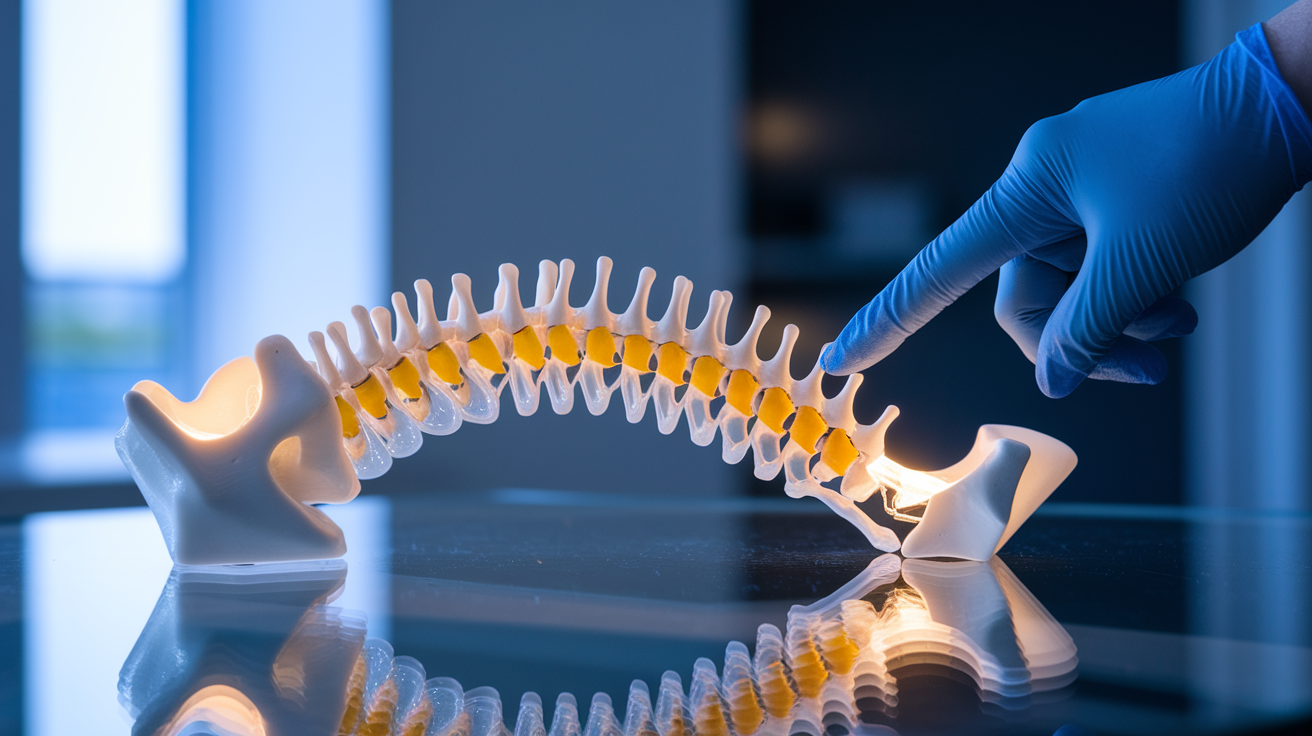
Most back pain starts with mechanical stuff. Muscle strains from lifting wrong, herniated discs pressing on nerves, arthritis narrowing the spaces in your spine, or tiny fractures from weak bones. These usually show up as pain in one spot that might shoot down a leg if a nerve gets involved. Muscle strains often settle down fast with rest and ice. Disc problems or spinal stenosis (when the spinal canal gets too narrow) can cause sciatica, that burning or shooting pain that follows a specific path into your leg. Structural issues like spondylolisthesis, where one bone in your spine slips forward over another, cause persistent lower back pain that gets worse when you stand or walk.
Sometimes back pain is actually a signal from somewhere else in your body. Kidney stones produce intense flank or back pain, often with nausea and blood in your urine. Infections like a kidney infection or an abscess in your spine bring fever and make you feel sick all over. Tumors are rare, but they cause relentless pain that doesn’t respond to normal treatments and may get worse at night. Gynecologic conditions like endometriosis can refer pain to the lower back, especially during your period. Pregnancy commonly triggers back pain because of weight shifts and hormonal changes that loosen ligaments.
Any of these becomes concerning when symptoms don’t follow the usual pattern of getting better, when red flags pop up, or when pain seriously limits what you can do. Mechanical pain that goes away in a few days rarely needs imaging. Persistent or worsening pain, especially with fever, weight loss, or neurological changes, needs medical evaluation to rule out the serious stuff.
At-Home Back Pain Care: What to Try Before Seeing a Doctor

When back pain first hits and you don’t have any red flags, safe self-care often clears it up within a few days. The goal is to calm inflammation, keep moving gently, and avoid things that drag out recovery. Start with over-the-counter pain relief and simple physical strategies, and give your body a realistic timeline to heal.
Light activity beats bed rest. Short walks a few times a day keep muscles from getting stiff and improve circulation without overloading the injured area. Skip the all-day bed rest. Lying down too much weakens the muscles that support your spine and often makes pain worse when you finally get up. If you need to rest, keep it short and get back to movement as soon as you can handle it.
Effective at-home measures include:
Ice and heat cycles. Apply an ice pack for 20 minutes (with a thin cloth between ice and skin), then take it off for at least 20 minutes. After the first 48 hours, you can add heat using a heating pad on low to moderate. Alternate ice and heat in 20 minute blocks, and finish each session with ice to reduce inflammation.
Over-the-counter medications. Acetaminophen (Tylenol) or NSAIDs like ibuprofen (Advil) and naproxen (Aleve) can reduce pain and inflammation. Read labels carefully and talk to a clinician if you take prescription medications, have kidney issues, or a history of stomach ulcers.
Movement and position changes. Shift positions every 30 minutes. Sitting in the same posture for longer than half an hour increases strain on your lower back. Rotate between sitting, standing, and walking throughout the day.
Supportive footwear. Wear comfortable, low heel shoes. High heels shift your center of gravity forward and increase lumbar strain.
Mattress and pillow check. A sagging mattress or unsupportive pillow can worsen back pain. Consider whether your sleep surface allows your spine to maintain neutral alignment.
Anti-inflammatory diet basics. Emphasize whole grains, fruits, and vegetables, which may help reduce inflammation. Limit dairy, red meat, and added sugars, which some evidence suggests can increase inflammatory markers.
Red-Flag Back Pain Symptoms That Require Immediate or Emergency Care

Certain symptoms indicate a medical emergency or urgent condition that can cause permanent harm if left untreated. These red flags don’t improve with home care and require same-day evaluation to prevent serious complications like nerve damage, spinal cord injury, or systemic infection.
Emergency Symptoms to Watch For
Neurological red flags signal that nerves or the spinal cord may be compressed or damaged. Trauma related symptoms raise concern for fractures or structural instability. Systemic signs like fever or weight loss can point to infection, malignancy, or other diseases that require immediate diagnosis and treatment. When any of these symptoms appear, choose emergency care over waiting for an appointment. Delays can lead to irreversible damage.
Loss of bowel or bladder control. New incontinence or the inability to control when you urinate or have a bowel movement suggests severe nerve compression at the base of the spinal cord (cauda equina syndrome). This is a surgical emergency.
Sudden inability to urinate. If you feel the urge but cannot pass urine, or if you lose the sensation of a full bladder, seek emergency care. Urinary retention combined with back pain can indicate cauda equina syndrome.
New severe leg weakness or paralysis. Rapidly worsening weakness that makes it difficult to stand, walk, or lift your foot signals nerve or spinal cord involvement. Immediate evaluation is critical to prevent permanent loss of function.
High fever with back pain. Fever (especially above 100.4°F or 38°C) accompanying back pain raises concern for spinal infection (discitis, osteomyelitis, epidural abscess) or systemic illness. Infection in or near the spine can spread quickly.
Recent major trauma. New or severe back pain after a bad fall, car accident, or other high impact injury increases the risk of vertebral fractures or spinal cord injury. Go to the ER to rule out structural damage.
Rapidly worsening numbness or tingling. Progressive loss of sensation in the legs, feet, or saddle area (the region you’d sit on when riding a horse) suggests advancing nerve compression. What starts as mild tingling can escalate to permanent nerve damage if not treated promptly.
Unexplained significant weight loss. Losing weight without trying, combined with back pain, may indicate malignancy, infection, or other serious systemic disease. Prompt medical evaluation is necessary to identify the underlying cause.
When Persistent or Worsening Back Pain Means It’s Time to See a Doctor

Even without emergency red flags, back pain that lingers or gets worse over time warrants medical evaluation. The general rule is to watch for improvement within the first few days and seek care if the pain doesn’t follow the expected recovery pattern. If your pain hasn’t started to ease after one week of home treatment, contact your primary care doctor. If it persists beyond two weeks and limits your ability to work, exercise, sleep, or perform daily tasks, schedule an appointment for a thorough assessment. Pain that continues for around six weeks or longer is considered chronic and requires evaluation to identify treatable causes and prevent further disability.
Pay attention to the trend, not just the presence of pain. Is the pain intensity the same, better, or worse than it was three days ago? Does it interfere more with movement now than it did last week? Worsening pain, especially pain that spreads, becomes sharper, or begins to radiate down your leg, suggests progression that won’t resolve on its own. Similarly, pain that disrupts your sleep or wakes you from rest indicates a level of severity that deserves clinical attention. Sleep disruption often points to inflammatory conditions, nerve irritation, or structural problems that require more than basic self-care.
Functional limitations offer another clear signal. If you can’t sit through a meal, walk to your mailbox, or lift a light bag of groceries without significant discomfort, your pain has crossed the threshold where professional guidance can prevent long term problems. Early evaluation and treatment, whether through physical therapy, medication, or other interventions, often leads to faster recovery and reduces the risk of chronic pain developing. Trust your instinct. If the pain feels different from past episodes, doesn’t respond to the measures that worked before, or simply feels “wrong,” it’s reasonable to seek medical input sooner rather than later.
Choosing the Right Type of Doctor for Different Back Pain Symptoms
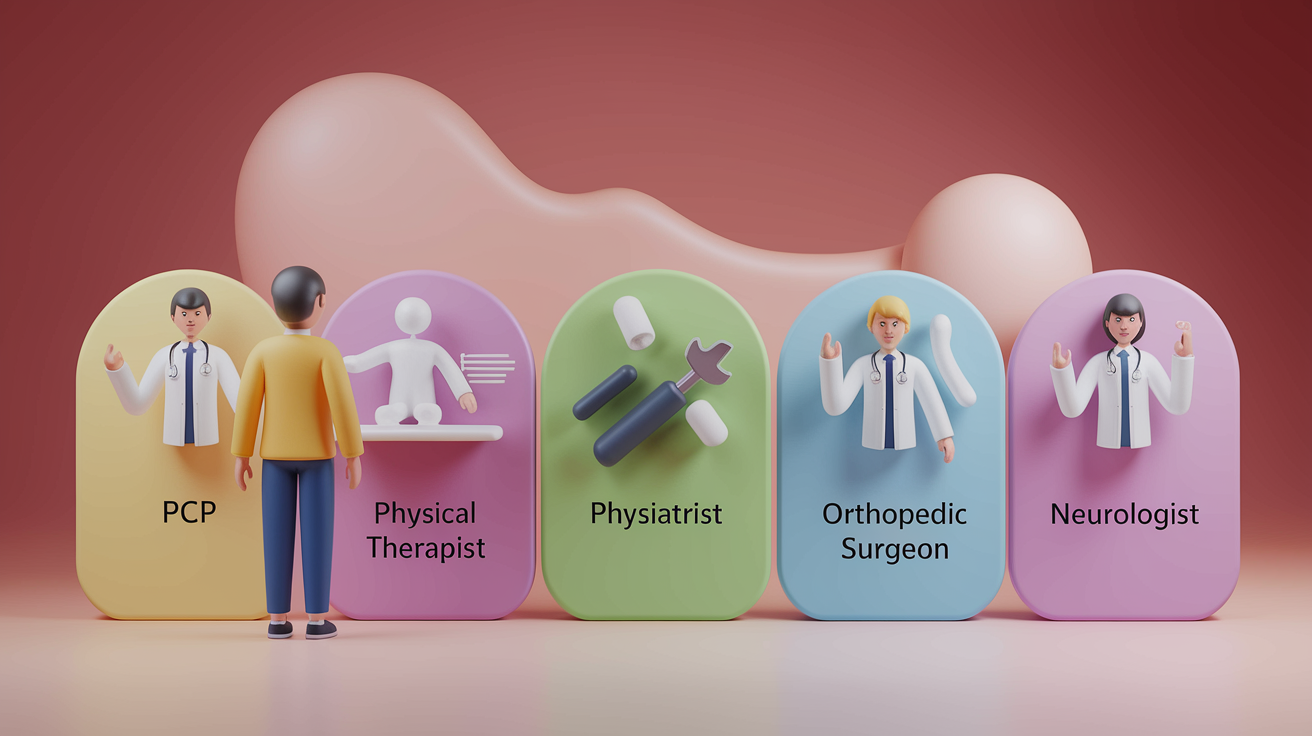
The type of doctor you see depends on your symptoms, the suspected cause, and how quickly you need care. For most new back pain without red flags, starting with your primary care physician is a reasonable first step. They can perform an initial evaluation, order basic tests if needed, and refer you to a specialist if your symptoms require more advanced care. If you have access to a physical therapist without a referral, that’s another good entry point for mechanical pain. Many people benefit from early PT guidance and avoid the need for imaging or medications.
| Provider Type | When to See Them |
|---|---|
| Primary Care Physician | First visit for new or persistent pain without emergency symptoms; coordinates testing and specialist referrals. |
| Physical Therapist | Mechanical pain, muscle strains, movement related symptoms; helps with strengthening, posture, and safe activity modifications. |
| Physiatrist (PM&R) | Nonsurgical spine specialist for nerve related pain, sciatica, or complex chronic pain; manages conservative treatments and coordinates care. |
| Orthopedic Surgeon | Structural problems like herniated discs, fractures, or spinal instability; evaluates surgical options when conservative care fails. |
| Neurologist | Suspected nerve disorders, spinal cord involvement, or complex neurological symptoms requiring specialized diagnostic testing. |
Chiropractors and osteopathic physicians trained in manipulation are also common first line providers for back pain and can be effective for certain mechanical issues. Pain management specialists come into the picture when conservative treatments haven’t worked and you’re considering injections, nerve blocks, or other interventional procedures. The typical pathway moves from conservative, nonsurgical care toward more invasive options only if symptoms persist or worsen despite appropriate treatment. Most people never need surgery. Physical therapy, medications, and time resolve the majority of back pain episodes.
What to Expect During a Medical Evaluation for Back Pain

A thorough back pain evaluation begins with your history. When the pain started, what you were doing, where it hurts, what makes it better or worse, and whether you’ve noticed any numbness, tingling, or weakness. Your doctor will ask about recent injuries, past spine problems, other medical conditions, medications, and whether you’ve had fever, weight loss, or changes in bowel or bladder function. This conversation often points toward the likely cause before any physical exam or testing.
The physical exam includes checking your spine’s range of motion, pressing along the vertebrae to find areas of tenderness, and testing the strength, sensation, and reflexes in your arms and legs. Your doctor may ask you to walk on your heels or toes, bend forward and backward, or perform specific movements that reproduce or relieve your pain. These provocative tests help identify whether the pain comes from muscles, joints, discs, or nerves. Depending on what the history and exam suggest, your doctor may order imaging or other tests, or may recommend starting conservative treatment first and reserving tests for cases that don’t improve.
Common Diagnostic Tests
X-rays are typically the first imaging study. They show bone structure, alignment, fractures, and signs of arthritis or vertebral slippage, but they don’t visualize soft tissues like discs or nerves. MRI scans provide detailed images of discs, nerves, the spinal cord, and surrounding soft tissues, making them the preferred test for suspected disc herniations, stenosis, or nerve compression. CT scans offer excellent bone detail and are useful when MRI isn’t available or when fractures or bony abnormalities need closer examination. Electromyography (EMG) and nerve conduction studies measure electrical activity in muscles and nerves and help diagnose nerve damage, radiculopathy, or other nerve disorders when symptoms like numbness or weakness are present. Not every patient needs imaging. Many cases of acute back pain resolve with conservative care, and early imaging often doesn’t change treatment.
Treatment Options Doctors May Recommend After Your Back Pain Evaluation

Once your doctor identifies the likely cause and rules out serious conditions, treatment follows a stepwise, conservative first approach. Most back pain improves without surgery, and the goal is to reduce pain, restore function, and prevent recurrence using the least invasive methods first.
Physical therapy. Structured exercises to strengthen your core and back muscles, improve flexibility, correct posture, and teach safe movement patterns. PT is often the cornerstone of treatment for mechanical and nerve related pain.
Prescription medications. If over-the-counter options aren’t enough, your doctor may prescribe stronger NSAIDs, muscle relaxants for spasm, or medications that target nerve pain like gabapentin or duloxetine.
Chiropractic care or osteopathic manipulative therapy (OMT). Hands-on techniques to adjust spinal alignment, reduce joint restrictions, and relieve muscle tension. These approaches work well for certain mechanical issues.
Injections and interventional procedures. Epidural steroid injections, facet joint injections, or nerve blocks can reduce inflammation and pain when conservative treatments haven’t provided relief. Radiofrequency ablation (nerve burning) may be considered for chronic pain from specific joints.
Surgical evaluation. Surgery is reserved for cases with significant structural problems (like severe disc herniation with progressive weakness), spinal instability, or failure of all nonsurgical treatments after an appropriate trial period. The decision to proceed with surgery depends on the specific diagnosis, the severity of nerve involvement, and your functional goals.
Most people start with a combination of activity modification, physical therapy, and medication, then progress to injections or other procedures only if pain persists or worsens. Surgery becomes the right choice when there’s clear evidence of nerve compression causing weakness or when quality of life is severely impacted despite exhausting conservative options. Your treatment plan should be individualized, evidence based, and focused on getting you back to the activities that matter to you.
Preventing Future Back Pain and Reducing the Risk of Recurrence

Once your back pain improves, prevention becomes the priority. Many of the same strategies that aid recovery also reduce the chance of future episodes. Small, consistent changes to your daily habits often make the biggest difference.
Posture and movement matter throughout the day. Change positions every 30 minutes, whether you’re sitting at a desk, standing at a counter, or lying on the couch. Prolonged sitting in the same posture increases load on your lower back and tightens hip flexors, both of which contribute to pain. When sitting, keep your feet flat on the floor, your knees at or slightly below hip level, and avoid slouching. When standing, distribute your weight evenly and avoid locking your knees. Regular movement like short walks, stretching breaks, or even standing to take a phone call keeps muscles engaged and blood flowing.
Preventive habits include:
Proper lifting technique. Bend at your knees, keep the load close to your body, and avoid twisting while lifting. Make multiple trips instead of carrying everything at once.
Routine, consistent activity. Engage in regular, moderate exercise rather than intense weekend only activity. Sporadic, intense exercise after long periods of inactivity increases injury risk.
Anti-inflammatory diet. Emphasize whole grains, fruits, and vegetables. Limit dairy, red meat, and added sugars, which may increase inflammatory markers in some people.
Smoking cessation. Smoking reduces blood flow to spinal discs and impairs healing. Quitting improves spine health and overall recovery capacity.
Supportive sleep environment. Use a mattress that supports neutral spine alignment and pillows that keep your neck in line with your spine. Replace worn-out mattresses and pillows that no longer provide adequate support.
Final Words
You learned the key red flags that need same-day care, fever with back pain, trauma, new leg weakness, or loss of bladder/bowel control, plus common causes and simple home steps like ice, gentle movement, and OTC meds.
Follow these rules: no improvement after 2 to 3 days, ongoing limits after 2 weeks, or symptoms around 6 weeks deserve medical review.
If you’re wondering when should i see a doctor for back pain, watch the red flags and timeframes and contact your clinician sooner if pain worsens or stops you doing daily tasks. You’ll get clearer next steps.
FAQ
Q: How do I know when my back pain is serious?
A: Back pain is serious when you have fever, recent major trauma, new leg weakness or numbness, loss of bowel or bladder control, unexplained weight loss, or pain not improving after 2-3 days or limiting daily life beyond two weeks.
Q: What is the Big 3 for back pain?
A: The Big 3 for back pain are cancer, infection, and fracture. These conditions often show red flags like unexplained weight loss, high fever, or recent major trauma and need prompt medical evaluation.
Q: How to tell if back pain is muscle or spine?
A: You can tell if back pain is muscle or spine by symptoms: muscle pain is local, sore with movement and often improves in days; spine-related pain radiates to the legs, causes numbness or weakness, or is constant and needs evaluation.