

Think stomach pain always means a trip to the emergency room?
Not usually, but it does deserve quick, sensible action.
If you’re doubled over or just uncomfortable, there are simple things you can try right away to ease cramps, gas, heartburn, or nausea.
This post gives fast-acting tips like safe heat, easy drinks and positioning, gentle remedies, and over-the-counter options you can try at home.
It also explains which warning signs you should not ignore and when to call a clinician.
Fast-Acting Techniques to Ease Stomach Pain Quickly

Heat is one of the quickest ways to relax tense belly muscles and take the edge off cramping. A heating pad, a warm water bottle wrapped in a towel, or even a warm bath can bring noticeable relief in just a few minutes. If you’re using a heated wheat bag, microwave it for a couple minutes and place it over your clothes or wrap it in a thin cloth so you don’t burn your skin. The warmth gets blood moving and helps muscles unclench, which works especially well for lower belly cramping or that tight, bloated feeling.
Hydration matters a lot when you’re dealing with stomach pain, especially if you’ve been throwing up or dealing with diarrhea. Sip water slowly or suck on ice chips to get fluids back in without overwhelming your system. Dehydration makes nausea worse and creates this cycle where your digestion just can’t catch up, so small frequent sips are safer than chugging a full glass. If plain water won’t stay down, let ice melt in your mouth. It’s gentler and still gets the job done.
Positioning and gentle movement can make a bigger difference than you’d think, depending on what’s causing your pain. If you’ve got reflux or heartburn, prop your head, neck, and chest up with pillows instead of lying flat. For bloating or gas, light movement like a slow walk or gentle belly massage can help move trapped air through. Lying on your left side may reduce acid reflux, while staying upright after meals can stop that bitter, burning sensation in your chest.
- Apply a heating pad or warm compress to your belly for 15 to 20 minutes
- Sip small amounts of water or suck ice chips if you’ve been vomiting
- Prop yourself up with pillows if you have reflux or heartburn
- Try lying on your left side to ease acid reflux
- Take a slow, gentle walk if you’re bloated or gassy
- Use light circular belly massage after eating to encourage digestion
Understanding Types of Stomach Pain and What They Mean
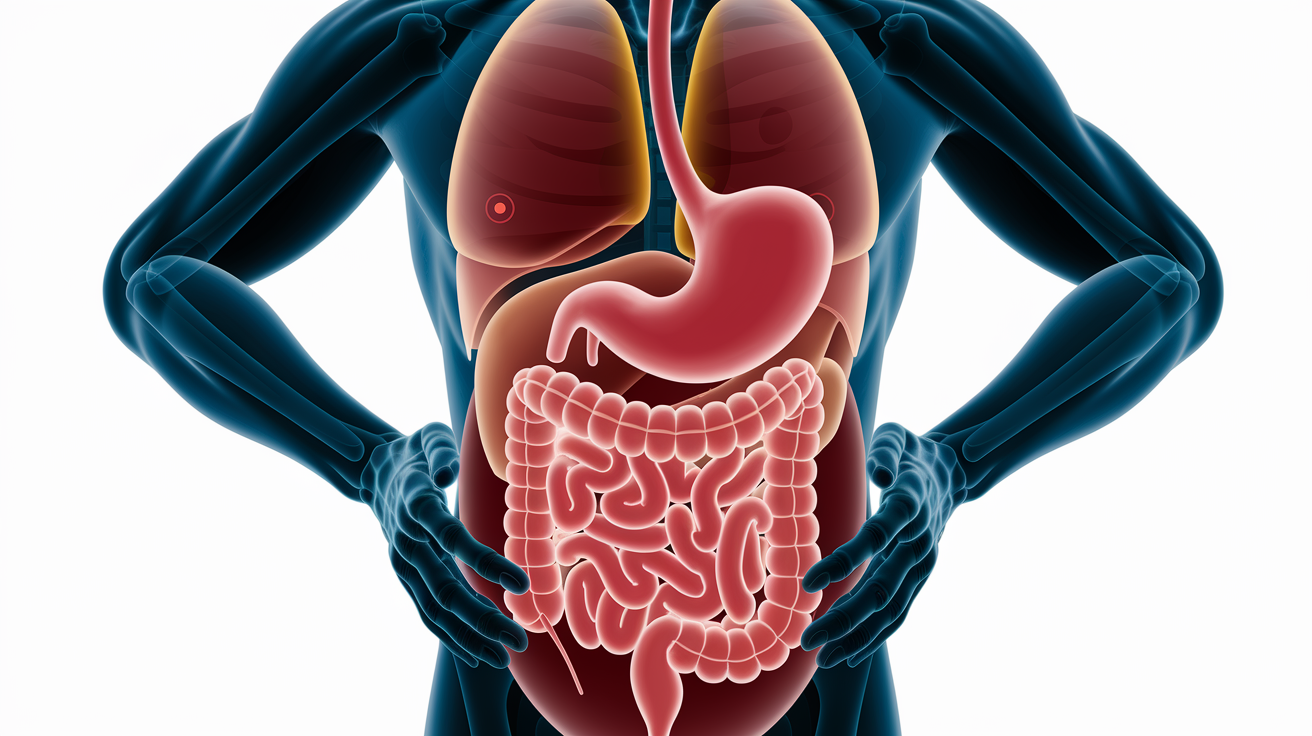
Stomach pain isn’t always about your stomach. The term usually covers any discomfort from your chest down to your groin, and that area houses your esophagus, liver, gallbladder, pancreas, small intestine, large intestine, and appendix. Each organ can produce a different kind of pain. The location, timing, and sensation all offer clues about what’s happening. Indigestion affects about 25 percent of Americans each year, making it one of the most common causes of upper belly discomfort. Pain that shows up below your chest but above your belly button often points to indigestion, gastritis, or a peptic ulcer, especially if it’s chronic or keeps coming back.
Upper belly pain tends to split into a few recognizable patterns. Burning chest pain that feels like food is stuck, paired with nausea, often signals acid reflux or GERD. Pain in the upper right side, especially after a heavy or fatty meal, might be a gallbladder attack. These episodes can last a couple hours and sometimes hit in the evening. Upper left pain is less common but more worrying. It can mean gastritis, severe reflux, or in rare cases acute pancreatitis, which often brings severe vomiting, bloating, and trouble keeping down even liquids.
Lower belly pain has its own set of causes. Crampy pain that eases after a bowel movement often points to irritable bowel syndrome (IBS) or constipation. Gas and bloating in the lower belly can be diet related or tied to conditions like IBS, inflammatory bowel disease (IBD), or diverticulitis. Sharp, severe pain between your belly button and right hip bone, especially with vomiting, low grade fever, and trouble eating, raises the possibility of appendicitis. That’s a medical emergency.
Not all lower belly pain comes from your digestive system. Menstrual cramps, a ruptured ovarian cyst, or a urinary tract infection can all cause pain in that area. If your pain is concentrated on one side rather than spread across your whole torso, it’s generally more concerning and worth checking out sooner.
| Pain Location | Possible Causes | Notable Symptoms |
|---|---|---|
| Upper center (below chest, above belly button) | Indigestion, gastritis, peptic ulcer, GERD | Burning, nausea, feeling of food stuck, sometimes relieved by eating |
| Upper right | Gallbladder attack, gallstones | Pain after heavy meals, lasts hours, may occur in evening |
| Upper left | Gastritis, severe GERD, pancreatitis (rare) | Severe vomiting, bloating, unable to tolerate liquids |
| Lower abdomen (crampy) | IBS, constipation, gas, menstrual cramps | Pain improves after bowel movement or movement, bloating |
Natural Ingestible Remedies for Stomach Pain Relief
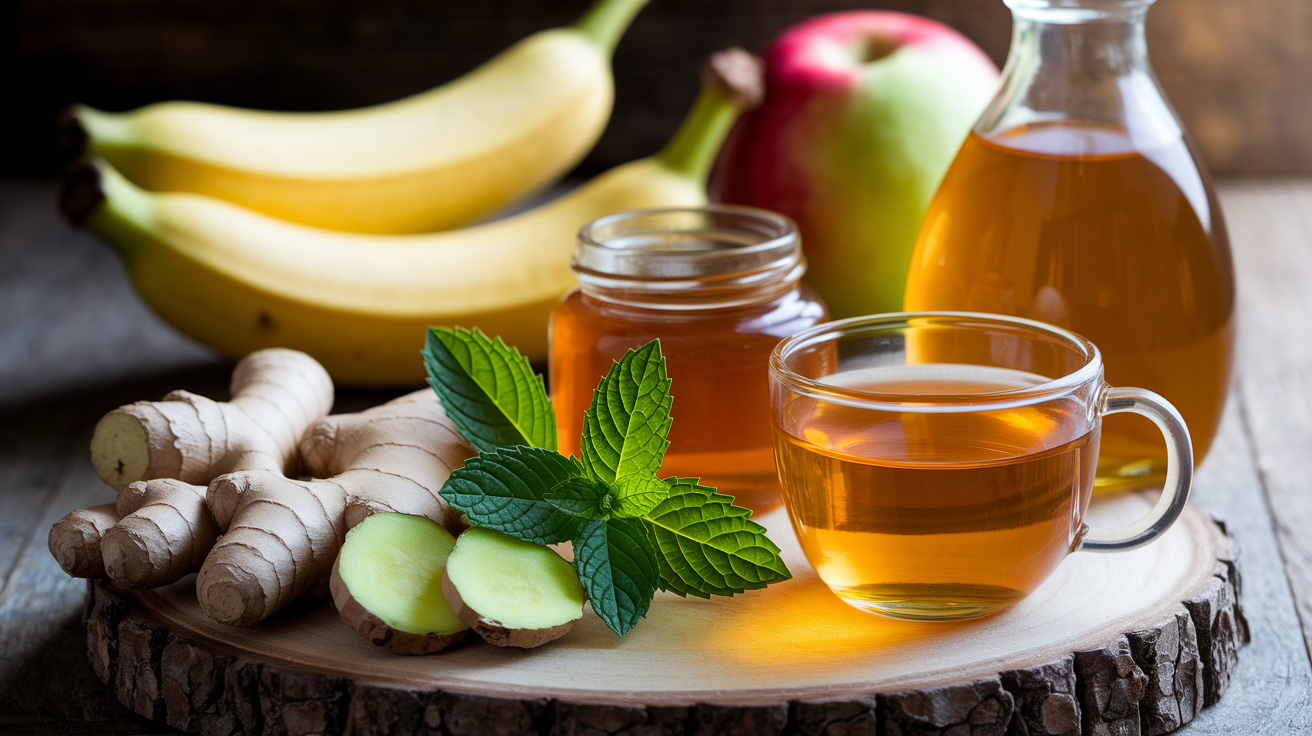
Ginger is one of the most widely used natural anti-nausea remedies. You can grate fresh ginger into hot water, add a little honey, and sip it as tea. Some people chew fresh ginger slivers, drink ginger ale (check that it contains real ginger), or take ginger chews or supplements. Ginger has anti-inflammatory properties and can settle an upset stomach, especially if nausea’s part of what you’re dealing with.
Peppermint and chamomile are both gentle on your digestive system. Peppermint tea or even sucking on peppermint candy can soothe indigestion and gas. Chamomile tea (make sure it’s decaffeinated) has anti-inflammatory effects and pairs well with honey and lemon to improve the taste. Both are calming options when your stomach feels unsettled but you’re not dealing with severe pain. Apple cider vinegar is another common remedy, but it must be diluted. Mix one tablespoon into one cup of warm water before drinking. Undiluted apple cider vinegar can irritate your throat and damage tooth enamel, so don’t skip that step. Some people find it helps with gas and indigestion by supporting gut bacteria, though results vary.
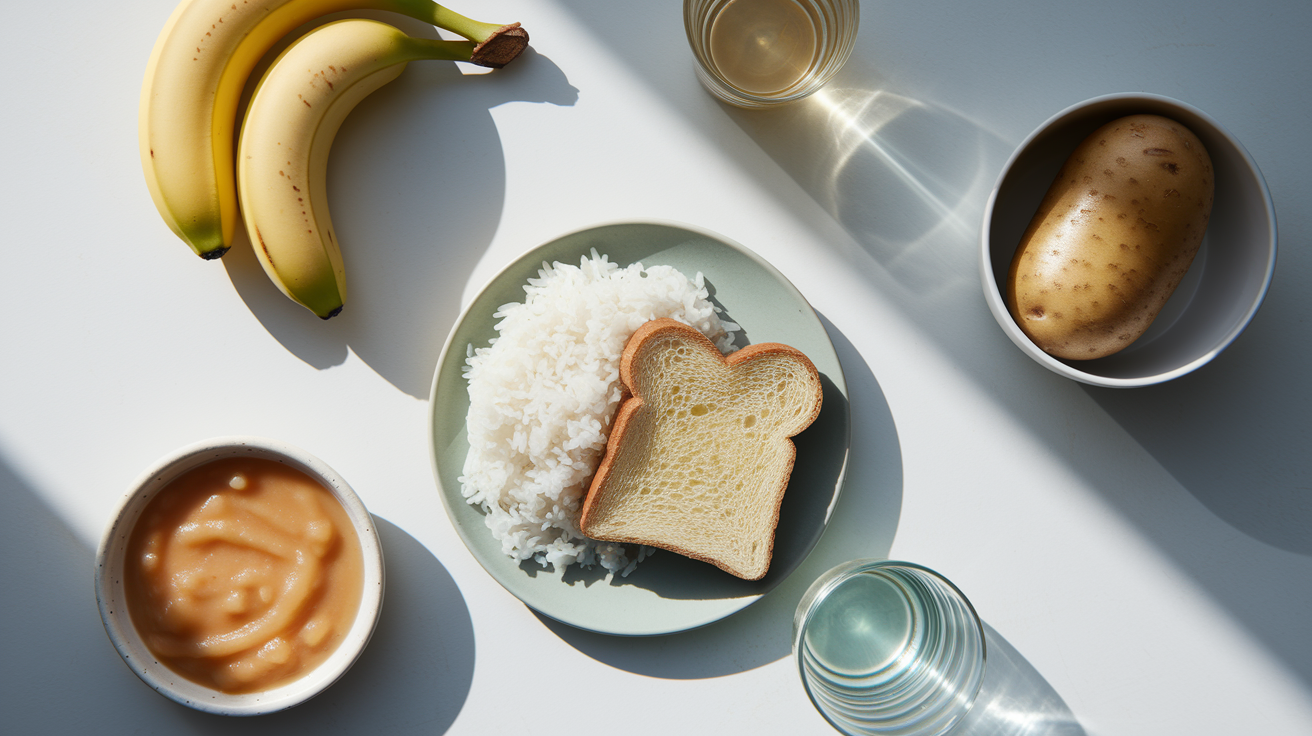
Fiber can help relieve constipation related cramping, but balance matters more than simply eating more. High fiber fruits like apples, bananas, and mangoes, along with whole grains, beans, and sweet potatoes, can ease things along. But too much fiber too fast can increase gas and worsen pain. Check recommended fiber amounts for your age and gender before making big changes. For diarrhea, the BRAT diet (bananas, rice, applesauce, and toast) offers low fiber, starchy foods that are easy to digest and help bind stools. Bananas also replace potassium and magnesium lost through vomiting or diarrhea. Other gentle options include plain crackers, boiled potatoes, and cooked cereals like oatmeal or cream of wheat made with water, not dairy.
- Ginger tea (fresh grated ginger in hot water with honey)
- Peppermint tea or peppermint candy for indigestion and gas
- Chamomile tea (decaffeinated) with honey and lemon
- Apple cider vinegar (1 tablespoon diluted in 1 cup warm water)
- Balanced fiber from fruits, whole grains, beans, and sweet potatoes
- BRAT diet foods (banana, rice, applesauce, toast) for diarrhea
- Plain crackers, boiled potatoes, or water based oatmeal for gentle digestion
Safe Over-the-Counter Options for Stomach Pain Relief
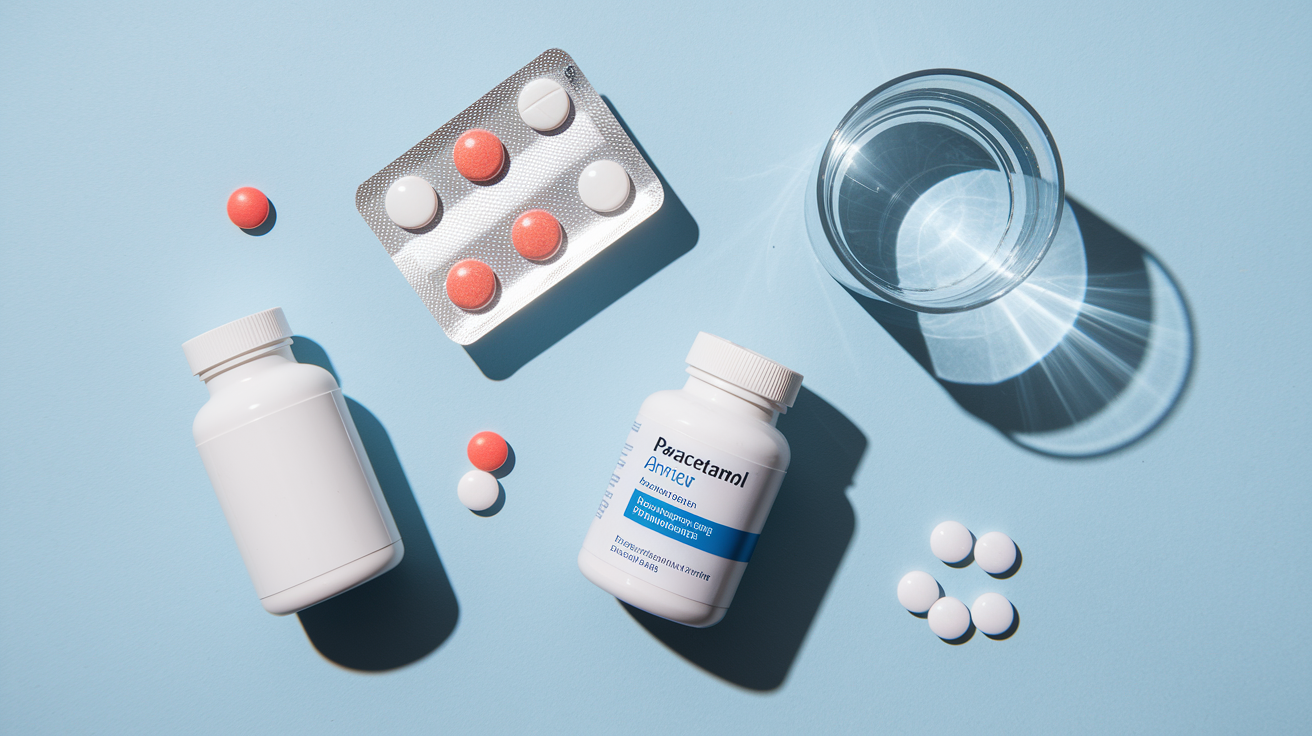
Over the counter antacids are the go to for heartburn and acid reflux. They work by neutralizing stomach acid quickly, and many providers recommend trying them first before moving to prescription options. Paracetamol and ibuprofen can help with general belly aches, fever, and pain that isn’t specifically acid related. If you’re unsure which one fits your symptoms, a pharmacist can help you choose.
Anti-vomiting and anti-diarrheal medications are available over the counter, but they’re not always appropriate. Read the package leaflet carefully. If you’re dealing with severe vomiting, diarrhea lasting more than two days, or symptoms in a young child or older adult, check with a pharmacist or GP before using them. Some conditions get worse if you stop diarrhea or vomiting too soon. Your body may be trying to clear out something harmful. OTC options are helpful for mild, short term symptoms, but they’re not a replacement for figuring out what’s actually going on if pain persists or gets worse.
- Antacids for heartburn and acid reflux (first line for many cases)
- Paracetamol or ibuprofen for general belly pain and fever
- Anti-vomiting medications (check suitability with a pharmacist first)
- Anti-diarrheal medications (use cautiously, not for all causes or in young children)
Dietary Adjustments That Help Reduce Stomach Pain
Avoiding trigger foods can prevent pain before it starts, especially if you’re dealing with reflux, indigestion, or bloating. Fast food, fried and fatty meals, spicy dishes, creamy or heavily preserved items, alcohol, and fizzy drinks are all harder to digest and can irritate your stomach lining. Gas inducing vegetables like asparagus, Brussels sprouts, and broccoli might worsen bloating for some people. Cutting back on these foods doesn’t mean giving them up forever. It does mean noticing which ones make your symptoms worse.
Eating smaller meals more often (every three to four hours) helps reduce reflux and keeps your digestive system from getting overwhelmed. Large meals stretch your stomach and can push acid up into your esophagus, especially if you lie down soon after eating. Bland, starchy foods like bananas, rice, toast, crackers, and boiled potatoes are gentle on your system and especially helpful during diarrhea or nausea. They’re low in fiber, easy to digest, and help bind loose stools.
Fiber needs vary by person. “Eat more fiber” isn’t universal advice. If constipation is the issue, gradually increasing high fiber fruits and foods like apples, bananas, whole grains, beans, and sweet potatoes can help. But if you’re already eating plenty of fiber and still struggling, the type or timing might need adjusting. Too much fiber too fast can backfire, causing more gas and cramping. Balance and gradual changes work better than big overnight shifts.
| Food Type | Helpful or Harmful | Why |
|---|---|---|
| Fast food, fried, fatty, spicy meals | Harmful | Harder to digest; irritates stomach lining; triggers reflux and bloating |
| Bland starches (bananas, rice, toast, crackers, boiled potatoes) | Helpful | Easy to digest; binds loose stools; replaces lost potassium and magnesium |
| High fiber fruits and whole grains | Helpful (if constipated) | Relieves constipation when increased gradually; too much too fast causes gas |
| Alcohol, fizzy drinks, gas inducing vegetables | Harmful | Increases bloating, gas, and irritation; worsens reflux and indigestion |
Lifestyle and Positioning Techniques That Ease Stomach Pain

Sleep position can either help or worsen certain types of stomach pain. GERD and acid reflux often improve when you sleep on your left side, which keeps stomach acid lower and reduces that burning sensation. Elevating your head, neck, and chest with pillows also helps by using gravity to keep acid down. Lying flat or curling up can make reflux worse, so propping yourself up is a simple fix that works overnight.
Movement and massage help with bloating and gas. A slow walk after a meal encourages your digestive system to keep moving and can relieve that tight, uncomfortable feeling. Light abdominal massage (gentle circular motions with your hand) can help move trapped air through your intestines. For constipation related cramping, light to moderate exercise also makes a difference. You don’t need intense activity. Even a 10 to 15 minute walk can get things moving again.
- Sleep on your left side to reduce GERD and acid reflux symptoms
- Prop your head, neck, and chest up with pillows to prevent reflux overnight
- Take a slow, gentle walk after meals to ease bloating and encourage digestion
- Use light circular belly massage to help move trapped gas
- Try light to moderate exercise if constipation is causing cramping
- Stay upright for at least an hour after eating to avoid reflux and heartburn
Warning Signs and When Stomach Pain Needs Medical Attention

Most upset stomachs clear up within a few hours or by the next day, but some symptoms mean you shouldn’t wait. If your belly pain lasts more than 24 to 48 hours without improvement, it’s time to see a provider. Gallbladder attacks that go on for several hours raise the risk of complications, and pain that suddenly gets much worse is always worth checking out. Persistent stomach pain that limits your ability to do normal activities, or pain that keeps coming back in the same spot, needs evaluation.
Red flags that require urgent or emergency care include fever, chills, jaundice (yellowing of your skin or eyes), brownish urine, or severe nausea and vomiting that won’t stop. Blood in your stool (whether it’s bright red or black and tarry) is a serious sign, as is vomiting blood. Severe belly tenderness, where it hurts when you touch or press on your stomach, is another emergency signal. Pain concentrated in your upper left area can indicate pancreatitis, while severe pain in the upper right might mean a gallbladder complication. Sudden, sharp pain between your belly button and right hip bone, especially with vomiting and low grade fever, raises concern for appendicitis.
Other urgent signs include diarrhea and vomiting lasting more than two days, difficulty breathing or chest pain, dizziness or lightheadedness, and unexplained weight loss. Dehydration is a particular risk in young children and older adults, so watch for dry mouth, infrequent urination, dark yellow pee, and lethargy. If you can’t keep down liquids or you’re violently sick for more than a day, seek medical attention. Pain that’s isolated to one side of your body is generally more concerning than diffuse pain across your whole torso.
- Belly pain lasting more than 24 to 48 hours
- Blood in stool (bright red or black) or vomiting blood
- Fever, chills, jaundice, or brownish urine
- Severe nausea or vomiting that doesn’t stop, or inability to keep down liquids
- Sudden, sharp pain in the lower right side (possible appendicitis)
- Severe pain in the upper left area (possible pancreatitis) or upper right (gallbladder complications)
- Difficulty breathing, chest pain, or dizziness
- Unexplained weight loss or signs of dehydration (dry mouth, dark urine, infrequent urination)
Common Mistakes People Make When Treating Stomach Pain

One of the biggest mistakes is assuming that pain location tells you exactly which organ is the problem. “Stomach pain” is shorthand for any belly discomfort, and your liver, gallbladder, intestines, pancreas, and other organs can all cause pain in overlapping areas. What you feel as “stomach” pain might not involve your stomach at all, so jumping to conclusions can lead you down the wrong treatment path.
Relying only on home remedies or advice from family and the internet is another common misstep. Treatments that work for one cause can be useless or even harmful for another. For example, automatically increasing fiber is a popular fix for constipation, but if you’re already eating enough fiber or you add too much too quickly, you can end up with more gas and cramping instead of relief. And while undiluted apple cider vinegar is often touted as a cure all, it can irritate your throat and damage your tooth enamel. It must be diluted in water.
- Assuming pain location = specific organ (belly pain can come from many sources)
- Relying solely on family remedies or internet advice without understanding the cause
- Automatically increasing fiber without assessing current intake or fiber type
- Using undiluted apple cider vinegar (can harm throat and tooth enamel)
- Ignoring persistent or worsening symptoms instead of seeking evaluation
Tracking Stomach Pain Symptoms to Understand Patterns

Keeping track of your symptoms helps both you and your provider figure out what’s going on. Start by noting when the pain began, what makes it better or worse, and how severe it is on a scale of 0 to 10. Write down whether it’s sharp, crampy, burning, or dull, and whether it stays in one spot or moves around. Tracking timing (like whether it happens after meals, in the evening, or first thing in the morning) can reveal patterns that point to specific conditions.
Record any other symptoms that show up alongside the pain: nausea, vomiting, diarrhea, constipation, bloating, fever, or changes in appetite. Note if you’ve started any new medications, supplements, or foods, and whether stress or your menstrual cycle seems connected. If you’re tracking hydration, bowel movements, or sleep, include that too. When you bring this information to an appointment, it gives your provider a clear picture and can speed up diagnosis and treatment.
- When the pain started and how long it’s lasted
- What makes it better or worse (food, position, movement, time of day)
- Severity on a 0 to 10 scale and type of pain (sharp, crampy, burning, dull)
- Any other symptoms (nausea, vomiting, fever, diarrhea, constipation, bloating, changes in appetite or urination)
Final Words
in the action, we gave quick physical fixes (heat, sip fluids, position), explained likely causes by where pain shows up, and covered natural ingestibles, OTC choices, diet and lifestyle moves, warning signs, common mistakes, and how to track symptoms.
Try simple steps now: gentle heat, small sips of water, lie on your left side or take a short walk, and note what changes.
If you’re still unsure about what to do for stomach pain, keep tracking and see a clinician—you’re taking sensible steps toward feeling better.
FAQ
Q: Why is my stomach so hurting?
A: Your stomach may be hurting because of common issues like indigestion, gas, reflux, constipation, food poisoning, or a stomach virus. Seek care if pain is sudden, very severe, feverish, or includes bloody stool.
Q: What can I drink for stomach pain?
A: For stomach pain, drink warm water, a clear electrolyte solution, ginger or chamomile tea, or sip ice chips if you’re vomiting. Avoid alcohol, caffeine, and dairy until symptoms settle.
Q: What is the best medicine for stomach pain?
A: The best medicine for stomach pain depends on the cause: antacids for heartburn, paracetamol for general pain, and specific anti-nausea or anti-diarrheal drugs when needed—ask a clinician if unsure.
Q: How to relieve stomach pain in 5 minutes?
A: To relieve stomach pain in 5 minutes, try a warm heating pad, sit upright or lie on your left side, sip warm water slowly, and use gentle belly massage with deep breathing.