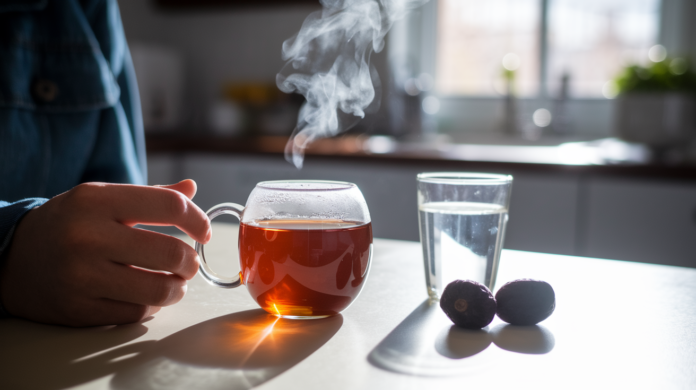

Think you have to wait days to get relief from constipation? Not always.
If you need fast help, here’s what helps with constipation immediately: safe, practical steps you can try right now.
This short guide shows quick wins that often work within minutes to a few hours, like warm water or coffee, certain foods, simple toilet positioning, and fast-acting over-the-counter options such as glycerin suppositories or enemas.
I’ll also point out when to stop self-care and call a clinician.
Start with the simplest step and give it 15 to 30 minutes.
Immediate Relief Methods for Constipation You Can Use Right Now

Do this first (5 minute options):
- Drink a large mug of warm water (8 to 12 ounces) right away to help soften stool and trigger your gastrocolic reflex.
- Brew a cup of regular coffee. Caffeine stimulates gut muscles up to 60% more than plain water and works about 23% more effectively than decaf.
- Have a glass of warm water with fresh lemon juice squeezed in. The warmth speeds absorption and vitamin C may activate the colon.
- Insert an over the counter glycerin suppository if you’re ready for faster physical help. It usually works within 15 to 60 minutes.
- Use a saline enema per package instructions if you need relief within the next hour and other options haven’t helped.
Warm fluids work because they stimulate the muscles in your digestive tract and can trigger the gastrocolic reflex, the automatic signal that tells your colon to contract after you eat or drink. A single large glass of warm water or a mug of hot coffee can sometimes produce a bowel movement within 5 to 30 minutes. Coffee’s especially effective because caffeine increases contractions in the lower gut, and studies show it stimulates the colon 60% more strongly than regular water. If you have irritable bowel syndrome, coffee may make cramping worse. Try warm water or herbal tea instead.
Suppositories and enemas deliver relief faster than anything you swallow because they work right at the rectum, where stool’s waiting. A glycerin suppository softens hard stool on contact and usually prompts a bowel movement within 15 minutes to an hour. A saline enema introduces a small amount of fluid directly into the rectum to soften and flush out stool, and it typically acts within a few minutes. Both are available without a prescription at any pharmacy. Follow the package instructions carefully, and use them only when you need fast relief, not as a daily habit.
You don’t need to try everything at once. Start with the simplest option that fits your situation, and give it 15 to 30 minutes before adding another step.
Fast-Acting Foods and Drinks That Help Constipation Immediately
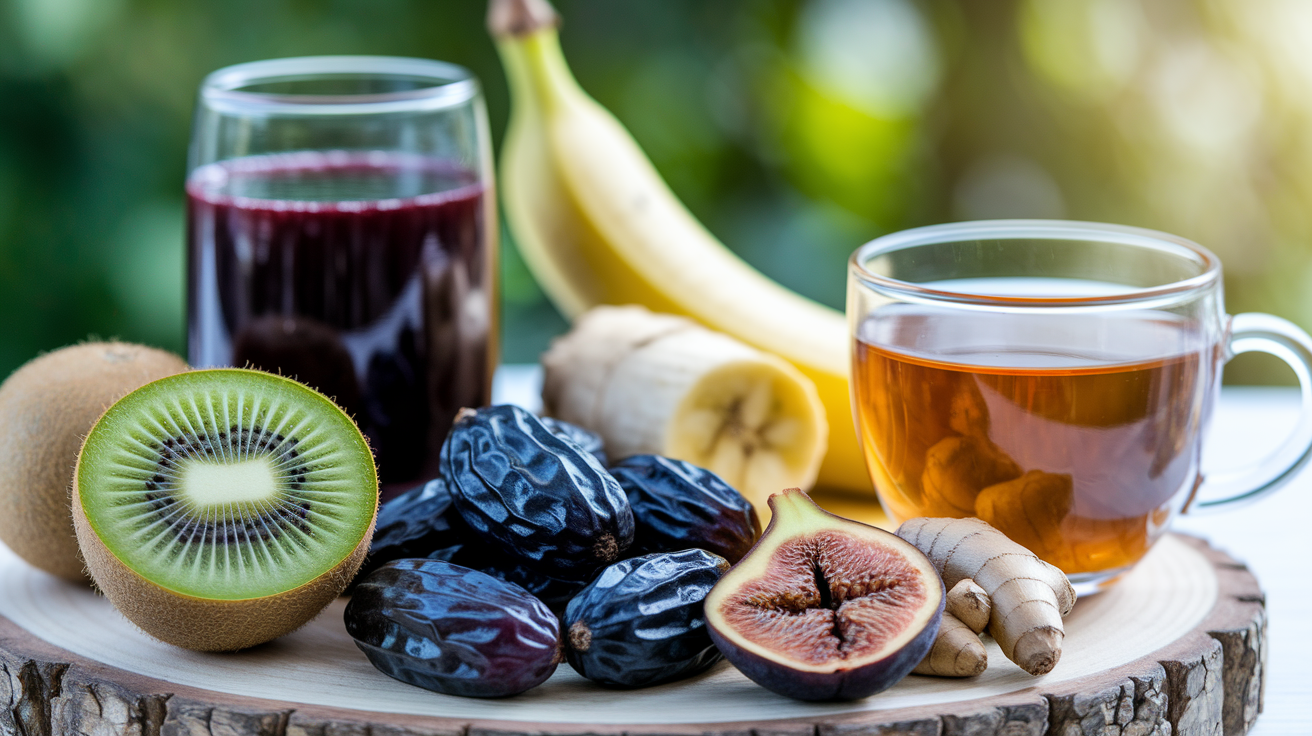
Certain foods and drinks can help move things along faster than you might expect, especially if you’re already a little dehydrated or haven’t eaten much fiber today. Prunes are one of the most reliable fast acting options because they contain sorbitol, a natural sugar alcohol that pulls water into your intestines and softens stool. Many people notice results within a couple of hours after eating a handful of prunes or drinking a small glass of prune juice. Dried fruits like figs and raisins work in a similar way and pack more fiber per serving than fresh fruit.
Fresh fruit can help too, especially if you pick varieties that contain natural enzymes or sugars that speed digestion. One medium kiwi delivers nearly 3 grams of fiber and contains enzymes that help break down food in your gut. Apples and pears have natural fruit sugars that can stimulate the colon and encourage a bowel movement, especially if you eat them with the skin on. Ripe bananas are easier on your stomach than green ones and provide soluble fiber that can help resolve constipation without causing gas.
Foods and drinks that may work within an hour:
- A handful of prunes or a small glass of prune juice (sorbitol content helps pull water into stool)
- One or two kiwis, peeled or unpeeled (enzymes support digestion)
- A ripe banana with a glass of water (soluble fiber softens stool)
- Warm ginger tea (relieves cramping and bloating while supporting gut motility)
- A tablespoon of honey stirred into warm water or tea (mild natural laxative effect)
- A small serving of dried figs or raisins (concentrated fiber and natural sugars)
Quick Over-the-Counter Options for Rapid Constipation Support
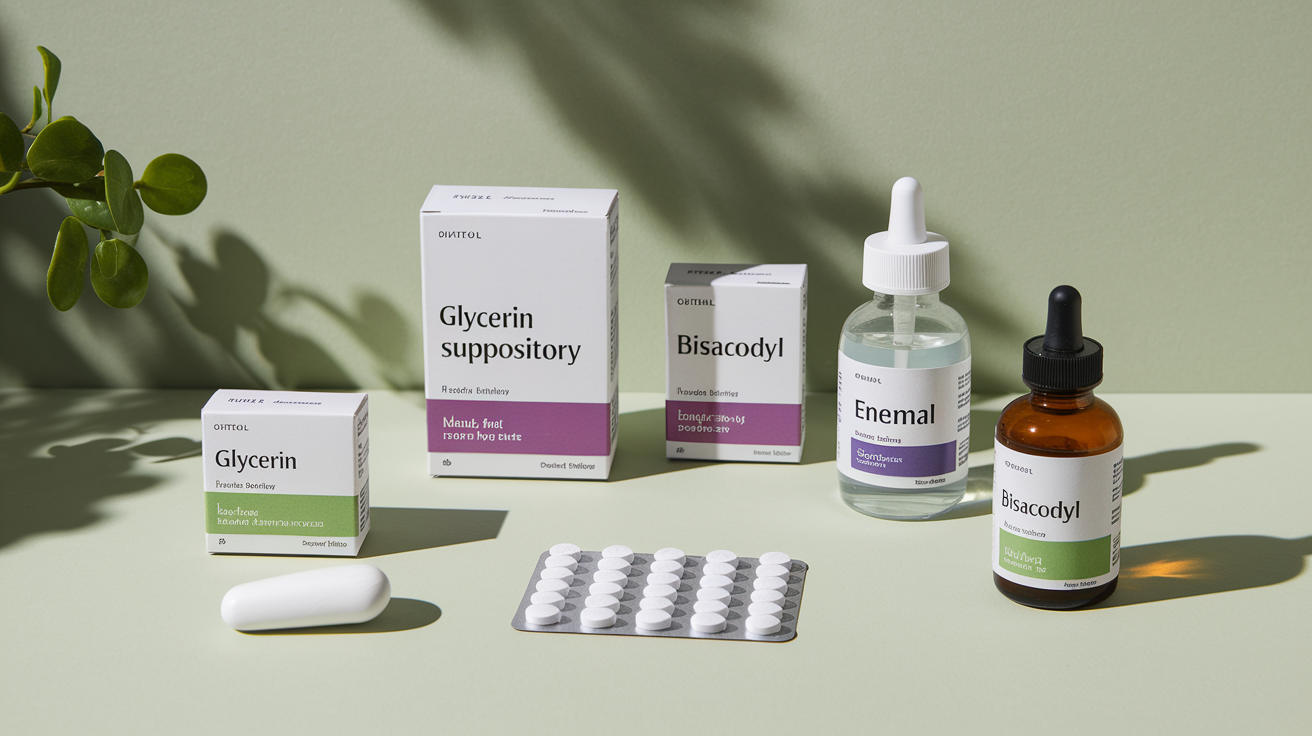
Over the counter laxatives can provide relief faster than dietary changes alone, but they come with different timelines and side effects depending on the type you choose. Most people reach for a laxative when home remedies haven’t worked within a few hours or when they need predictable relief by a certain time. It’s helpful to understand how long each type takes to work so you can plan accordingly and avoid doubling up on treatments that might cause cramping or diarrhea.
| Product Type | Typical Time to Work |
|---|---|
| Rectal suppository (glycerin or bisacodyl) | 15 minutes to 1 hour |
| Saline or mineral oil enema | A few minutes to 1 hour |
| Stimulant laxative (oral bisacodyl or senna) | 6 to 12 hours |
| Stool softener (docusate) | 12 hours to 1 day |
| Osmotic laxative (polyethylene glycol, magnesium citrate) | 2 to 3 days |
| Lubricant laxative (mineral oil) | A few hours to overnight |
Suppositories and Enemas
Suppositories and enemas are the fastest over the counter options because they deliver relief directly to the rectum, where stool’s waiting to exit. A glycerin suppository works by drawing a small amount of water into the rectum and lubricating the stool so it slides out more easily. Bisacodyl suppositories stimulate the rectal muscles to contract, which can produce a bowel movement within 15 to 60 minutes. Insert the suppository as far as comfortably possible, then lie on your side for a few minutes to let it dissolve before sitting on the toilet.
Enemas introduce a small volume of liquid, usually saline or mineral oil, into the rectum to soften and flush out stool. Most people feel the urge to go within a few minutes of using an enema. Follow the instructions on the package carefully, and never force the nozzle if it doesn’t go in smoothly. These products are safe for occasional use. But if you find yourself reaching for a suppository or enema more than once a week, check in with a doctor to figure out what’s causing the constipation in the first place.
Quick Body Positions, Movements, and Techniques That Help Constipation Immediately
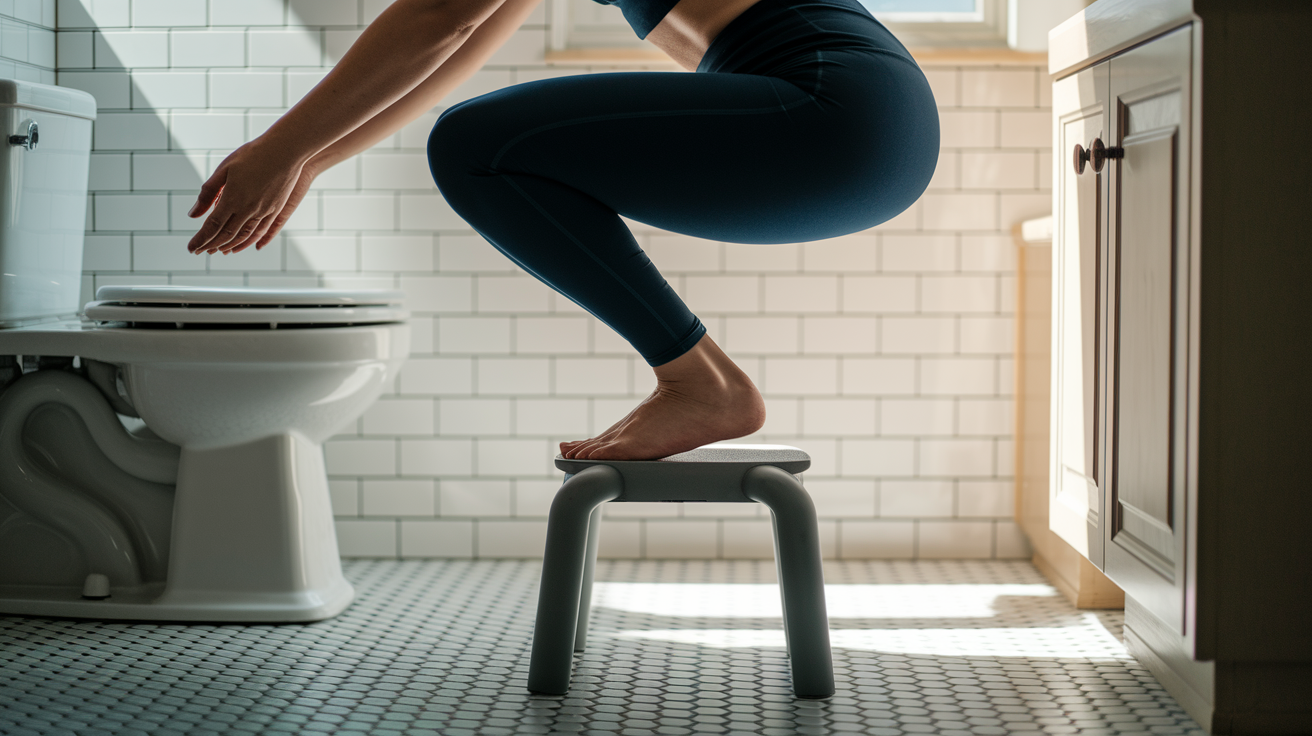
The way you sit on the toilet and how you move your body can make a real difference in how easily stool passes. Your pelvic floor muscles need to relax fully for a bowel movement to happen, and certain positions help those muscles let go. A squat like position, knees higher than hips, relaxes the puborectalis muscle, which normally wraps around the rectum like a kink in a garden hose. When you raise your feet on a small stool (about 6 to 9 inches tall), that muscle releases and straightens the path for stool to exit.
Gentle movement and massage can also help stool shift through your colon when things feel stuck. A knees to chest position, lying on your back and pulling both knees toward your chest for about 2 minutes, reduces tension in your lower abdomen and can encourage stool to move. Abdominal massage works by stimulating the natural contractions of your colon. Use your fingertips to rub in a circular motion starting at your lower right hip, moving up toward your ribs, across to the left side, and down toward your left hip. Do this for a few minutes, ideally 30 to 60 minutes after eating when your gut’s more active. Skip the massage if you’re pregnant, have abdominal pain you can’t explain, or have been told to avoid abdominal pressure by a doctor.
Step by step positioning methods:
- Place a small footstool in front of the toilet so your knees rise above your hips when you sit down. This mimics a squatting position and relaxes the muscles around your rectum.
- Lie on your back, bring both knees to your chest, and hold them there for about 2 minutes to release tension in your lower belly.
- Try gentle abdominal massage by rubbing your belly in a clockwise circle. Start at the lower right side, move up, across, and down the left side for 3 to 5 minutes.
- Take a short 10 minute walk around your home or outside. Even light movement increases blood flow to your abdomen and can nudge stool along.
Fast Dietary Adjustments to Encourage a Same-Day Bowel Movement
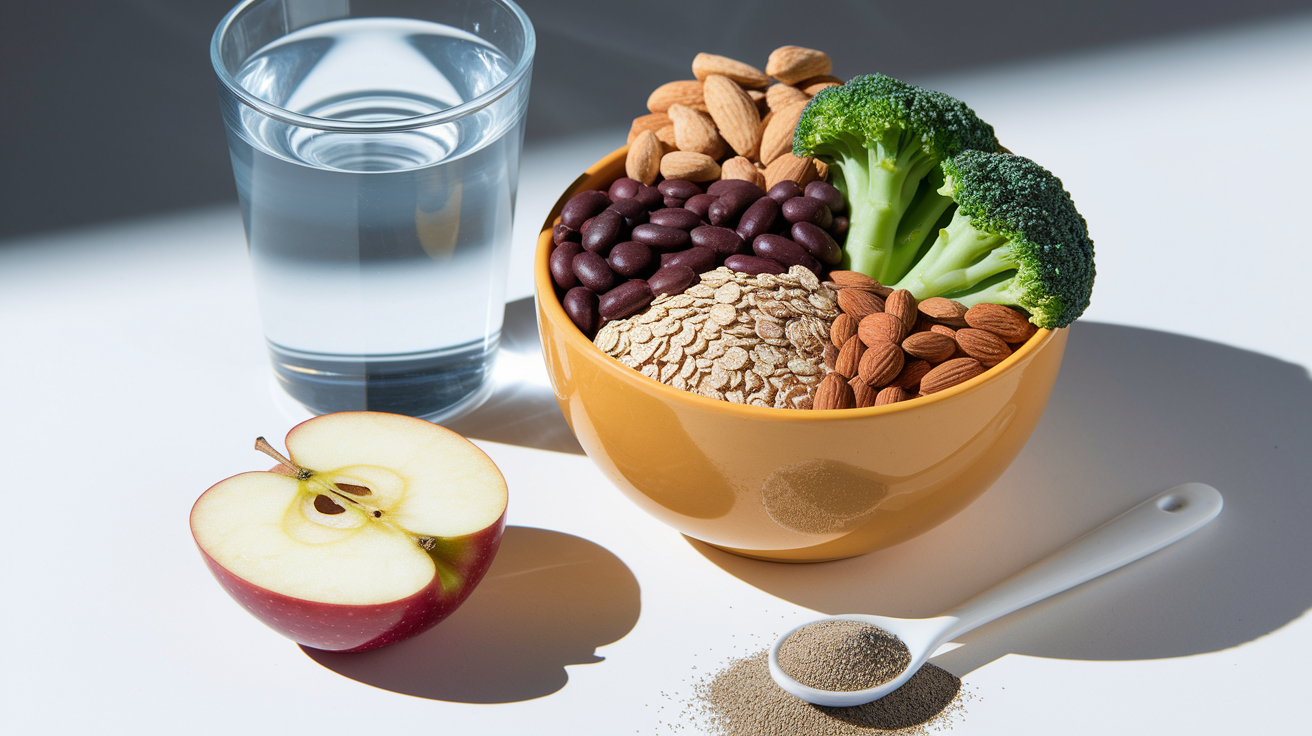
Adding fiber and fluids at the same time gives your digestive system the raw materials it needs to form softer, easier to pass stools. Most adults need between 22 and 34 grams of fiber each day, but only about 3% of people actually meet that target. If you’re constipated right now, try adding an extra 5 to 10 grams of fiber at each meal and drinking at least 64 ounces of water throughout the day. Fiber without enough fluid can make constipation worse, so keep a water bottle nearby and sip steadily.
Some high fiber foods move through your system faster than others, especially if they contain soluble fiber that dissolves in water and forms a gel. Beans like black eyed peas, garbanzo beans, pinto beans, and kidney beans are packed with both soluble and insoluble fiber and can help speed up transit time if you eat a serving with lunch or dinner. Whole grains like oat bran, along with nuts, seeds, lentils, and peas, work in a similar way. Broccoli and cauliflower are effective high fiber vegetables that keep their fiber content even when cooked, as long as you don’t overcook them. If you’re sensitive to dairy, try removing milk, cheese, and yogurt for the day to see if that helps. Lactose intolerance can slow things down.
Fast acting dietary add ins:
- A bowl of oat bran cereal with a handful of chopped walnuts and sliced banana (high fiber and healthy fats in one meal)
- A half cup serving of cooked beans added to a salad or wrap at lunch
- Raw or lightly steamed broccoli or cauliflower with olive oil drizzled on top (fiber plus lubricating fat)
- A handful of almonds or sunflower seeds as a mid morning snack
- A fiber supplement like psyllium husk stirred into a large glass of water (start with one dose and follow package instructions)
Natural Remedies and Oils That May Help Constipation Quickly
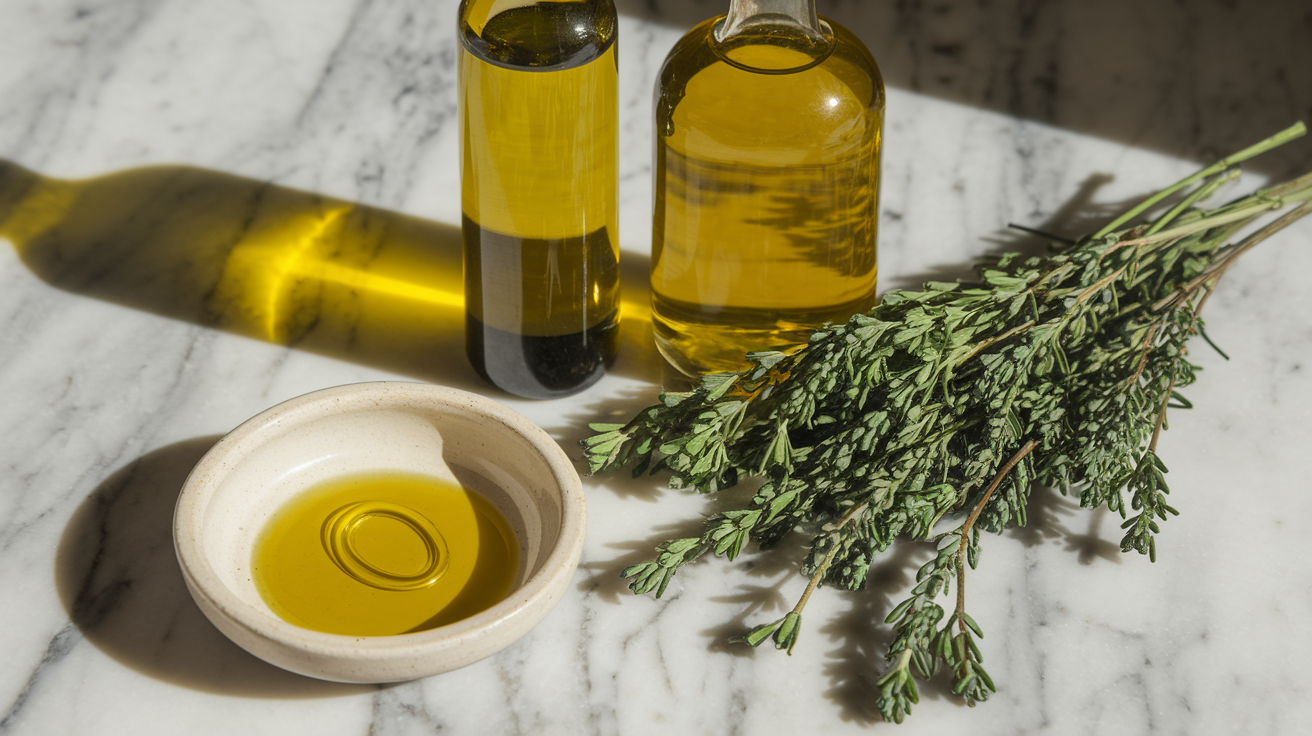
Some natural remedies work by lubricating the intestines or stimulating muscle contractions in the colon, and they can offer relief within a few hours if you use them correctly. Olive oil’s one of the safest options. It coats the walls of your intestines and helps stool slide through more easily. A tablespoon of olive oil on an empty stomach in the morning, or mixed into food, may help produce a bowel movement by mid afternoon. Castor oil’s a stronger traditional laxative that stimulates the intestines to contract, but it can cause cramping and diarrhea. Use it sparingly and only if other options haven’t worked.
Herbal teas made from senna, ginger, or peppermint can also provide gentle relief. Senna’s a stimulant laxative that works faster than dietary changes alone, usually within 6 to 12 hours, but it can cause cramping, bloating, and loose stools. It’s best saved for occasional use. Ginger tea soothes nausea and cramping while supporting gut motility, and peppermint tea relaxes the muscles in your digestive tract. Probiotics in supplement form may improve bowel regularity over time by supporting the balance of bacteria in your gut, but they’re not a fast fix and they’re not recommended if you have a weakened immune system. Always check with a clinician before using probiotics if you’re immunocompromised, on chemotherapy, or have a serious underlying condition.
When Immediate Constipation Remedies Aren’t Working: Warning Signs

If you’ve tried warm fluids, fast acting foods, and over the counter options but still haven’t had a bowel movement after several hours, it’s worth paying closer attention to how you feel overall. Constipation that lasts longer than seven days without relief, or that doesn’t respond to home treatments within a week, needs medical evaluation. Chronic constipation, defined as fewer than three bowel movements per week for several weeks or months, can signal an underlying problem that won’t resolve with quick fixes alone.
Certain symptoms mean you should contact a doctor or visit urgent care sooner rather than waiting a full week. If you have severe abdominal pain that’s getting worse, if you’re vomiting repeatedly, or if you see blood in your stool or notice black, tar like stools, those are signs that something more serious may be going on. Unexplained weight loss, stools that are suddenly much thinner than usual, or the feeling that you can’t empty your bowels completely even after going are all red flags that deserve prompt attention. Dehydration can also make constipation worse and harder to fix at home. If you’re dizzy, lightheaded, or urinating very little, rehydrate and consider calling a clinician.
Dangerous symptoms that need medical evaluation:
- Severe abdominal pain that prevents you from standing up straight or doing daily activities
- Vomiting along with constipation, especially if it’s persistent or contains bile
- Blood in your stool (bright red or dark black), or stools that look like tar
- Unexplained weight loss over the past few weeks or months
- Constipation lasting more than seven days without any bowel movement, or chronic symptoms (fewer than three bowel movements per week for weeks or months)
Final Words
You learned quick, same-day options: warm fluids and coffee, fast-acting foods, suppositories and enemas, OTC choices, simple dietary shifts, natural oils, and clear red flags to watch.
Start with the 5-minute steps and warm drinks, then move to foods or a rapid suppository if needed. Track when it starts, what helps, and any worsening signs.
If you’re asking what helps with constipation immediately, try the safest fast options here and call your clinician if severe pain, vomiting, or bleeding shows up. You’ve got a clear plan to try.
FAQ
Q: How can I relieve constipation immediately (within 5–30 minutes)?
A: Relieving constipation immediately, within 5–30 minutes, usually means using fast triggers: glycerin suppositories or a saline enema (minutes), sipping warm coffee or hot water (5–30 minutes), and brief walking. Seek care for severe pain, fever, or bleeding.