

Could a few flecks of blood in your spit mean something deadly, or just a raw throat from coughing too much?
Coughing up blood, called hemoptysis, can range from tiny streaks after a bad cough to heavier bleeding from infections, blood clots, or tumors.
This post will help you tell the difference, with plain explanations of common causes, simple home steps, when to see a doctor, and clear emergency signs that mean you should get help right away.
Knowing what to watch for can save time and reduce worry.
Understanding Why Blood Appears When You Cough
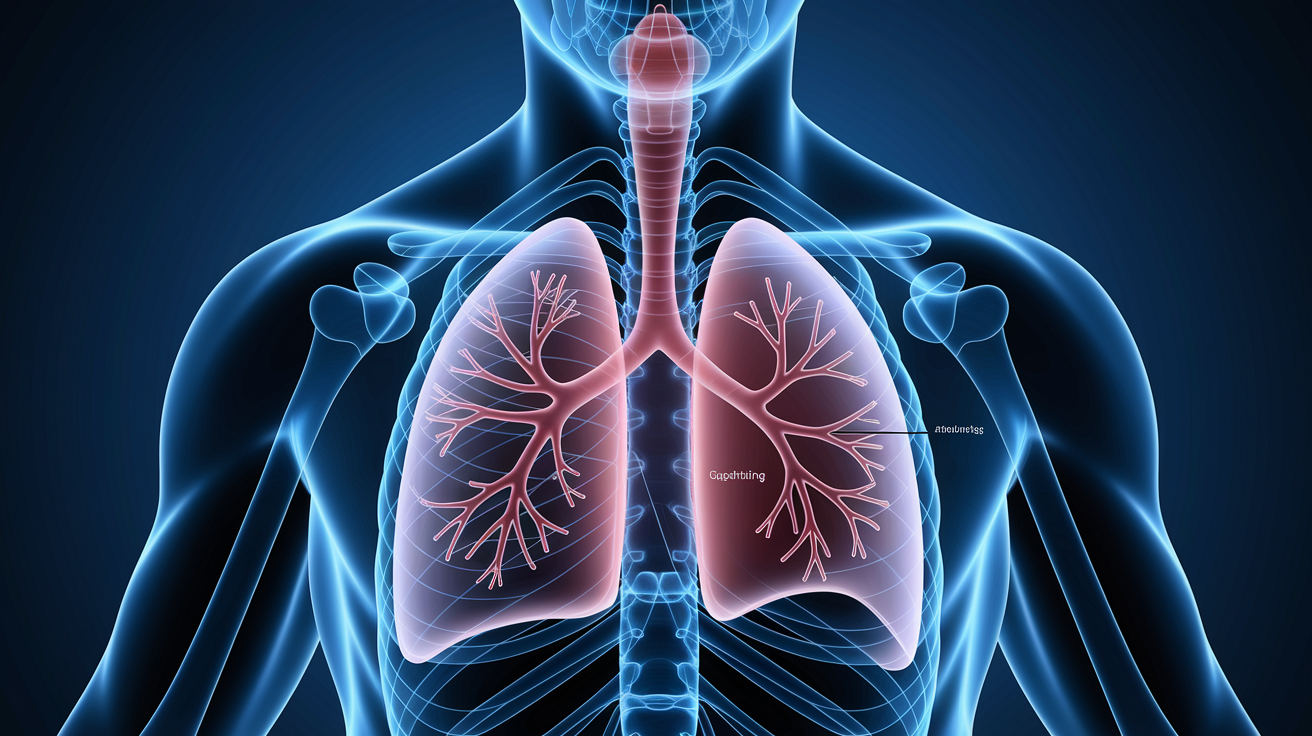
Coughing up blood, which doctors call hemoptysis, means blood’s coming from your lungs, throat, or airways. It might look bright red, pink and frothy, or even rust colored depending on where it started and how long it’s been sitting there. Most of the time, hemoptysis isn’t immediately life threatening. Could be something as simple as throat irritation from a nasty cough or a minor respiratory infection. But sometimes it’s pointing to something serious like pneumonia, tuberculosis, a blood clot in the lung, or even lung cancer.
The key difference between mild and severe causes usually comes down to how much blood you’re seeing, how often it’s happening, and what other symptoms are showing up with it. A few streaks of blood in your mucus after days of heavy coughing? Might just be irritation. Coughing up a cupful of blood or having trouble breathing at the same time? That’s a medical emergency. Knowing which warning signs to watch for can help you decide whether you need to call 911 or schedule a same day appointment with your doctor.
Emergency warning signs that require immediate care:
- You cough up more than half a cup of blood in 24 hours (about 120 mL)
- You’re short of breath, struggling to breathe, or feel like your airway is closing
- You have chest pain, a very fast heart rate, or you feel dizzy or faint
- You’re vomiting blood or the bleeding won’t stop
- You recently had surgery, a long flight, or you’re on blood thinners and notice sudden bleeding
If any of these red flag symptoms appear, don’t wait to see if they improve. Get to an emergency room or call 911 right away.
Major Causes of Coughing Up Blood

Blood in your cough can come from a range of causes. From everyday irritations to serious lung or heart conditions. Understanding the most common reasons helps you and your doctor figure out what’s happening and how urgent the situation actually is.
Common causes of hemoptysis:
- Acute bronchitis. Inflammation of the airways from a viral infection can irritate the lining and cause small streaks of blood in mucus.
- Pneumonia. A lung infection that can damage small blood vessels, especially if the infection is severe or bacterial.
- Tuberculosis (TB). A bacterial lung infection that often causes persistent cough, fever, night sweats, and blood tinged sputum.
- Chronic obstructive pulmonary disease (COPD) or bronchiectasis. Long term lung diseases that weaken and widen airways, making them more prone to bleeding during flare ups.
- Pulmonary embolism. A blood clot in the lung that blocks blood flow and can cause sudden chest pain, shortness of breath, and hemoptysis.
- Lung cancer. Tumors in the lungs can erode blood vessels, leading to recurrent or persistent bleeding, especially in people over 40 who smoke or used to smoke.
- Blood thinning medications. Drugs like warfarin (Coumadin), apixaban (Eliquis), rivaroxaban (Xarelto), or clopidogrel (Plavix) increase bleeding risk throughout the body, including the lungs.
- Nosebleeds or mouth bleeding. Sometimes blood from your nose, gums, or throat drips down and mixes with saliva, making it look like it’s coming from your lungs.
The severity of hemoptysis depends on your age, whether you have existing lung or heart disease, how long the bleeding has been happening, and whether you’re also experiencing fever, weight loss, or breathing trouble. Young, otherwise healthy people with a short lived respiratory infection are more likely to have a mild cause. Older adults with a history of smoking, chronic lung disease, or unexplained weight loss should be evaluated more urgently for cancer or serious infection.
Symptoms That Require Urgent Medical Attention

Certain warning signs mean the bleeding is severe enough to threaten your breathing or overall stability. You need emergency care right away. Don’t try to “wait and see” if any of these symptoms appear alongside blood in your cough.
Go to the ER or call 911 if you have:
- Large volume bleeding. More than half a cup of blood in 24 hours or any amount that feels uncontrolled
- Shortness of breath, wheezing, or difficulty getting enough air
- Chest pain, pressure, or tightness, especially if it’s sudden
- Dizziness, fainting, or a heart rate that feels very fast or irregular
- High fever (above 103°F or 39.4°C) along with persistent coughing up of blood
- Recent surgery, long travel, or a known clotting disorder, which raises the risk of pulmonary embolism
The amount of blood matters, but so does timing and what else is going on in your body. A small streak of blood after a week of bronchitis may be irritation. The same small amount combined with sudden chest pain and rapid breathing could be a clot in the lung. When in doubt, err on the side of getting checked.
How Doctors Diagnose the Cause
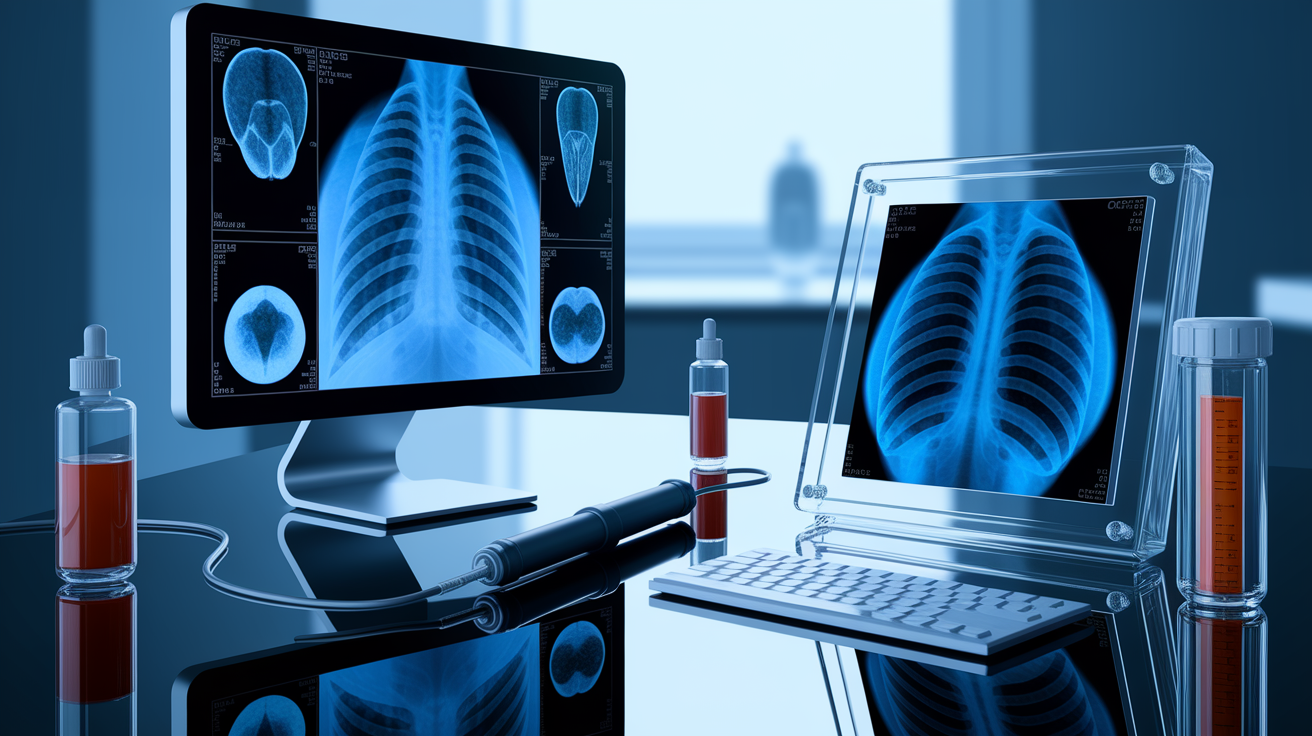
Figuring out why you’re coughing up blood usually starts with a conversation about your symptoms, medical history, and recent illnesses. Then comes tests to look at your lungs and airways. Early diagnosis is especially important if there’s a chance of infection, clot, or cancer.
Common diagnostic tests include:
- Chest X-ray. A quick first step to check for pneumonia, masses, fluid, or other visible abnormalities in the lungs.
- Chest CT scan. Provides much more detail than an X-ray and can spot smaller tumors, blood clots, or signs of chronic lung disease.
- Bronchoscopy. A thin, flexible tube with a camera is passed through your nose or mouth into your airways so the doctor can see the bleeding source directly and sometimes stop it during the procedure.
- Sputum tests and cultures. Your mucus is analyzed for bacteria, fungi, or acid fast bacilli (the germ that causes TB).
- Blood tests. Check for anemia, clotting problems, and general health markers. A D-dimer test or CT pulmonary angiography may be ordered if a pulmonary embolism is suspected.
Once the tests are complete, your doctor uses the results to decide whether you need antibiotics for an infection, anticoagulation adjustment if you’re on blood thinners, imaging follow up for a suspicious mass, or a referral to a lung specialist (pulmonologist) or ear nose throat doctor (ENT). The goal is to match the treatment to the cause and to catch serious conditions like cancer or TB as early as possible.
What To Do at Home and What To Avoid

If you’ve coughed up a small amount of blood and don’t have any emergency warning signs, there are a few safe steps you can take at home while you arrange to see a doctor. Keep in mind that home care is only appropriate for mild, short lived symptoms with no breathing trouble or chest pain.
Safe steps to take:
- Rest and avoid strenuous activity until you know what’s causing the bleeding.
- Stay hydrated. Drink water or warm liquids to keep mucus thin and easier to clear.
- Avoid smoking, vaping, or exposure to secondhand smoke and irritants like dust or strong chemicals.
- Use a humidifier or saline nasal spray if dry air is contributing to nosebleeds or throat irritation.
- Track your symptoms. Write down when the bleeding started, how much you see, what color it is, and any other symptoms like fever or chest discomfort.
What to avoid:
- Don’t take aspirin, ibuprofen, or other NSAIDs without checking with a clinician. They can increase bleeding risk.
- Don’t ignore recurrent or worsening symptoms, even if each episode is small.
- Don’t suppress a severe cough with over the counter cough medicine until you know the cause. Coughing may be helping you clear blood or mucus from your airways.
Home care is a temporary measure, not a substitute for medical evaluation. If bleeding continues for more than a day, happens more than once, or you develop new symptoms, contact a healthcare provider right away.
When to Seek Follow‑Up Care

Even if your symptoms don’t meet the threshold for an emergency room visit, there are situations where you should schedule a same day or next day appointment with your primary care doctor or a telehealth clinician. Persistent or recurrent hemoptysis needs to be investigated, even when the amounts are small.
Schedule prompt follow up if:
- You’ve coughed up blood more than once, or it keeps coming back over several days
- You have ongoing fever, night sweats, or unexplained weight loss along with the bleeding
- You smoke or have a history of chronic lung disease like COPD, asthma, or bronchiectasis
- The source of the blood isn’t clear. You’re not sure if it’s from your nose, throat, or lungs
Your doctor will likely start with a physical exam and a chest X-ray, and may refer you to a specialist if the cause isn’t obvious or if further testing like a CT scan or bronchoscopy is needed.
Final Words
If you coughed up blood, this post ran you through what it can mean — from minor throat irritation or a small infection to more serious causes like pneumonia, clots, or cancer. You learned the key red flags, how doctors diagnose the cause, basic home care, and when to arrange follow up.
If you’re asking “what does it mean when you cough up blood,” remember that not every case is an emergency, but trouble breathing, large amounts of blood, fainting, or high fever need prompt care. Most people get answers with testing, and timely steps help.
FAQ
Q: Is coughing blood up serious?
A: Coughing up blood can be serious. It ranges from minor throat irritation to major lung problems; heavy bleeding, dizziness, chest pain, or trouble breathing needs immediate medical evaluation.
Q: Should I go to the ER if coughing up blood?
A: You should go to the ER if coughing up blood with heavy bleeding, shortness of breath, fainting, sudden chest pain, fast heartbeat, recent chest trauma, or recent surgery; for small streaks, contact your primary care clinician.
Q: How to treat coughing blood at home?
A: Treating coughing blood at home means resting, sitting upright, spitting into a tissue, staying hydrated, avoiding smoking and blood thinners, and tracking amount and timing; seek care if bleeding or symptoms get worse.