

Did the room just spin out of nowhere, or did you almost faint after standing up?
Sudden dizziness is a common, often fixable symptom that happens when your brain briefly loses clear balance signals, like a GPS losing its signal.
It can come from your inner ear, low blood pressure, dehydration, low blood sugar, a new medicine, or a panic reaction.
This article walks through common triggers, simple things to try right away, what to track, and the warning signs so you can decide whether to manage it at home or get care now.
Most Common Reasons for Sudden Dizziness

Sudden dizziness happens when your brain temporarily doesn’t get the information or resources it needs to keep you balanced and oriented. That disruption can come from your inner ear, your circulation, your blood chemistry, or even a medication you just started. Most of the time, the cause is straightforward and fixable. Understanding what’s behind your symptoms helps you decide whether you can manage it at home or need to see someone right away.
The most frequent triggers include:
Dehydration. Not enough fluids in your body reduces blood volume and makes you feel woozy or faint.
Low blood pressure. A sudden drop when you stand up (orthostatic hypotension) or after a meal can leave you lightheaded.
Inner ear problems. Conditions like benign paroxysmal positional vertigo (BPPV) cause brief spinning when you move your head.
Viral infections. A cold or flu can inflame the inner ear or the nerve that controls balance, leading to days of intense vertigo.
Low blood sugar. Skipping meals or taking too much diabetes medication can make you shaky and dizzy.
Anemia. When your red blood cell count is low, your brain doesn’t get enough oxygen.
Medication side effects. Blood pressure drugs, sedatives, and even over the counter allergy pills can cause dizziness.
Panic attacks. Sudden fear triggers a rapid heartbeat, shallow breathing, and a feeling of being faint or disconnected.
Some warning signs mean you should get help now. Call 911 if sudden dizziness comes with chest pain, fainting, severe headache, numbness or weakness on one side of your body, slurred speech, trouble seeing, or confusion. Those symptoms can signal a stroke, heart attack, or another emergency that needs immediate treatment.
Difference Between Vertigo and Lightheadedness
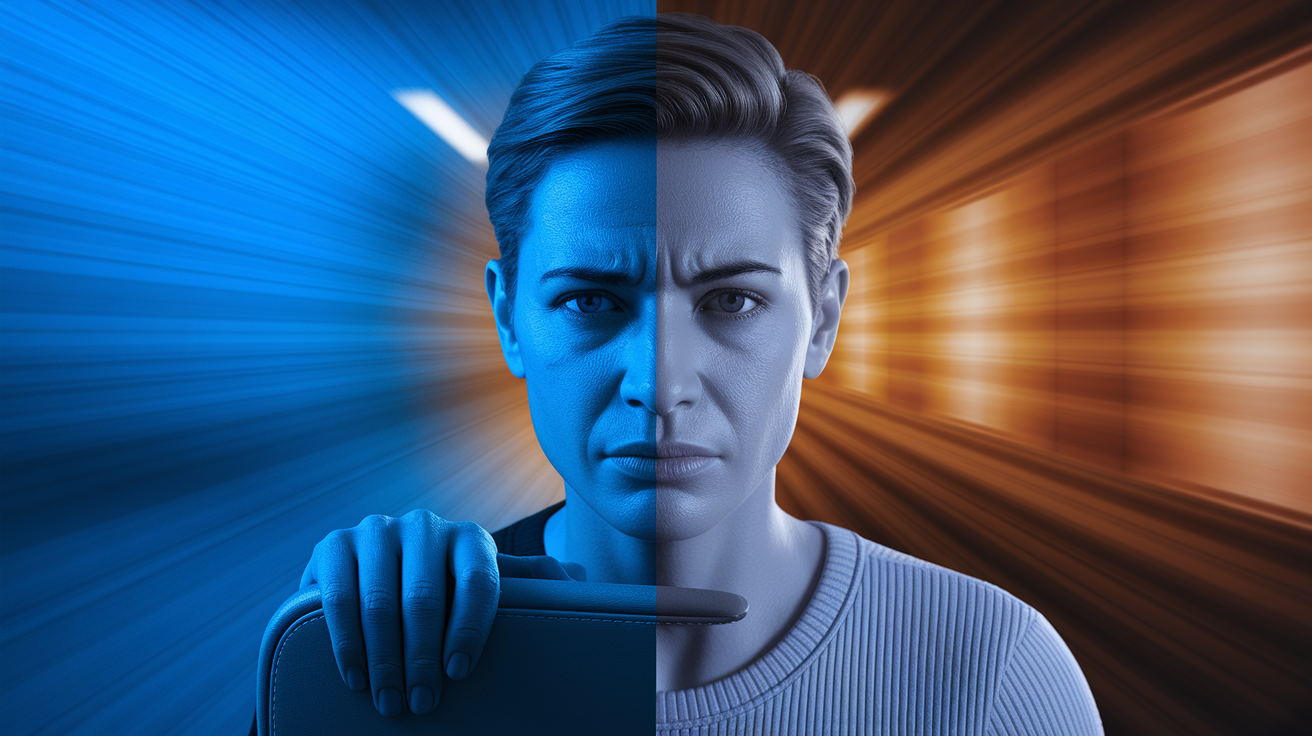
Vertigo and lightheadedness are both types of dizziness, but they feel different and usually point to different problems. Vertigo is the sensation that you or the room around you is spinning or moving. Like you just stepped off a merry go round. It’s almost always caused by something in your inner ear or the nerve pathways that control balance.
Lightheadedness feels more like you might faint. You might describe it as woozy, giddy, or unsteady. It’s usually tied to your blood pressure, hydration, blood sugar, or heart rhythm.
Recognizing which one you’re experiencing helps narrow down the cause and guides what to do next. If you’re spinning, the problem is likely in your ear or your vestibular system. If you’re feeling faint, it’s more likely a circulation or metabolic issue.
| Symptom Type | Description |
|---|---|
| Vertigo | Spinning or motion sensation, often triggered by head movement, linked to inner ear or vestibular nerve issues |
| Lightheadedness | Feeling faint, woozy, or about to pass out, often related to blood pressure, dehydration, or low blood sugar |
Inner Ear Related Causes
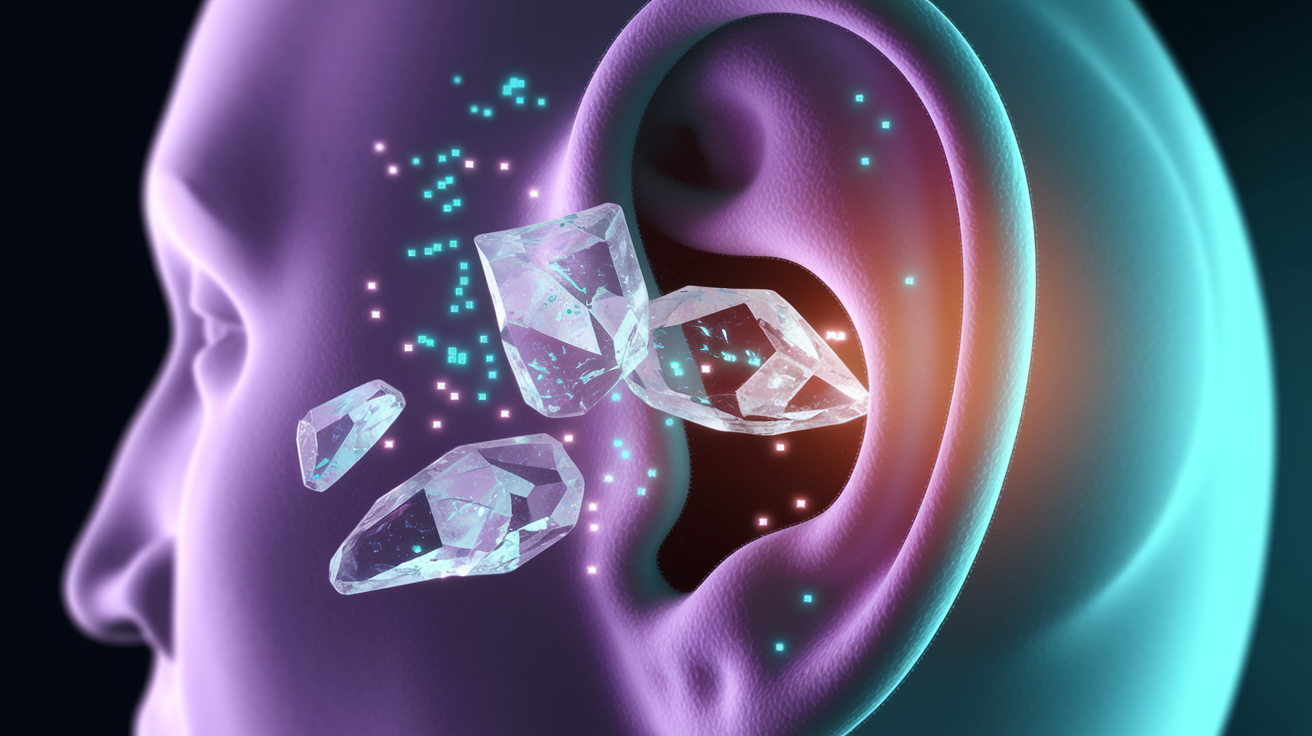
Your inner ear contains tiny structures that tell your brain where your head is in space. When those structures get disrupted, your brain receives conflicting signals, and you feel dizzy or like the world is spinning.
Benign paroxysmal positional vertigo (BPPV) is the most common inner ear cause of sudden dizziness. It happens when small calcium crystals in your ear shift out of place and drift into the wrong canal. The result is brief but intense vertigo when you roll over in bed, look up, or bend down. Each episode lasts less than a minute if you hold still, and it doesn’t cause hearing loss or other neurological symptoms. A clinician can often fix BPPV with a simple repositioning maneuver called the Epley maneuver. During the Epley maneuver, your doctor will guide your head through a series of positions to move the crystals back where they belong, and many people feel better right away.
Vestibular neuritis is caused by inflammation of the nerve that carries balance signals from your inner ear to your brain. It’s usually triggered by a viral infection, and it causes sudden, severe vertigo that can last for hours or even days. You might feel nauseated, vomit, and have trouble walking, but your hearing stays normal. Symptoms often improve within a few days, though some people feel off balance for weeks or months. A short course of medication, often an antinausea drug, an antihistamine, or a benzodiazepine, can help control the worst symptoms in the first three days.
Ménière’s disease is a chronic condition caused by fluid buildup in the inner ear. It triggers episodes of vertigo that last anywhere from minutes to hours, along with ringing in the ear (tinnitus), a feeling of fullness or pressure in the ear, and gradual hearing loss. The exact cause isn’t fully understood, but viral infections and autoimmune reactions are suspected. Treatment usually combines medications, dietary changes (like reducing salt), and stress management to reduce the frequency and severity of attacks.
Circulatory and Blood Pressure Related Causes
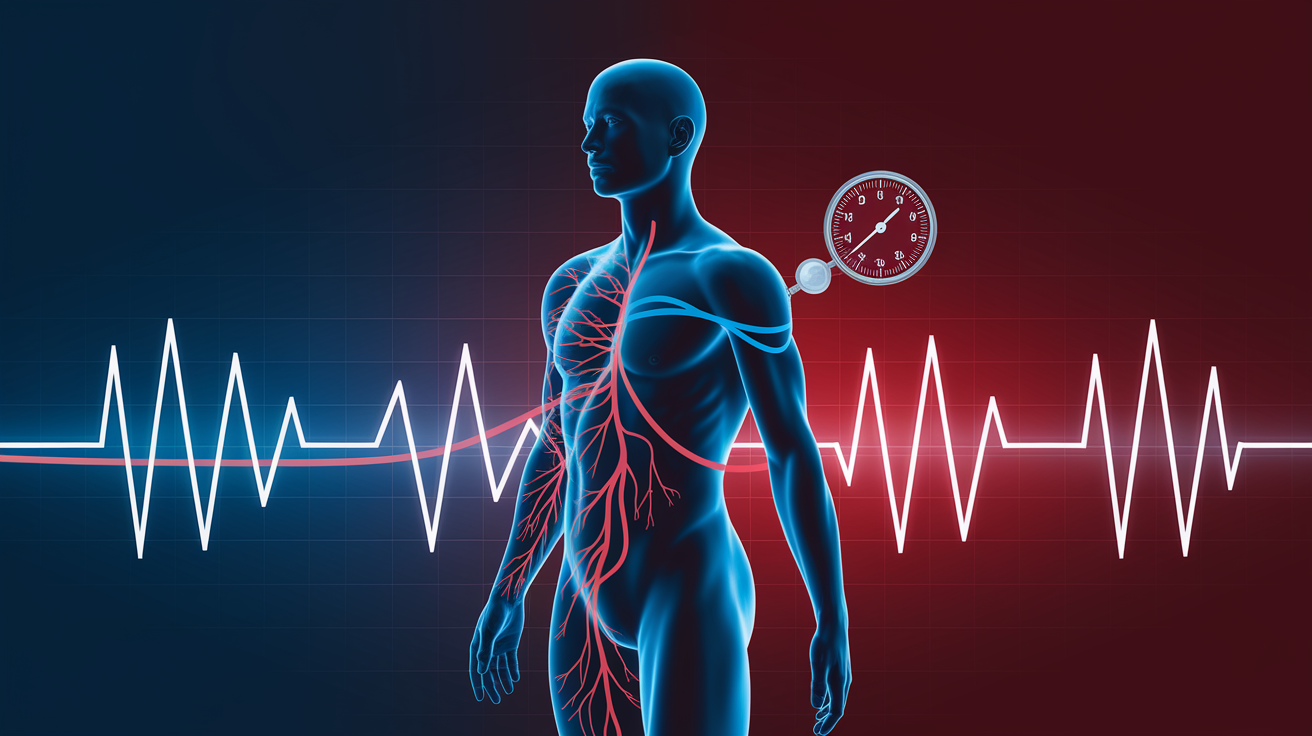
When your blood pressure drops suddenly, your brain doesn’t get enough oxygen, and you feel lightheaded or faint. Orthostatic hypotension is the technical term for a drop in blood pressure that happens when you stand up too quickly. Normally, your body adjusts by tightening blood vessels and increasing your heart rate. If that system doesn’t respond fast enough, you might feel dizzy, see spots, or feel like you’re about to pass out. It’s more common in older adults, but it can happen to anyone. Especially in the morning, after a big meal, during exercise, or in hot weather.
Simple fixes include standing up slowly, staying hydrated, and sleeping with your head slightly elevated. In some cases, a doctor may prescribe medication or suggest adding more salt to your diet.
Dehydration is one of the most straightforward causes of sudden dizziness. When you don’t have enough fluids in your body, your blood volume drops, and your blood pressure can fall. You might also notice a dry mouth, dark yellow urine, and feeling tired or confused. Drinking water or an electrolyte drink like Gatorade usually helps within an hour or two. If you’re severely dehydrated (especially after vomiting, diarrhea, or heavy sweating) you might need IV fluids at a hospital. Heat exhaustion, which often goes hand in hand with dehydration, can make dizziness worse and requires immediate cooling and rehydration.
Blood Sugar, Anemia, and Other Systemic Causes

Low blood sugar, also called hypoglycemia, can make you feel suddenly weak, shaky, sweaty, and dizzy. It’s most common in people with diabetes who take insulin or certain other medications, but it can also happen if you skip meals or exercise hard without eating enough. Your brain runs on glucose, and when levels drop too low, it can’t function normally.
The fix is quick. Eat or drink something with fast acting carbohydrates. Fruit juice, a few hard candies, or glucose tablets, then follow up with a balanced meal. If you have diabetes and experience frequent low blood sugar, talk with your clinician about adjusting your medication or meal timing.
Anemia means you don’t have enough healthy red blood cells to carry oxygen to your tissues. The most common cause is iron deficiency, often from poor diet, heavy menstrual bleeding, or chronic blood loss. When your brain doesn’t get enough oxygen, you feel tired, lightheaded, and short of breath. You might also notice a fast or irregular heartbeat, pale skin, chest pain, or cold hands and feet. Treatment usually involves iron supplements or addressing the underlying cause of blood loss. A simple blood test can confirm whether anemia is the reason you’re feeling dizzy.
Medication Related Dizziness

Many common medications list dizziness as a side effect. Blood pressure drugs (especially ACE inhibitors, beta blockers, and diuretics) can lower your pressure too much or cause dehydration. Sedatives and sleep aids slow down your nervous system, leaving you groggy and unsteady. Antidepressants, particularly older tricyclics and some SSRIs, can affect balance and blood pressure. Even over the counter antihistamines like diphenhydramine (Benadryl) can make you feel dizzy and drowsy.
Common medication categories that may cause dizziness include:
Blood pressure medications. ACE inhibitors, beta blockers, diuretics
Sedatives and sleep aids. benzodiazepines, zolpidem (Ambien), eszopiclone (Lunesta), temazepam (Restoril)
Antidepressants. fluoxetine (Prozac), trazodone, older tricyclics
Antihistamines. diphenhydramine (Benadryl, Unisom), promethazine
If you started a new medication recently and began feeling dizzy, let your doctor know. In many cases, adjusting the dose or switching to a different drug solves the problem.
Safe Self Care Steps to Reduce Sudden Dizziness

If you feel dizzy and don’t have any red flag symptoms, there are a few simple things you can do at home to feel steadier and reduce your risk of falling. These steps won’t diagnose the cause, but they can help you stay safe while you figure out what’s going on.
Sit or lie down right away. Don’t try to push through it. Find a safe spot and stay still until the feeling passes.
Move slowly when you change position. Sit on the edge of your bed for a moment before standing up. If you need to get up at night, turn on a light first.
Drink water or an electrolyte drink. Dehydration is one of the easiest causes to fix, so start there.
Eat something if you haven’t in a while. A piece of fruit, a handful of crackers, or a small snack can help if low blood sugar is the issue.
Avoid driving or using machinery until the dizziness clears. Even mild dizziness can slow your reaction time and put you at risk.
These steps are generally safe for most people, but they’re not a substitute for medical evaluation if your symptoms are new, severe, or unexplained.
When Sudden Dizziness Requires Urgent Care

Some causes of sudden dizziness are medical emergencies. If your dizziness comes with any new neurological symptoms, don’t wait. Call 911 or get to an emergency room right away.
Stroke is the biggest concern. Warning signs include sudden confusion, trouble speaking or understanding others, slurred speech, numbness or weakness in your face or one side of your body, trouble seeing in one or both eyes, double vision, or an inability to stand even when holding onto something. A severe headache or neck pain with no clear cause, sudden vomiting, or a drooping eyelid or unequal pupils are also red flags.
Heart related emergencies can also start with dizziness. If you feel dizzy along with chest pain, shortness of breath, a racing or pounding heartbeat, or you actually faint, call 911. Even without those symptoms, any new, unexplained, or persistent dizziness should prompt a call to your doctor or a trip to the ER. Especially if you have risk factors like high blood pressure, diabetes, atrial fibrillation, or a history of stroke or heart disease.
Young, healthy people can have strokes too, so don’t assume you’re safe just because you don’t fit a typical risk profile. When in doubt, get checked.
Final Words
You’ve seen the most likely reasons sudden dizziness happens, from dehydration and low blood pressure to inner ear problems, low blood sugar, anemia, and medication side effects. We also covered the difference between vertigo and lightheadedness, safe home steps, and warning signs that need urgent care.
Today, try simple self-care like sipping fluids, rising slowly, and noting when symptoms happen and what makes them worse. If warning signs appear, get help right away.
If you’re still asking what causes sudden dizziness, bring your notes to a clinician and you’ll get clearer next steps. You’ll feel better prepared.
FAQ
Q: What does it mean if you get really dizzy out of nowhere?
A: If you get really dizzy out of nowhere, it often means a sudden inner ear disturbance, a drop in blood pressure or blood sugar, dehydration, or a medication side effect—sit or lie down and steady yourself.
Q: What are the top 3 causes of dizziness?
A: The top three causes of dizziness are inner ear problems (like BPPV), sudden drops in blood pressure when standing (orthostatic hypotension), and dehydration reducing blood volume and flow.
Q: Can a dizzy spell be a stroke?
A: A dizzy spell can be a stroke symptom when it comes with sudden weakness or numbness, trouble speaking or seeing, severe headache, chest pain, or fainting—seek emergency care immediately.