

What if your constant thirst is trying to tell you something more than a hot day or a long run?
Persistent, unrelieved thirst, called polydipsia (constant, excessive thirst), isn’t just annoying.
It can point to conditions like high blood sugar, diabetes insipidus, certain medicines, kidney or electrolyte problems, or dehydration that won’t quit.
This post explains those medical reasons in clear, practical terms, shows what you can check at home, and tells you exactly when to seek medical help.
Key Reasons Behind Excessive Thirst Explained

Excessive thirst, what doctors call polydipsia, is that nagging urge to drink that won’t go away even after you’ve downed what feels like plenty of water. It’s not the same as normal thirst after a workout or a bag of salty chips. This kind of thirst hangs around for days or weeks, sometimes bringing along frequent bathroom trips or fatigue you can’t quite explain. Most adults put out around 3 quarts (about 2.8 liters) of urine daily. When you’re constantly thirsty despite drinking normally, or when you’re peeing way more than usual, something deeper’s going on.
Dehydration is the obvious suspect, but it’s rarely the whole story. Diabetes can create this weird loop where peeing more makes you thirstier, which makes you drink more, which makes you pee more. Some meds pull extra water from your body or dry out your mouth, either mimicking thirst or making it worse. Electrolyte problems or kidney trouble can throw off how your body handles fluids. These causes stack up and tangle together, making it tough to figure out what’s really driving the problem without stepping back and looking at everything.
Your environment and habits matter too. Hot weather, intense workouts, and diets heavy in salt or protein naturally bump up your fluid needs. When you can’t keep up, or when your body’s losing more water than it’s getting, thirst becomes your constant companion. Sometimes the thirst feeling sticks around even when you’re actually hydrated fine. Dry mouth from breathing through your mouth or certain medications tricks you into drinking more without fixing the real discomfort.
The usual suspects behind persistent excessive thirst:
- Not drinking enough or losing too much fluid
- Diabetes issues (both the blood sugar kind and the hormonal kind)
- Medication side effects (water pills, anticholinergics, others)
- Electrolyte weirdness like sodium that’s too low or too high
- Kidney conditions messing with fluid balance
- Lifestyle stuff like diet, heat, booze, or caffeine
How Blood Sugar Levels Drive Excessive Thirst
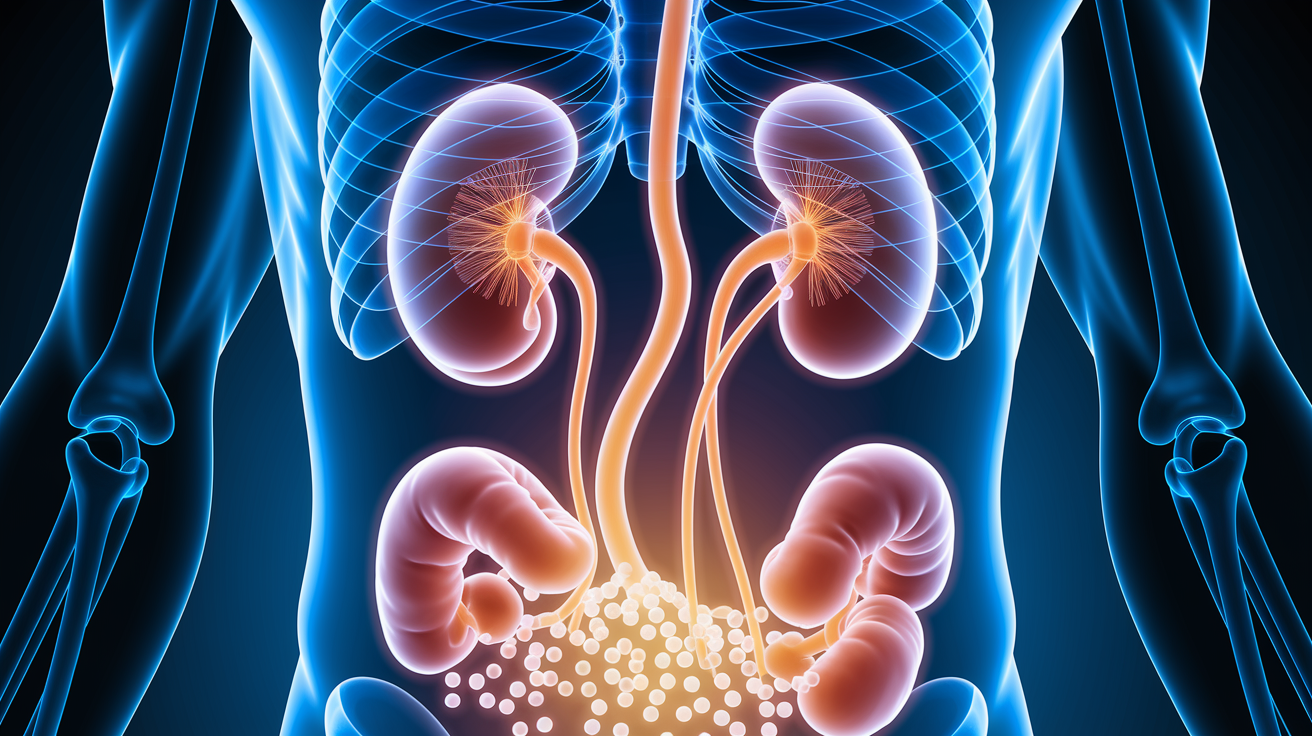
When blood glucose climbs too high, your kidneys try to filter out the extra sugar. This drags more water into your urine, a process called osmotic diuresis. As urine volume goes up, you lose more fluid than you’re taking in, and thirst kicks in to tell you to drink more. The cycle repeats. High glucose means more peeing, more peeing means more thirst, and unless you deal with the glucose problem, the thirst never really stops. This mechanism works the same way whether you’ve been diagnosed with diabetes or not. If glucose stays elevated long enough, the loop runs on its own.
Tracking your blood glucose can show whether high sugar is what’s secretly driving your thirst. Home glucose meters (the finger prick kind) and continuous glucose monitors give you real time numbers showing how your levels shift all day, after meals, overnight, or after you’ve been active. When thirst episodes line up with high glucose readings, the pattern gets pretty clear. Even if you don’t have a diabetes diagnosis, monitoring can help if you’re noticing more bathroom trips or unexplained thirst, especially when other symptoms like tiredness or fuzzy vision show up. Keep a simple log with date, time, glucose reading, and whether you felt thirsty. That makes it way easier for a clinician to decide if glucose control is the key issue or if something else is adding to the problem.
Identifying Patterns Through Glucose Monitoring
When you see consistent readings above 180 mg/dL (10 mmol/L) after meals, or fasting values creeping past 100 mg/dL (5.6 mmol/L) over and over, that usually explains why your thirst won’t quit. Glucose monitoring also catches spikes you’d miss otherwise, like late night highs that mess with your sleep or post meal surges that drive mid afternoon thirst. If thirst improves when glucose readings normalize (through diet tweaks, meds, or lifestyle changes), you’ve confirmed the link. If glucose stays normal but thirst keeps going, you need to look somewhere else.
Common Medical Conditions Linked to Excessive Thirst
Diabetes mellitus, whether type 1, type 2, or gestational, increases thirst through your body’s struggle to manage glucose. In type 1, the pancreas makes little or no insulin, so glucose piles up in the blood and triggers that osmotic diuresis cycle we talked about earlier. Type 2 develops when cells resist insulin, again leaving glucose levels chronically high. Even before you get a formal diagnosis, symptoms like peeing all the time, constant thirst, unexplained weight loss, and fatigue can signal that glucose control has slipped out of balance. The disease itself, not just the high blood sugar, creates ongoing metabolic stress that makes normal hydration feel impossible to maintain.
Gestational diabetes pops up during pregnancy, typically between weeks 24 and 28, when hormonal shifts reduce how well insulin works. Pregnant people often feel thirstier than usual because of increased blood volume and amniotic fluid needs. But when thirst becomes extreme, unrelieved by drinking, paired with frequent urination, unusual exhaustion, or sudden sugar cravings, gestational diabetes should get checked. Screening usually involves a glucose tolerance test during the second trimester. Catching it early protects both parent and baby from complications like high birth weight or early delivery.
Diabetes insipidus is completely different. It has nothing to do with blood sugar. Instead, your body either doesn’t make enough vasopressin (also called antidiuretic hormone or ADH), the central kind, or your kidneys can’t respond to vasopressin properly, the nephrogenic kind. Without adequate vasopressin activity, the kidneys lose their ability to concentrate urine, so huge volumes of dilute urine leave your body all day and night. Urine output can soar to 20 quarts (about 19 liters) daily in severe cases. The constant fluid loss creates relentless thirst. Unlike diabetes mellitus, blood glucose stays normal in diabetes insipidus, but the symptoms of thirst and frequent urination can look identical at first.
Kidney disease, heart failure, liver failure, and electrolyte imbalances also boost thirst in different ways. When kidneys can’t filter waste properly, waste buildup and fluid regulation problems can both increase thirst and reduce your body’s ability to handle the fluids you do drink. Elevated calcium (hypercalcemia) disrupts how kidneys concentrate urine, leading to more pee and more thirst. Sepsis and severe infections can shift fluid balance fast, producing dehydration and intense thirst as part of your body’s stress response. Each of these conditions requires targeted treatment, which is why persistent thirst plus other signs of illness deserves prompt evaluation.
| Condition | How It Increases Thirst |
|---|---|
| Diabetes mellitus (type 1, 2, gestational) | High blood glucose triggers osmotic diuresis, increasing urine output and thirst |
| Diabetes insipidus (central or nephrogenic) | Lack of or resistance to vasopressin prevents kidneys from concentrating urine, causing massive fluid loss |
| Kidney disease | Impaired filtration and fluid balance disrupt normal hydration regulation |
| Hypercalcemia (high calcium) | Excess calcium interferes with kidney function, increasing urine volume |
| Sepsis or severe infection | Systemic inflammation and fluid shifts lead to dehydration and increased thirst |
Medications and Dry Mouth Conditions That Trigger Thirst
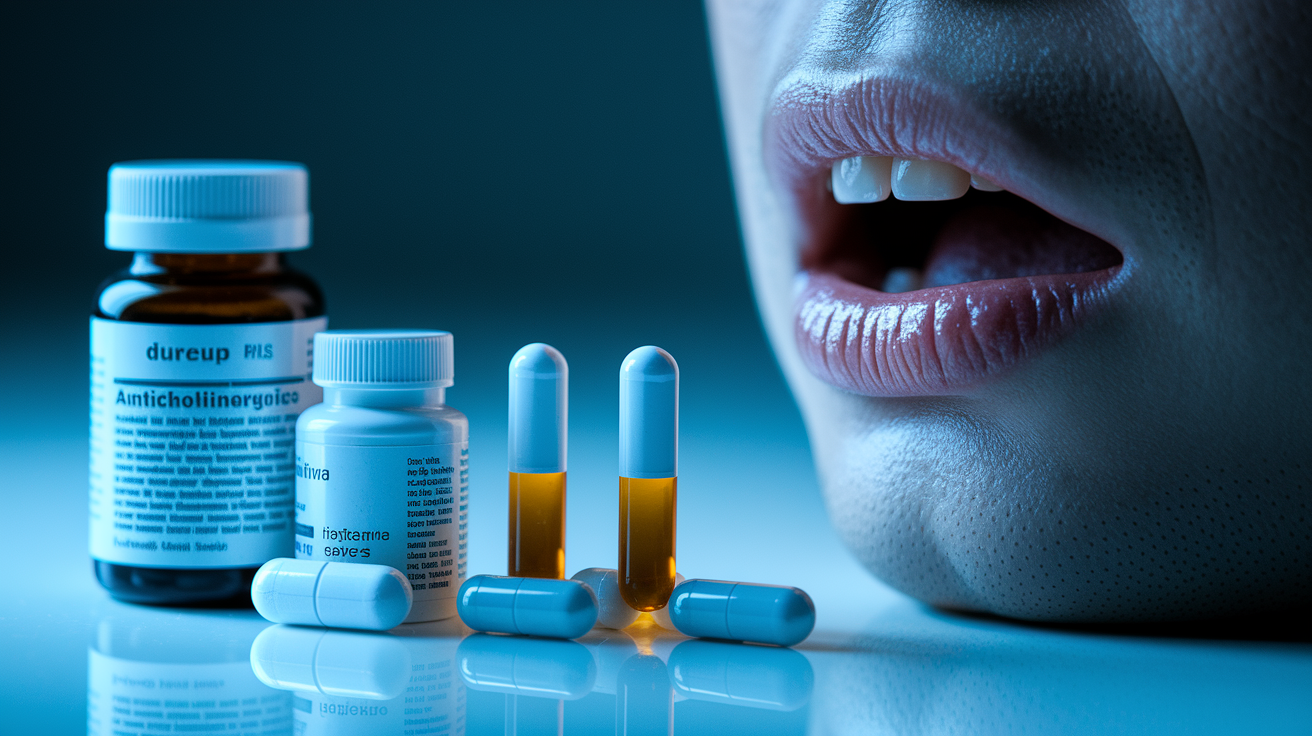
Lots of commonly prescribed medications increase thirst either by pulling extra water from your body or by drying out your mouth and throat. Diuretics, often used for high blood pressure or heart failure, do exactly what their name says. They make you pee more. As urine output rises, you lose both water and electrolytes, triggering thirst to make up for it. Corticosteroids can raise blood sugar and mess with fluid balance, which may indirectly increase thirst. Antipsychotics have been linked to polydipsia through unclear mechanisms that might involve altered thirst regulation in the brain. Each of these medication classes can create persistent thirst even when the underlying condition being treated has nothing to do with fluid balance.
Dry mouth, medically called xerostomia, often feels like thirst, but chugging more water doesn’t always fix it. Anticholinergic drugs (found in some allergy meds, antidepressants, and medications for overactive bladder) block the signals that trigger saliva production, leaving your mouth persistently dry. Antihistamines and certain antidepressants do the same thing. Mouth breathing, smoking, and sleeping with your mouth open can also dry out mucous membranes, creating a sensation that mimics thirst. When your mouth is dry but your body is actually hydrated fine, drinking more fluids won’t relieve the discomfort. You’re treating the wrong problem. Saliva substitutes, sugar free gum, or adjusting medications may help more than extra water.
Common medication classes and drugs that frequently cause thirst or dry mouth:
- Diuretics (hydrochlorothiazide, furosemide)
- Anticholinergics (oxybutynin, benztropine)
- Antidepressants (amitriptyline, paroxetine)
- Antipsychotics (clozapine, olanzapine)
- Antihistamines (diphenhydramine, loratadine)
Lifestyle, Diet, and Environmental Factors Increasing Thirst

Heat and physical activity are two of the most straightforward reasons for increased thirst. When you sweat heavily, whether from a workout, a hot day, or both, you lose water and electrolytes. Your body responds by ramping up thirst to restore balance. If you’re working outside in summer or exercising hard without drinking enough, the thirst signal kicks up quickly. Same principle applies indoors if heating systems or low humidity dry out your airways and skin, increasing invisible water losses.
Diet plays a bigger role than a lot of people realize. High sodium meals (processed foods, restaurant dishes, salty snacks) pull water from cells into the bloodstream, increasing urine output and thirst. High protein and low carb diets increase thirst for different reasons. Protein metabolism produces waste products that your kidneys must flush out with extra water, and low carb diets trigger initial water weight loss as glycogen stores get depleted. Caffeine and alcohol both act as diuretics, increasing urine production. A cycle develops where you drink coffee or wine, lose more water than you took in, and feel thirstier a few hours later. Drinking huge amounts of water in response can sometimes tip into overhydration, diluting blood sodium and risking a condition called hyponatremia, especially during long exercise sessions.
Behavioral triggers matter too. Stress and anxiety can alter hormone levels and reduce saliva flow, creating dry mouth and a sense of thirst even when hydration is adequate. Some people develop compulsive drinking habits, gulping water out of habit or nervousness rather than true physiological need. If you’re drinking several liters more than the typical 1.5 to 3.1 liters per day (depending on activity and climate) and still feeling thirsty, it’s worth asking whether anxiety, habit, or an undiagnosed medical issue is driving the pattern.
Four lifestyle factors that commonly increase thirst:
- Excessive sweating from heat or intense exercise
- High sodium or high protein diets
- Caffeine and alcohol consumption
- Chronic stress or anxiety
Diagnostic Approaches for Persistent Thirst
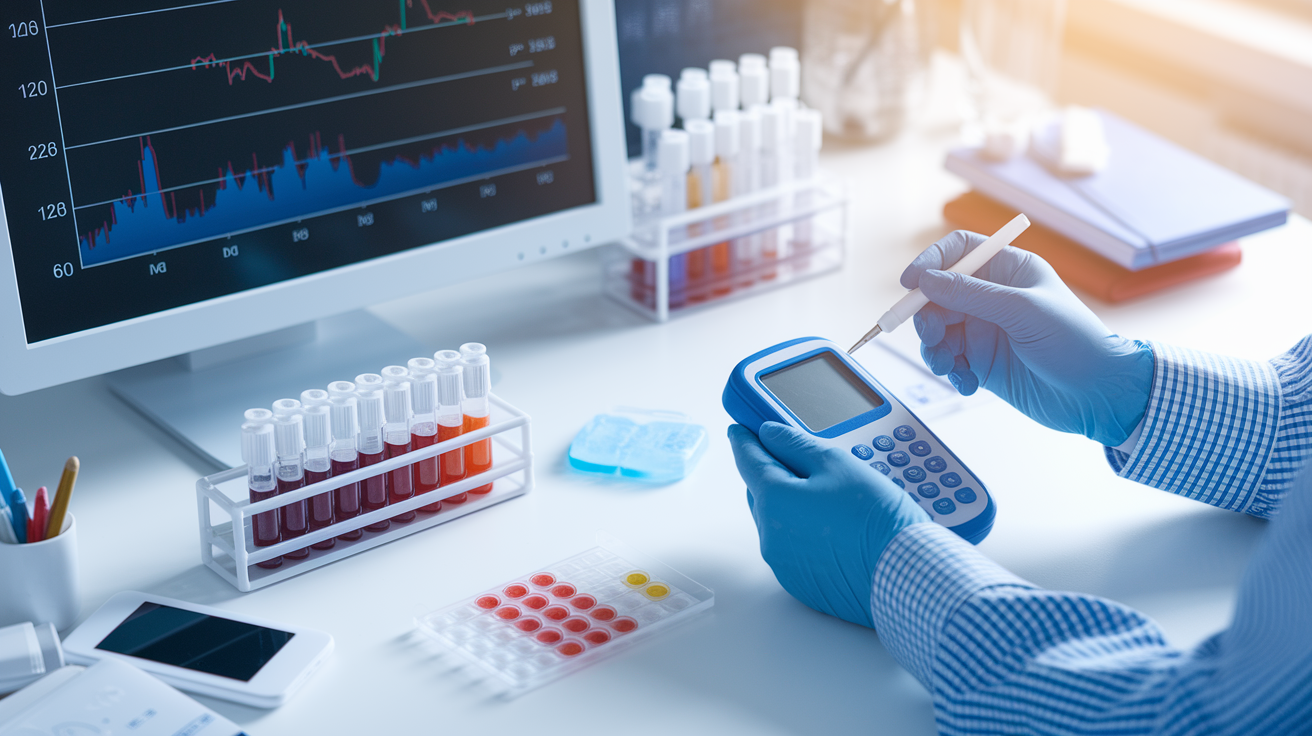
When thirst persists despite reasonable attempts at hydration, a clinician will start by reviewing your history and symptoms. They’ll ask about how much you’re drinking, how often you urinate, any medications you take, recent illnesses, and whether other symptoms like weight loss, fatigue, or blurred vision are present. Blood tests typically check glucose, electrolytes (especially sodium and calcium), and kidney function markers like creatinine and blood urea nitrogen. These basic labs can quickly flag diabetes, kidney disease, or electrolyte imbalances.
Urine tests add another layer of detail. A urinalysis checks for glucose (which spills into urine when blood sugar is high), protein (a sign of kidney damage), and signs of infection. Measuring urine osmolality, the concentration of particles in your urine, helps determine whether your kidneys are properly concentrating urine or allowing too much water to escape. If diabetes insipidus is suspected, a water deprivation test may get ordered. You’ll be asked to stop drinking for several hours while urine output and concentration are monitored. In healthy kidneys, urine becomes more concentrated as you get dehydrated. In diabetes insipidus, urine stays dilute no matter how thirsty you become. A synthetic vasopressin test may follow to distinguish central from nephrogenic causes.
Emerging tests like copeptin measurement (a stable marker of vasopressin) are becoming more common in specialized settings, offering a simpler alternative to the water deprivation test. Continuous glucose monitors and home glucose logs also provide valuable diagnostic clues when diabetes is a possibility. Tracking when thirst episodes happen alongside glucose readings, meal timing, and urine frequency creates a detailed picture that helps clinicians narrow down the cause quickly.
| Test | What It Shows |
|---|---|
| Serum glucose | Detects high blood sugar that may cause osmotic diuresis and thirst |
| Serum sodium and electrolytes | Identifies imbalances (high or low sodium, high calcium) disrupting fluid regulation |
| Urine osmolality | Measures urine concentration; low values suggest kidneys aren’t conserving water properly |
| Water deprivation test | Challenges kidneys to concentrate urine; helps diagnose diabetes insipidus |
When Excessive Thirst Signals a Need for Medical Care

Persistent thirst that doesn’t improve with normal fluid intake, especially when it lasts more than a week, deserves medical attention. If you’re drinking what seems like plenty of water but still feel parched, or if you notice your urine output climbing noticeably higher than usual, something beyond simple dehydration is likely at work. Waiting to see if it resolves on its own risks missing conditions like diabetes, kidney disease, or medication side effects that are easier to manage when caught early.
Certain red flags call for urgent or emergency evaluation. If you’re vomiting or have diarrhea severe enough that you can’t keep fluids down, dehydration can spiral quickly, especially in children, older adults, or anyone with chronic illness. Blurred vision paired with increased thirst and urination may signal dangerously high blood sugar. Signs of infection like fever, severe fatigue, or confusion combined with increased thirst can indicate sepsis or another serious illness. If you’re pregnant and experiencing extreme, unrelieved thirst between 24 and 28 weeks, get checked for gestational diabetes. Very high urine output (soaking through multiple large volume bathroom trips every hour, day and night) suggests diabetes insipidus or another urgent kidney issue.
Six warning signs that require prompt medical care:
- Persistent thirst despite drinking adequate fluids for more than one week
- Inability to keep fluids down due to vomiting or diarrhea
- Sudden increase in urination frequency or volume (waking multiple times nightly)
- Extreme fatigue, unexplained weight loss, or blurred vision
- Thirst accompanied by fever, confusion, or signs of severe infection
- Consistently high blood glucose readings (above 180 mg/dL after meals or above 100 mg/dL fasting)
Safe Ways to Manage Excessive Thirst at Home
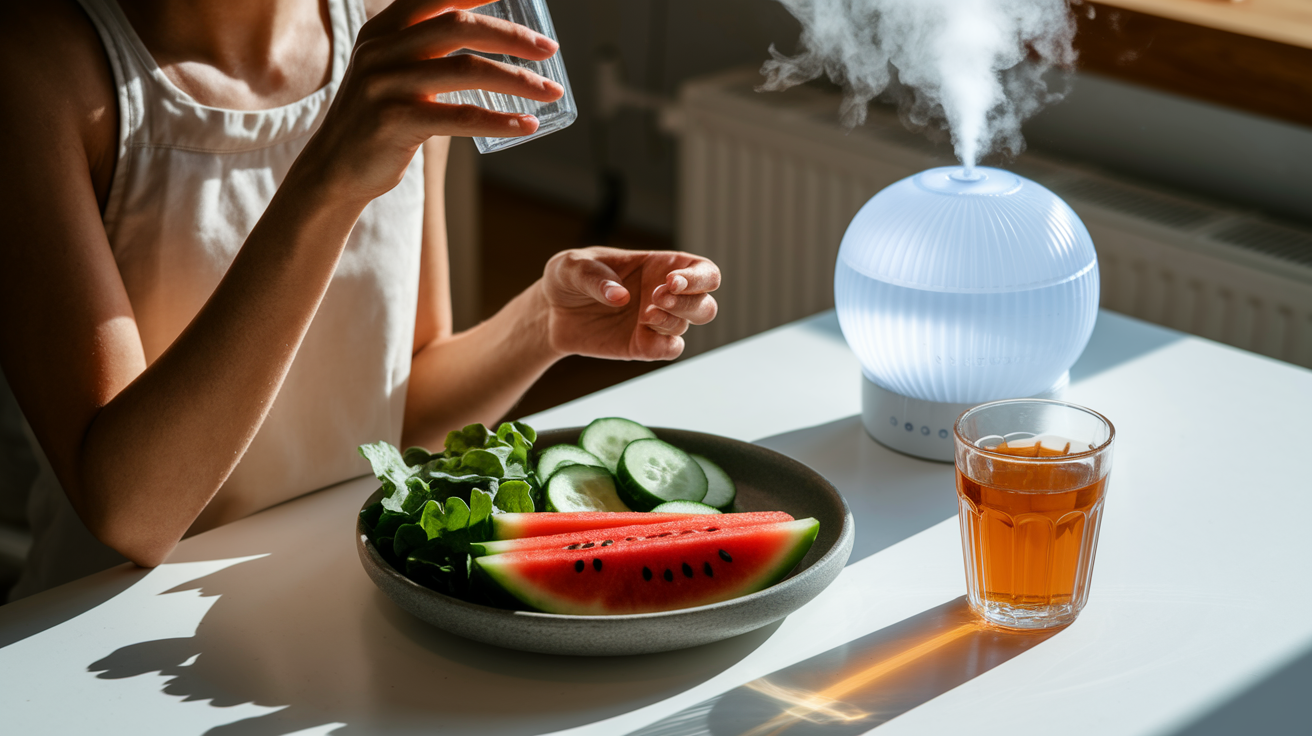
If your thirst seems tied to recent lifestyle changes like extra exercise, a heatwave, or a few salty meals, basic hydration adjustments often help within two to three days. Sip fluids steadily throughout the day rather than gulping large amounts at once. Small, frequent sips keep your body hydrated without overwhelming your kidneys or diluting blood sodium. Aim for about 1.5 to 2 liters (roughly 6 to 8 glasses) as a baseline, adjusting upward if you’re sweating heavily, pregnant, or very active. Clear or pale yellow urine usually signals adequate hydration. Dark yellow or amber suggests you need more fluids.
Food choices make a difference. High water content whole foods like cucumbers, watermelon, oranges, leafy greens, and broth based soups help maintain hydration without requiring constant drinking. Cutting back on processed foods, chips, and restaurant meals naturally reduces sodium intake, which lowers your body’s demand for extra water. If caffeine or alcohol has been high lately, scale back. Swap a second cup of coffee for herbal tea or fruit infused water. If dry mouth is the issue rather than true thirst, sugar free gum or saliva substitutes may bring more relief than extra water. Using a humidifier at night can ease dryness caused by indoor heating or mouth breathing.
Watch for signs of overhydration, especially if you’re drinking several liters beyond normal needs. Overhydration can dilute blood sodium, a condition called hyponatremia, causing headache, nausea, confusion, or in severe cases, seizures. If you’re urinating large volumes of very pale or clear urine and still feel thirsty, don’t keep drinking without checking in with a clinician. Sometimes the thirst signal itself is off, driven by a medication, a behavioral habit, or an undiagnosed condition that drinking more water won’t fix.
Five practical strategies to manage thirst safely at home:
- Sip fluids steadily in small amounts rather than drinking large volumes at once
- Eat hydrating whole foods like cucumbers, watermelon, and leafy greens
- Limit high sodium processed foods and salty restaurant meals
- Reduce caffeine and alcohol intake; substitute herbal tea or fruit infused water
- Use a humidifier at night if dry air or mouth breathing contributes to dryness
Final Words
In the action, persistent thirst usually falls into a few main groups: dehydration, diabetes-related problems, medication or dry-mouth effects, kidney or electrolyte issues, and lifestyle or environmental triggers.
This post walked through how blood sugar, medical conditions, medicines, daily habits, and basic tests help narrow causes, plus safe home steps and warning signs to watch for.
If you’re tracking details to figure out what causes excessive thirst, note when it started, how much you drink and pee, and any new meds or high sugars, then share those at your visit. You’ll get clearer answers and a plan forward.
FAQ
Q: What does excessive thirst indicate?
A: Excessive thirst indicates your body may need more fluids or there’s an underlying issue such as dehydration, high blood sugar (diabetes), certain medications, kidney or electrolyte problems, or dry mouth.
Q: Why am I thirsty all the time but not diabetic?
A: If you’re thirsty all the time but not diabetic, common causes include dehydration, certain medicines, dry mouth, high salt or caffeine intake, kidney or electrolyte problems, or diabetes insipidus; see a clinician if it persists.
Q: Why am I still dehydrated after drinking so much water?
A: If you’re still dehydrated after drinking so much water, ongoing fluid losses (sweat, vomiting, diarrhea, or frequent urination), electrolyte imbalance, kidney issues, or not replacing salts can keep you dehydrated. See a clinician if symptoms don’t improve.
Q: What disease causes increased thirst?
A: Diseases that cause increased thirst include diabetes mellitus, diabetes insipidus, kidney disease, and high calcium levels. Infections and hormonal disorders can also raise thirst; get tested if thirst is sudden or severe.