

Is chest tightness always a heart attack?
No, often it’s not, but it can be, so don’t guess.
Chest tightness can come from stress, muscle strain, acid reflux, asthma, or blocked heart arteries.
In this post we’ll show common triggers, simple steps you can try now, what to track, and the clear warning signs that need urgent care.
Knowing the pattern and nearby symptoms helps you and a clinician figure out next steps quickly.
Read on to learn what to watch for and when to get help.
What Chest Tightness Feels Like
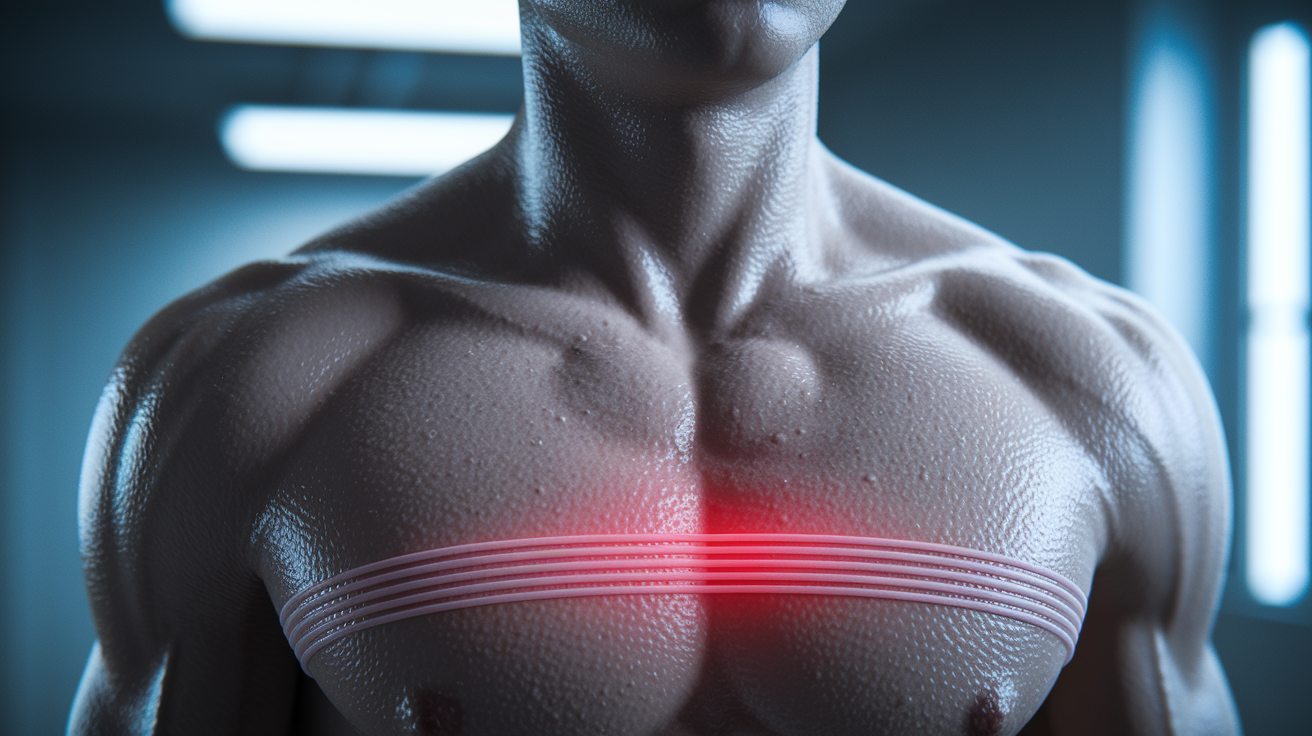
Chest tightness often feels like pressure, squeezing, heaviness, or fullness in the center or sides of your chest. Some people describe it as wearing a too tight band around the ribs or carrying a weight on the breastbone. Others say it feels like they can’t take a full, deep breath, even though air is moving in and out.
The sensation can be brief, lasting just a few minutes, or it can linger for hours or even days. It might stay in one spot or spread to your shoulders, neck, jaw, or upper back. Sometimes chest tightness comes with other feelings: a burning sensation, sharp jabs with breathing, or a dull ache that gets worse when you move or press on your ribs.
Chest complaints are common reasons people visit emergency departments, accounting for roughly 5 to 10 percent of all ED visits. That number reflects both the wide range of possible causes and the understandable worry that comes with any chest symptom.
Not all chest tightness is the same. A squeezing pressure that comes on suddenly and radiates down your left arm is very different from a tender spot on your ribcage that hurts when you twist. The pattern, timing, and what comes with it (like sweating, shortness of breath, or a racing heart) are what help you and your clinician figure out what’s going on and what to do next.
Serious vs. Non-Serious Causes at a Glance

Chest tightness can come from dozens of causes. The good news is that many of them aren’t life threatening. But a few are urgent and need immediate attention.
Non-serious causes tend to be predictable, reproducible, or tied to clear triggers. Chest tightness that flares when you press on a sore rib, worsens after a heavy meal, or comes with a burst of worry during a stressful meeting is more likely to be musculoskeletal, reflux related, or anxiety driven.
Serious causes often arrive suddenly, feel severe, and come with red flag companions: trouble breathing, cold sweats, fainting, confusion, or pain that radiates to the arm, jaw, or back. These patterns suggest the heart, lungs, or major blood vessels might be involved. And that’s when you need emergency care.
Here’s a quick contrast:
Non-serious example: Chest tightness that started after you strained lifting a box, hurts more when you twist, and you can press your finger right on the painful spot. Likely a muscle strain or costochondritis.
Serious example: Sudden crushing chest pressure that won’t go away, spreads to your left arm and jaw, and makes you break out in a cold sweat. Classic signs of a possible heart attack.
The dividing line isn’t always sharp. A panic attack can feel terrifying and cause real chest tightness, rapid heartbeat, and shortness of breath. But it’s not the same as a blocked coronary artery. At the same time, someone having a heart attack might brush it off as indigestion or stress. That’s why it’s safer to check out new, unexplained, or severe chest tightness than to guess.
Common Non-Serious Causes
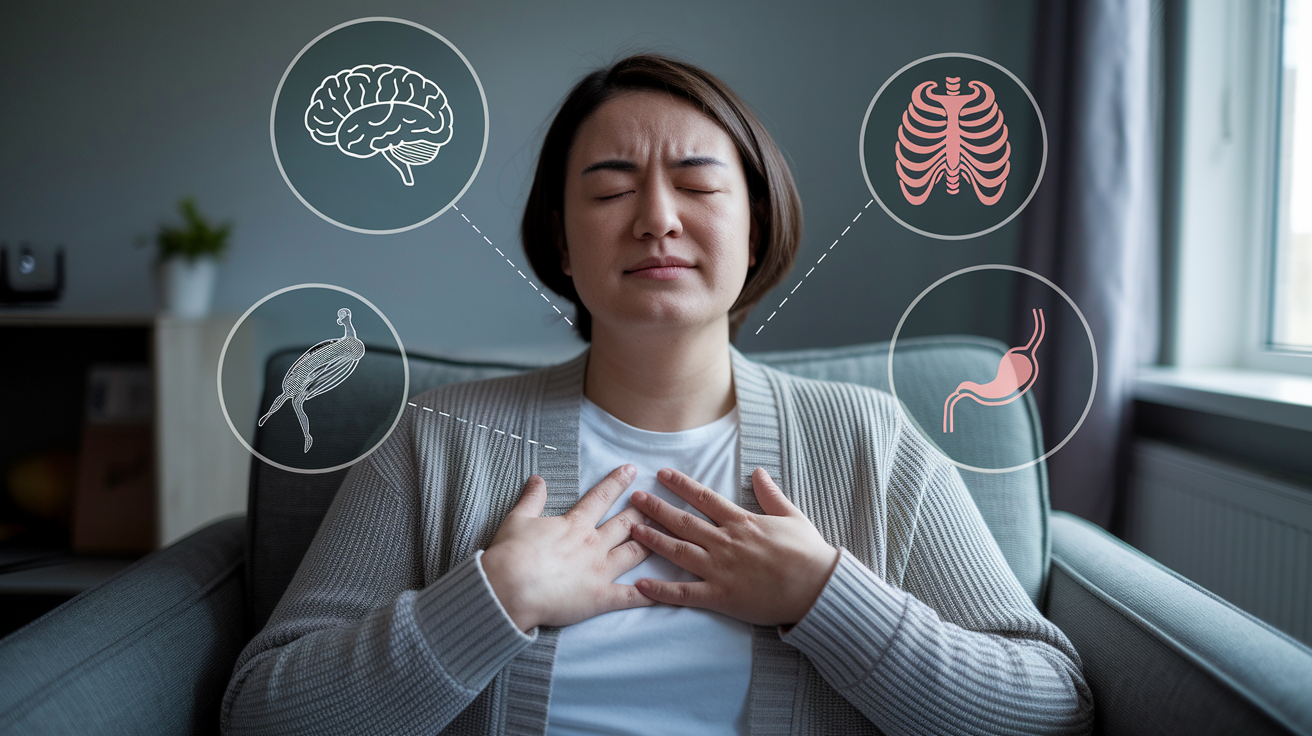
Anxiety and Panic Attacks
Anxiety and panic attacks are among the most common reasons for chest tightness in otherwise healthy people. During a panic attack, your body’s fight or flight response kicks in hard and fast. Your heart pounds, your breathing speeds up, and the muscles in your chest wall can tense, creating a tight or constricted feeling.
Panic attacks typically reach their peak within minutes and often last about 10 to 20 minutes, though the lingering unease can stretch for hours. Along with chest tightness, you might feel short of breath, dizzy, sweaty, or convinced something terrible is about to happen.
The tightness from anxiety is real. It’s not “all in your head.” But it’s driven by stress hormones and rapid breathing, not a problem with your heart or lungs. If you’ve had panic attacks before and recognize the pattern, controlled breathing and grounding techniques can help. But if it’s new, severe, or you’re unsure, it’s worth checking with a clinician to rule out other causes.
Musculoskeletal Pain: Muscle Strain and Costochondritis
Muscle strains in the chest wall, especially the intercostal muscles between your ribs, can happen after heavy lifting, reaching overhead, twisting suddenly, or even from intense coughing. The pain is usually sharp or achy, gets worse with movement, and you can often pinpoint the tender spot by pressing on it.
Costochondritis is inflammation of the cartilage that connects your ribs to your breastbone. It causes localized tenderness and a dull, aching tightness that can mimic heart pain. The key difference: it hurts more when you press on the area, take a deep breath, or twist your torso. It doesn’t come with sweating, nausea, or radiating pain to the arm.
Most musculoskeletal chest pain improves with rest, ice or heat, and over the counter anti-inflammatory medication like ibuprofen. If the pain is severe, doesn’t improve in a few days, or you have trouble breathing, see your primary care clinician.
GERD and Esophageal Spasm
Gastroesophageal reflux disease (GERD) happens when stomach acid backs up into the esophagus, the tube that carries food from your throat to your stomach. That acid irritation can cause a burning sensation or pressure in the center of your chest (often called heartburn), but it can also feel like tightness or squeezing.
GERD is diagnosed when symptoms occur at least twice per week or severe symptoms happen at least once per week. Common triggers include large meals, lying down soon after eating, spicy or fatty foods, alcohol, and caffeine. You might also notice a sour taste in your mouth, trouble swallowing, or a feeling like there’s a lump in your throat.
Esophageal spasm is a less common cause. The muscles of the esophagus contract suddenly and intensely, creating severe chest pain or tightness that can last minutes to hours. It can feel so intense that people sometimes worry it’s a heart attack. If you have trouble swallowing or regurgitate food along with the chest pain, mention that to your clinician.
Over the counter antacids or acid suppressing medications (H2 blockers, proton pump inhibitors) often help GERD. Avoiding late night meals and keeping your head elevated when you sleep can also make a difference. If symptoms don’t improve within a couple of weeks, or if you’re vomiting blood or losing weight, see your doctor.
Asthma and COPD Exacerbations
Asthma causes your airways to narrow and produce extra mucus, leading to chest tightness, wheezing, shortness of breath, and coughing. Triggers include exercise, cold air, allergens (pollen, pet dander, mold), smoke, and respiratory infections. The tightness can last minutes to hours, or even days if untreated.
A quick relief inhaler (short acting bronchodilator like albuterol) usually eases symptoms within minutes. If you’re using your rescue inhaler more than every few hours, or if the tightness isn’t improving, contact your clinician. Severe shortness of breath, inability to speak in full sentences, or bluish lips means you need emergency care.
COPD (chronic obstructive pulmonary disease) is a long term lung condition, most often caused by smoking, that includes chronic bronchitis and emphysema. People with COPD can have daily chest tightness and shortness of breath, but an exacerbation (triggered by infection, air pollution, or other irritants) makes it suddenly worse. Treatment includes bronchodilators, steroids, and sometimes antibiotics if there’s an infection.
Common Serious Causes

Coronary Artery Disease, Angina, and Heart Attack
Coronary artery disease happens when fatty deposits (plaque made of cholesterol, fats, and calcium) build up inside the arteries that supply blood to your heart muscle. As the arteries narrow, your heart can’t get enough oxygen rich blood, especially during exertion or stress. That shortage triggers chest pain or tightness called angina.
Stable angina typically feels like pressure, squeezing, or heaviness in the center of your chest. It often comes on with physical activity or emotional stress and eases with rest or nitroglycerin within a few minutes. If angina is new, getting worse, or happening at rest, it’s called unstable angina and requires urgent medical evaluation.
A heart attack (myocardial infarction) occurs when a plaque ruptures or a clot completely blocks a coronary artery, cutting off blood flow and damaging heart muscle. The chest discomfort is often severe and persistent, lasting more than a few minutes, and it may spread to your left arm, jaw, neck, shoulder, or upper back. You might also feel short of breath, nauseated, sweaty, lightheaded, or have a sense of impending doom.
If you suspect a heart attack, call emergency services immediately. While waiting for help, if you’re not allergic and haven’t already been told not to, chewing a regular strength aspirin (162 to 325 mg) can help prevent further clotting. Don’t drive yourself to the hospital. Let paramedics start care on the way.
Women, older adults, and people with diabetes sometimes have less typical symptoms. Like fatigue, back pain, or nausea without obvious chest pain. So don’t wait for a Hollywood style crushing pain to seek help.
Pulmonary Embolism
A pulmonary embolism (PE) is a blood clot that travels to the lungs, usually from a deep vein in the leg. It blocks one or more lung arteries, reducing oxygen delivery and straining the heart. PE can be life threatening.
Symptoms often start suddenly: sharp or aching chest tightness, shortness of breath, rapid heart rate, cough (sometimes with bloody sputum), and anxiety. The chest discomfort may get worse when you breathe deeply. This is called pleuritic pain.
Risk factors include recent surgery, prolonged bed rest or long flights, active cancer, a broken bone, pregnancy, birth control pills or hormone therapy, smoking, and a personal or family history of clotting disorders.
If you have sudden shortness of breath and chest tightness, especially with risk factors for clots, seek emergency care. Diagnosis typically involves a D-dimer blood test (when pre-test probability is low to moderate) or a CT pulmonary angiography. Treatment usually starts with anticoagulant (blood thinning) medication. In severe cases, clot dissolving drugs or surgery may be needed. Early treatment significantly improves survival.
Aortic Dissection
Aortic dissection is a rare but catastrophic event in which the inner layer of the aorta (the body’s largest artery) tears. Blood surges into the tear, splitting the layers of the artery wall. This can reduce or block blood flow to vital organs and lead to rupture.
The classic symptom is sudden, severe chest or upper back pain that people often describe as tearing or ripping. The pain may start in the chest and move to the back, or vice versa. You might also feel lightheaded, short of breath, sweaty, or lose consciousness. Blood pressure may be very high or very low, and pulses can differ between arms.
Aortic dissection most often affects older adults with long standing high blood pressure, but it can also occur in people with connective tissue disorders (like Marfan syndrome), a bicuspid aortic valve, or a history of chest trauma.
This is a true emergency. If you or someone near you has sudden severe chest or back pain with these features, call emergency services immediately. Treatment often requires emergency surgery to repair the aorta.
Pneumothorax
A pneumothorax, or collapsed lung, occurs when air leaks into the space between the lung and chest wall. That air presses on the lung, preventing it from expanding fully. You feel sudden sharp chest pain and tightness, usually on one side, along with sudden shortness of breath.
Pneumothorax can happen spontaneously (especially in tall, thin young adults or people with underlying lung disease) or after chest trauma, certain medical procedures, or lung infections. Smokers and people with COPD or asthma are at higher risk.
If a pneumothorax is small, it may resolve on its own with close monitoring. Larger ones require treatment: a needle or chest tube inserted between the ribs to remove the trapped air and allow the lung to re-expand. If you have sudden chest pain and trouble breathing, go to the emergency department or call for help.
Pericarditis and Pleurisy
Pericarditis is inflammation of the pericardium, the thin sac surrounding your heart. It typically causes sharp, stabbing chest pain that starts suddenly and can feel intense. The pain often improves when you sit up and lean forward, and gets worse when you lie down or take a deep breath. You might also have a low grade fever.
Pericarditis is often triggered by a viral infection, but it can also follow a heart attack, heart surgery, autoimmune diseases like lupus, or kidney failure. Most cases are treated with anti-inflammatory medications like ibuprofen or colchicine. If symptoms are severe or don’t improve quickly, see a clinician to rule out complications like fluid buildup around the heart (pericardial effusion).
Pleurisy (pleuritis) is inflammation of the pleura, the thin membranes lining the lungs and chest cavity. It causes sharp chest pain that’s worse with breathing, coughing, or sneezing. This is called pleuritic pain. Causes include infections (like pneumonia), pulmonary embolism, autoimmune diseases, or chest trauma. Treatment focuses on the underlying cause and pain control. If you have pleuritic chest pain with fever, cough, or shortness of breath, see a clinician promptly.
Red Flags That Require Emergency Care
Some patterns of chest tightness demand immediate emergency care. If you or someone near you has any of the following, call emergency services right away. Don’t wait. Don’t drive yourself.
- Severe crushing or squeezing chest pain that lasts more than five minutes.
- Chest tightness that radiates to your left arm, jaw, neck, shoulder, or upper back.
- Sudden shortness of breath that’s severe or getting worse.
- Cold, clammy sweating along with chest discomfort and nausea.
- Fainting, near fainting, or sudden collapse.
- New confusion, dizziness, or trouble staying awake.
- Bluish lips or skin (a sign of low oxygen).
- Sudden, severe chest or back pain that feels like tearing or ripping.
- Coughing up blood.
- Very low blood pressure (for example, systolic less than 90 mmHg) or a very rapid heart rate at rest.
These signs can point to a heart attack, pulmonary embolism, aortic dissection, pneumothorax, or other life threatening conditions. Even if you’re not sure, it’s safer to let paramedics assess you than to guess wrong at home.
When to See Your Doctor vs. Urgent Care vs. Emergency Services

Not every episode of chest tightness is an emergency, but any new, unexplained, or worsening chest discomfort deserves medical evaluation. Here’s how to decide where to go and when.
Call Emergency Services (Dial Emergency Number) If:
- You have any of the red flag symptoms listed above.
- Your chest tightness is sudden, severe, or accompanied by trouble breathing, sweating, nausea, or radiating pain.
- You feel like something is seriously wrong, even if you can’t pinpoint why.
Paramedics can start treatment (oxygen, IV access, medications, ECG monitoring) while transporting you. That head start can save heart muscle and improve outcomes.
Go to Urgent Care or Emergency Department If:
- Your chest tightness is new and you’re not sure of the cause.
- You have risk factors for heart disease (high blood pressure, diabetes, smoking, family history, older age) and new or changing chest symptoms.
- You’ve had chest discomfort that’s been coming and going for hours or days without clear explanation.
- Your symptoms are not severe enough to call an ambulance but too concerning to wait days for an appointment.
If you’re unsure whether to go to urgent care or the ED, call your primary care clinician’s office or a nurse line for guidance. When in doubt, the emergency department is the safer choice.
See Your Primary Care Doctor Within 24 to 48 Hours If:
- Your chest tightness is mild, clearly tied to a known cause (like reflux after a spicy meal or soreness after heavy lifting), and not getting worse.
- You’ve had recurrent episodes that don’t fit the red flag pattern, but you want to investigate what’s going on.
- You have a chronic condition like asthma or GERD and your symptoms are acting up more than usual.
Even “minor” chest tightness is worth mentioning at your next visit. Your doctor can review your history, do an exam, and decide if further testing or treatment is needed.
Common Diagnostic Tests and What to Expect
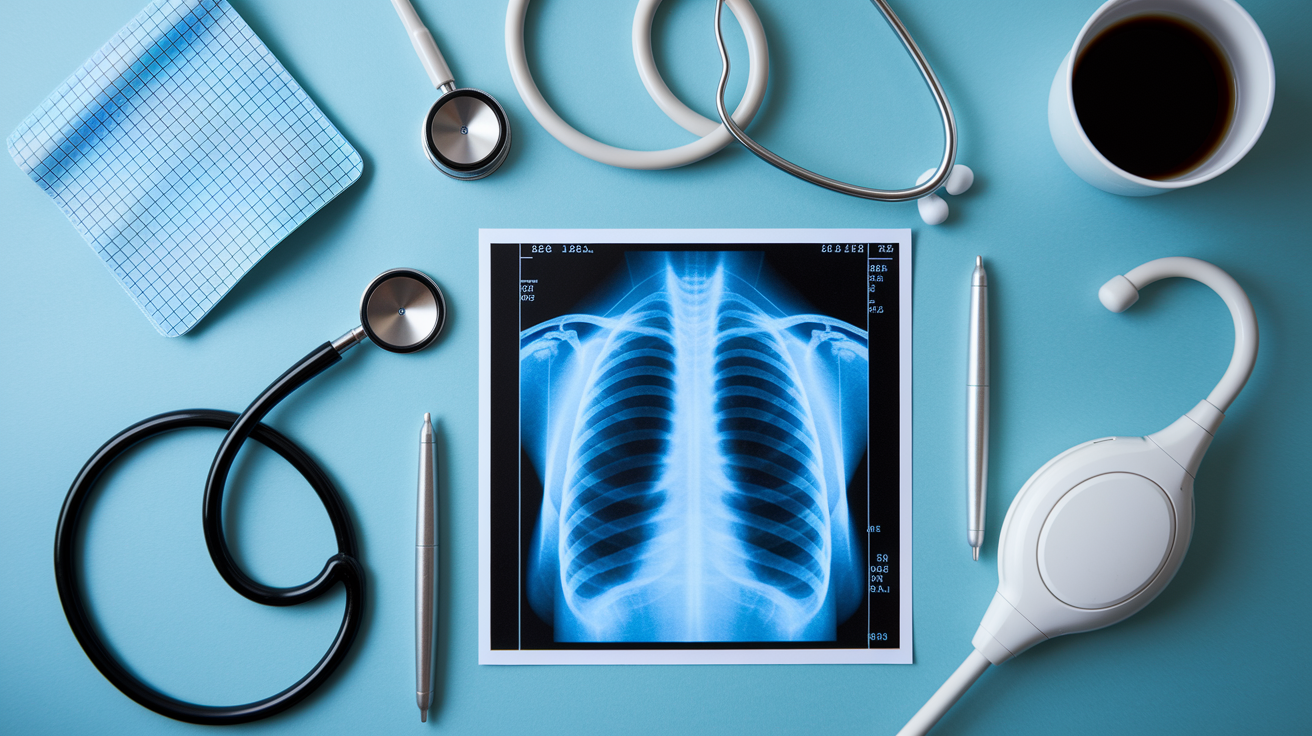
When you seek care for chest tightness, your clinician will start with a focused history and physical exam: when the tightness started, what it feels like, what makes it better or worse, and any other symptoms. From there, tests help pinpoint the cause.
12-Lead ECG (Electrocardiogram)
An ECG records the electrical activity of your heart and can detect signs of heart attack, arrhythmias, or strain. In emergency settings, an ECG should be done within 10 minutes of arrival if you have acute chest symptoms. It’s quick, painless, and non-invasive. Sticky electrodes are placed on your chest, arms, and legs while a machine captures a few seconds of heart rhythm.
Cardiac Biomarkers (Troponin)
Troponin is a protein released when heart muscle is damaged. Blood samples are typically drawn at presentation (time zero) and repeated at 3 to 6 hours. If troponin levels are elevated and rising, it suggests a heart attack. Normal troponin levels at both time points make a heart attack less likely, though other tests or observation may still be needed.
Chest X-Ray
A chest X-ray can show pneumonia, pneumothorax, fluid around the lungs, an enlarged heart, or other lung abnormalities. It’s a standard first line test when infection, collapsed lung, or structural problems are suspected.
CT Pulmonary Angiography and D-Dimer
If your clinician suspects pulmonary embolism, a CT pulmonary angiography (CTPA) directly visualizes the lung arteries and can detect clots. A D-dimer blood test measures a clot breakdown product. If it’s normal and your risk is low to moderate, PE is unlikely. If it’s elevated or your risk is high, a CTPA is usually done.
Echocardiogram (Ultrasound of the Heart)
An echocardiogram uses sound waves to create moving images of your heart. It can show how well the heart is pumping, detect valve problems, reveal fluid around the heart (pericardial effusion), or identify structural abnormalities like thickened heart muscle (hypertrophic cardiomyopathy).
Spirometry and Peak Flow Testing
These lung function tests measure how much air you can breathe in and out and how fast you can exhale. They’re used to diagnose and monitor asthma and COPD. A bronchodilator response test (where you repeat the test after using an inhaler) helps confirm reversible airway narrowing, a hallmark of asthma.
Upper Endoscopy and pH Monitoring
If your clinician suspects severe GERD, esophageal spasm, or other esophageal problems, an upper endoscopy lets them look directly at the lining of your esophagus and stomach. Ambulatory pH monitoring, often done over 24 hours with a small probe, measures acid levels in the esophagus and can confirm reflux.
Typical Immediate Treatments and Self-Care by Cause

What you should do (and what clinicians will do) depends on the likely cause of your chest tightness.
Suspected Heart Attack
- Call emergency services immediately. Time is heart muscle.
- If you’re not allergic and haven’t been told otherwise, chew one regular strength aspirin (162 to 325 mg) while waiting for help. Follow local EMS guidance.
- Stay as calm as possible and rest. Don’t eat or drink anything.
- In the hospital, you’ll receive oxygen, IV medications, and possibly emergency procedures like cardiac catheterization to open blocked arteries.
Asthma or COPD Exacerbation
- Use your short acting bronchodilator inhaler (for example, albuterol) or nebulizer treatment as directed in your personal action plan.
- Sit upright and try to breathe slowly and calmly.
- If symptoms don’t improve within 15 to 20 minutes, or if you’re having severe trouble breathing, seek emergency care.
- Follow up with your primary care or pulmonologist if you’re using rescue inhalers frequently. Your long term control plan may need adjustment.
Anxiety or Panic Attack
- Focus on slow, deep breathing: breathe in through your nose for a count of four, hold briefly, then exhale slowly through your mouth.
- Try grounding techniques: name five things you see, four you can touch, three you hear, two you smell, one you taste.
- If your clinician has prescribed a short acting benzodiazepine for panic attacks, follow the dosing instructions.
- If panic attacks are frequent or interfering with your life, talk to your primary care provider or a mental health professional about therapy and long term treatment options.
GERD or Esophageal Spasm
- Take an over the counter antacid (like calcium carbonate) or H2 blocker (like famotidine) as directed.
- Avoid lying down for at least two to three hours after eating.
- Skip trigger foods: spicy, fatty, acidic foods, caffeine, and alcohol.
- If symptoms persist despite over the counter treatment, your clinician may prescribe a proton pump inhibitor or other medications. For severe or recurrent esophageal spasm, further evaluation and prescription medications are often needed.
Musculoskeletal Pain (Muscle Strain, Costochondritis)
- Rest the area and avoid movements that worsen the pain.
- Apply ice for the first 48 hours (15 to 20 minutes at a time), then switch to heat if it feels better.
- Take over the counter NSAIDs like ibuprofen or naproxen, unless you have a medical reason to avoid them.
- Gentle stretching and breathing exercises can help once acute pain improves.
- If pain is severe, persistent, or you’re having trouble breathing, see a clinician to rule out rib fracture or other complications.
Risk Factors and Context That Raise Concern

Certain factors make serious cardiac or thrombotic causes more likely. If any of these apply to you and you’re experiencing chest tightness, take symptoms seriously and seek evaluation sooner rather than later.
Cardiac Risk Factors
- Older age (especially over 50 for men, over 60 for women).
- High blood pressure (hypertension).
- High cholesterol (hyperlipidemia).
- Diabetes.
- Smoking (current or past).
- Obesity.
- Family history of heart disease, especially early heart attacks (before age 55 in men, before 65 in women).
- Sedentary lifestyle and poor diet.
Pulmonary Embolism Risk Factors
- Recent surgery or hospitalization.
- Prolonged immobilization: long flights, bed rest, leg cast.
- Active cancer or cancer treatment.
- Recent fracture, especially of the leg or pelvis.
- Pregnancy or recent childbirth.
- Oral contraceptives or hormone replacement therapy.
- Known clotting disorder (thrombophilia) or personal or family history of blood clots.
- Smoking.
Other Contexts That Matter
- History of heart disease, including prior heart attack, stents, or bypass surgery.
- Known valve problems, heart failure, or arrhythmias.
- Chronic lung disease: asthma, COPD, pulmonary hypertension.
- Autoimmune diseases like lupus or rheumatoid arthritis (higher risk of pericarditis, pleuritis).
- Recent viral illness, especially COVID-19, which can cause myocarditis or pericarditis.
If you have any of these risk factors and new chest tightness, don’t assume it’s minor. Get checked out.
Patient Checklist: Quick Triage for Chest Tightness

Use this checklist to help decide what to do when chest tightness strikes.
Answer yes or no to each question:
- Is the tightness new or very different from anything you’ve felt before?
- Is it severe (high on a 1 to 10 pain scale)?
- Does it radiate to your arm, jaw, neck, or back?
- Are you also short of breath, sweating, nauseated, dizzy, or feeling faint?
- Did it start suddenly and severely, like something tearing or ripping?
If you answered yes to any of these: Call emergency services or go to the emergency department immediately.
If all of the above are no, ask these:
- Can you make the tightness worse by pressing on your chest or moving in a certain way?
- Did it start after heavy lifting, twisting, or intense coughing?
- Is it clearly tied to eating (burning, worse when lying down, relieved by antacids)?
- Does using your asthma inhaler help?
- Have you had panic attacks before and does this feel similar (rapid heartbeat, feeling of dread, rapid breathing)?
If you answered yes to any of 6 through 10 and symptoms are mild to moderate: You may have a musculoskeletal, reflux, or anxiety related cause. Try safe self-care measures. If symptoms persist beyond 24 hours, worsen, or you’re unsure, contact your primary care clinician or go to urgent care.
If you’re still unsure or worried: It’s always safer to seek evaluation than to wait and wonder. Trust your instinct. Chest tightness is one symptom where “better safe than sorry” truly applies.
Specific Medical Conditions That Cause Chest Tightness
COVID-19 and Myocarditis
COVID-19 can cause chest tightness in several ways. The virus may directly infect the heart muscle, causing myocarditis (inflammation of the heart muscle), or inflame the pericardium (pericarditis). Some people develop chest tightness as part of the acute respiratory infection itself, due to pneumonia, low oxygen, or strain from coughing.
Emergency warning signs with COVID-19 include persistent chest tightness or pressure, trouble breathing, bluish lips or face, new confusion, and persistent drowsiness. If you have these symptoms, seek emergency care.
Most people with COVID-19 have milder symptoms: fever, dry cough, fatigue, body aches, and loss of taste or smell. Chest tightness from respiratory symptoms often improves as the infection clears, but myocarditis or pericarditis may require monitoring, rest, and anti-inflammatory treatment. If you had COVID-19 and develop new or worsening chest tightness days or weeks later, let your clinician know.
Pneumonia
Pneumonia is a lung infection (bacterial, viral, or fungal) that inflames the air sacs in one or both lungs. It can cause chest tightness, sharp or dull chest pain (especially when breathing deeply or coughing), fever, chills, sweating, shortness of breath, cough (sometimes with yellow, green, or bloody mucus), and fatigue.
In adults over 65, pneumonia may also cause confusion, nausea, diarrhea, or a lower than normal body temperature. Anyone at higher risk (older adults, young children, people with chronic lung disease, weakened immune systems, or heart disease) should see a clinician promptly if pneumonia is suspected.
Treatment depends on the cause. Bacterial pneumonia requires antibiotics. Viral pneumonia may improve with rest and supportive care, though antiviral medications are sometimes prescribed. Fungal pneumonia requires antifungal drugs. Most people recover at home, but severe cases need hospitalization for IV antibiotics, oxygen, and monitoring.
Peptic Ulcer and Hiatal Hernia
A peptic ulcer is a sore in the lining of your stomach or the upper part of the small intestine (duodenum). The most common cause is infection with Helicobacter pylori bacteria or long term use of NSAIDs like ibuprofen or aspirin. Ulcers can cause burning stomach pain, but the discomfort sometimes radiates upward and feels like chest tightness or pressure, especially after eating or when your stomach is empty.
Warning signs of a serious complication include vomiting blood (which may look red or like coffee grounds), black or tarry stools, sudden severe abdominal pain, or feeling faint. These suggest bleeding or perforation and require emergency care.
A hiatal hernia occurs when part of your stomach pushes up through the diaphragm into your chest. Many people have no symptoms, but it can cause or worsen GERD, leading to heartburn, regurgitation, chest tightness, and trouble swallowing. Large hernias can cause vomiting, chest pain, or difficulty swallowing. Most are managed with lifestyle changes and medications, but severe cases may need surgical repair.
Rib Fracture
Rib fractures usually result from direct trauma: a fall, a car accident, a sports injury, or a blow to the chest. They cause sharp, localized pain that gets much worse with deep breathing, coughing, laughing, or pressing on the broken area. You might also feel a tight or restricted sensation in your chest because it hurts to expand your lungs fully.
Most rib fractures heal on their own in about 1 to 2 months. Treatment focuses on pain control (acetaminophen, NSAIDs, or sometimes prescription pain medication) and breathing exercises to prevent pneumonia. Wrapping or tightly binding the chest is not recommended because it can reduce lung expansion and increase infection risk.
Watch for signs of complications: worsening shortness of breath, fever, increasing pain, or coughing up blood. These can signal a punctured lung (pneumothorax), bleeding, or infection. If you have severe chest trauma or multiple rib fractures, you may need hospitalization for monitoring and more intensive pain management.
Shingles (Herpes Zoster)
Shingles is caused by reactivation of the varicella zoster virus, the same virus that causes chickenpox. After chickenpox, the virus stays dormant in nerve tissue and can reactivate years later, usually when your immune system is weakened by age, stress, illness, or certain medications.
Shingles typically causes a painful, blistering rash on one side of the body, often in a band like pattern. If the rash appears on the chest, it can cause sharp, burning chest pain or tightness before the rash even appears. The pain may last 2 to 6 weeks, though some people develop postherpetic neuralgia (persistent nerve pain that lingers for months or years).
Antiviral medications (like acyclovir, valacyclovir, or famciclovir) can reduce the severity and duration of shingles if started within 72 hours of rash onset. Pain management (topical creams, oral pain relievers, or nerve pain medications) can help. If you’re over 50, the shingles vaccine is recommended to reduce your risk.
Pancreatitis
Pancreatitis is inflammation of the pancreas, the organ behind your stomach that makes digestive enzymes and insulin. Acute pancreatitis often starts with sudden, severe pain in the upper abdomen that may radiate to the back or chest. The pain can feel like intense pressure or tightness and may be accompanied by nausea, vomiting, fever, and a rapid pulse.
Common triggers include gallstones, heavy alcohol use, certain medications, high triglycerides, or trauma. Acute pancreatitis can be life threatening and usually requires hospitalization for IV fluids, pain control, and monitoring. Most cases resolve within days to a week with supportive care, though severe cases can lead to complications like infection, organ failure, or pancreatic necrosis.
Chronic pancreatitis develops after repeated episodes of inflammation. It causes ongoing upper abdominal pain, weight loss, and oily, foul smelling stools (steatorrhea) because the damaged pancreas can’t produce enough digestive enzymes. Treatment includes pain management, enzyme supplements, insulin if diabetes develops, and addressing the underlying cause (like stopping alcohol).
Mitral Valve Prolapse
Mitral valve prolapse (MVP) occurs when the two flaps of the mitral valve (the valve between the heart’s left atrium and left ventricle) don’t close evenly. One or both flaps bulge (prolapse) back into the atrium during the heart’s contraction.
Many people with MVP have no symptoms and discover it incidentally during a routine exam or echocardiogram. When symptoms do occur, they can include palpitations (feeling your heartbeat), lightheadedness, shortness of breath, fatigue, and chest pain or tightness. Though the tightness is usually not related to exertion and doesn’t fit the typical angina pattern.
In most cases, MVP is benign and requires no treatment beyond regular monitoring. If you have significant mitral regurgitation (leakage of blood backward through the valve), arrhythmias, or symptoms that interfere with daily life, your clinician may prescribe medications like beta blockers or, in severe cases, recommend valve repair or replacement surgery.
Hypertrophic Cardiomyopathy
Hypertrophic cardiomyopathy (HCM) is a genetic condition in which the heart muscle becomes abnormally thick, especially the wall (septum) between the two lower chambers (ventricles). The thickened muscle can make it harder for the heart to pump blood and may obstruct blood flow out of the heart.
Symptoms include shortness of breath (especially with exertion), chest pain or tightness, palpitations, dizziness, and fainting.
I need to see the full blog post outline to write an accurate conclusion that recaps the content properly.
Please share the complete outline, and I’ll write the conclusion following all your instructions.
FAQ
Q: Why am I getting a tight feeling in my chest and how can I relieve it?
A: A tight feeling in the chest can be caused by anxiety, muscle strain, reflux, or less commonly heart problems; try slow deep breaths, rest, loosen clothing, sip water, and seek care if severe.
Q: When to worry about chest tightness?
A: You should worry and get emergency help if chest tightness is sudden or severe, especially with shortness of breath, fainting, heavy sweating, nausea, or pain spreading to the arm or jaw.
Q: What are 6 common non-cardiac causes of chest pain?
A: Six common non-cardiac causes of chest pain are acid reflux (heartburn), anxiety or panic attacks, chest muscle strain, costochondritis (rib cartilage inflammation), lung issues like pneumonia, and gallbladder pain.