
Think thirst is the only sign of dehydration? Think again.
Your body starts asking for water after just 1 to 2 percent fluid loss, so if you’re thirsty, you’re already a step behind.
This post walks you through the early and late signs to watch for, simple checks you can do at home, and clear steps to take now.
Knowing these signs helps you avoid dizziness, cramps, or worse, and tells you when to get medical help.
Identifying the Most Common Early Signs of Adult Dehydration
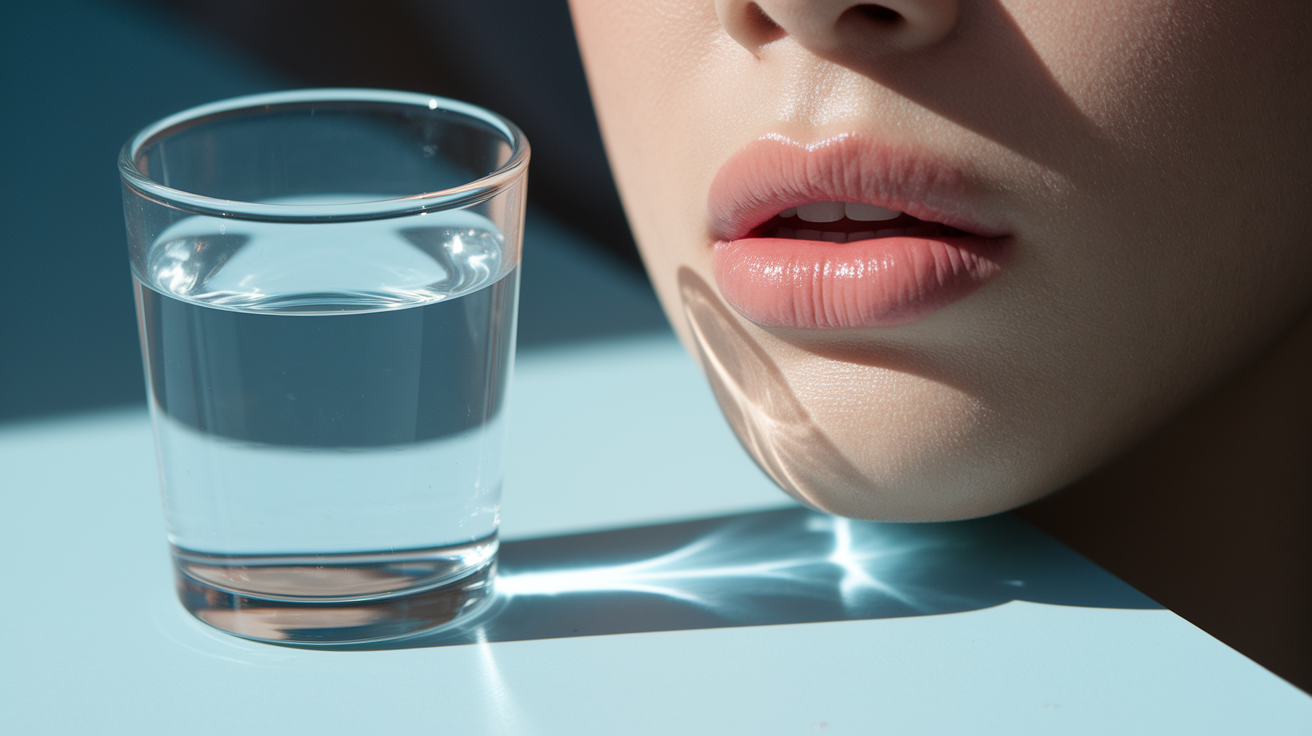
Your body starts asking for water way before things get serious. The earliest signs kick in when you’ve lost just 1 to 2 percent of your body’s water. Thirst is usually first. If you’re thirsty, you’re already running low. Your mouth and lips might feel dry or sticky, and you probably aren’t swallowing as much as usual.
Dark yellow or amber pee is one of the clearest early warnings. When you’re properly hydrated, your urine should look pale yellow, almost clear. As you get dehydrated, your kidneys hold onto water by concentrating your urine, which darkens the color. You might also pee less often than normal, or only a little bit each time.
Common early to moderate dehydration signs include:
- Feeling thirsty or having a dry, sticky mouth
- Dry, chapped lips or a dry tongue
- Dark yellow or orange tinted urine
- Urinating less often than normal or in smaller amounts
- Mild dizziness or lightheadedness when standing up
- Fatigue, low energy, or general weakness
These symptoms are your body’s early requests for fluids before things escalate. The red flag symptoms that need urgent care, like confusion, rapid heartbeat, or inability to urinate, we’ll cover later.
Understanding What Causes Dehydration in Adults
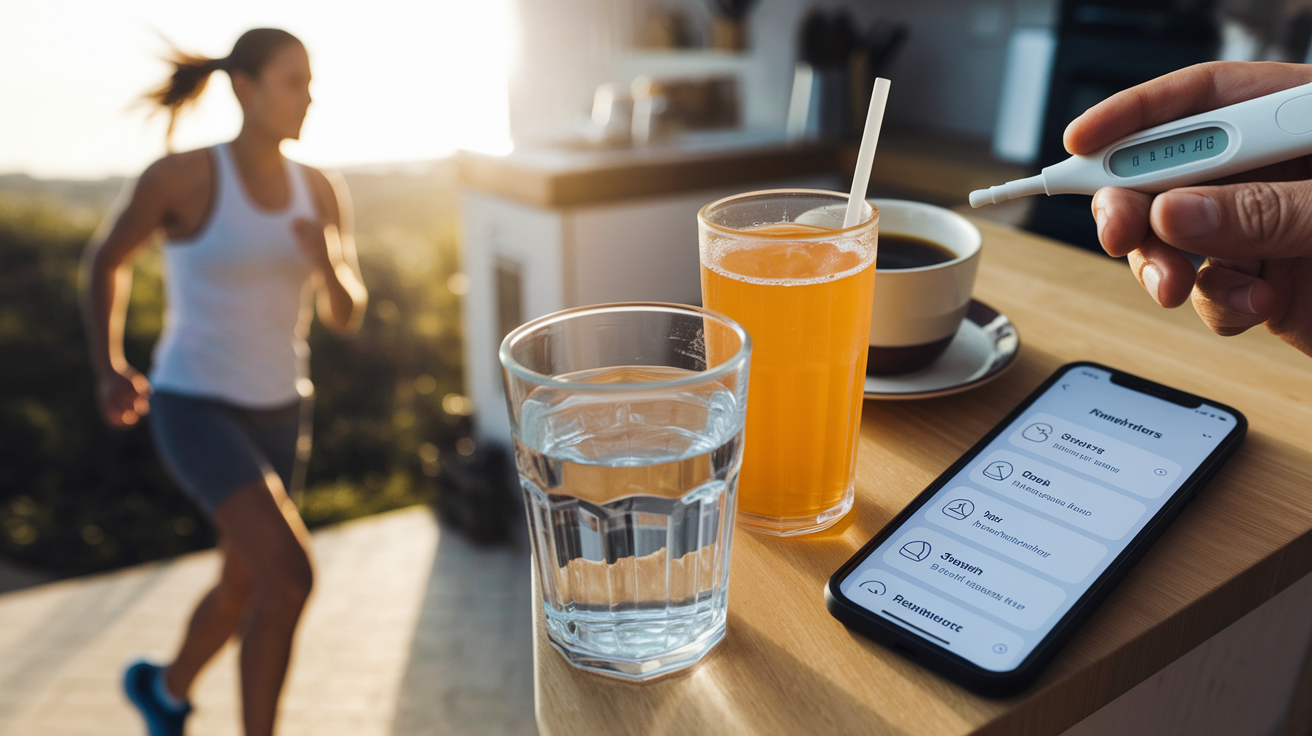
Dehydration happens when you lose more fluid than you take in. It doesn’t take extreme heat or running a marathon to develop. Sweating is the usual suspect, especially during activity or hot weather. Even moderate effort in warm conditions can cost you a pint or more of water per hour. Fever bumps up your body temperature and increases fluid loss through your skin, and both vomiting and diarrhea drain fluids fast while making it hard to keep water down.
Sometimes it’s not about losing too much. It’s about not drinking enough. A sore throat makes swallowing painful, so you avoid it. Nausea kills your desire to eat or drink. Busy schedules, limited access to clean water, or just forgetting to drink throughout the day can all cause a slow drop in hydration. Frequent urination from certain medications, uncontrolled diabetes, or too much caffeine can also throw off the balance.
Everyday situations that raise your dehydration risk:
- Spending time outdoors in hot or humid weather without water nearby
- Exercising hard or for long stretches, especially if you don’t drink before, during, and after
- Stomach illness that causes vomiting, diarrhea, or both
- Being stuck somewhere you can’t drink freely, like long meetings, travel, or outdoor work
Mild to Moderate Signs of Adult Dehydration

Once those earliest symptoms show up, dehydration can quietly get worse if you don’t do something about it. You might get a dull headache that feels like pressure across your forehead or temples. A lot of people describe feeling “off” or unusually tired even after sleeping well. Your skin may look flushed or feel warm and dry, and if you pinch the skin on the back of your hand, it might take a second or two longer than normal to flatten out. That’s a sign your tissues are losing elasticity from reduced water.
Irritability and trouble focusing are easy to brush off as stress or poor sleep. Your eyes might feel dry or gritty, and some people notice slight vision blurring. Dizziness gets more obvious when you stand up fast, and muscle fatigue can make simple tasks feel harder than they should.
Subtle signs that dehydration is progressing:
- A persistent, low grade headache
- Feeling unusually tired or sluggish during normal activities
- Dry, tight, or flushed skin that feels warm
- Mild dizziness, especially when changing positions
- Reduced skin elasticity—skin that doesn’t spring back quickly after pinching
At this point, drinking water steadily over the next hour or two usually fixes things. Sip fluids slowly instead of gulping large amounts at once, and think about adding a pinch of salt or an electrolyte drink if you’ve been sweating a lot.
Severe Signs of Adult Dehydration That Need Urgent Attention

When dehydration moves past the mild stage, your body’s ability to compensate starts breaking down. Blood volume drops, your heart works harder to circulate oxygen, and critical systems begin to struggle. These late stage symptoms are medical emergencies and need professional evaluation right away.
Critical Physical Warning Signs
- You haven’t urinated in eight hours or longer, or your urine is extremely dark or absent
- You’ve stopped sweating even though you’re in a hot environment or exercising
- Your heart is beating noticeably fast, even while resting
- You feel confused, disoriented, or can’t think clearly
- Your eyes look sunken, and the skin around them appears hollow
- You feel faint, extremely dizzy, or have already passed out
Electrolyte Related Emergency Symptoms
- Severe muscle cramps or spasms, especially in your legs, abdomen, or arms. Caused by sodium and potassium imbalances.
- Irregular heartbeat or chest discomfort. Electrolyte shifts mess with the heart’s electrical signals.
- Seizures or convulsions. Dangerously low sodium levels can trigger seizure activity.
- Profound weakness or inability to stand or move safely. Your muscles need water and electrolytes to contract properly.
If you or someone near you shows any of these signs, call for medical help immediately. Severe dehydration can lead to hypovolemic shock, kidney failure, and other life threatening complications. Fever above 104°F in an adult, combined with any dehydration symptoms, also warrants emergency care. These conditions are treatable, but treatment needs to start quickly.
Dehydration in Older Adults: Why Symptoms Can Be Easy to Miss

Older adults face higher dehydration risk, partly because the body’s thirst mechanism gets less sensitive with age. A study published in November 2020 in the Journal of Physiology found that older men were less able to detect their own dehydration compared to younger adults. That means an older person might not feel thirsty even when their body urgently needs fluids. Medications like diuretics, blood pressure pills, and laxatives increase fluid loss, and mobility challenges can make it harder to get up and refill a water glass throughout the day.
Chronic conditions like diabetes, kidney disease, and heart problems all raise dehydration risk. Cognitive impairment or dementia can make it difficult for someone to remember to drink or recognize their own symptoms. Dehydration in older adults often shows up as confusion, sudden weakness, dizziness, low blood pressure, or worsening constipation. Signs that might get mistaken for other age related issues.
| Symptom in Older Adults | Why It Happens |
|---|---|
| Sudden confusion or disorientation | Reduced blood flow to the brain due to low fluid volume |
| Increased falls or dizziness | Low blood pressure and reduced circulation from dehydration |
| Severe constipation | Lack of fluid in the intestines makes stool hard and difficult to pass |
| Rapid heartbeat or fatigue | Heart works harder to pump thicker blood with less volume |
Caregivers should get medical help if an older adult becomes suddenly confused, stops urinating, shows signs of extreme fatigue, or has a fever combined with any dehydration symptoms. Early intervention can prevent hospitalizations and serious complications.
How to Check for Dehydration at Home
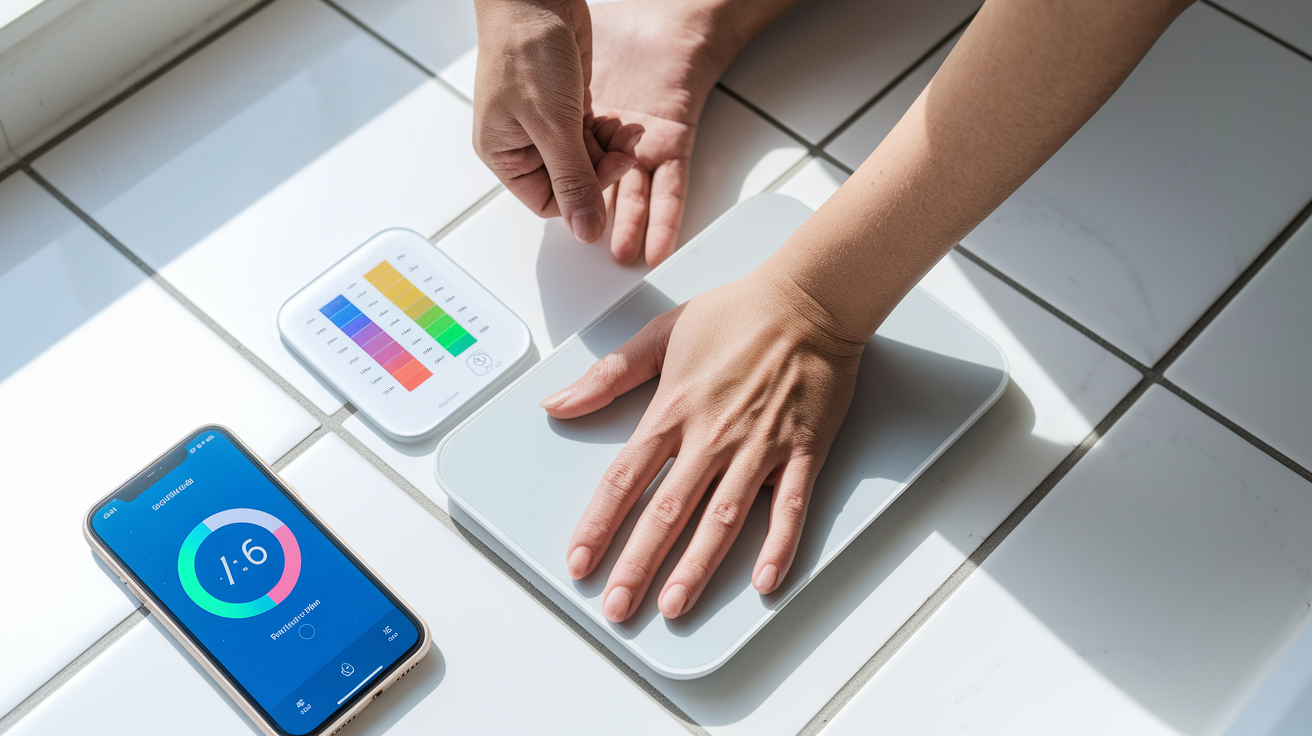
You don’t need lab tests to get a decent sense of your hydration status. Simple at home checks can help you catch dehydration early and decide whether you need to drink more fluids or get medical advice. The easiest method is looking at your urine every time you use the bathroom. Pale yellow urine, about the color of light straw, means you’re hydrated. Dark yellow, amber, or orange urine is a clear signal to start drinking water.
The skin turgor test gives you a quick physical marker. Pinch the skin on the back of your hand and hold it for a second, then release. Healthy, hydrated skin should flatten back out in less than two seconds. If it stays raised or takes longer to return to normal, that’s a sign your tissues are running low on fluid.
Five self check steps to monitor hydration:
- Check your urine color each time you go. Aim for pale yellow, not dark or amber.
- Do the skin pinch test on the back of your hand. Normal return time is under two seconds.
- Notice your thirst level. If you feel thirsty, you’re already mildly dehydrated.
- Weigh yourself before and after exercise. Each pound lost equals about one pint of water you need to replace.
- Pay attention to dizziness, fatigue, or headaches that improve after drinking fluids.
If you’re drinking steadily but symptoms aren’t improving, or if you notice signs like very dark urine, no urination for several hours, confusion, or rapid heartbeat, it’s time to contact a healthcare provider. Worsening symptoms suggest your body isn’t able to rehydrate on its own.
Preventing Dehydration and Supporting Hydration Habits
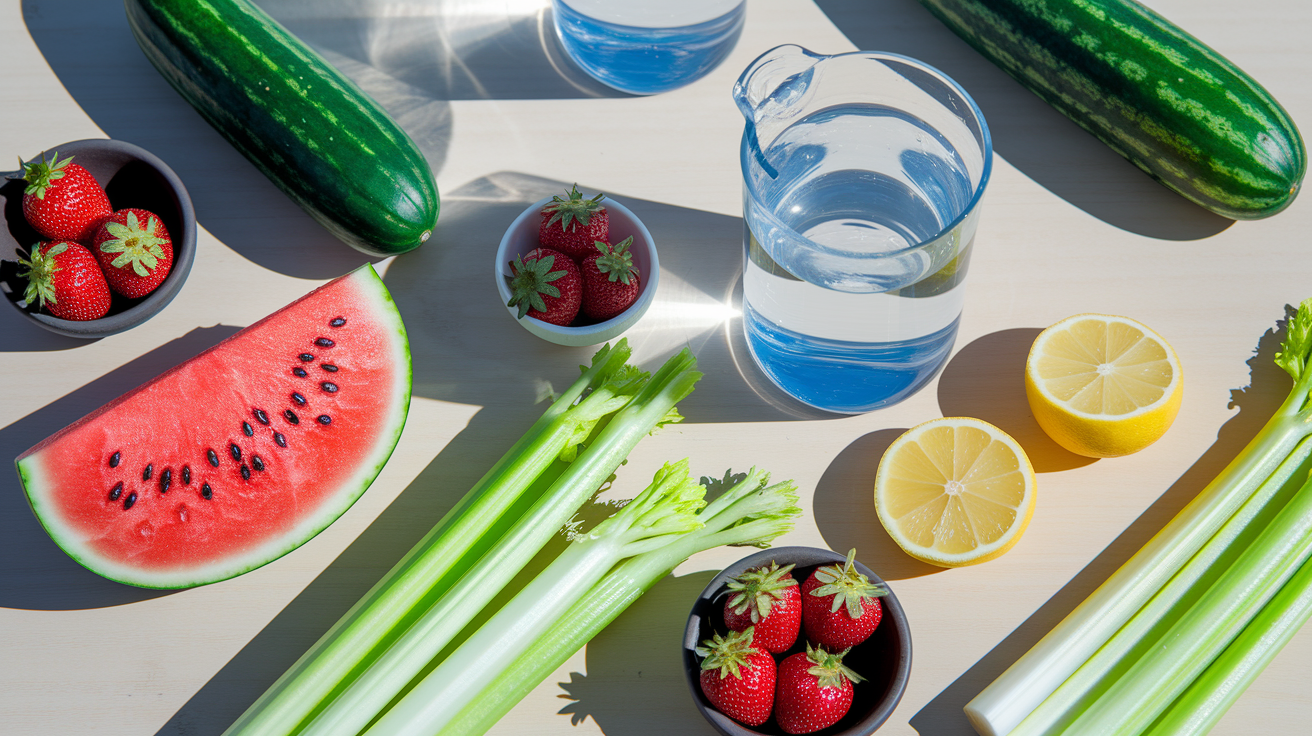
Most adults need about 48 to 64 fluid ounces of water per day under normal conditions. That’s roughly six to eight 8 ounce glasses. Your needs go up if you sweat heavily, live in a hot climate, exercise regularly, or have a fever or illness. Waiting until you’re thirsty isn’t reliable, because thirst lags behind your body’s actual fluid needs. Building small, consistent hydration habits throughout the day keeps you ahead of dehydration instead of constantly playing catch up.
Water doesn’t have to be boring or feel like a chore. Many fruits and vegetables are more than 90 percent water. Watermelon, cucumbers, strawberries, celery, lettuce, zucchini, tomatoes, and bell peppers all contribute to your daily fluid intake. Unsweetened herbal tea, coffee (in moderation), and broths count too. Coffee and tea get blamed for dehydrating you, but research, including a small crossover study published in PLoS One with 50 regular coffee drinkers, found that moderate caffeine intake hydrates about as well as plain water. Just keep caffeine under 400 milligrams per day to avoid side effects like jitteriness or frequent urination.
Hydration Techniques for Everyday Life
- Keep a reusable water bottle with you and sip throughout the day, even when you’re not thirsty.
- Add slices of lemon, lime, cucumber, or berries to plain water if the taste feels too bland.
- Drink a glass of water with each meal and snack. It’s an easy way to build the habit.
- Swap dry snacks like chips or crackers for hydrating options like yogurt, fruit, or veggie sticks.
- Glance at your urine color regularly and adjust your intake if it’s darker than pale yellow.
Extra Steps for Athletes and Hot Weather
- Drink 16 to 20 ounces of water two to three hours before exercise, then another 8 ounces 20 minutes before you start.
- Sip 7 to 10 ounces every 10 to 20 minutes during activity. Small, frequent amounts work better than chugging large volumes.
- Choose a low sugar sports drink with sodium and potassium if you’re exercising hard for more than an hour or sweating heavily in heat.
- Weigh yourself before and after exercise. Replace each pound lost with 16 to 24 ounces of fluid over the next few hours.
Older adults may need reminders to drink, especially if their thirst signals are weak. Set a timer, keep water within easy reach, and offer hydrating foods at meals. Caregivers can monitor urine color and watch for early signs like dry mouth, fatigue, or confusion.
When to Seek Medical Care for Dehydration

Most mild dehydration clears up with steady fluid intake at home, but some situations need professional evaluation. If you haven’t urinated in eight hours or more, or if your urine is extremely dark or completely absent, that’s a red flag. The inability to produce sweat or tears, even in hot conditions or while crying, means your body has run out of fluid reserves. Severe dizziness, fainting, or feeling too weak to stand safely are also urgent warning signs.
Confusion, disorientation, or difficulty speaking clearly can mean dehydration is affecting your brain function. A racing heartbeat, rapid breathing, or chest discomfort suggests your cardiovascular system is under strain. In adults, a body temperature above 104°F combined with any dehydration symptoms requires immediate medical attention. Seizures, convulsions, or signs of shock, such as cold, clammy skin, very low blood pressure, or loss of consciousness, are life threatening emergencies.
Signs that require immediate medical evaluation:
- No urine output for eight hours or longer
- Inability to sweat, produce tears, or keep fluids down
- Severe confusion, delirium, or trouble speaking
- Extremely dark urine, or no urine at all
- Fever higher than 104°F in an adult
- Fainting, seizures, or signs of shock
Severe dehydration is treatable, but it’s time sensitive. Hospital care may include intravenous fluids, electrolyte replacement, and monitoring for complications like kidney damage or cardiac arrhythmias. Most people recover within one to two days once treatment begins, though full recovery can take longer if the underlying cause, like a gastrointestinal illness, hasn’t resolved. If you’re unsure whether your symptoms are serious enough to warrant a call, err on the side of caution and contact a healthcare provider.
Final Words
You learned the quick, easy signs to watch for: thirst, dry mouth and lips, dark urine, peeing less, mild dizziness, and tiredness. Those usually come from heat, heavy activity, illness, or not drinking enough.
Today, sip fluids, check urine color, and try an electrolyte drink after heavy sweating. Get care right away if you faint, feel confused, stop peeing, or have a very high fever.
Watching for signs of dehydration in adults helps you act early and feel better fast.
FAQ
Q: What is the best thing to drink when you are dehydrated?
The best thing to drink when you are dehydrated is an oral rehydration solution (ORS) or a low‑sugar electrolyte drink; sip regularly, drink cool fluids, and use IV fluids only if you can’t keep liquids down.
Q: How do you treat dehydration in adults?
You treat dehydration in adults by replacing fluids and electrolytes with ORS or sports drinks, resting and cooling down, and tracking urine output and color; seek urgent care for persistent vomiting, fainting, or severe weakness.
Q: How do you know if you’re severely dehydrated?
You know you’re severely dehydrated if you have very little or no urine, very dark urine, rapid heartbeat or breathing, confusion or fainting, inability to sweat, or seizures.