
What if the lotion you grab is actually making the rash worse?
It’s a startling thought, but it matters—many rashes calm faster with simple, gentle care.
In this post we’ll show easy, natural ways to stop the itch and cool inflammation right away, including cold compresses, aloe, oatmeal baths, coconut oil, and simple kitchen remedies.
You’ll also learn how to spot triggers, what to track, and the clear warning signs that mean you should see a clinician.
Immediate Natural Relief Methods for Calming a Rash
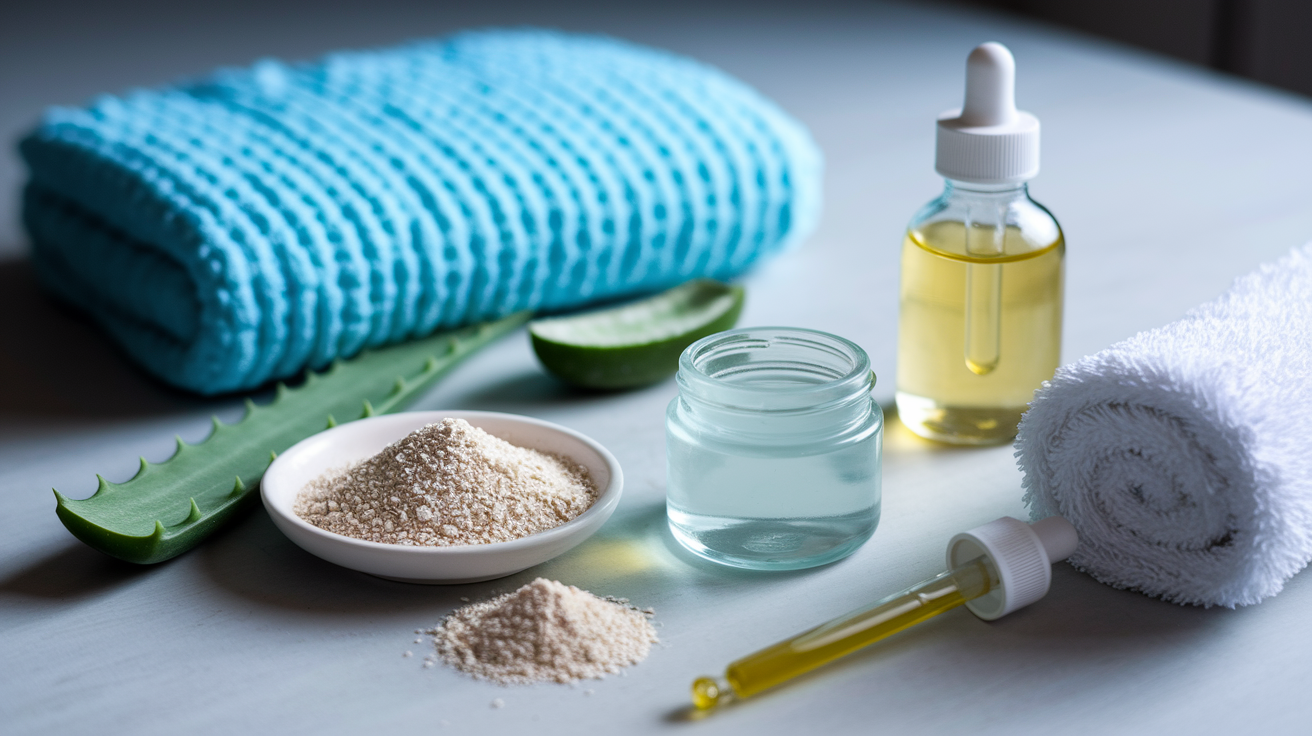
Quick start relief list:
- Apply a cold compress or wrapped ice pack to reduce inflammation and numb itching
- Smooth on high percentage aloe vera gel or 0.5 percent aloe extract cream at least three times daily
- Soak in a colloidal oatmeal bath using finely ground oatmeal for 15 to 20 minutes
- Gently massage coconut oil onto clean, dry skin as a moisturizing anti inflammatory layer
When a rash shows up, your first goal is stopping the itch and cooling down the inflammation. Most natural rash relief starts with reducing heat and adding moisture back into irritated skin. These methods work quickly because they tackle immediate discomfort without piling on chemicals or fragrances that might make things worse.
Cold compresses are one of the fastest ways to calm angry skin. Wrap ice cubes in a clean cloth or grab an ice pack, then press it gently against the rash for a few minutes at a time. The cold desensitizes nerve endings and shrinks blood vessels, which dials down swelling and that constant urge to scratch. You can repeat this as often as you need throughout the day.
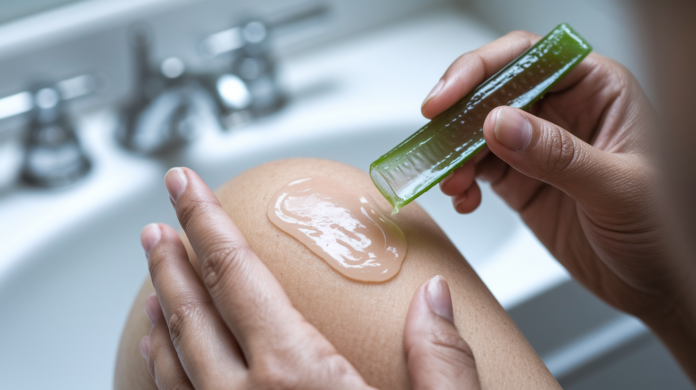
Aloe vera gel works well for many types of rashes because it cools and soothes on contact. Look for a product with the highest aloe percentage you can find, or use fresh gel straight from a broken aloe leaf. Apply it directly to clean skin at least three times a day, or more if the itch comes back. A 0.5 percent aloe extract cream is another gentle option that’s been shown to help with heat rash and general irritation.
For larger areas or full body itching, a colloidal oatmeal bath can provide relief within 15 to 20 minutes. Use finely ground oatmeal so it dissolves evenly in lukewarm water. The oat particles form a protective film on your skin and help lock in moisture while calming inflammation. After soaking, pat yourself dry with a soft towel instead of rubbing.
Coconut oil is a simple moisturizer that also reduces inflammation. Once your skin is clean and mostly dry, warm a small amount between your palms and smooth it over the rash. It absorbs quickly and creates a barrier that keeps moisture in and irritants out. You can also use it as a carrier if you plan to add diluted essential oils later.
Baking soda offers another soothing option, especially for itchy patches. Add about one quarter cup to a lukewarm bath and soak for 15 minutes, or mix a small amount with just enough water to form a paste and dab it directly onto the rash. Let it sit for a few minutes before rinsing gently with cool water.
These first response methods give your skin immediate comfort and set the stage for deeper healing. You can combine them throughout the day, but always start with the gentlest approach and watch how your skin responds before layering on additional remedies.
Understanding Natural Rash Causes and Identifying Triggers
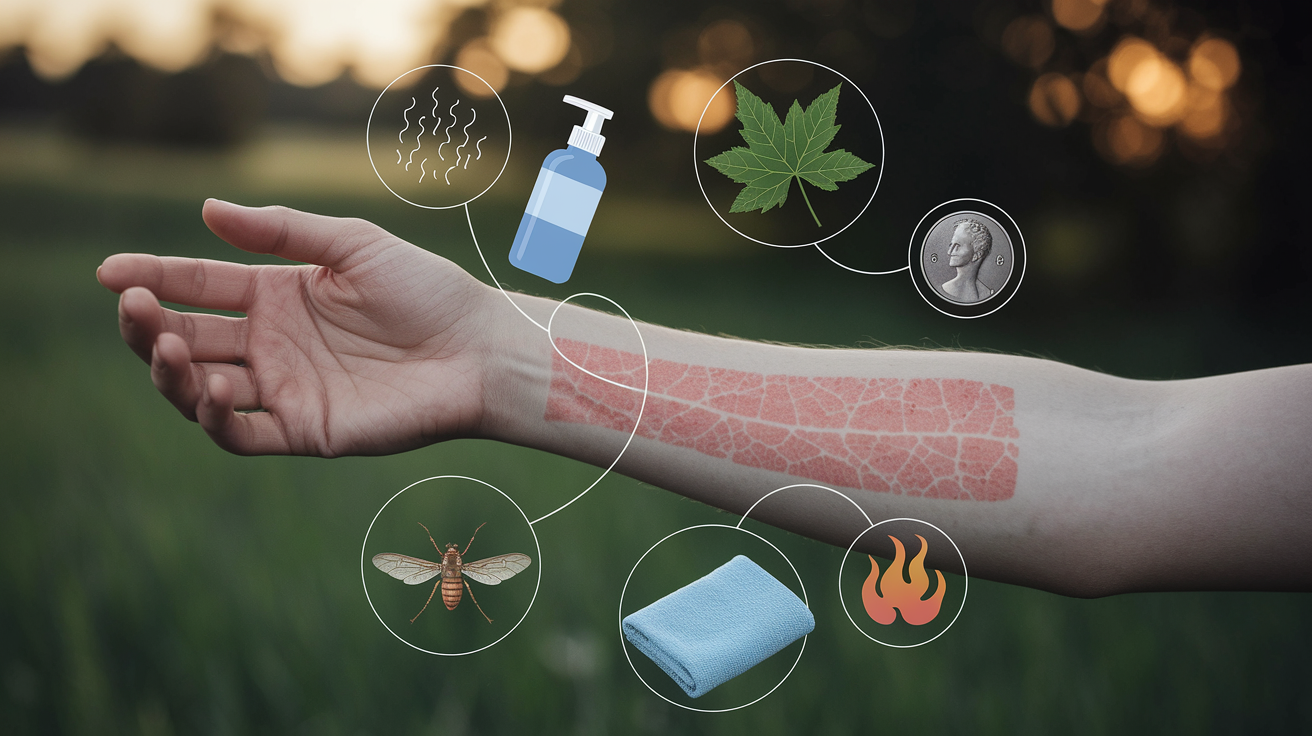
Rashes can appear as red spots, raised bumps, blisters, dry patches, or areas of rough, scaly skin. The way a rash looks often gives you a clue about what caused it, which helps you pick the right natural treatment and avoid making it worse. Common triggers include contact with irritants like soap, detergent, or synthetic fragrances, exposure to allergens such as poison ivy or nickel, heat and moisture that clog pores, insect bites, friction from clothing, and infections caused by bacteria, fungi, or parasites.
Understanding the root cause lets you match your natural remedy to the problem. If your rash showed up after using a new body lotion or touching a plant outdoors, it’s likely contact dermatitis. Heat rash appears in areas where sweat gets trapped, like under tight clothing or in skin folds. Hives often signal an allergic reaction to food, medication, or an insect sting. Fungal rashes tend to show up in warm, damp spots like between toes or under the arms, and they may have a distinct ring shape or scaly border.
Start by asking yourself a few questions. When did the rash start? What were you doing right before it appeared? Does anything make it better or worse? Did you eat something new, start a new medication, or spend time outdoors? Tracking these details helps you spot patterns and avoid the same trigger in the future.
Keep in mind that some rashes have more than one cause. Scratching a heat rash can introduce bacteria and turn it into an infected rash. Stress can make hives or eczema flare up even when you’ve been careful about other triggers. Once you have a sense of what’s behind your rash, you can choose natural treatments that address both the symptoms and the underlying irritation, rather than just covering it up temporarily.
Top Natural Plant Based Remedies for Rash Relief
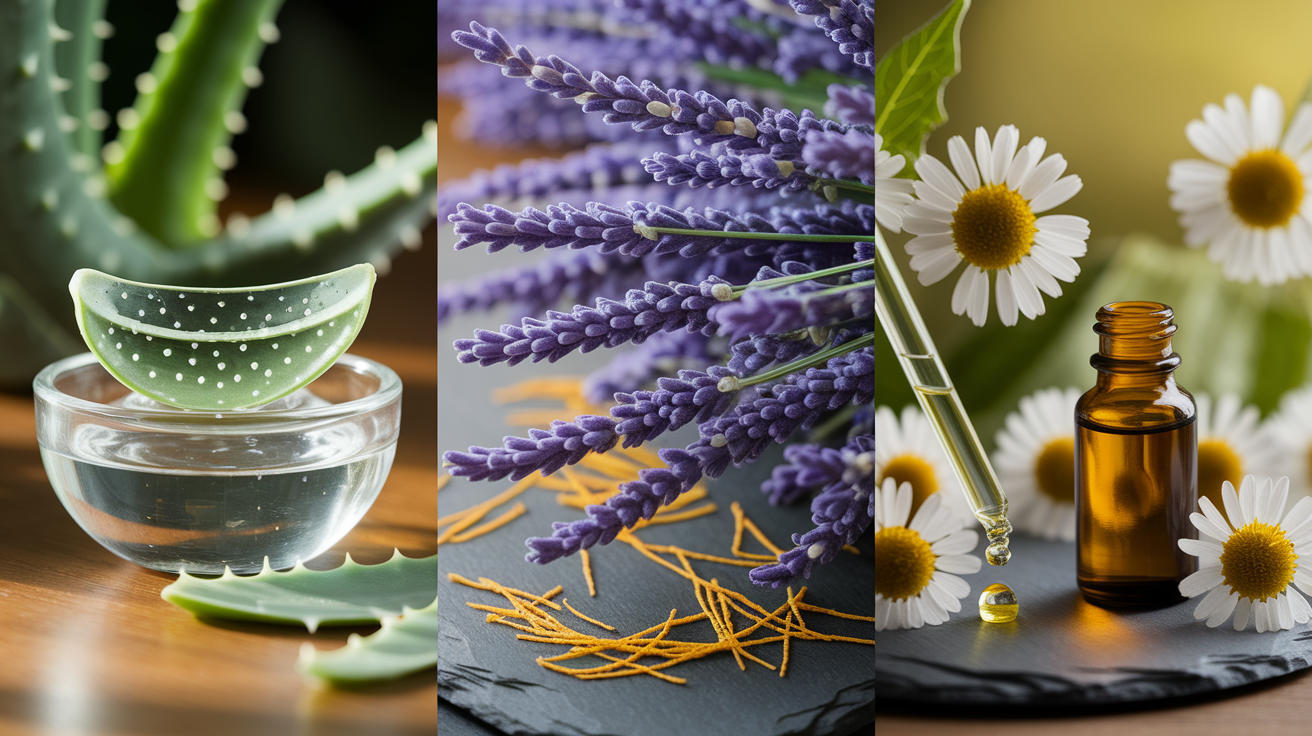
Plant based ingredients offer targeted relief for inflamed, itchy, or irritated skin. These remedies work because they contain natural compounds that calm the immune response, reduce swelling, fight bacteria, and help skin cells repair themselves. You can use them alone or in combination, depending on what your rash needs most.
Aloe vera is one of the most versatile options. It cools on contact, locks moisture into dry patches, and speeds up healing for minor wounds or blisters. Use a high percentage aloe vera gel or a 0.5 percent aloe extract cream. Apply it to clean skin at least three times a day, or whenever the itching flares up. Fresh aloe gel from a leaf works just as well if you have a plant at home.
Essential oils like lavender, chamomile, and tea tree oil have anti inflammatory and antimicrobial effects, but they must always be diluted before touching your skin. Mix three drops of your chosen essential oil with half a teaspoon of coconut oil, then apply the blend to the affected area three times per day. Never use essential oils undiluted, especially on broken skin or near your eyes. Lavender and chamomile are gentler choices for sensitive skin, while tea tree oil works well for rashes that might have a bacterial or fungal component.
Calendula cream is another plant remedy that soothes irritation and promotes tissue repair. You can buy ready made calendula ointment or make a simple version at home by steeping dried calendula petals in a carrier oil like olive or almond oil for a few weeks, then straining and mixing the infused oil with a bit of beeswax to thicken it. Apply a thin layer to the rash twice daily.
| Plant Remedy | Best For | How to Use |
|---|---|---|
| Aloe vera gel | Heat rash, sunburn, dry patches | Apply 3+ times daily to clean skin |
| Lavender essential oil (diluted) | Itching, inflammation, stress related rashes | 3 drops in 1/2 tsp carrier oil, apply 3× daily |
| Chamomile (compress or diluted oil) | Eczema, contact dermatitis, sensitive skin | Soak cloth in cooled chamomile tea or dilute oil as above |
| Tea tree oil (diluted) | Fungal or bacterial rashes, inflamed bumps | 3 drops in 1/2 tsp carrier oil, apply 3× daily |
Chamomile can be used as a compress if you prefer not to use oils. Steep chamomile tea bags in hot water, let the liquid cool completely, then soak a clean cloth in it and press the cloth against the rash for 10 minutes. This method works especially well for eczema or contact dermatitis on the face or other delicate areas. Always test any new plant remedy on a small patch of skin first to make sure you don’t react to it.
Natural Kitchen Remedies for Soothing Rash Symptoms
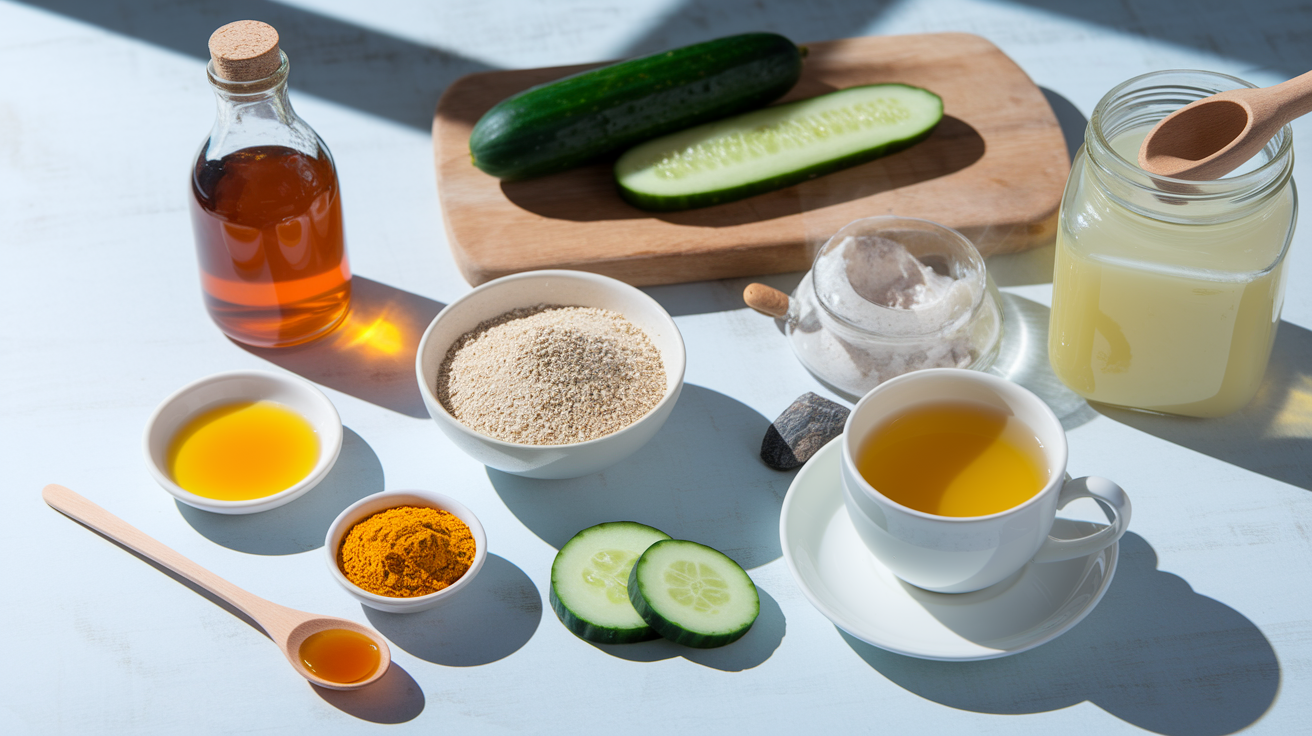
Your kitchen likely holds several simple ingredients that can calm a rash without a trip to the store. These remedies use foods and pantry staples that have natural anti inflammatory, antimicrobial, or cooling properties. They’re easy to prepare and safe for most people when used correctly.
Raw honey is a gentle option for minor rashes with small breaks in the skin. It has natural antibacterial action and helps wounds heal faster. Spread a thin layer of raw, unprocessed honey over the rash, cover it lightly with a clean bandage if needed, and leave it on for 20 to 30 minutes before rinsing with cool water. You can repeat this once or twice a day.
-
Oatmeal paste. Grind plain rolled oats into a fine powder using a blender or food processor. Mix a few tablespoons of the powder with just enough water to form a thick paste. Smooth the paste directly onto the rash and let it sit for 15 minutes, then rinse gently with lukewarm water. This works well for small, localized itchy spots.
-
Turmeric paste. Combine one teaspoon of turmeric powder with a few drops of water or coconut oil to make a thick paste. Apply it to the rash and leave it on for 10 to 15 minutes. Turmeric contains curcumin, which reduces inflammation, but it can stain skin and fabric temporarily, so use it carefully.
-
Apple cider vinegar dilution. If your rash is on your scalp or another area that tolerates mild acidity, dilute apple cider vinegar with an equal amount of water. Apply it with a cotton ball or spray bottle, let it air dry, then rinse with lukewarm water after a few minutes. Never use undiluted vinegar, and skip this remedy entirely if your skin is broken or very raw.
-
Cucumber slices. Chill thick cucumber slices in the refrigerator for 10 minutes, then place them directly on the rash for a cooling effect. Cucumber has natural anti inflammatory compounds and adds moisture to dry, tight skin. Replace the slices every few minutes as they warm up.
-
Green tea compress. Brew a strong cup of green tea, let it cool completely, then soak a clean cloth in the tea and press it against the rash for 10 minutes. Green tea contains polyphenols that calm inflammation and may reduce redness. You can repeat this two or three times a day.
-
Coconut oil and baking soda scrub. For rough, scaly patches that aren’t too irritated, mix one tablespoon of coconut oil with half a tablespoon of baking soda to create a gentle exfoliating paste. Rub it lightly over the area in small circles, then rinse and pat dry. Use this only once or twice a week, and stop if it stings.
These kitchen remedies are most effective when you use them consistently and give your skin time to respond. If a remedy causes stinging, increased redness, or any new discomfort, rinse it off immediately and try a different option.
Natural Supplements and Diet Support for Rash Reduction
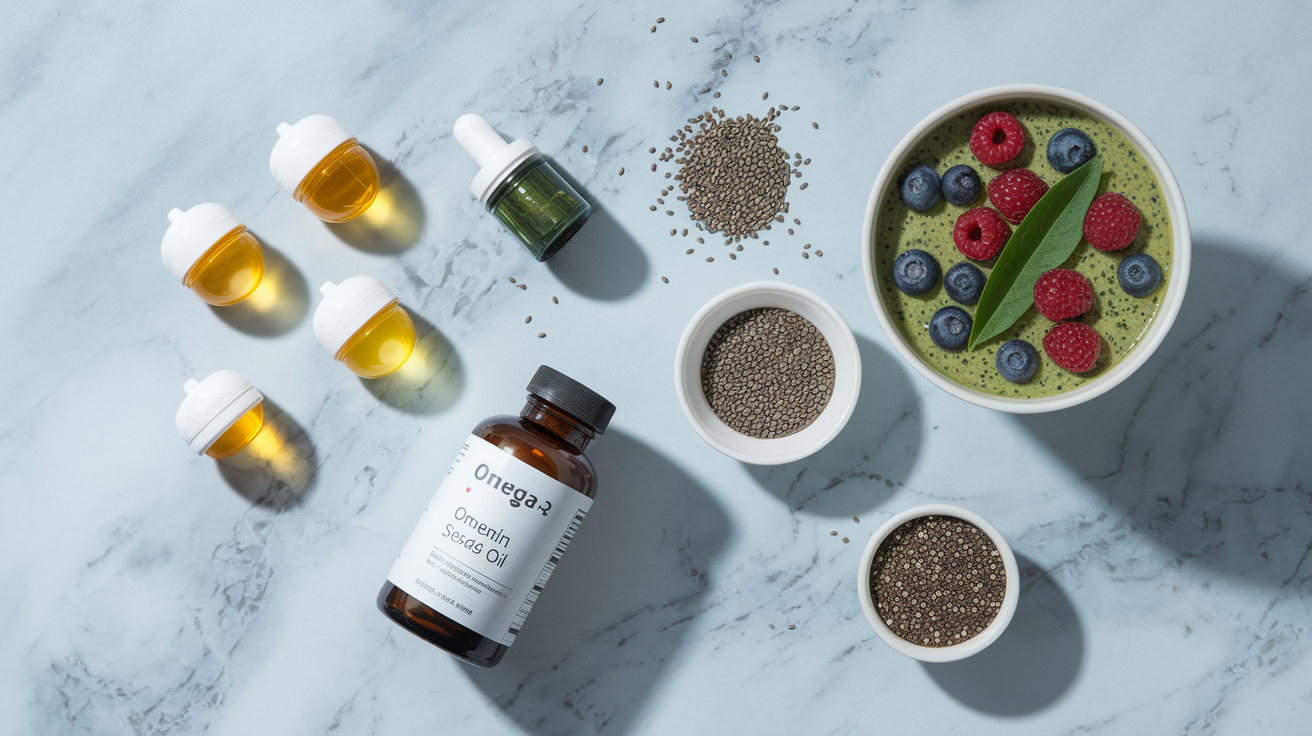
Treating a rash naturally isn’t only about what you put on your skin. What you eat and which supplements you take can influence inflammation levels, immune responses, and how quickly your skin heals. Supporting your body from the inside often makes topical remedies work better and helps prevent future flare ups.
Vitamin C acts as both an antioxidant and a natural antihistamine. Taking 2,000 milligrams daily can help reduce the allergic and inflammatory reactions that drive many rashes. Nettle leaf is another natural antihistamine that’s been studied for hives and other allergic skin reactions. A typical dose is 300 milligrams three times per day. Quercetin, a plant flavonoid found in onions and apples, also blocks histamine release and calms inflammation. The suggested dose is 1,000 milligrams three times daily. These supplements are generally safe, but check with a clinician if you’re pregnant, nursing, or taking other medications.
Omega 3 fatty acids support skin health by lowering systemic inflammation. You can increase omega 3s by adding ground flax seeds or chia seeds to smoothies, oatmeal, or yogurt. Cold pressed oils like extra virgin olive oil and unrefined coconut oil are also helpful, as long as they haven’t been heated above 129 degrees during processing. Eating anti inflammatory foods like leafy greens, berries, and fatty fish can make a noticeable difference over a few weeks.
On the flip side, certain foods can worsen rashes or trigger new flare ups. Common culprits include conventional cow’s milk dairy, gluten, shellfish, and tree nuts, especially if you have a known sensitivity. Processed foods with artificial dyes, trans fats, and hydrogenated oils can increase inflammation throughout your body, including your skin. Fried foods and foods high in sugar may also make itching and redness worse. If you’re not sure what’s triggering your rash, try eliminating the most common allergens for two weeks and then reintroduce them one at a time while watching your skin for changes. Choose organic produce when possible to reduce exposure to pesticides and other chemicals that can irritate sensitive skin.
Natural Rash Care by Type: Eczema, Heat Rash, Hives and More
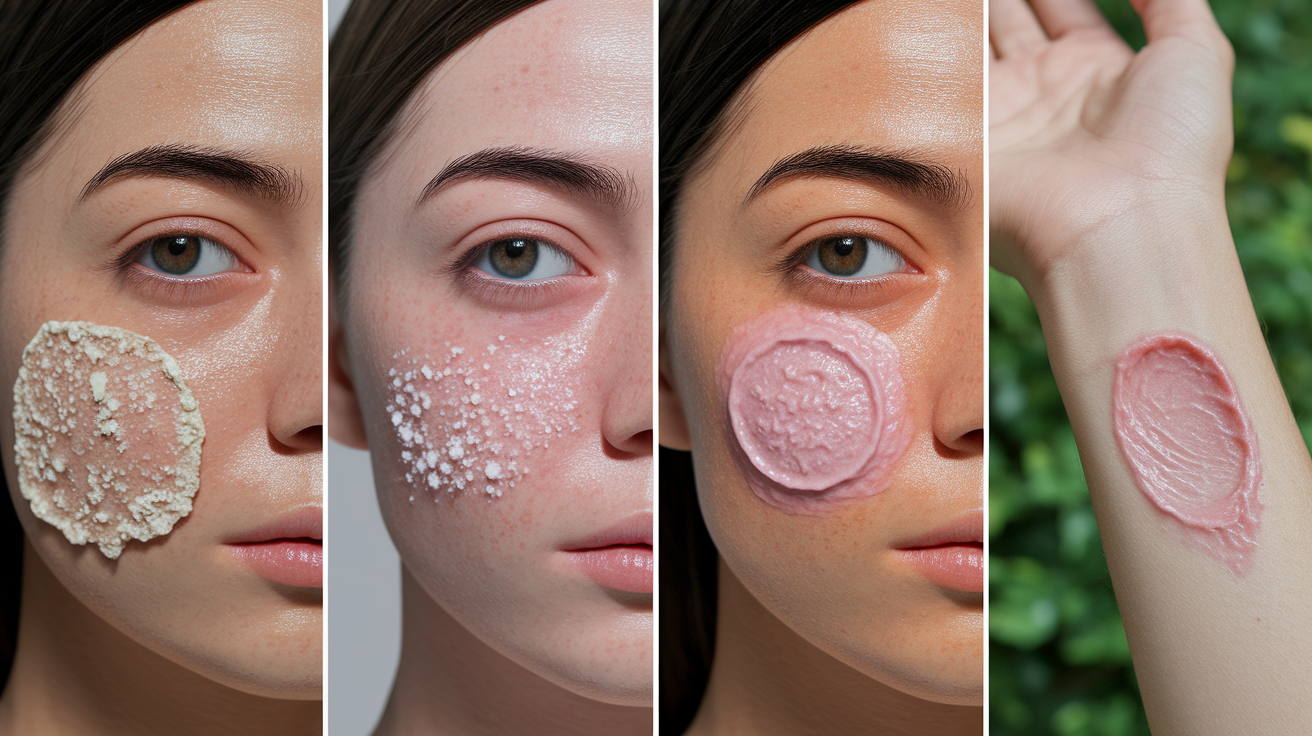
Different types of rashes respond better to specific natural approaches. Once you know what kind of rash you’re dealing with, you can focus on the remedies that match its underlying cause and symptoms.
Eczema flare ups often involve dry, itchy patches that crack or weep. Use the colloidal oatmeal bath method described in the first section to soothe large areas, then apply coconut oil or the aloe vera gel approach to lock in moisture. The chamomile compress from the plant based remedies section works especially well on eczema because it calms both inflammation and itching. Avoid hot water and harsh soaps, and keep your skin moisturized throughout the day.
Heat rash happens when sweat ducts get blocked, trapping moisture under the skin. Cooling methods are your best friend here. Apply the cold compress technique from the immediate relief section, take cool showers, and use the aloe vera gel as needed. Wear loose, breathable fabrics and try to stay in a cool environment until the rash clears. Talcum powder or cornstarch can help keep sweat prone areas dry, but skip this if the skin is broken.
Hives are raised, itchy welts that appear suddenly, often due to an allergic reaction. The supplements mentioned earlier, nettle leaf, quercetin, and vitamin C, can reduce histamine release and calm the reaction from the inside. On the skin, use the cold compress or ice pack method to bring down swelling quickly. If your hives are widespread, take a colloidal oatmeal bath and apply diluted lavender essential oil afterward using the instructions from the plant based remedies section.
Insect bites and stings can cause localized rashes with redness, swelling, and itching. Bentonite clay is particularly useful here. Mix the clay powder with a little water to form a thick paste, apply it directly to the bite, and leave it on for about two hours before rinsing. The clay binds to toxins and may help reduce inflammation. You can also use the honey method from the kitchen remedies section if the bite has a small break in the skin.
Diaper rash responds well to moisture control and gentle barrier creams. Keep the area clean and dry, use the coconut oil or aloe approach after each diaper change, and let the skin air out as much as possible.
Safe Natural Rash Care for Babies, Pregnancy and Sensitive Skin

Natural remedies can be gentler than conventional treatments, but some ingredients still need extra caution when you’re treating babies, young children, pregnant individuals, or anyone with very sensitive or elderly skin. These populations have thinner skin, different immune responses, or special safety considerations that affect which remedies are appropriate.
For infants and young children, avoid essential oils entirely or dilute them much more than the standard ratio. Many essential oils are too strong for a baby’s delicate skin and can cause irritation or allergic reactions. Stick with plain coconut oil, aloe vera gel, and colloidal oatmeal baths, which are widely considered safe and effective. Always choose fragrance free, additive free products. If you’re treating diaper rash, make sure the area is completely dry before applying any topical remedy, and change diapers frequently to reduce moisture exposure.
During pregnancy, some herbal supplements and essential oils should be used with caution or avoided. Large amounts of certain herbs can affect hormone levels or uterine activity. Topical remedies like aloe vera, oatmeal, and coconut oil are generally safe, but always check with your healthcare provider before starting any new supplement, especially nettle, quercetin, or vitamin C in high doses. Pregnant individuals are also more prone to skin changes and increased sensitivity, so patch testing becomes even more important.
Elderly skin is thinner, drier, and heals more slowly. Use extra gentle application methods and avoid anything abrasive or highly acidic. Moisturizing is especially important, so the coconut oil and aloe methods work well here. Be cautious with remedies that require leaving a paste on the skin for a long time, as older skin can become irritated more easily. Choose hypoallergenic, fragrance free options whenever possible, and monitor the rash closely for any signs of worsening or infection.
How to Keep a Rash Clean, Protected and Healing Naturally
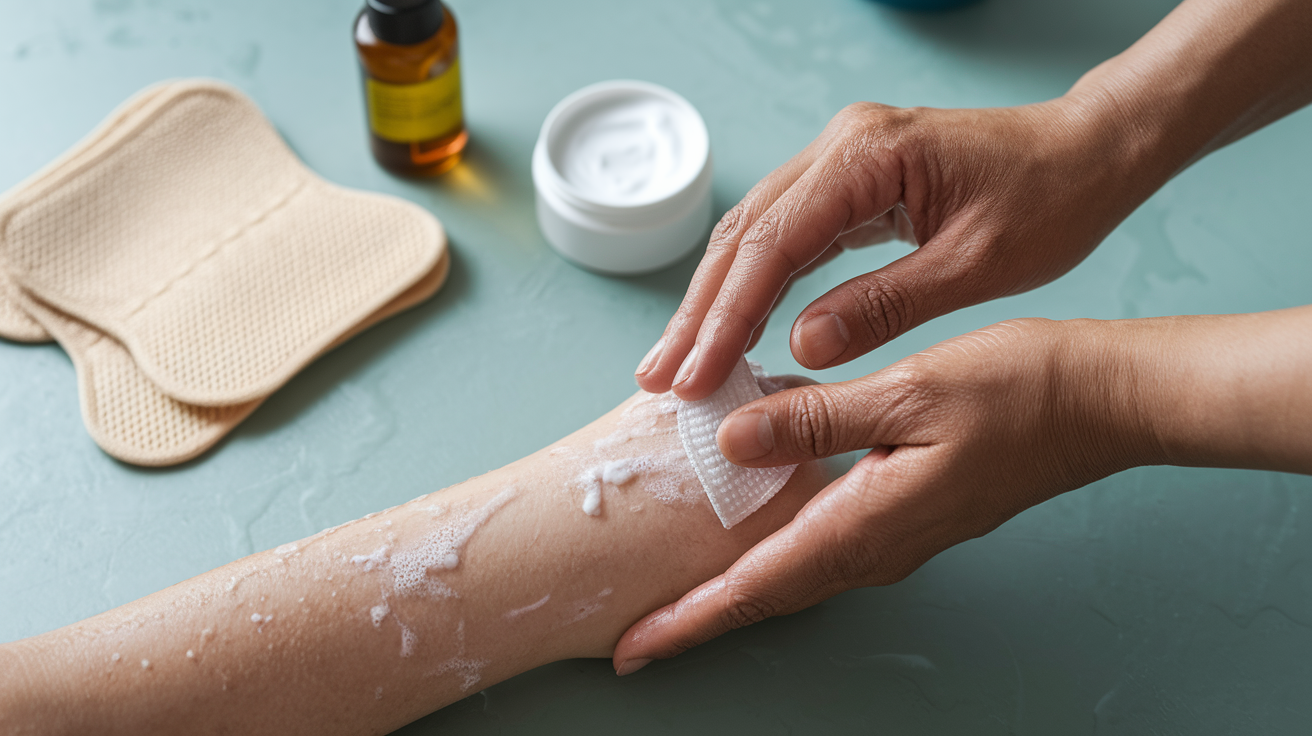
Once you’ve started treating your rash with natural remedies, the way you care for your skin day to day makes a big difference in how quickly it heals and whether it comes back. Keeping the area clean, dry, and protected from further irritation helps your body’s natural repair processes work more efficiently.
Gentle cleansing is important, but over washing can strip away the skin’s protective oils and make things worse. Use a fragrance free, hypoallergenic cleanser or plain lukewarm water, and pat the area dry with a soft, clean towel instead of rubbing. If your rash is oozing or crusty, rinse it gently once or twice a day to remove any buildup, but don’t scrub. After cleansing, apply your chosen natural remedy while the skin is still slightly damp to help lock in moisture.
Avoid products with synthetic fragrances, dyes, alcohol, or harsh chemicals like sulfates and parabens. These ingredients can irritate already sensitive skin and slow down healing. Read labels carefully, and when in doubt, choose products labeled “for sensitive skin” or “fragrance free.” The same rule applies to laundry detergent and fabric softener, since residue from these products stays on your clothes and bedding and can touch your rash all day.
Scratching is one of the hardest habits to break, but it’s also one of the most important. Scratching damages the skin barrier, increases inflammation, and opens the door to infection. Keep your nails trimmed short and filed smooth. If the itching is worst at night, wear soft cotton gloves or cover the rash with a breathable bandage. Distraction techniques like pressing a cold compress against the itch or tapping the skin lightly can give temporary relief without causing harm.
Choose breathable, loose fitting fabrics like cotton or bamboo, and avoid tight clothing that traps sweat or rubs against the rash. If your rash is in a fold of skin, use a clean, dry cloth or gauze to keep the surfaces from sticking together. Watch for warning signs like red streaks spreading out from the rash, areas that feel warm and tender to the touch, or any new oozing or pus. These can signal a secondary infection that needs medical attention, even if your natural remedies were helping at first.
Natural Monitoring, Patch Testing and When to Stop a Remedy

Even natural ingredients can cause reactions in some people, so it’s important to test any new remedy carefully and track how your rash responds over time. This helps you catch problems early and adjust your approach before things get worse.
Before applying any new topical remedy to a large area, do a patch test. Choose a small spot on your inner forearm or behind your ear, apply a little bit of the remedy, and wait 24 hours. If you see new redness, swelling, itching, or any other reaction in that test spot, don’t use the remedy on your rash. Patch testing is especially important for essential oils, honey, apple cider vinegar, and any ingredient you’ve never used on your skin before.
Keep a simple rash diary to track what you’re trying and how well it’s working. Write down the date you started each remedy, how often you’re using it, and any changes you notice in the size, color, texture, or itchiness of the rash. Note whether the rash is getting better, staying the same, or spreading. This record helps you see patterns that aren’t obvious day to day, and it gives your doctor useful information if you end up needing professional care.
Taking photos can be even more helpful than written notes. Use your phone to snap a quick picture of the rash every day or two, always in the same lighting and from the same angle. When you look back at the images side by side, it’s easier to see whether the rash is fading, growing, or changing shape. Photos also help a healthcare provider assess your rash remotely if you call for advice.
Know when to stop a remedy. If the rash gets worse, starts to ooze or crust over, develops new bumps or blisters, or begins to hurt instead of just itch, stop using that remedy immediately and rinse the area with cool water. Any new swelling, warmth, or tenderness can be a sign of an allergic reaction or infection. Don’t keep trying the same remedy hoping it will eventually work. Switch to a gentler option or move on to professional evaluation.
When Natural Treatments Aren’t Enough: Warning Signs and Urgent Symptoms

Natural remedies work well for many mild to moderate rashes, but some situations need immediate medical attention, and others require a clinician’s diagnosis and guidance. Knowing when to stop home treatment and get help can prevent serious complications.
Seek emergency care right away if you or someone with a rash experiences any of these symptoms:
- Difficulty breathing or shortness of breath
- Tightness or itching in the throat
- Swelling of the face, lips, tongue, or throat
- Rapid spreading of the rash over large areas of the body within hours
- Severe pain that’s getting worse quickly
- Dizziness, confusion, or feeling faint
These signs can indicate a severe allergic reaction called anaphylaxis, which is life threatening and requires an epinephrine injection and emergency room care. Don’t wait to see if symptoms improve on their own.
You should see a doctor within a day or two if your rash comes with fever, repeated vomiting or diarrhea, a sore throat, joint pain, a recent tick bite, or a recent animal bite. Rashes that appear alongside these symptoms may be caused by infections like Lyme disease, strep, or other bacterial or viral illnesses that need prescription treatment. Also get evaluated if the rash has red streaks radiating out from it, areas that feel unusually warm or tender, or any oozing sores that smell bad or produce thick pus. These are signs of a secondary bacterial infection that natural remedies can’t resolve.
If your rash hasn’t improved after about one week of consistent home treatment, it’s time to check in with a healthcare provider. Persistent rashes can be caused by underlying conditions like eczema, psoriasis, fungal infections, or autoimmune disorders that require a professional diagnosis and a treatment plan tailored to the root cause. Some rashes look similar but need very different approaches, and trying to guess on your own can waste time and make the condition harder to treat later. A clinician can also help you figure out whether a medication, supplement, or new product is triggering your symptoms, and they can recommend safe prescription options if natural treatments aren’t enough. Your skin is your body’s largest organ and its first line of defense. When something’s not healing the way it should, it’s always okay to ask for help.
Final Words
Start with fast relief: the cold compress, aloe gel, oatmeal soak, and coconut oil give practical, at-home options. The post also covers plant-based topicals, kitchen remedies, supplements and diet support, rash-type strategies, special-population safety, cleaning and protection, patch testing, and clear red flags that mean see a clinician.
Try the quick-start steps, track what changes, and stop anything that makes it worse. These simple, practical steps help you know how to treat a rash naturally — and point you to the right next step.
FAQ
Q: What is the best and fastest natural remedy for a rash?
A: The best and fastest natural remedy for a rash is to cool and soothe the skin: use a cold compress, apply high-percentage aloe vera gel up to three times daily, and take a colloidal oatmeal bath.