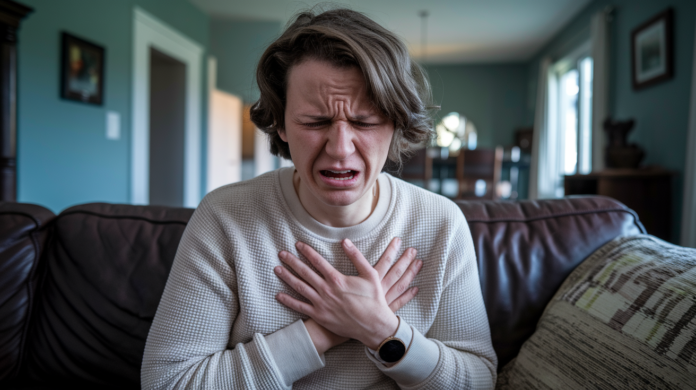

Could that chest twinge be nothing, or something that needs immediate care?
It’s a common and scary question.
This piece lays out clear, short checks you can do at home, like what the pain feels like, what makes it better or worse, and which warning signs mean you should call 911 now.
You’ll also get simple tracking tips to tell a doctor and a quick guide to where to go, whether self care, primary care, urgent care, or the emergency room.
No fluff. Just steady steps to help you decide fast.
Immediate Danger Signs That Require Emergency Care

If you’re experiencing crushing, heavy pressure in the center of your chest, especially if it spreads to your jaw, arms, or back, call 911 right now. Heart attacks and aortic dissections can kill within minutes. The faster you get emergency care, the better your chances of survival. Don’t wait to see if the pain goes away on its own.
Watch for symptoms beyond chest pain. Sudden shortness of breath, cold sweats, nausea, lightheadedness, or fainting can all signal that your heart or lungs are in serious trouble. Heart attack symptoms can start mild and ramp up quickly. Or they can hit all at once with no warning. Either way, treat any combination of these signs as an emergency.
Never drive yourself to the hospital if you suspect a heart attack or other life threatening cause. Ambulance crews can start treatments like oxygen, IV medications, and heart monitoring while you’re en route to the ER. If you lose consciousness behind the wheel, you put yourself and others at risk.
When in doubt, make the call. Emergency dispatchers are trained to help you decide if you need an ambulance, and paramedics can assess you on site. It’s always safer to have a professional rule out danger than to guess and wait too long.
How to Quickly Assess Your Chest Pain at Home
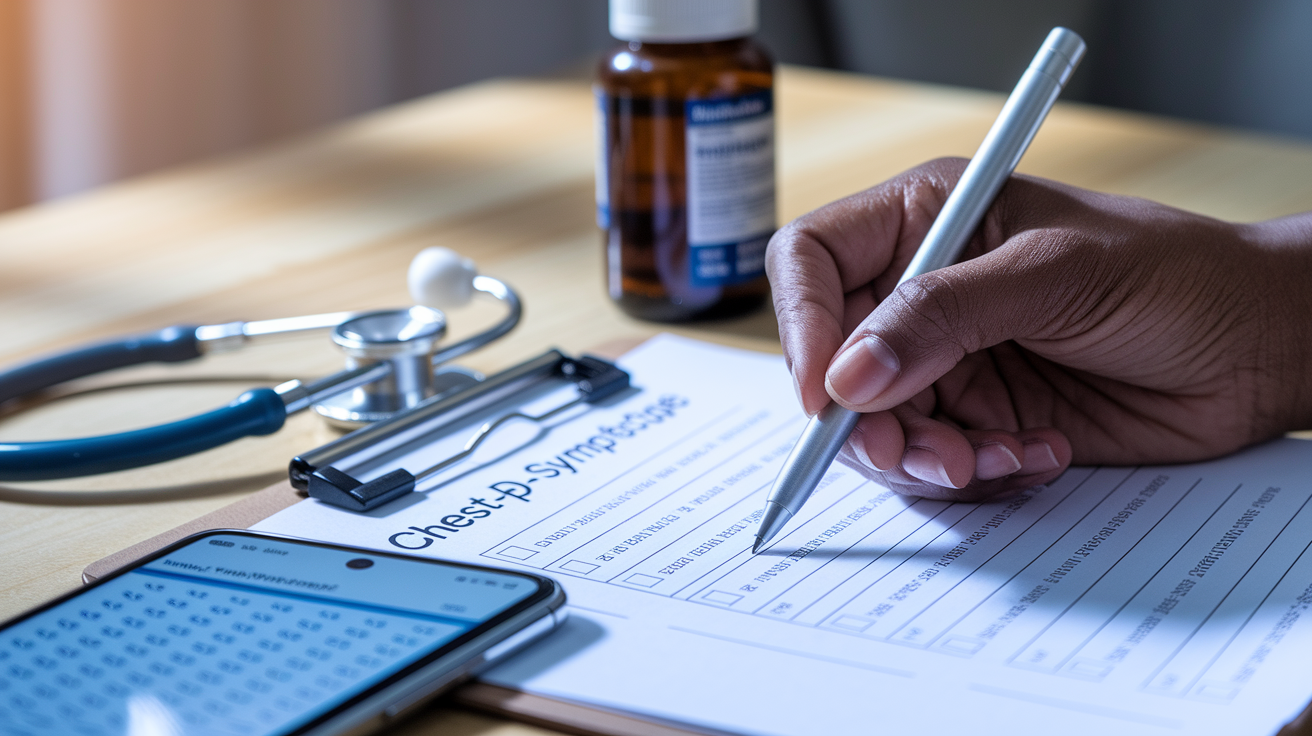
Before you decide whether to call 911, seek urgent care, or schedule an appointment, take a moment to note what the pain feels like and what’s happening around you. This quick mental checklist won’t replace a doctor’s evaluation, but it can help you decide how fast to act.
Pain Characteristics to Pay Attention To
Start with the sensation itself. Is it a dull ache, sharp stabbing, burning, or heavy pressure? Pain that feels like an elephant sitting on your chest is more concerning than a brief twinge. Track how long it lasts. Anything over five minutes deserves more attention, especially if it’s new or severe.
Notice whether the pain changes when you move, press on your chest, or take a deep breath. Musculoskeletal pain usually gets worse if you twist your torso or push on the sore spot. Pleuritic pain, sharp discomfort that spikes when you inhale, can point to lung or lining issues. Cardiac pain, on the other hand, often stays constant or worsens with exertion rather than movement or breathing.
Context and Risk Factors
Your age and medical history matter. Men over 45 and women over 55 face higher heart attack risk, especially if you have high blood pressure, diabetes, high cholesterol, or a family history of early heart disease. If you were just lifting heavy boxes, shoveling snow, or sprinting to catch a bus, exertion can trigger angina in people with narrowed coronary arteries.
Recent long flights, surgery, or being stuck in bed for days raise the chance of a pulmonary embolism, a blood clot in the lungs. Active cancer, pregnancy, and estrogen use also increase that risk. Even if you’re young and healthy, sudden severe symptoms still warrant emergency evaluation.
Home assessment is a starting point, not a diagnosis. If anything about your chest pain feels off, wrong, or scary, trust that instinct and get professional help. The consequences of waiting too long on a serious condition far outweigh the inconvenience of being checked out and sent home.
Common Serious Causes of Chest Pain
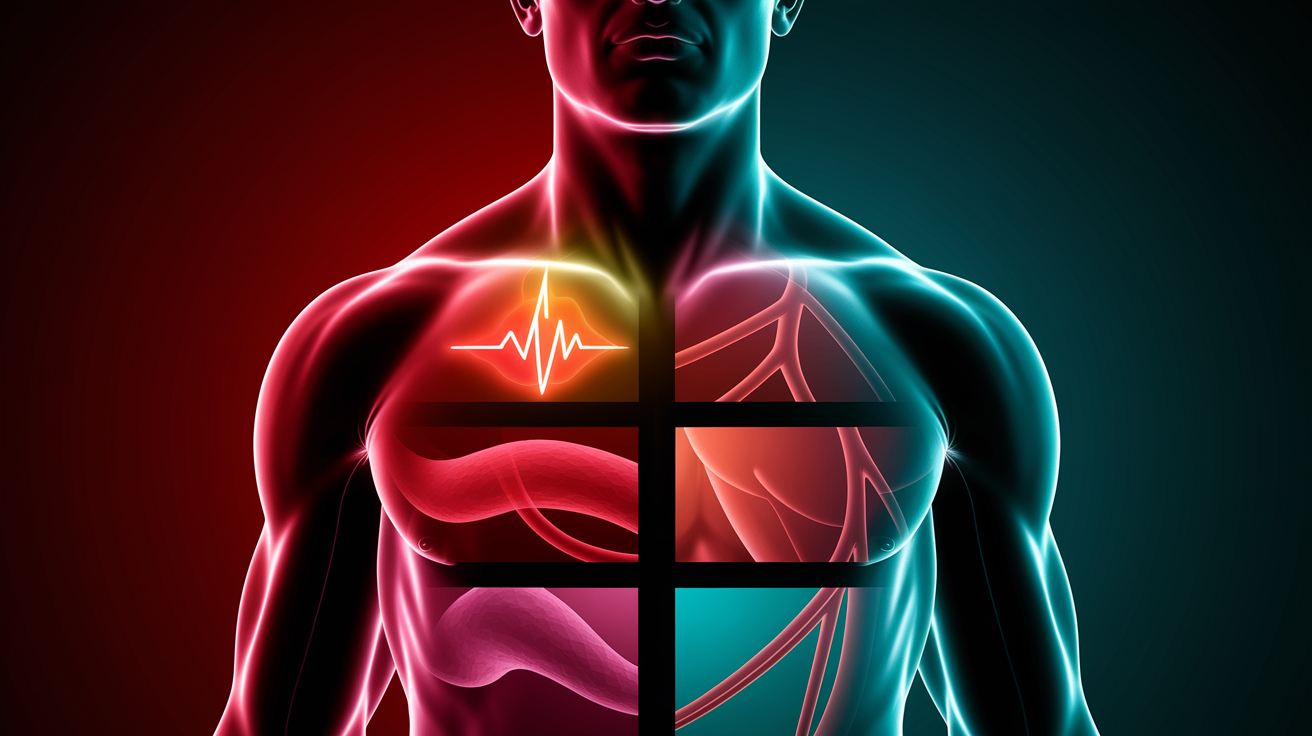
Several life threatening conditions share chest pain as a hallmark symptom, and each can progress fast enough to cause permanent damage or death if untreated. Recognizing their typical patterns helps you understand why emergency care moves so quickly when you arrive.
Heart attack: Squeezing or crushing pressure in the center of the chest, often lasting longer than twenty minutes and not relieved by rest. Pain frequently radiates to the left arm, jaw, neck, or back. Look for heavy sweating, nausea, and shortness of breath alongside the discomfort.
Angina: Chest tightness or pressure triggered by physical exertion or emotional stress, typically improving within a few minutes of rest. It signals that your heart muscle isn’t getting enough oxygen because of narrowed coronary arteries, a warning that a full heart attack could follow.
Pulmonary embolism: Sudden sharp chest pain that worsens when you breathe in, paired with rapid breathing, rapid heart rate, and sometimes coughing up blood. This happens when a blood clot blocks an artery in your lungs, cutting off oxygen supply.
Aortic dissection: Abrupt, tearing or ripping pain in the chest or upper back, often described as the worst pain someone has ever felt. Blood pressure may differ between your arms, and the condition can rupture within hours if not treated emergently.
These conditions share one thing. Time matters. Heart muscle, lung tissue, and major blood vessels can’t wait days or even hours for treatment. Clot busting drugs, emergency angioplasty, and surgical repair work best when started within the first minutes to hours after symptoms begin.
Even if your pain doesn’t fit every textbook detail, take any combination of severe chest discomfort, trouble breathing, and sweating or fainting as a sign to call 911. Paramedics would rather clear you on site than have you collapse at home while wondering if it’s serious enough.
Less Serious but Common Causes of Chest Discomfort

Not every episode of chest pain signals an emergency, and understanding benign causes can reduce unnecessary panic. That said, these conditions still deserve attention if symptoms are new, persistent, or hard to distinguish from cardiac pain.
Acid reflux causes a burning sensation under your breastbone, especially after large or spicy meals, and often worsens when you lie down. Antacids usually bring relief within minutes. Muscle strain from heavy lifting, coughing fits, or even intense workouts creates tenderness you can pinpoint by pressing on your chest wall. The pain gets worse when you twist or raise your arms.
Anxiety and panic attacks can mimic heart attack symptoms surprisingly well. Chest tightness, rapid heartbeat, shortness of breath, and sweating all appear within seconds. The key difference is that panic symptoms peak within ten minutes and then gradually fade, whereas cardiac pain tends to build or stay constant. If you’re unsure, get evaluated. Clinicians would rather reassure you than miss a real emergency.
| Cause | Typical Sensation | Distinguishing Feature |
|---|---|---|
| Acid reflux | Burning under the breastbone | Worse after meals or when lying flat; improves with antacids |
| Muscle strain | Sharp or aching pain on chest wall | Tender to touch; worsens with movement or deep breathing |
| Anxiety-related discomfort | Tightness, rapid heartbeat, breathlessness | Peaks quickly and fades; often triggered by stress or panic |
When to Seek Medical Evaluation Even if Symptoms Seem Mild

Chest discomfort doesn’t have to be dramatic to be dangerous. Mild, nagging pressure that lasts more than ten minutes, especially if it keeps coming back over hours or days, can still signal a heart problem that needs diagnosis and treatment before it turns into a full blown emergency.
If you have diabetes, high blood pressure, high cholesterol, or a history of smoking, don’t brush off subtle symptoms. Heart attacks in people with diabetes can present as vague discomfort, fatigue, or shortness of breath rather than crushing pain. Women, older adults, and people with nerve damage from diabetes are especially likely to have atypical presentations that don’t match the classic Hollywood heart attack script.
When you see a clinician for chest pain, expect an electrocardiogram (ECG) to check your heart’s electrical activity, blood tests to look for cardiac enzymes that leak out when heart muscle is injured, and possibly a chest X-ray or other imaging if lung or structural problems are suspected. These tests are quick, noninvasive, and can either reassure you or catch a serious issue early enough to treat it effectively.
Final Words
Chest pain can stem from dozens of causes, and knowing how to tell if chest pain is serious often comes down to recognizing a few key warning signs.
Crushing pressure, difficulty breathing, pain radiating to your arm or jaw, or sudden tearing sensations all require immediate emergency care. Don’t second-guess those.
For milder or unclear symptoms, track what you’re feeling, consider your risk factors, and reach out to a clinician if you’re uncertain or if the pain keeps coming back.
You’re not overreacting by seeking help. When it comes to chest pain, it’s always safer to get it checked than to wait and wonder.
FAQ
Q: What type of chest pain is not serious?
A: The type of chest pain that’s usually not serious is sharp, local pain that changes with breathing or movement, or a burning feeling after meals from reflux. See care if it’s persistent, severe, or recurrent.
Q: What are the red flags for chest pain?
A: The red flags for chest pain include sudden crushing pressure, pain radiating to the arm, jaw, or back, severe shortness of breath, fainting, heavy sweating, or nausea—call emergency services right away if any occur.
Q: What does worrying chest pain feel like?
A: The worrying chest pain feels like deep pressure or squeezing, often lasting minutes, sometimes spreading to the arm, jaw, or back, and commonly comes with breathlessness, sweating, nausea, or lightheadedness—seek urgent care.
Q: What are 3 to 5 common causes of chest pain?
A: Common causes of chest pain include heart attack or angina, acid reflux (heartburn), muscle strain, anxiety-related tightness, and pulmonary embolism; each has different signs, so get evaluated if you’re uncertain.