
What if you could stop diarrhea in minutes instead of letting it steal your day?
Fast relief usually starts with two things: replacing lost fluids and giving your gut bland, easy food.
Small, steady sips of an oral rehydration solution, a plain piece of toast or a banana, and, only if you don’t have a fever or blood in your stool, an over-the-counter anti-diarrheal can turn things around quickly.
This post gives six practical steps to stop diarrhea fast, what to try at home, what to avoid, and when to get medical help.
Fast-Acting Steps for Stopping Diarrhea Quickly
Most acute diarrhea improves noticeably within hours once you start replacing fluids and switch to bland foods. The key is acting right away. Waiting often leads to dehydration, which makes everything feel worse. Your body’s losing water, sodium, and potassium with every loose stool, so the fastest relief comes from stopping that cycle immediately.
Start by sipping clear fluids slowly and often. Take small amounts every fifteen to twenty minutes rather than chugging a full glass at once, which can trigger more cramping or nausea. Water works, but oral rehydration solutions (ORS), broths, or even diluted sports drinks help replace the electrolytes your body’s dumping. If you can keep fluids down and start eating bland foods, you’re already moving in the right direction.
Over the counter anti-diarrheal medications like loperamide can reduce stool frequency quickly, but they’re not safe for everyone. Don’t use them if you’ve got a high fever (above 102°F) or if you see blood or mucus in your stool. Those signs suggest an infection that needs to run its course or be treated with antibiotics. If your symptoms are mild and you don’t have those red flags, loperamide can slow intestinal movement and give your gut a chance to recover.
Here are the six fastest steps to take right now:
- Start sipping an oral rehydration solution or clear broth every fifteen minutes.
- Take loperamide (Imodium) only if you don’t have fever or bloody stool. Follow package dosing.
- Eat a piece of plain white toast or a few plain crackers to give your stomach something gentle.
- Add a banana if you can tolerate it. It replaces potassium and helps firm stool.
- Rest your digestive system by skipping heavy meals for the next few hours.
- Keep a cup of water or ORS nearby and sip continuously, even if you’re not thirsty yet.
Common Causes That Can Lead to Needing Fast Diarrhea Relief
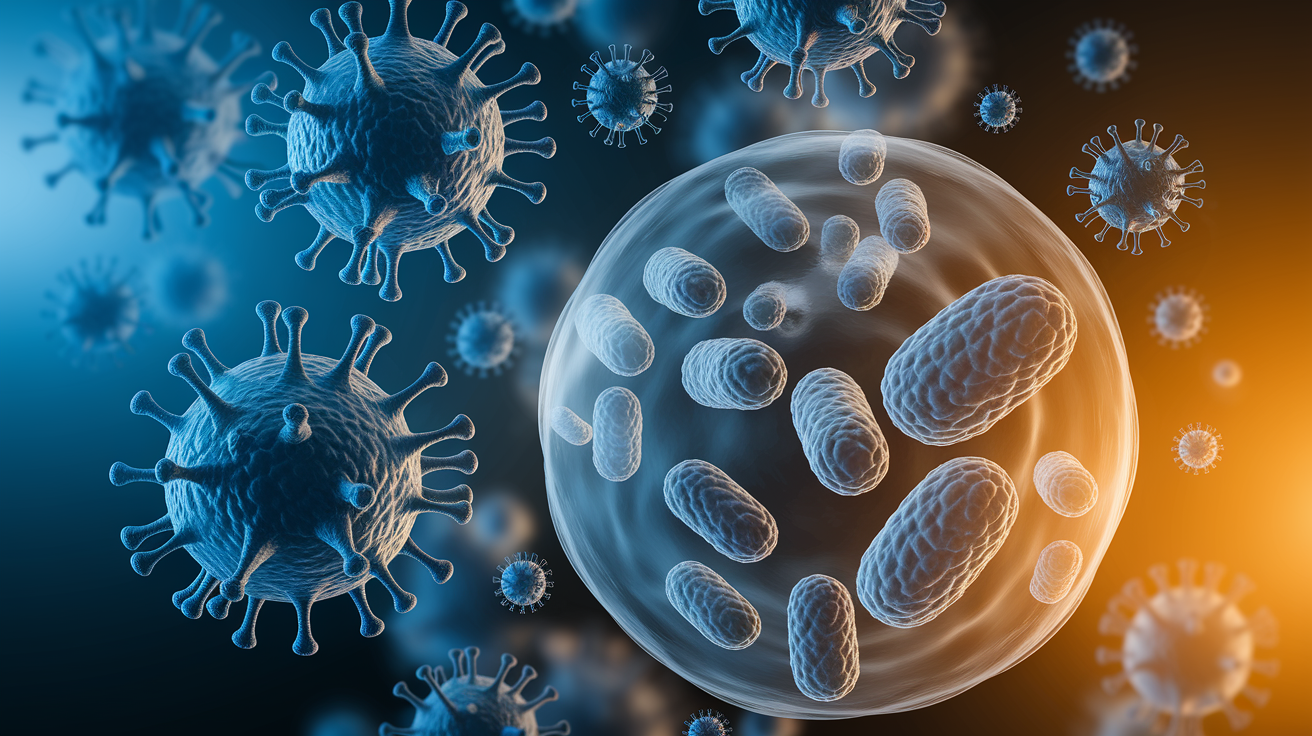
Viral infections are the most common reason diarrhea hits suddenly. Norovirus spreads fast in close quarters like schools, cruise ships, nursing homes. Rotavirus is a frequent cause in young children, especially during colder months. These viruses inflame the lining of your intestines and trigger watery stools that usually clear up in one to two days without medication.
Bacterial causes and food poisoning come next. Salmonella and E. coli are the usual suspects when contaminated food or water’s involved. You might notice diarrhea starting a few hours to a few days after eating something suspicious. Undercooked meat, unwashed produce, or anything left out too long at room temperature. Bacterial diarrhea sometimes brings fever, cramping, and nausea along with loose stools, and it may require antibiotics if symptoms are severe or persistent.
Noninfectious triggers can also cause sudden diarrhea. Antibiotics disrupt the balance of bacteria in your gut. Stress or anxiety can speed up intestinal movement. Lactose intolerance, artificial sweeteners (sorbitol and xylitol), and chronic conditions like IBS or celiac disease can all lead to frequent loose stools. If diarrhea keeps coming back or doesn’t fit the pattern of a stomach bug, one of these underlying issues may be the real cause.
Hydration and Electrolyte Strategies to Stop Diarrhea Fast
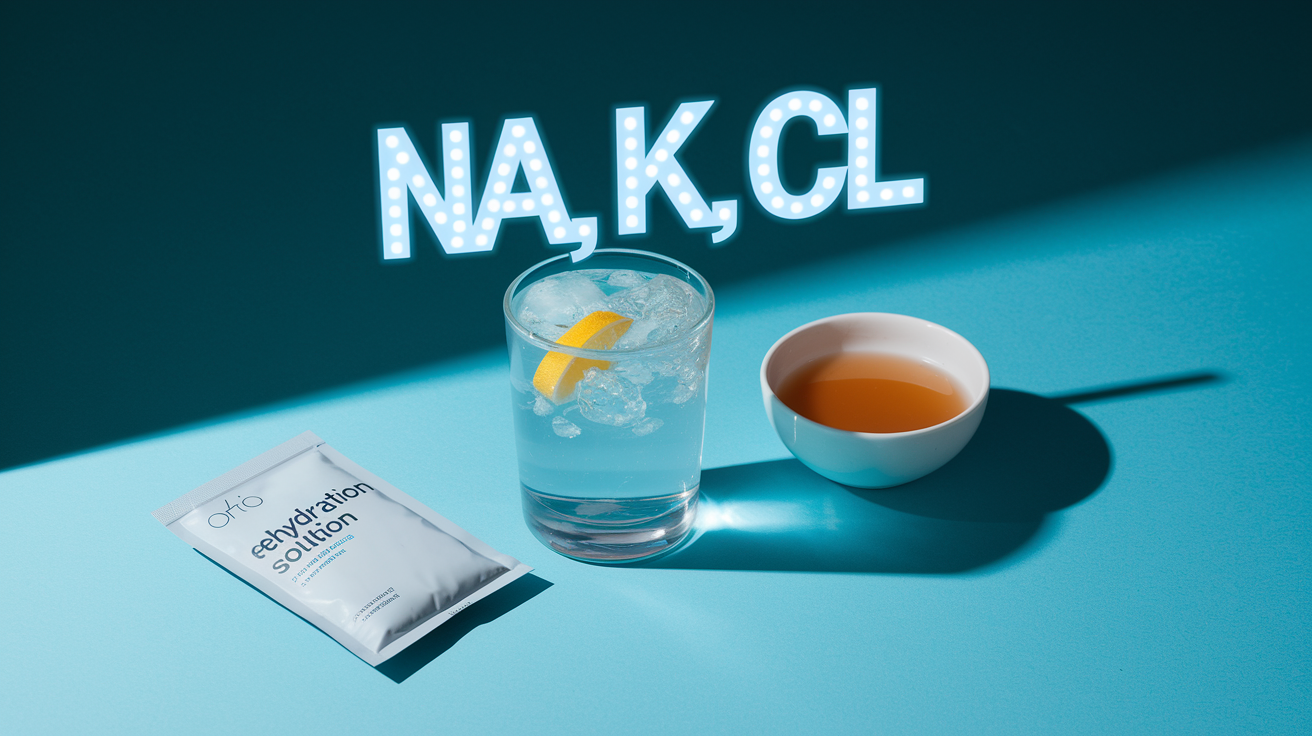
Oral rehydration solutions work faster than plain water because they contain a specific ratio of glucose and sodium that helps your intestines absorb fluid more efficiently. When diarrhea’s active, your gut is losing not just water but also electrolytes. Sodium, potassium, and chloride keep your heart, muscles, and nerves functioning properly. ORS replaces all of those at once, which is why it’s the first line recommendation from the World Health Organization for acute diarrhea.
Sports drinks can help in a pinch, but they’re formulated for athletes sweating during exercise, not for someone losing fluids through diarrhea. They often contain more sugar and less sodium than ORS, so they’re not as balanced for rapid rehydration. If sports drinks are all you’ve got, dilute them slightly with water and sip them alongside plain water or broth to keep your electrolyte intake steady.
Watch for signs that dehydration’s starting to take hold. Dizziness when you stand up, a dry mouth that doesn’t improve with sips of water, darker yellow urine (or very little urine), weakness, and a faster than normal heartbeat all mean your body needs more fluids immediately. If you’re vomiting and can’t keep liquids down, or if these symptoms get worse even while you’re drinking, you need medical evaluation right away.
Making Safe Homemade ORS
You can make a simple rehydration solution at home using clean water, table salt, and sugar. Mix six level teaspoons of sugar and half a teaspoon of salt into one liter (about four cups) of safe drinking water. Stir until dissolved and sip throughout the day. This mixture provides the glucose and sodium balance needed for absorption, but it won’t taste great. It’s slightly salty and sweet at the same time.
Use this recipe only if you can’t get packaged ORS and you’re confident your water is clean. Boil tap water for one minute and let it cool if you’re unsure. Too much salt can make dehydration worse, so measure carefully. Packaged ORS is safer and more precisely balanced, especially for infants and young children, so choose that option whenever possible.
| Fluid Type | Best Use | Notes |
|---|---|---|
| Oral rehydration solution (ORS) | First line rehydration for all ages | Optimal glucose sodium balance; available in packets or ready to drink |
| Sports drinks | Mild dehydration in adults | Higher sugar, lower sodium than ORS; dilute slightly with water |
| Clear broths (chicken, vegetable) | Gentle rehydration and sodium replacement | Warm and soothing; provides electrolytes and a small amount of calories |
| Diluted fruit juice (apple, white grape) | Light flavor to encourage sipping | Mix half juice, half water; avoid high fructose juices like prune or pear |
| Plain water | Maintains hydration between electrolyte drinks | Safe and essential, but doesn’t replace lost sodium or potassium on its own |
Diet Changes That Help Stop Diarrhea Quickly
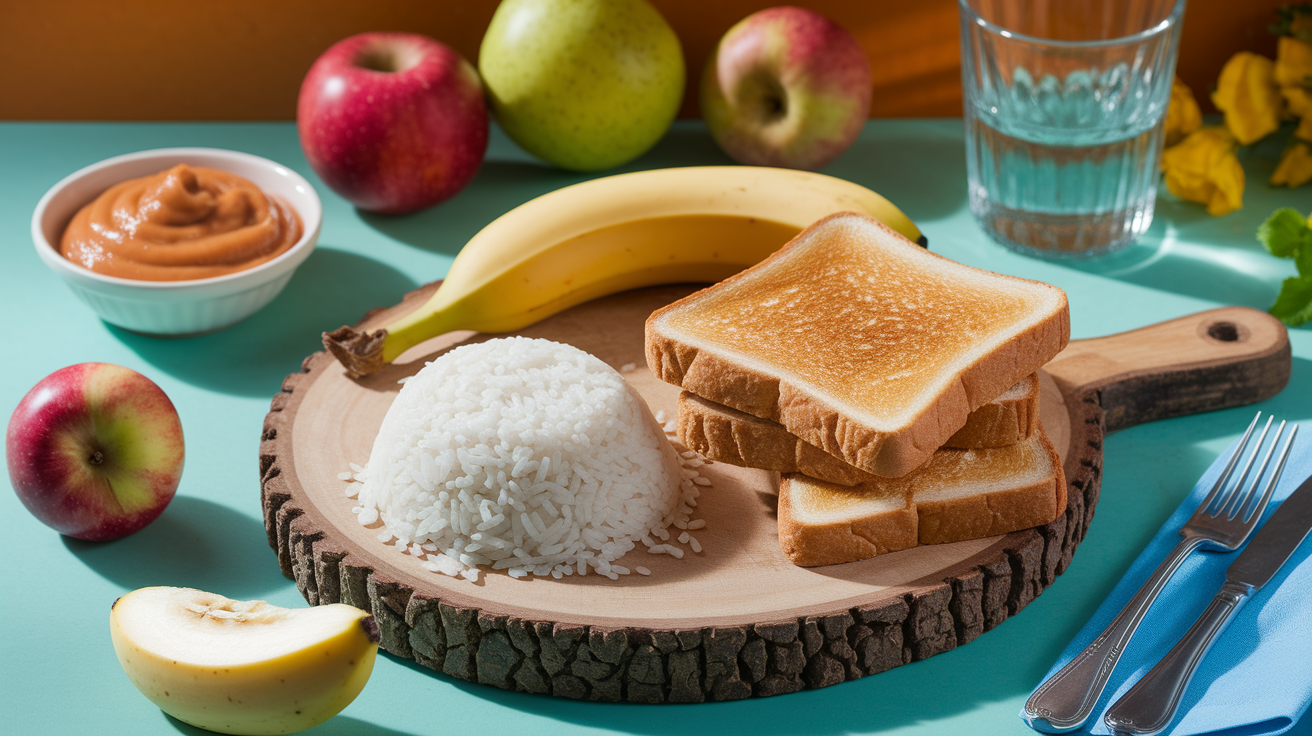
BRAT foods are bananas, rice, applesauce, and toast. They’re low in fiber, bland, and easy to digest, which gives your gut a break while helping to firm up loose stools. Bananas replace potassium lost in diarrhea and contain pectin, a soluble fiber that absorbs water in the intestines. Plain white rice and toast provide gentle carbohydrates that don’t irritate an inflamed gut lining, and unsweetened applesauce adds a little pectin without the roughage of raw fruit.
Introduce these foods slowly, starting with small portions every few hours. If you can keep down a few bites of toast or a half cup of plain rice without triggering more cramping or diarrhea, add a banana or a spoonful of applesauce next. The goal is to give your digestive system something to work with that won’t make things worse. Once you’ve gone several hours without new loose stools, you can try adding boiled potatoes (peeled and mashed if needed) or plain crackers for a little more substance.
Resume your regular diet gradually over the next day or two. Start with soft cooked vegetables like carrots or squash, then move to lean proteins like baked chicken or white fish. Avoid jumping back to greasy, spicy, or high fiber meals until your bowel movements are fully back to normal. Your gut needs a few days to heal even after the diarrhea stops.
Gentle foods to start with right away:
- Plain white toast (no butter or jam)
- White rice, boiled or steamed with no seasoning
- Ripe banana, eaten plain or mashed
- Unsweetened applesauce, room temperature or slightly warm
- Boiled or mashed potatoes (peeled, no butter or milk)
- Plain saltine crackers or other simple crackers without seeds or spices
Foods and Drinks That Can Make Diarrhea Worse
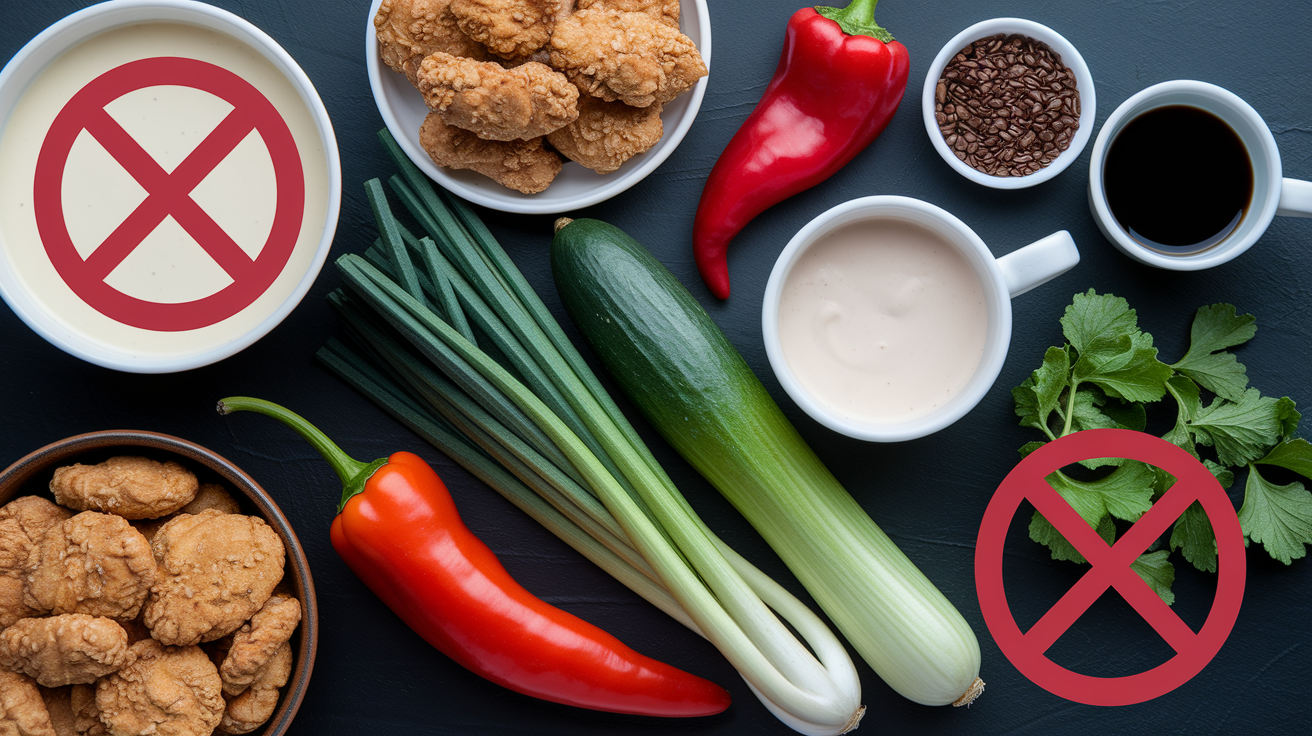
Certain foods speed up intestinal movement or irritate an already inflamed gut, which keeps diarrhea going longer than it needs to. Even if you normally tolerate dairy just fine, temporary lactose sensitivity is common during and right after a bout of diarrhea. Your gut lining is damaged and can’t produce enough lactase enzyme to break down milk sugar. Greasy or fried foods are hard to digest and can trigger more cramping and loose stools.
These restrictions are temporary. Once your bowel movements have been normal for a full day, you can cautiously reintroduce the foods you’ve been avoiding. If diarrhea comes back when you add dairy or high fiber foods, you may have an underlying intolerance worth discussing with a clinician, but most people can return to their usual diet within two to three days.
Foods and drinks to skip until you’re better:
- Dairy products (milk, cheese, yogurt, ice cream)
- Greasy, fried, or fatty foods (fast food, fried chicken, heavy sauces)
- Spicy foods and hot peppers
- Caffeine (coffee, black tea, energy drinks)
- Alcohol
- Raw fruits and vegetables (especially high fiber or acidic ones like oranges, broccoli, or leafy greens)
- Artificial sweeteners containing sorbitol or xylitol (often found in sugar free gum and candies)
Over the Counter Options for Fast Diarrhea Relief
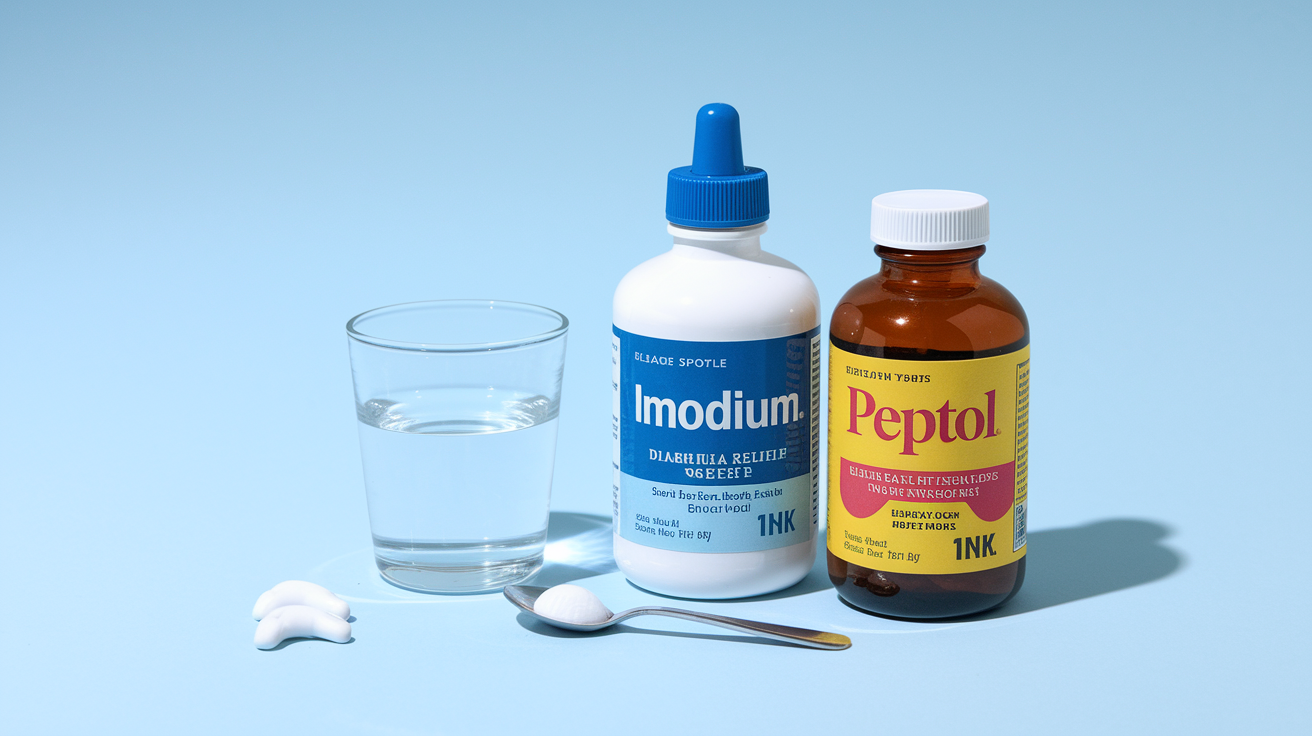
Loperamide (Imodium) is the most common over the counter anti-diarrheal medication. It works by slowing the movement of your intestines, which gives your gut more time to absorb water from stool and reduces the number of trips to the bathroom. Most people notice a decrease in stool frequency within a few hours of the first dose. Follow the package instructions carefully. Typical adult dosing is two milligrams after the first loose stool, then one milligram after each additional loose stool, up to a maximum of eight milligrams per day. Don’t use loperamide for more than 48 hours without improvement, and avoid it entirely if you have a high fever or see blood in your stool. Those signs suggest an infection that shouldn’t be slowed down.
Bismuth subsalicylate (Pepto Bismol) coats the lining of your stomach and intestines and may have mild antibacterial effects, which can help with some cases of traveler’s diarrhea or mild food poisoning. It also reduces inflammation and nausea. The liquid or chewable tablet forms are absorbed quickly, and many people feel some relief within an hour or two. Keep in mind that bismuth turns your tongue and stool temporarily black, which is harmless but can be alarming if you’re not expecting it.
When OTC Medications Should NOT Be Used
Don’t take loperamide or bismuth subsalicylate if you have a fever higher than 102°F, because fever suggests a bacterial or parasitic infection that needs to clear naturally or be treated with antibiotics. Slowing down your intestines in that situation can trap harmful bacteria and make the infection worse. Blood or mucus in your stool is another clear sign to skip OTC anti-diarrheals and call a clinician instead. Those symptoms mean the lining of your intestines is damaged, and you need professional evaluation to rule out serious causes like inflammatory bowel disease or a severe infection.
Safe Use Tips
Always read the package label and stick to the recommended dose. More medication won’t speed up relief and can cause side effects like constipation or, in rare cases, dangerous heart rhythm changes (especially with loperamide). Keep drinking fluids even if the medication reduces your stool frequency. Dehydration is still a risk until your body has fully recovered. If you don’t see improvement within 48 hours, stop the medication and get medical advice. These drugs are meant for short term symptom relief, not for ongoing management of chronic diarrhea.
Probiotics and Supplements That May Help Stop Diarrhea
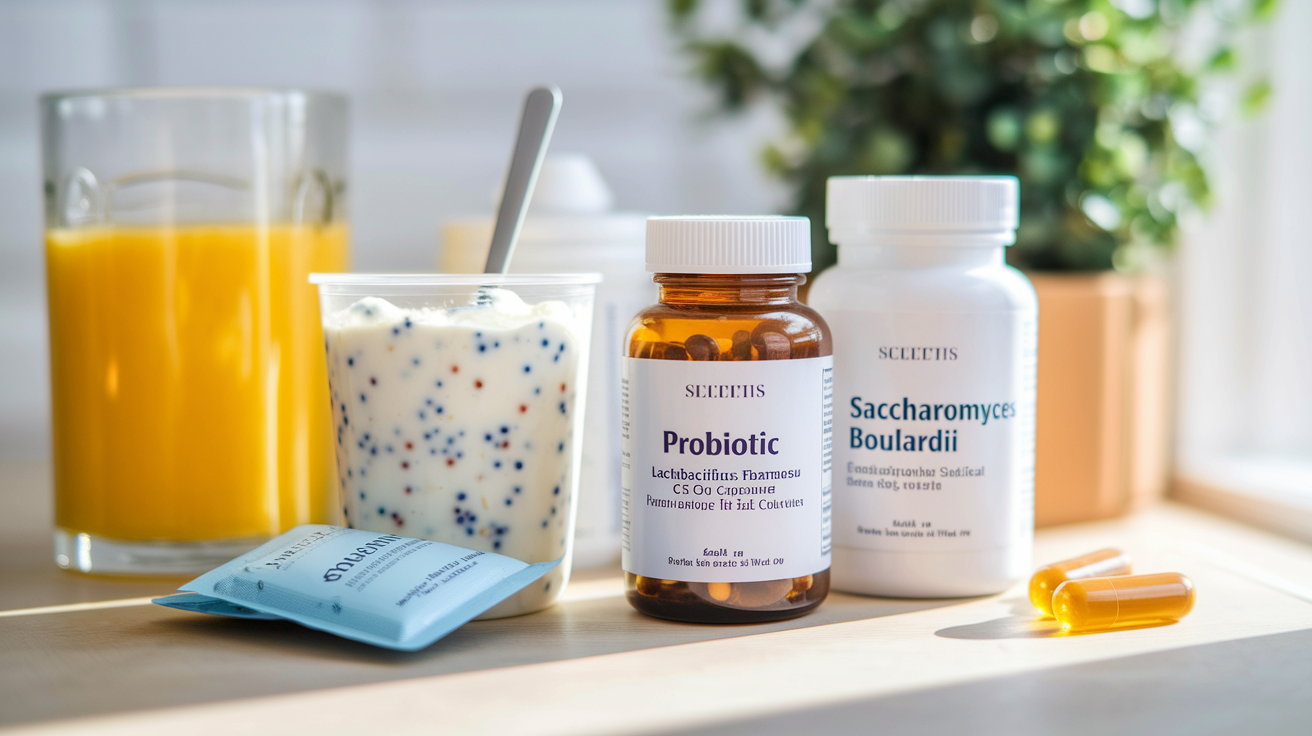
Probiotics are live bacteria and yeasts that support a healthy balance in your gut. When diarrhea’s caused by antibiotics or a mild infection, adding probiotics can help shorten the duration and reduce the severity of symptoms. They work by crowding out harmful bacteria, producing substances that inhibit pathogen growth, and supporting the gut lining’s repair process.
Two strains have the strongest evidence for diarrhea relief: Lactobacillus rhamnosus GG and Saccharomyces boulardii. L. rhamnosus GG is widely available in yogurt with live cultures and in supplement form, and it’s been shown to reduce the length of infectious diarrhea, especially in children. S. boulardii is a beneficial yeast (not a bacteria) that’s particularly effective for antibiotic associated diarrhea and some cases of traveler’s diarrhea. You can find it in capsule form at most pharmacies.
Zinc supplementation is recommended specifically for children older than six months who have acute diarrhea. The World Health Organization advises 20 milligrams per day for 10 to 14 days, which has been shown to reduce stool frequency and duration. Zinc supports immune function and helps repair the intestinal lining. Talk to your pediatrician before starting zinc, especially if your child is already taking other supplements or medications.
| Supplement | Who It Helps | Notes |
|---|---|---|
| Lactobacillus rhamnosus GG | Children and adults with infectious diarrhea | Found in some yogurts and probiotic supplements; safe for most people |
| Saccharomyces boulardii | Anyone with antibiotic associated or traveler’s diarrhea | A yeast, not a bacteria; resistant to antibiotics so can be taken alongside them |
| Probiotic yogurt (general) | Mild cases; maintenance after acute diarrhea | Look for “live and active cultures” on the label; effects are strain dependent |
| Zinc (20 mg/day for children >6 months) | Children with acute diarrhea in low resource settings or moderate to severe cases | Continue for 10 to 14 days; consult pediatrician for dosing and safety |
Stopping Diarrhea Fast in Infants and Children
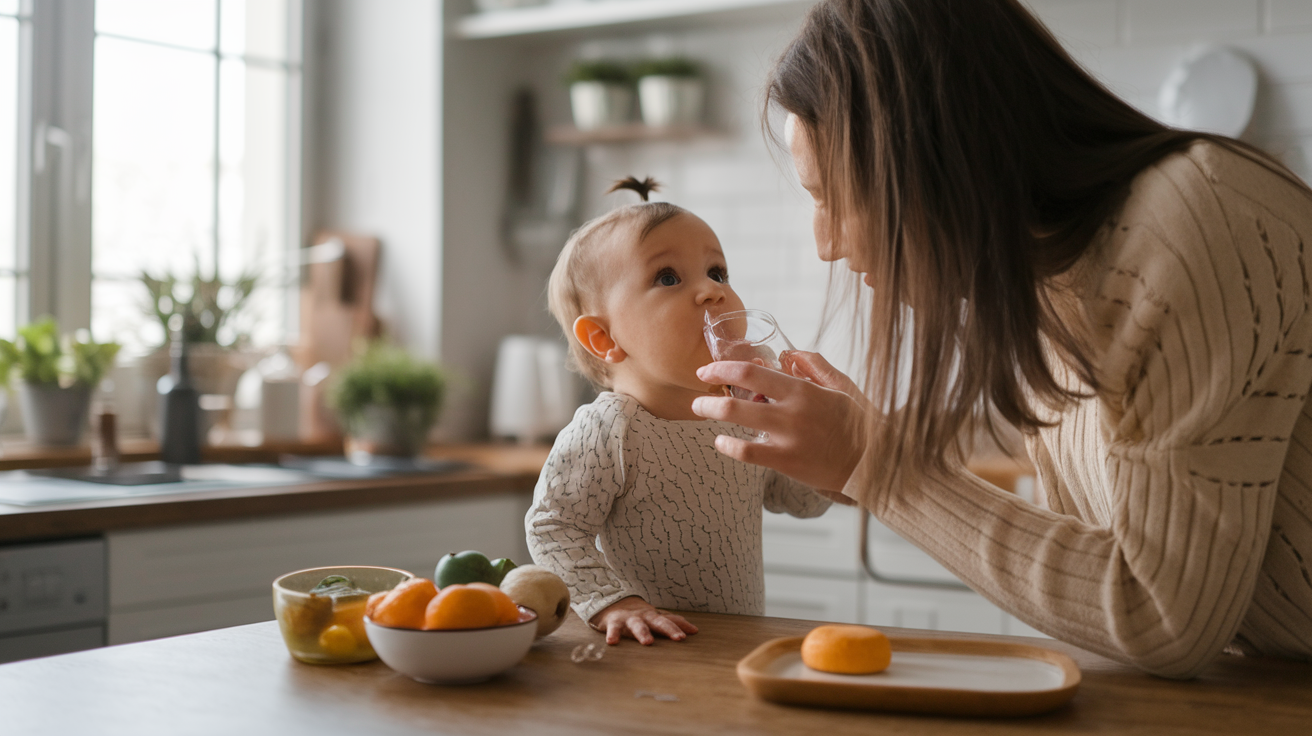
Give small, frequent sips of oral rehydration solution every few minutes, even if your child is breastfeeding or formula feeding. Continue breastfeeding on demand. Breast milk provides fluids, electrolytes, and immune factors that support recovery. If your baby is formula fed, you can alternate between formula and ORS, but don’t dilute the formula (that reduces calories and can worsen electrolyte imbalance). For toddlers and older children, offer ORS in small amounts using a spoon, syringe, or sippy cup, and let them sip slowly rather than gulping.
Once your child can keep fluids down for a few hours, introduce bland foods like mashed banana, plain rice, or dry toast. Avoid sugary drinks, fruit juices (even diluted), and anything spicy or fatty. Toddlers often tolerate plain crackers, boiled potatoes (peeled and mashed), and applesauce well. Don’t force food if your child isn’t interested. Hydration is the priority in the first 24 hours.
Get medical evaluation sooner for infants and young children than you would for yourself. If diarrhea lasts longer than 24 hours in a baby or toddler, or if you see any of the warning signs below, call your pediatrician or visit urgent care. Young children dehydrate faster than adults, and their smaller bodies have less reserve.
Warning Signs in Babies and Young Children
Dehydration in infants shows up as fewer wet diapers (fewer than one every eight hours is a red flag), a sunken soft spot on the top of the head, dry lips and mouth, no tears when crying, and unusual sleepiness or irritability. A baby who won’t wake up easily or seems much less active than usual needs immediate medical attention. High fever (above 102°F), blood or mucus in the diaper, persistent vomiting that prevents any fluid intake, and severe abdominal pain or swelling are all reasons to get care right away.
Five immediate steps for parents:
- Start oral rehydration solution immediately, offering small sips every five to ten minutes.
- Continue breastfeeding or formula feeding as usual. Don’t stop or dilute feeds.
- Track wet diapers and note the time of each bowel movement to share with your pediatrician.
- Avoid fruit juices, sodas, and sugary drinks. They can make diarrhea worse.
- Call your pediatrician if diarrhea lasts more than 24 hours or if any warning signs appear.
Managing Abdominal Cramps While Treating Diarrhea Fast
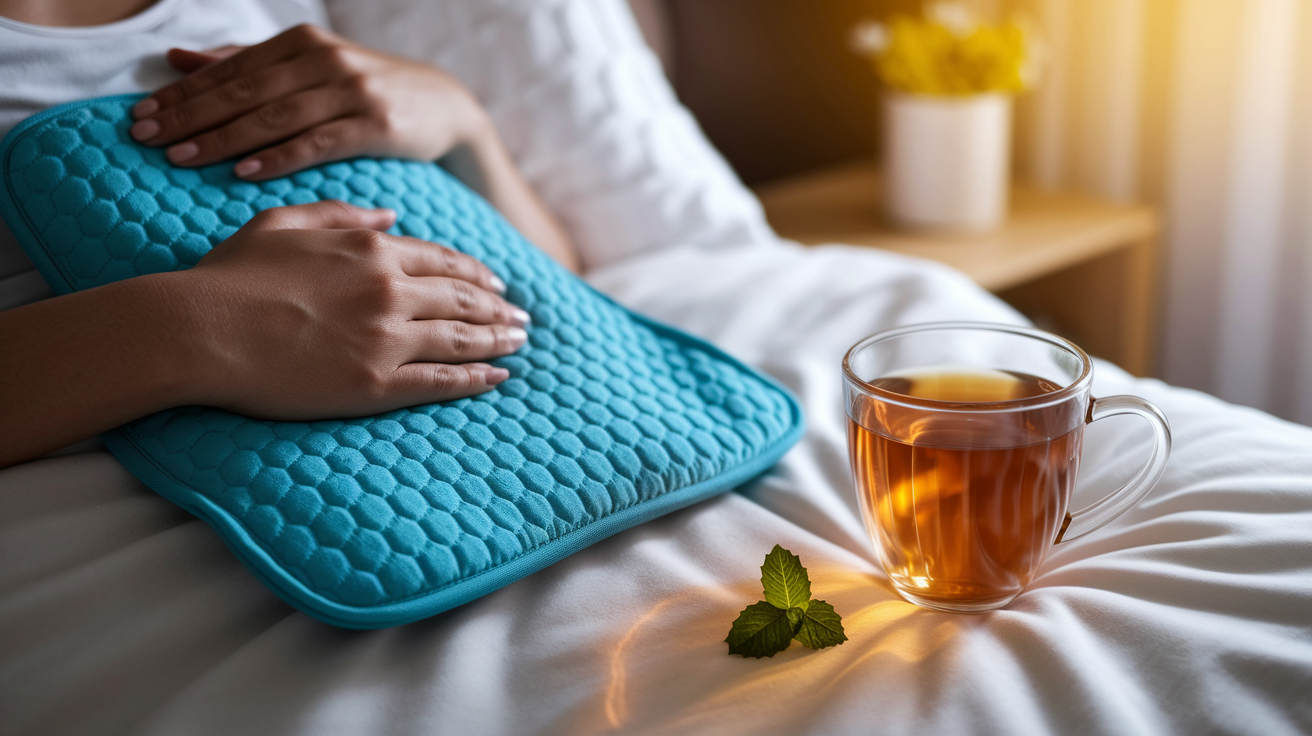
A warm heating pad or hot water bottle placed on your lower abdomen can relax the smooth muscles in your intestines and reduce cramping. Use it for fifteen to twenty minutes at a time, with a layer of fabric between the heat source and your skin to avoid burns. Warm fluids like herbal tea (chamomile or peppermint work well) or clear broth also soothe from the inside and provide a little hydration at the same time.
Gentle movement can help, too. Light stretching, slow walking around the house, or lying on your side with your knees pulled toward your chest can ease gas and cramping. Rest when you need to. Your body’s working hard to clear the infection or irritant, and pushing through severe cramps with intense activity usually makes things worse.
Four at home cramp relief strategies:
- Apply a heating pad or warm compress to your lower belly for fifteen minutes.
- Sip warm ginger tea (ginger has natural anti-inflammatory effects and may calm nausea).
- Try peppermint or chamomile tea, both of which relax intestinal muscles.
- Lie down in a comfortable position and practice slow, deep breathing to reduce tension.
When Fast Relief Isn’t Enough: Signs You Should Get Medical Care

Most acute diarrhea clears up within one to two days with home care, but some situations require professional evaluation. For adults, get medical attention if diarrhea lasts longer than two days without improvement, especially if you’re also experiencing other symptoms. For children, the threshold is lower. Call your pediatrician if diarrhea continues for more than 24 hours or if your child shows any signs of dehydration or distress.
Dehydration signs in adults include extreme thirst that doesn’t improve with drinking, dizziness or lightheadedness (especially when standing), very little urine output or dark yellow urine, a racing heart, confusion, and dry mouth or skin that doesn’t bounce back when pinched. If you’re vomiting so much that you can’t keep any fluids down, you need intravenous fluids to rehydrate safely.
Stool tests may be needed if your clinician suspects a bacterial infection, parasite, or inflammatory bowel disease. These tests identify specific pathogens or markers of inflammation and guide treatment decisions, especially if you’ve traveled recently, eaten questionable food, or have a weakened immune system.
Five red flag symptoms requiring urgent evaluation:
- Blood, mucus, or black, tarry stools.
- High fever above 102°F that doesn’t come down with medication.
- Severe, persistent abdominal pain or cramping that gets worse over time.
- Signs of significant dehydration (dizziness, very little urine, extreme weakness).
- Inability to keep any fluids down for more than 12 hours due to vomiting.
Final Words
Act now: start with fluids and small sips of ORS, rest, and a bland BRAT-style diet to reduce stool frequency. Using loperamide or bismuth can help for typical cases, but skip them if you have fever or bloody stools.
Keep an eye on hydration, how often stools come, and any worsening pain. For infants, follow dosing and call sooner.
If symptoms persist or red flags appear, get medical care. These practical steps show how to stop diarrhea fast and help you feel steadier soon.
FAQ
Q: What stops diarrhea asap?
A: Stopping diarrhea as fast as possible means replacing fluids and electrolytes, eating bland BRAT-style foods, and using short-term OTC meds like loperamide or bismuth subsalicylate, only if you don’t have fever or bloody stool.
Q: What can I drink to stop diarrhea?
A: Drinks that help stop diarrhea include oral rehydration solutions, clear broths, water, and diluted fruit juice; sports drinks can be used short-term, but choose an ORS for the best electrolyte balance.
Q: What 12 foods stop diarrhea?
A: Twelve foods that may help stop diarrhea include bananas, white rice, applesauce, toast, boiled potatoes, plain crackers, cooked carrots, plain chicken, yogurt with live cultures, oatmeal, pumpkin, and mashed sweet potato.
Q: What does diarrhea flush out?
A: Diarrhea flushes out excess water, electrolytes like sodium and potassium, and waste, which can quickly cause dehydration and imbalance unless you replace fluids and salts.