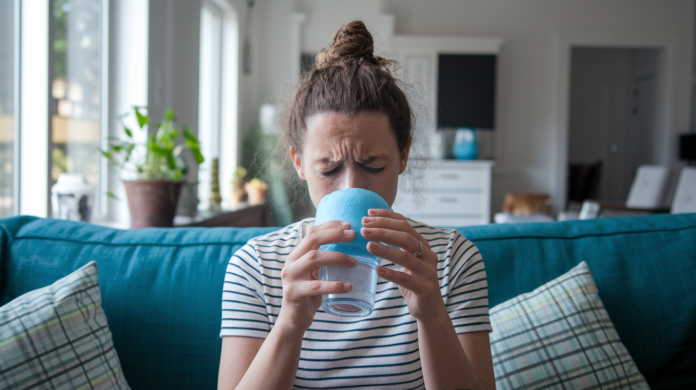

You don’t always need medicine to bring down a fever.
If you’re uncomfortable and want relief fast, there are safe, simple steps you can try at home.
This guide shows six immediate cooling moves, like sipping cool fluids, cool compresses, lukewarm baths, light clothing, air flow, and rest, that often lower temperature within 30 to 60 minutes.
You’ll also get gentle natural remedies, room tweaks, what to eat, how long each method takes, and the clear warning signs that need medical care.
Read on to learn how to feel steadier, avoid dehydration, and know exactly when to get help.
Immediate Ways to Lower Body Temperature at Home (Without Medicine)
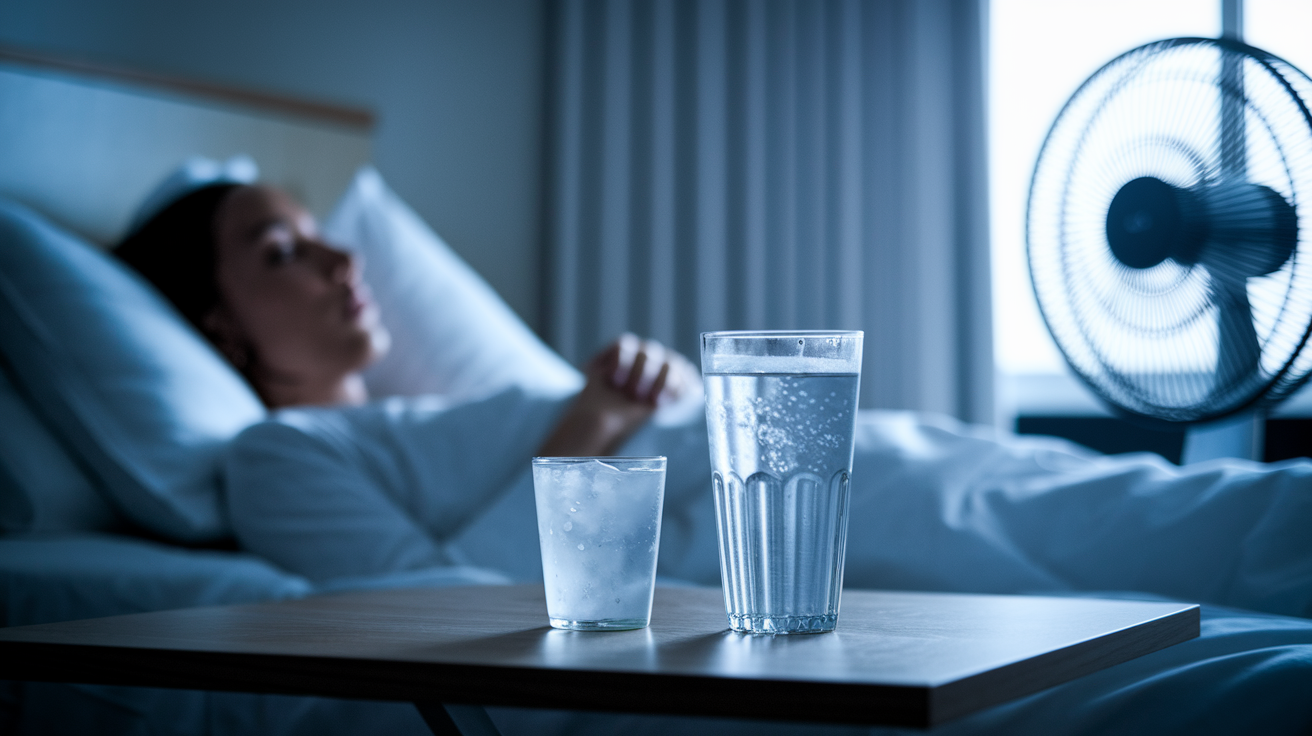
When you’re running a fever, your body’s fighting off an infection. That elevated temperature is actually part of your immune response, but bringing it down a bit can help you feel more comfortable and get some real rest. Here are six things you can do right now to cool down naturally without grabbing any medication.
-
Drink cool water or room temperature fluids. Start sipping water, diluted juice, or an electrolyte drink. You’re losing fluid through sweat during a fever, and replacing it helps your internal cooling system actually work.
-
Apply a cool, damp washcloth to your forehead, neck, or wrists. Wet a clean cloth with cool water (not ice cold), wring it out, and place it on your forehead or the back of your neck. Reapply every few minutes as it warms up.
-
Turn on a fan or open a window. Moving air helps sweat evaporate from your skin, which cools you down. Aim the fan so it circulates air around the room rather than blasting straight at you.
-
Remove extra clothing and heavy blankets. Strip down to one light layer. If you’re experiencing chills, it’s tempting to pile on blankets, but that traps heat and can push your temperature higher.
-
Take a lukewarm bath or sponge bath. Fill the tub with water that feels neutral to slightly cool on your wrist. Soak for 10 to 15 minutes, or use a sponge to gently wash your arms, legs, and torso.
-
Rest in a quiet, dimly lit space. Your body needs energy to fight the infection. Lie down, close your eyes, and let your system do its work without the added strain of movement or stimulation.
Most people notice a drop of about 1 to 2 degrees within 30 to 60 minutes when they combine these steps. The cooling is often temporary, so you may need to repeat compresses or take another lukewarm bath if your temperature climbs again. The goal is comfort and preventing the fever from spiking too high, not forcing your temperature all the way down to normal right away.
Natural Remedies and Home Treatments That Support Fever Reduction
Natural remedies have been passed down for generations. Many are rooted in the simple idea that staying hydrated and supporting your body’s comfort can make a fever more bearable. These methods won’t cure the underlying infection, but they can ease symptoms and help you feel steadier while your immune system does its job.
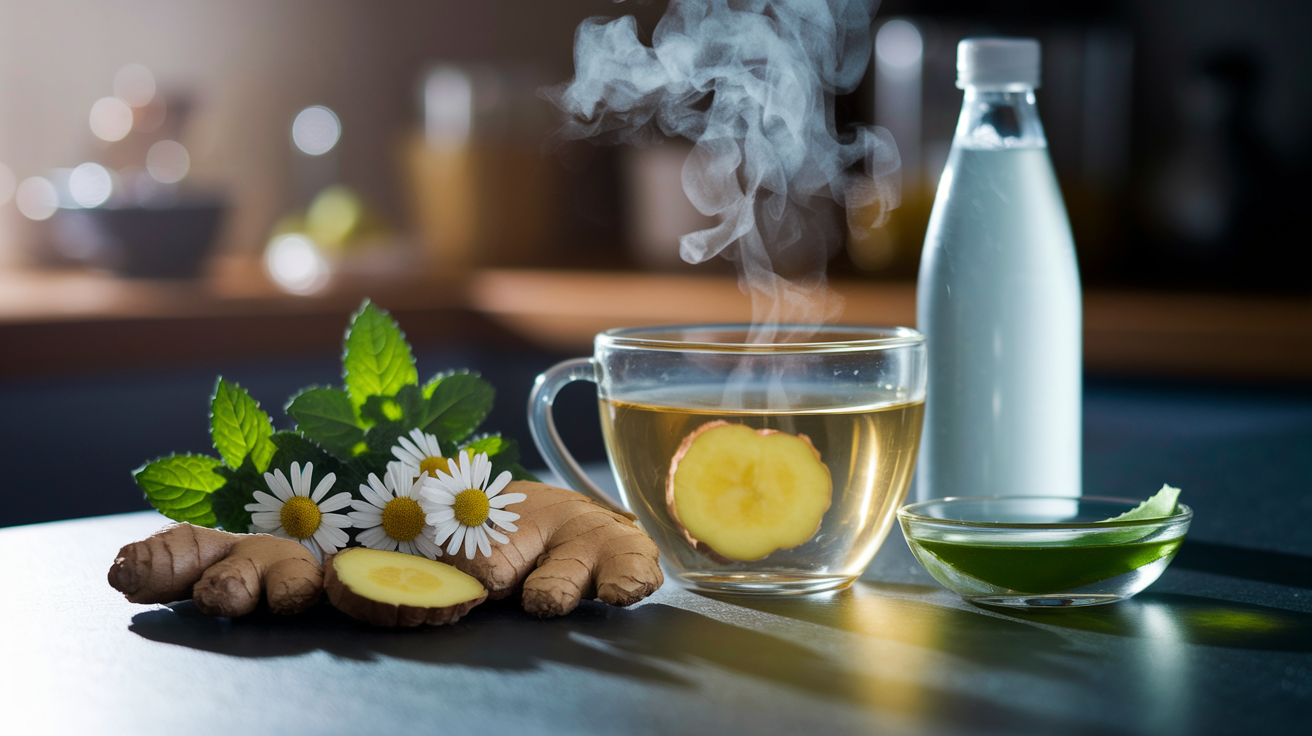
Herbal teas are a gentle way to increase fluid intake while adding mild therapeutic effects. Ginger tea, for example, may encourage sweating, which is one of your body’s natural cooling mechanisms. Chamomile tea has a calming effect that can help you relax and sleep, which is critical during recovery. Peppermint tea creates a cooling sensation in your mouth and throat, and the menthol can feel soothing if you’re also dealing with a scratchy throat or congestion. These teas won’t dramatically lower your temperature on their own, but they support hydration and comfort.
Here are five natural remedies people commonly use for fever relief:
Ginger tea. Steep fresh ginger slices or ginger tea bags in hot water for 5 to 10 minutes. The warmth may trigger mild sweating, and ginger has anti inflammatory properties that some people find helpful.
Chamomile tea. Brew a cup and sip slowly. It’s calming and may help you fall asleep, which gives your body uninterrupted time to heal.
Peppermint or spearmint tea. The menthol creates a cooling feeling and can ease nausea if your fever came with stomach upset.
Coconut water. A natural source of electrolytes like potassium and sodium. Coconut water helps replace what you lose through sweat.
Aloe vera gel (topical). Some people apply a thin layer of pure aloe vera gel to the forehead or temples for a mild cooling effect. Make sure it’s food grade aloe if you’re using it on skin near your mouth.
Environmental Adjustments to Help Lower Body Temperature
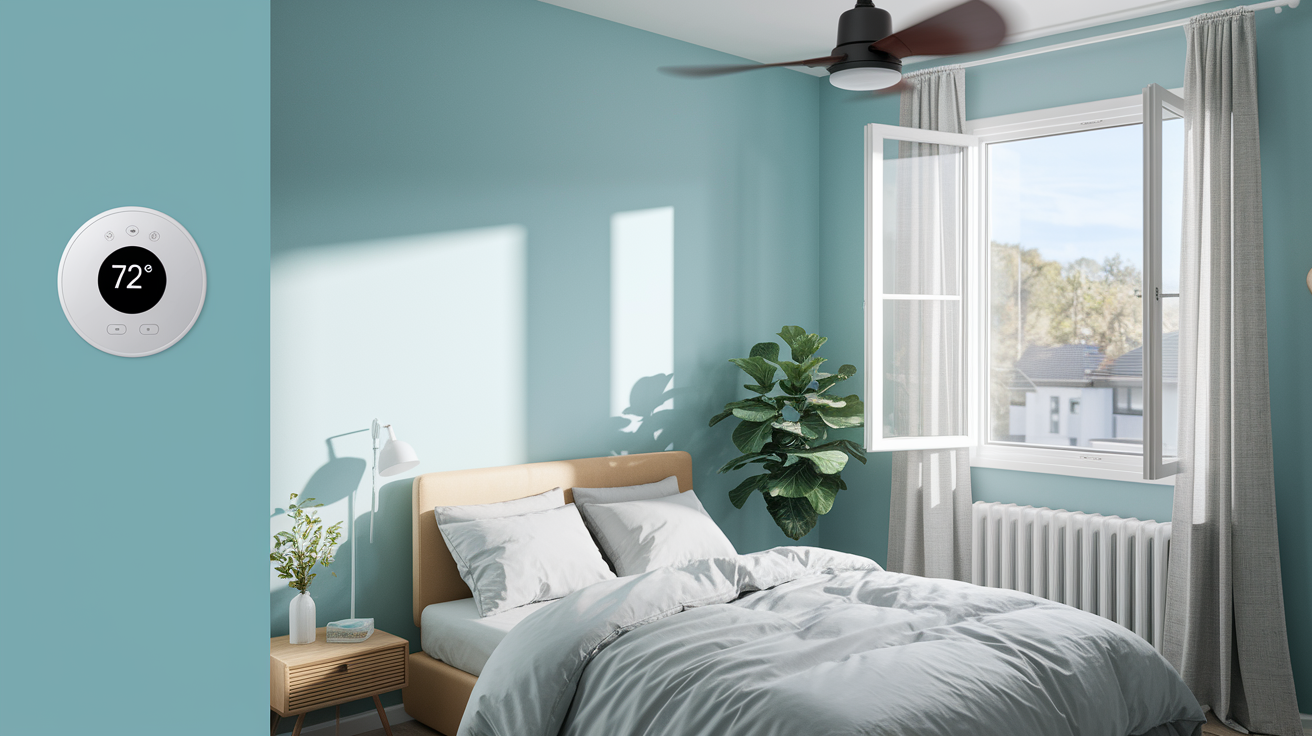
The space around you can either trap heat or help it escape. Small changes to your room setup make it easier for your body to regulate temperature naturally, especially when you’re spending most of your time resting in bed.
Set your thermostat to around 70 to 72°F if possible. That range is cool enough to support your body’s cooling process without making you uncomfortably cold. If you don’t have air conditioning, open windows to create cross ventilation, or place a bowl of ice in front of a fan to circulate cooler air. Use light, breathable bedding. One cotton sheet is usually enough. Heavy comforters and synthetic fabrics trap heat and moisture, which works against you when you’re already running warm.
Here are four environmental adjustments that can help:
Lower the room temperature to 70 to 72°F. This range is comfortable for most people and helps prevent overheating.
Switch to light cotton sheets and remove extra blankets. Cotton breathes well and wicks moisture away from your skin.
Use a fan to keep air moving. Position it to circulate air around the room rather than aiming it directly at you for long periods.
Close blinds or curtains during the day. Blocking direct sunlight keeps the room cooler, especially in summer months.
Foods and Drinks That May Help Ease Fever
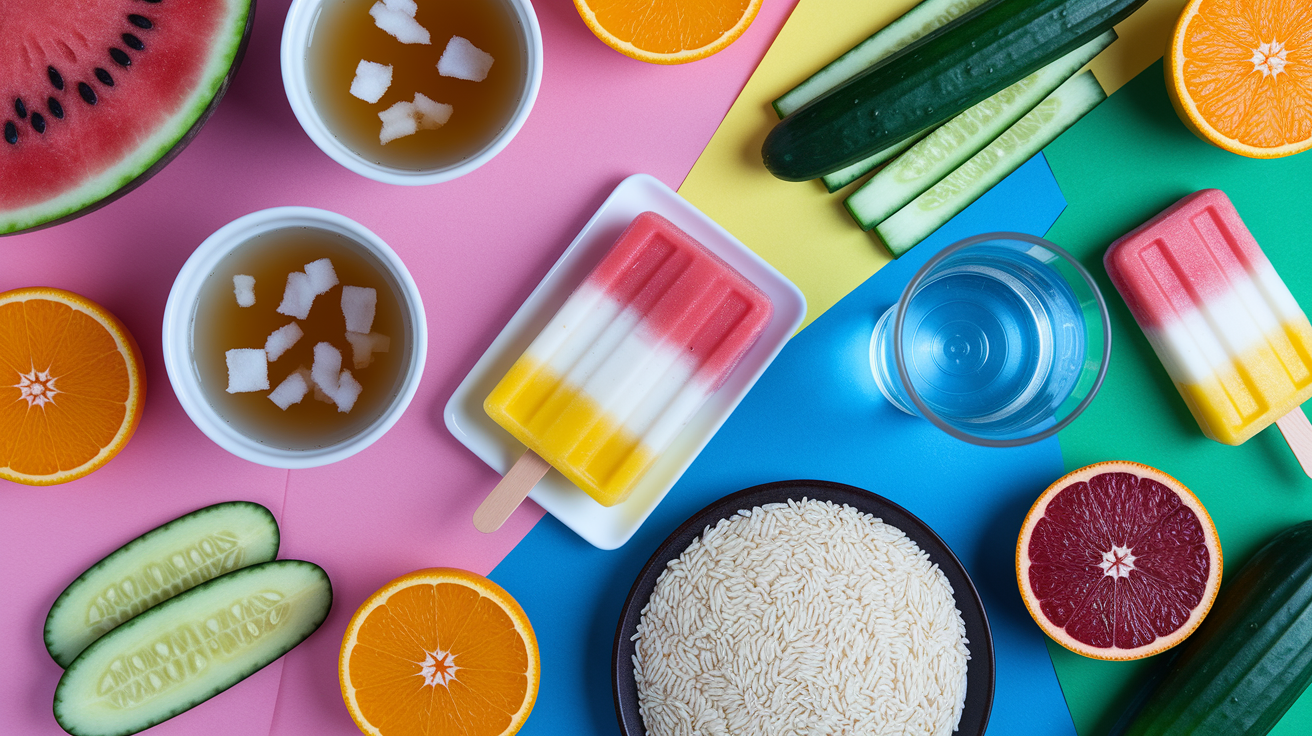
What you eat and drink during a fever can make a noticeable difference in how you feel. The priority is staying hydrated and giving your body easy to digest fuel that won’t add extra work to an already taxed system.
Focus on foods with high water content and drinks that replace lost electrolytes. Broths, soups, and watery fruits like watermelon or oranges are gentle on your stomach and help you meet your fluid needs even if you don’t feel like drinking plain water. Warm liquids can be soothing, and cold options like popsicles or chilled coconut water can feel refreshing if your mouth is dry or you’re craving something cool.
| Food or Drink | Benefit |
|---|---|
| Watermelon, cucumber, oranges | High water content; easy to eat; provides natural sugars and vitamins |
| Chicken or vegetable broth | Hydrating; provides sodium and other electrolytes; warm and soothing |
| Coconut water | Natural electrolytes (potassium, sodium); easier on the stomach than sports drinks |
| Popsicles or ice chips | Cooling; helps with hydration if drinking feels hard; gentle on a sore throat |
| Plain rice, crackers, toast | Easy to digest; provides steady energy without upsetting your stomach |
Hydration is the single most important dietary goal when you have a fever. Aim to drink at least 8 ounces of fluid every hour or two while you’re awake. If plain water feels boring, rotate between broth, diluted juice, herbal tea, and coconut water to keep your fluid intake steady.
How Long Natural Fever Reduction Methods Take to Work
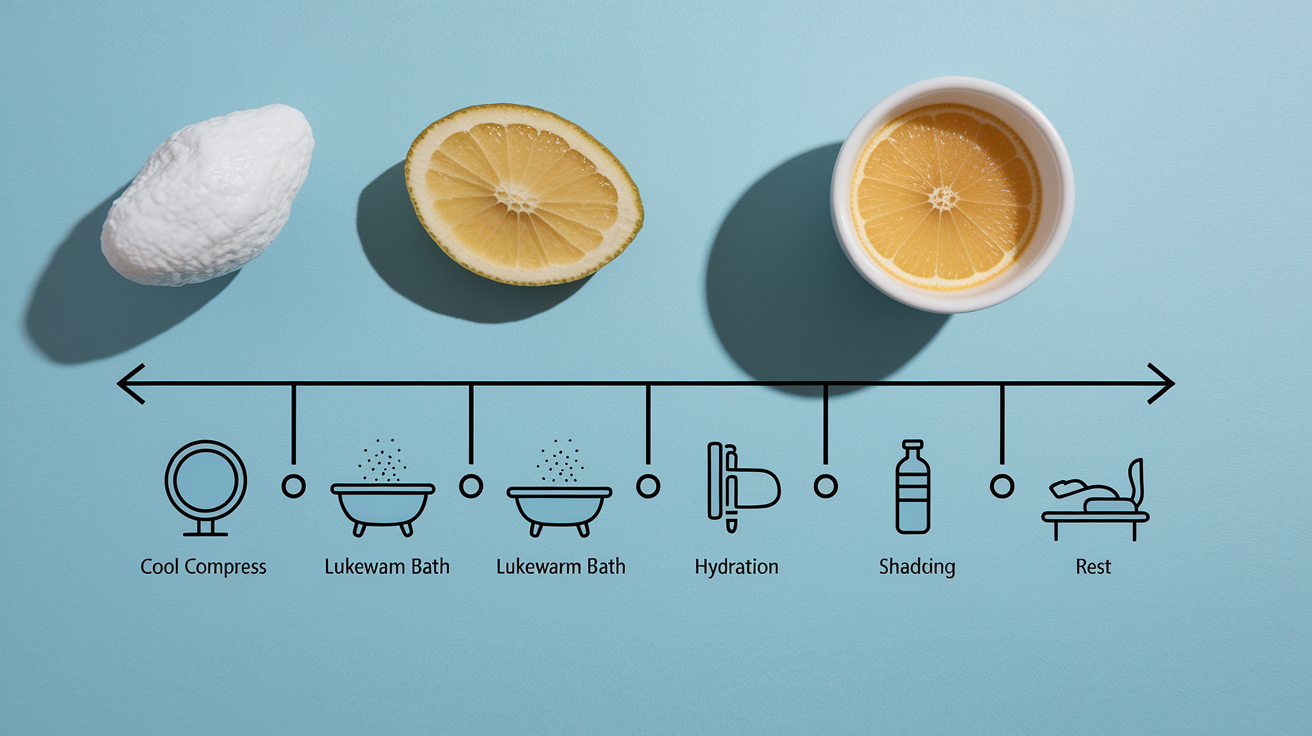
Natural fever remedies work on different timelines. It helps to know what to expect so you don’t get discouraged if your temperature doesn’t drop immediately. External cooling methods like cool compresses, lukewarm baths, and fan use tend to show results the fastest, often within 20 to 60 minutes. You might notice your skin feels cooler to the touch, and your temperature reading may drop by 1 to 2 degrees. That cooling is usually temporary, though, because your body will keep generating heat as long as the infection is active.
Hydration and dietary changes work more slowly but have a deeper impact on how you feel overall. It can take several hours of steady fluid intake before you notice that your mouth isn’t as dry, your urine is lighter in color, and you have a bit more energy. Herbal teas and broths support hydration while also providing mild comfort, but don’t expect a single cup of ginger tea to bring your fever down by itself. These methods are about supporting your body’s natural processes and preventing dehydration, which can make fever symptoms feel worse. If you’re combining strategies (drinking fluids, resting, using cool compresses, and adjusting your environment), you’ll likely feel more comfortable within a few hours, even if your fever hasn’t fully resolved.
Safety Considerations and When to Seek Medical Care
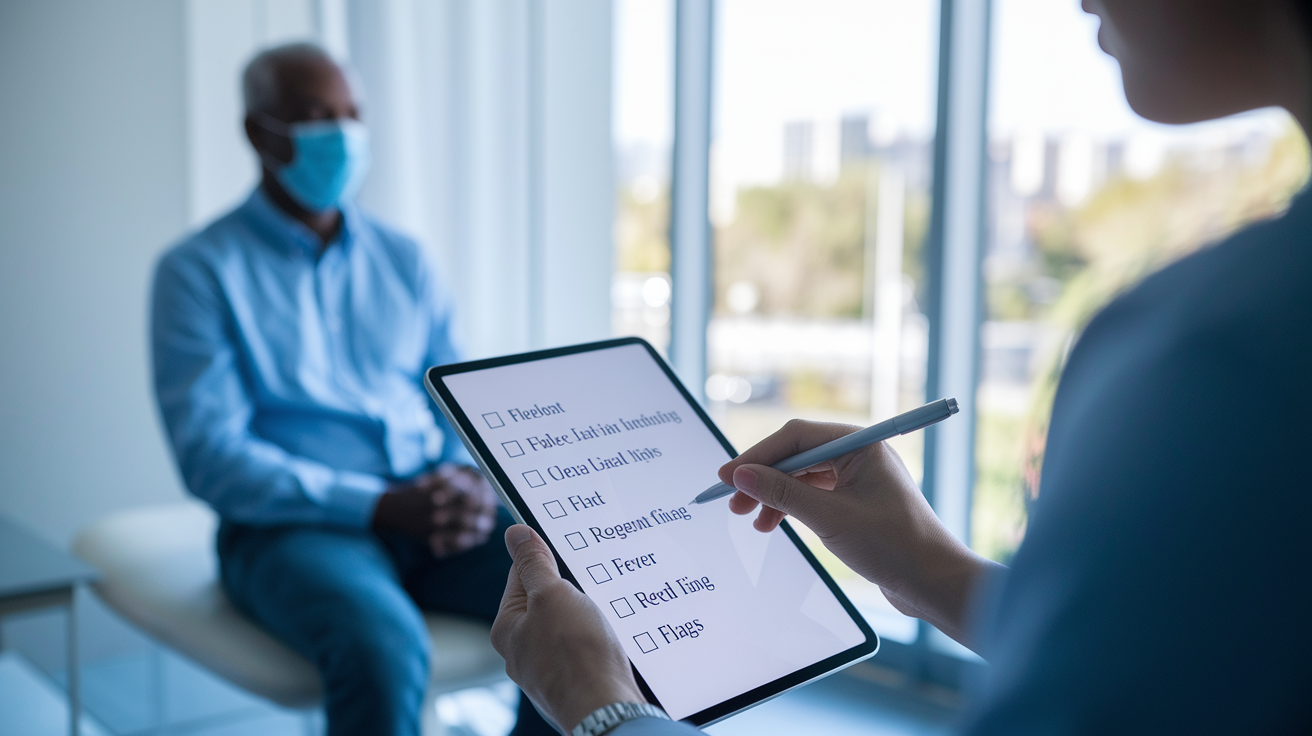
Natural fever reduction is safe for most people in most situations, but there are clear boundaries where home care isn’t enough. Knowing the red flags helps you make the right call about when to contact a clinician or head to urgent care.
Watch for these six danger signs that mean you should seek medical attention right away:
Fever of 103°F (39.4°C) or higher in adults. Temperatures this high increase the risk of complications and may signal a more serious infection.
Fever lasting more than three days. If your temperature stays elevated or keeps spiking despite home care, the infection may need medical evaluation or prescription treatment.
Severe headache with stiff neck. This combination can indicate meningitis, which is a medical emergency.
Difficulty breathing, chest pain, or persistent vomiting. These symptoms suggest the infection may be affecting your lungs, heart, or digestive system in a way that needs immediate care.
Confusion, extreme fatigue, or inability to stay awake. Altered mental state or extreme lethargy can mean your body isn’t getting enough oxygen or is overwhelmed by the infection.
Signs of dehydration. Dark urine, dizziness when standing, dry mouth, or urinating less than usual despite drinking fluids all point to dehydration, which can become dangerous quickly.
If you’re pregnant, have a chronic illness like diabetes or heart disease, or take medications that suppress your immune system, contact your healthcare provider sooner rather than later. Your risk for complications is higher, and early intervention can prevent more serious problems.
Age Specific Advice: Children, Adults, and Older Adults
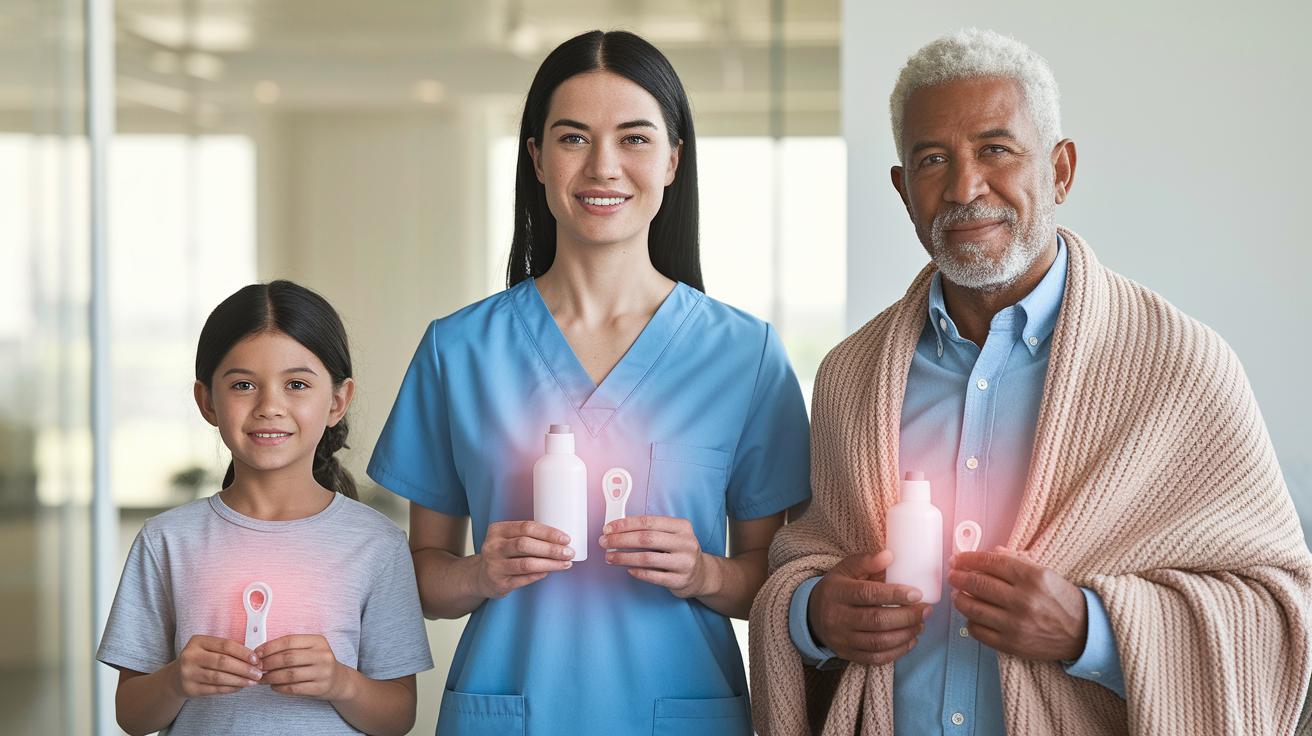
Fever care isn’t one size fits all. What works safely for a healthy adult may not be appropriate for an infant, and older adults need different monitoring than younger people. Here’s how to adjust your approach based on age.
Children and infants need close observation and quicker medical consultation. Babies under 3 months with a rectal temperature of 100.4°F (38°C) or higher should be evaluated by a doctor right away. Fevers in very young infants can escalate quickly and may signal serious infections like meningitis or sepsis. For children between 3 months and 2 years, contact your pediatrician if the fever is above 101°F, lasts more than a day, or comes with other symptoms like a rash, persistent crying, or trouble breathing. Older children can usually be monitored at home if they’re drinking fluids and acting reasonably normal, but call your provider if the fever lasts more than three days or doesn’t respond to cooling measures.
Adults can typically manage low grade fevers at home using the hydration, cooling, and rest strategies outlined in this article. Seek care if your fever reaches 103°F or higher, persists beyond three days, or comes with severe symptoms like chest pain, difficulty breathing, or confusion. Adults with underlying health conditions (such as diabetes, heart disease, or immune system disorders) should contact their healthcare provider earlier, often within the first 24 hours of a persistent fever.
Older adults may not show typical fever symptoms. Their baseline body temperature is often lower, so even a mild fever (like 100°F) can indicate a serious infection. Older adults are also at higher risk for dehydration and may not feel thirsty even when they need fluids. Watch for changes in behavior, increased confusion, dizziness, or weakness, and contact a clinician if any of these signs appear alongside a fever.
Special considerations for infants and toddlers include:
Use a rectal thermometer for the most accurate reading in children under age 3.
Never give aspirin to a child. It increases the risk of Reye’s syndrome, a rare but serious condition.
Dress your child in one light layer and avoid bundling them in heavy blankets, even if they have chills.
Offer small, frequent sips of water, breast milk, formula, or an oral rehydration solution like Pedialyte if they’re refusing to drink normally.
Final Words
Start with the basics: drink fluids, use a cool compress, remove extra layers, use a fan or lukewarm bath, and rest. Those steps often lower temperature within 20–60 minutes.
Also try gentle natural supports like herbal teas, light soups, and a cooler room. Keep an eye on how fast the fever drops, hydration, and any new symptoms.
Following these practical steps will help you know how to reduce fever naturally and when to seek care. You’re taking the right steps toward feeling better.
FAQ
Q: What brings a fever down fast or how to fix a fever asap?
A: The fastest ways to bring a fever down are drink fluids, use cool compresses, remove extra clothing, use a fan, try a lukewarm bath, rest, and consider fever-reducing medicine if appropriate, and seek care for temperatures over 103°F.
Q: What is the 24-hour fever rule?
A: The 24-hour fever rule means being fever-free for 24 hours without fever-reducing medicine before returning to work, school, or group activities to help reduce spreading infection; infants may need different guidance.
Q: How to sleep with a fever?
A: To sleep with a fever, make the room cool (about 70-72°F), use light bedding, remove extra layers, place a cool compress on the forehead, sip fluids, and get medical help if breathing problems or confusion occur.