
Think an antacid is the only quick fix? Think again.
When heartburn hits, you want relief in minutes, not hours.
This guide lays out fast, safe steps you can use right now, from chewable antacids and a baking soda sip to plain water, gentle foods, and small position changes that often stop the burn within minutes.
You’ll also get what to watch for and when to see a clinician if symptoms don’t ease.
Read on for clear, practical relief you can try immediately.
Fast-Acting Relief Steps You Can Use Immediately
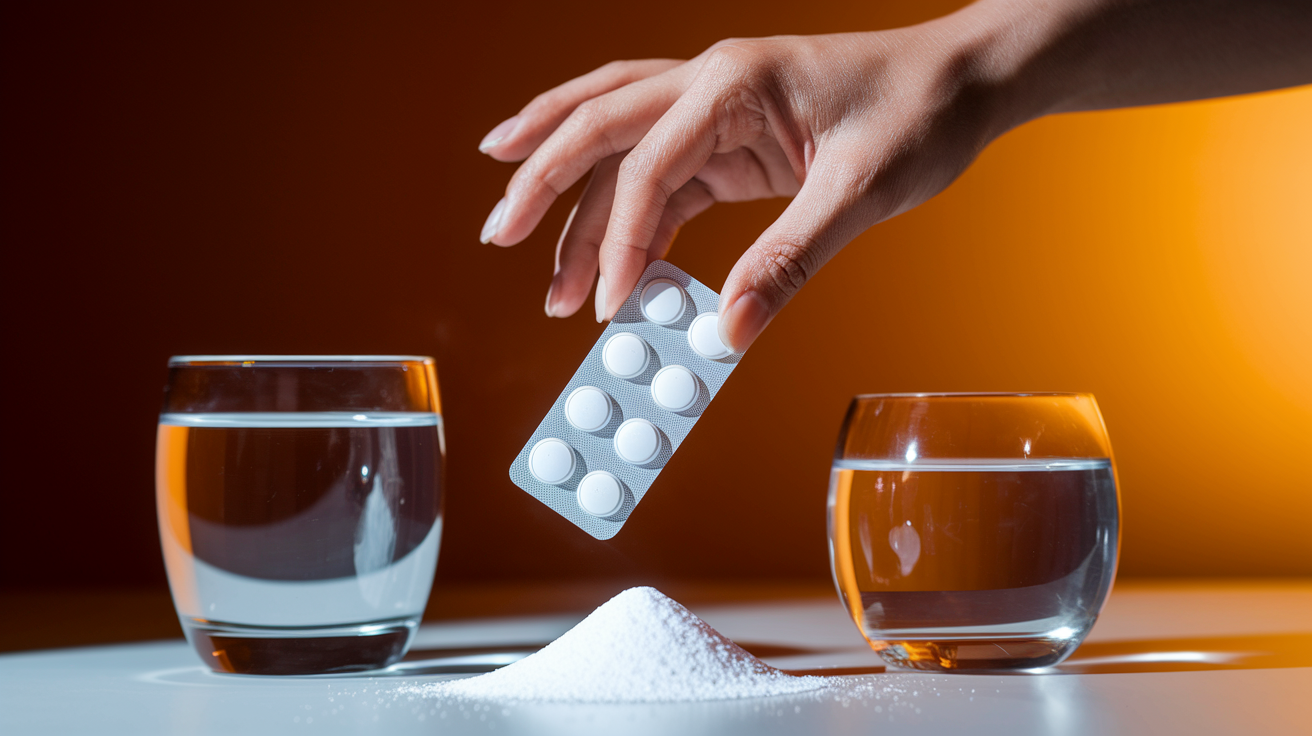
When heartburn hits hard, you want relief now. Not in an hour. The fastest remedies work within minutes by neutralizing stomach acid or reducing pressure on your esophagus. Over-the-counter antacids are the quickest option most people can access, often easing the burn in 5 to 15 minutes. If you don’t have those on hand, a few simple steps using pantry staples or small positional changes can offer similar speed.
Here’s what to reach for first when you need immediate relief:
Take an over-the-counter antacid. Chewable tablets like Tums or Rolaids work within minutes by neutralizing stomach acid on contact. Follow the label dosage and don’t take more than recommended.
Mix baking soda with water. Stir about half a teaspoon of baking soda into a glass of water and sip slowly. It acts like an antacid and can calm burning within 5 to 10 minutes. Use this sparingly, though. Baking soda is high in sodium and not safe for daily use.
Sip plain water. Drinking a few ounces of room-temperature water helps dilute stomach acid and flush it back down. Relief may come within minutes, especially if the burn is mild.
Chew sugar-free gum. Chewing for about 30 minutes increases saliva production, which naturally neutralizes acid and helps clear your esophagus. Avoid peppermint or spearmint flavors if they tend to trigger your symptoms.
Loosen tight clothing. Belts, waistbands, or anything pressing on your stomach can push acid upward. Loosening or removing these items reduces pressure and often brings quick relief.
The steps above are designed to work fast while you’re standing, sitting, or in the middle of your day. Longer-term strategies are covered in the sections that follow. If you’re still in pain after trying these, keep reading for more targeted help.
Quick Home Remedies For Heartburn That Provide Rapid Soothing
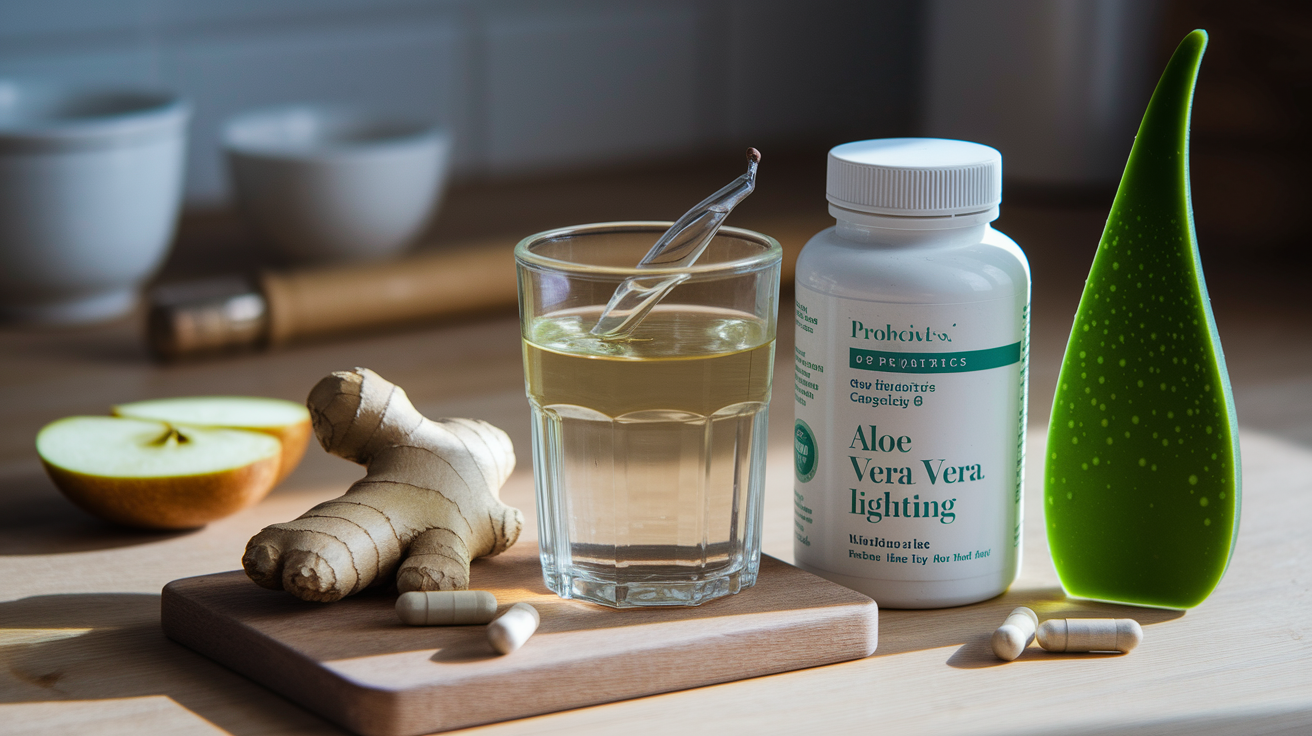
Home remedies can be surprisingly effective when you need relief without leaving your kitchen. Many people turn to pantry staples like vinegar, ginger, or aloe vera juice because they’re accessible and gentle on the body. That said, not every “natural” remedy works for everyone. Some can actually make heartburn worse depending on your triggers and how your stomach reacts.
Ginger and diluted apple cider vinegar are two of the most commonly recommended remedies, but they work in different ways. Ginger soothes inflammation and helps calm gas and nausea, while apple cider vinegar is thought to balance stomach pH for some people. Aloe vera juice and probiotics also show up on many lists, though the evidence for reflux relief is limited. Below are three remedies you can try at home, along with what to watch for.
Diluted Apple Cider Vinegar
Mix about one teaspoon of raw apple cider vinegar into a glass of water and sip it slowly before or during a meal. Some people find this helps reduce acid rebound. Others notice it makes the burning worse. If you’re going to try it, start with a small amount and pay attention to how your body responds. Never drink it straight. The acidity can damage tooth enamel and irritate your throat.
Ginger Tea or Chews
Ginger is a natural anti-inflammatory that calms stomach irritation and reduces nausea. Steep fresh ginger slices in hot water for 10 minutes, or chew on candied ginger if you prefer. Most people notice a soothing effect within 10 to 30 minutes. Ginger is generally safe, but if you’re on blood thinners or have a bleeding disorder, check with a clinician first.
Aloe Vera & Probiotics
Aloe vera juice can coat and soothe the esophagus, but only if you’re using a product specifically made for internal use. Never topical aloe gel. Look for trusted brands and follow the dosage on the label. Probiotics may help balance gut bacteria over time, but they won’t stop heartburn in the moment. If you’re trying probiotics, choose a reputable manufacturer and give them a few weeks to show any benefit.
Quick Positional Changes To Help Stop Heartburn

Gravity is one of your best tools for keeping stomach acid where it belongs. When you lie flat or slump forward, acid can easily travel back up into your esophagus. Sitting upright or standing after eating gives your digestive system a mechanical advantage, reducing the chance of reflux. Small posture adjustments can make a noticeable difference within minutes, especially if you catch symptoms early.
Here are the most effective positional changes you can make right now:
Sit upright. Keep your back straight and your chest elevated. Slouching or leaning forward compresses your stomach and pushes acid upward.
Stand up and walk slowly. A short walk after meals helps move food through your digestive tract and keeps acid down. Even standing in place for a few minutes can help.
Loosen tight clothing. Belts, waistbands, and anything squeezing your midsection can increase abdominal pressure and trigger reflux. Undo buttons or switch to looser clothes.
Avoid lying down for at least one hour after eating. Ideally, wait three hours before going to bed. If you must rest, recline at an angle rather than lying flat.
Elevate the head of your bed by six to eight inches. Use a wedge pillow or place blocks under the bedposts at the head of your bed. This keeps gravity working in your favor all night long. Stacking regular pillows doesn’t work as well because your body can slip down or bend at the waist.
Use these adjustments anytime you feel the burn coming on or as a preventive step after meals. If you’re prone to nighttime heartburn, the bed elevation change alone can cut down on how often you wake up with symptoms.
Rapid-Relief Foods And Drinks That Can Ease Heartburn
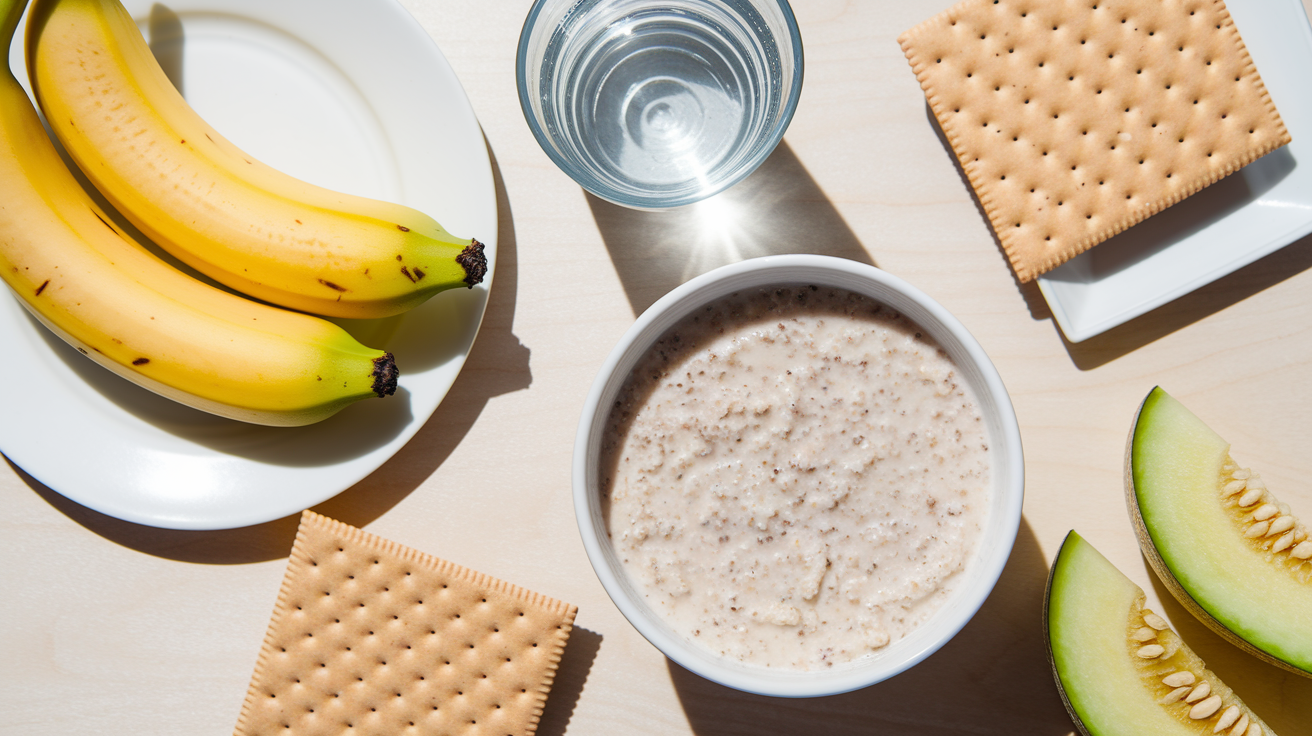
What you eat and drink when heartburn strikes can either calm the burn or make it worse. Low-acid, bland foods tend to be the safest bet because they don’t irritate the esophagus or trigger more acid production. Ripe bananas are a go-to for many people. They’re naturally alkaline and gentle on digestion, often providing relief within minutes. Drinking plain water can also help by diluting stomach acid and washing it back down. Milk may soothe temporarily, but some people find it stimulates more acid after the initial buffer wears off.
On the flip side, certain foods and drinks can worsen symptoms fast. Citrus fruits, tomatoes, and anything with vinegar (like pickle juice) are highly acidic and can irritate an already inflamed esophagus. Peppermint might seem soothing, but it can relax the valve between your stomach and esophagus, allowing more acid to travel upward. If you’re trying to calm heartburn quickly, stick to simple, non-acidic options and save the spicy, fatty, or tangy foods for when your stomach has settled.
| Food | Benefit |
|---|---|
| Ripe bananas | Alkaline and gentle; coats the stomach lining |
| Plain water | Dilutes stomach acid and helps flush the esophagus |
| Oatmeal or plain crackers | Absorbs acid and provides bland, filling relief |
| Melon or cucumber | Low-acid, hydrating, and cooling on the digestive tract |
Fast Over-The-Counter Options For Heartburn Relief
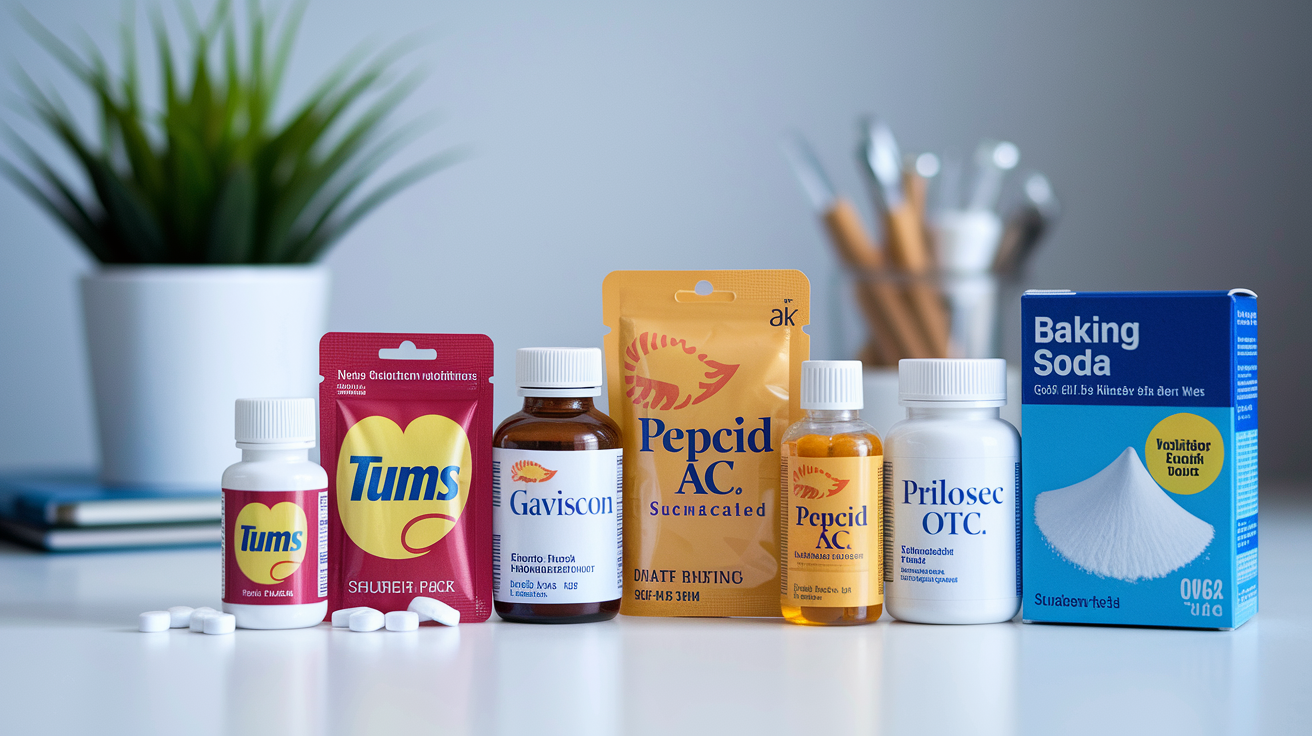
Over-the-counter medications are the most reliable way to stop heartburn quickly, especially when home remedies aren’t cutting it. Antacids work within minutes by neutralizing stomach acid on contact, making them the go-to choice for immediate relief. If you need something that lasts longer or prevents symptoms from coming back, H2 blockers and proton pump inhibitors (PPIs) are also available without a prescription. Each type works differently, so understanding your options helps you choose the right one for your situation.
Here’s a quick breakdown of the most common OTC heartburn medications:
Tums and Rolaids (calcium carbonate antacids). Chewable tablets that neutralize acid within 5 to 15 minutes. Safe for quick relief but don’t last long. Avoid taking them with other medications without checking for interactions.
Gaviscon (alginate-based antacid). Forms a protective foam barrier on top of stomach contents, reducing reflux. Works within minutes and can last longer than standard antacids.
Famotidine (Pepcid AC, an H2 blocker). Reduces the amount of acid your stomach produces. Takes about 30 to 60 minutes to work but lasts longer than antacids, up to 12 hours. Good for prevention before meals or bedtime.
Omeprazole (Prilosec OTC, a proton pump inhibitor). Blocks acid production for 24 hours. Takes a few days of daily use to reach full effect, so it’s better for frequent heartburn than for immediate relief.
Sucralfate (available OTC in some countries). Coats and protects the esophagus and stomach lining. May take 30 minutes to an hour to work. Often used for more severe irritation.
Baking soda (sodium bicarbonate, homemade antacid). Acts like an antacid when mixed with water. Works fast but is high in sodium and shouldn’t be used regularly. Not suitable if you’re on a low-sodium diet or have kidney issues.
Always follow the dosage instructions on the label and avoid taking more than recommended. If you’re using antacids daily or needing stronger medications like PPIs for more than two weeks, talk to a clinician. Frequent heartburn can signal a more serious condition like GERD, and some medications can interact with prescriptions you’re already taking or mask symptoms that need medical evaluation.
Heartburn Triggers To Avoid When You Need Relief Fast

Certain foods and behaviors can set off heartburn within minutes. Knowing your personal triggers is one of the fastest ways to reduce how often you experience symptoms. Acidic and fatty foods are common culprits because they either irritate the esophagus directly or slow digestion, giving acid more time to reflux. Caffeine, carbonated beverages, alcohol, peppermint, citrus, tomato-based sauces, chocolate, and spicy meals all show up frequently on trigger lists. Fatty or fried foods take longer to leave the stomach, which increases pressure and the chance of acid backing up.
How you eat matters just as much as what you eat. Overeating stretches your stomach and pushes acid upward, especially if you lie down or bend over soon after a meal. Eating too quickly can also cause you to swallow air, which adds pressure and worsens reflux. If you’re prone to heartburn, try eating smaller portions more slowly and avoid heavy meals within three hours of bedtime. Even skipping a late-night snack can make a noticeable difference in how you feel when you wake up.
Rapid-Action Pregnancy-Safe Heartburn Relief Tips

Heartburn during pregnancy is extremely common, especially in the second and third trimesters when the growing baby puts pressure on your stomach and hormones relax the valve between your stomach and esophagus. Many of the fast-relief strategies that work for everyone are also safe and effective during pregnancy. Sitting upright, elevating your head while sleeping, and eating smaller meals all help. Ripe bananas, bland crackers, and chewing sugar-free gum are gentle options that won’t harm you or your baby. Drinking small sips of water throughout the day can also help keep acid diluted without overfilling your stomach.
Over-the-counter antacids like calcium carbonate (Tums) are generally considered safe during pregnancy, but you should check with your clinician before taking any medication. That includes natural remedies like apple cider vinegar or aloe vera juice. Some medications, especially H2 blockers and proton pump inhibitors, may be safe in certain trimesters but require a doctor’s guidance. If you’re breastfeeding, the same caution applies. Many remedies pass into breast milk, so it’s worth confirming safety before trying something new. If heartburn is severe or frequent, your clinician can recommend pregnancy-safe options that provide longer-lasting relief without risk.
When Fast Relief Isn’t Enough: Warning Signs And When To Seek Care

Most heartburn episodes are uncomfortable but harmless, resolving with over-the-counter remedies or simple positional changes. However, some symptoms can signal a more serious problem that needs immediate medical attention. Severe chest pain, especially if it spreads to your jaw, neck, or arm, can be a sign of a heart attack rather than heartburn. Never assume chest pain is “just reflux” if it feels different, intense, or is accompanied by shortness of breath, sweating, or nausea. Other red flags include vomiting blood or material that looks like coffee grounds, black or tarry stools (a sign of bleeding in the digestive tract), sudden unexplained weight loss, or trouble swallowing that gets progressively worse.
If your heartburn occurs two or more times per week, you may have gastroesophageal reflux disease (GERD), a chronic condition that can damage the esophagus over time if left untreated. An estimated 40 percent of Americans experience symptoms of GERD, and many don’t realize that frequent heartburn isn’t something you just have to live with. Persistent reflux can lead to complications like esophagitis, strictures, or Barrett’s esophagus, so it’s worth seeing a clinician for evaluation and a long-term treatment plan.
Seek emergency care immediately if you experience:
Severe chest pain that feels like pressure, squeezing, or tightness
Vomiting blood or dark material resembling coffee grounds
Black, tarry, or bloody stools
Sudden, unexplained weight loss over a short period
Difficulty or pain when swallowing that persists or worsens
If your symptoms are frequent but not urgent, schedule an appointment with your primary care provider or a gastroenterologist. They can help determine whether you have GERD, recommend stronger medications, or check for other underlying conditions. Keeping a symptom diary (including when heartburn happens, what you ate, and how long it lasts) can help your clinician identify patterns and tailor a treatment plan that actually works for you.
Final Words
If you need relief now, try an OTC antacid, a teaspoon of baking soda in water, small sips of water, chewing sugar-free gum, or loosening tight clothes. These often help within 5–15 minutes.
This post also covers quick home remedies, simple posture fixes, soothing foods, pregnancy-safe tips, and warning signs to watch. Jot when it started and which steps helped.
To learn how to get rid of heartburn quickly, start with those fast steps and see a clinician if symptoms are severe, recur, or include chest pain. You can often feel better with simple actions.
FAQ
Q: What can I drink to relieve heartburn?
A: Drinks that can relieve heartburn include plain water, milk (temporary relief), and non-mint herbal teas; water often helps within minutes by diluting acid and washing it from the esophagus.
Q: How do I reduce acid in five minutes?
A: You can reduce acid in five minutes by taking an over-the-counter antacid, sipping water, chewing sugar-free gum, or using a baking soda-and-water mix, and use baking soda rarely and only as a short-term fix.
Q: Is it better to sit up or lay down with heartburn?
A: It is better to sit up than lie down with heartburn. Staying upright for at least one hour after eating reduces reflux. If you must lie down, elevate the head of the bed six to eight inches.