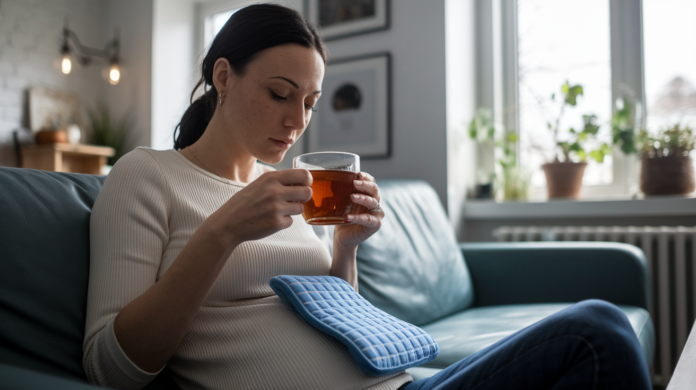

Think popping a pill is the only way to stop period pain?
It isn’t.
Simple steps can ease cramps fast, like heat, hydration, gentle stretches and warm herbal tea, and they often cut pain in 15 to 20 minutes.
I’ll show you quick, safe actions to try right now, why they work, what to track, and when to get medical help.
No special gear, no long wait, just a short starter kit that often helps in one sitting.
Immediate Natural Relief Methods for Menstrual Cramps
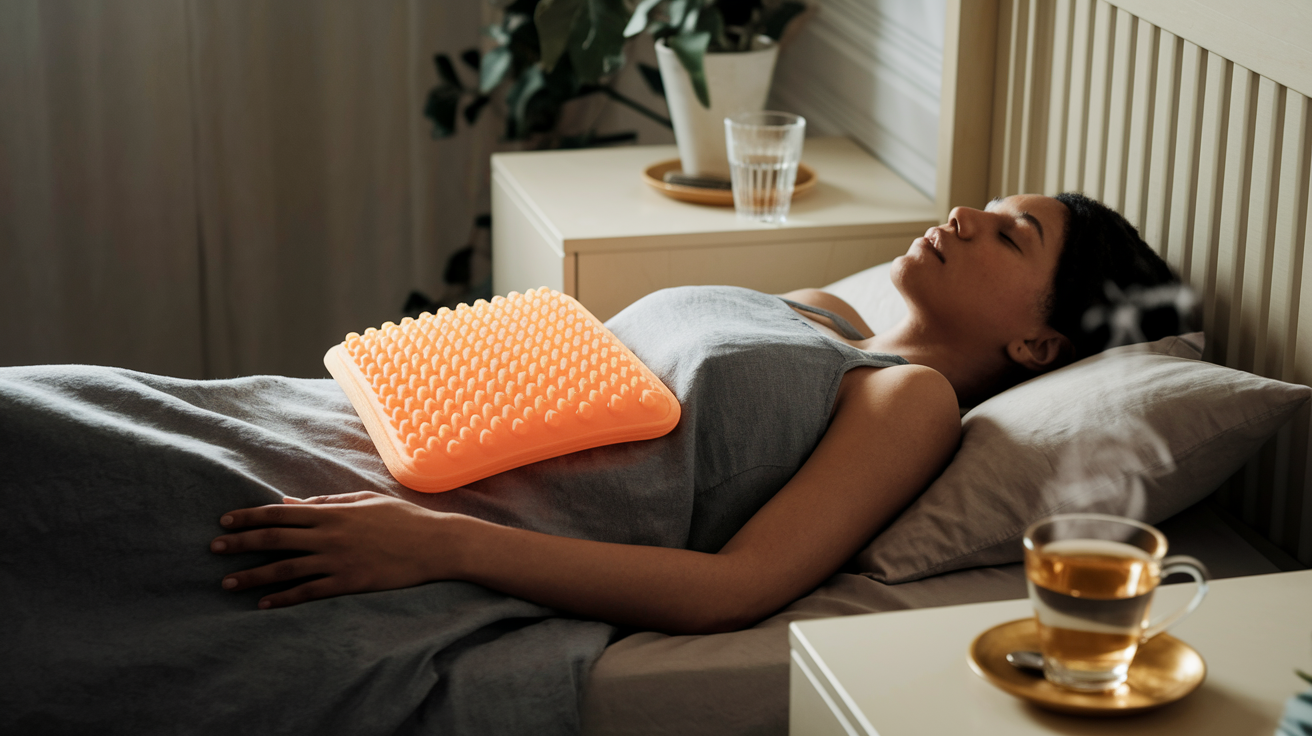
When cramps hit, your uterus is contracting to shed its lining. The fastest things you can do right now? Put heat on your lower belly, drink a full glass of water, fold forward or curl into child’s pose for a minute, sip warm ginger or peppermint tea, and breathe slowly for two minutes. These work fast because they go straight after what’s causing the pain: tight muscles, dehydration, and stress. No pills to wait on, nothing to absorb.
Heat loosens cramping muscles in minutes. Hydration helps your body handle inflammation better. Gentle stretching opens up tight tissue in your abdomen. Herbal teas bring mild anti-inflammatory compounds. Controlled breathing turns down the stress response that makes pain worse. You don’t need to prep anything or leave the house, and you can stack a few of these at once while sitting or lying down.
Try these first, then keep reading to understand why they work and how to fine-tune your approach for both right-now relief and longer-term prevention. Think of this as your starter kit. Simple, safe, effective in 15 to 20 minutes.
Five things to try right now:
- Put a heating pad or hot water bottle on your lower abdomen for 15 to 20 minutes. Relaxes uterine muscles and gets more blood to the area.
- Drink 8 to 12 ounces of water slowly. Helps with hydration, which can dial down cramping and stop dehydration from making things worse.
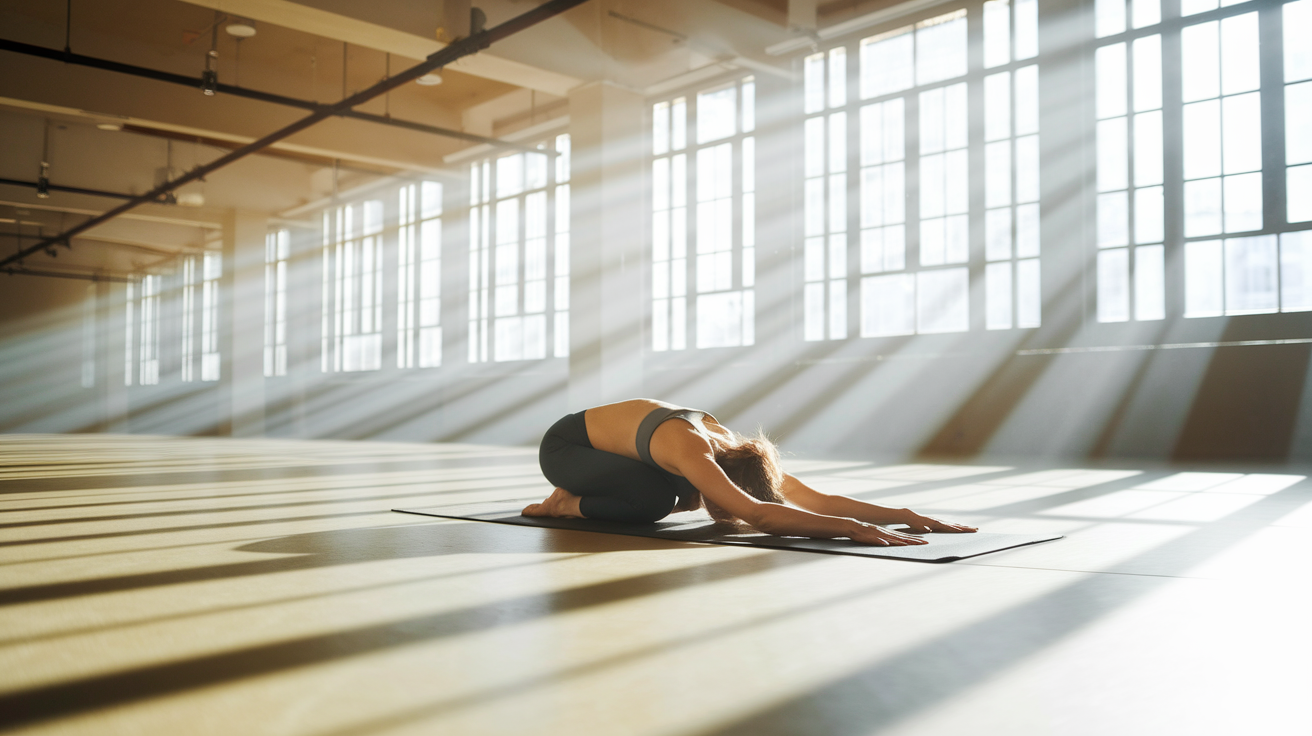
- Do a gentle forward fold or child’s pose for 60 seconds. Stretches your lower back and opens the front of your abdomen, releases muscle tension.
- Sip warm ginger or peppermint tea. Delivers natural anti-inflammatory compounds and soothes your digestive and pelvic area.
- Practice slow, deep breathing. Inhale for 4 counts, exhale for 6 counts, repeat 10 times. Activates your parasympathetic nervous system and lowers pain perception.
Heat Therapy and Temperature-Based Cramp Relief
Heat is one of the most evidence-backed natural treatments for menstrual cramps because it goes straight at the cramping mechanism. When you put something warm on your lower abdomen or lower back, the heat gets through your skin and into the tissue underneath, relaxing the smooth muscle of your uterus and widening blood vessels in your pelvis. More blood flow means more oxygen to cramping muscles, less buildup of pain-causing prostaglandins, and easier contractions. Heating pads, hot water bottles, warm baths. They all work the same way. Studies consistently show heat beats placebo for reducing lower abdominal pain during your period.
Cold therapy is less common but can help if swelling or inflammation is part of what you’re dealing with. Putting an ice pack wrapped in a thin towel on your lower abdomen for 10 to 15 minutes numbs the area and cuts down on localized inflammation. Especially useful if you’ve got bloating or a heavy, swollen feeling alongside the cramps. Some people switch between heat and cold in the same session, though heat alone usually does the job for typical menstrual pain. Always use a barrier between the heat or ice and your skin to avoid burns or frostbite. Stop if it gets uncomfortable.
| Method | How It Helps | Suggested Duration |
|---|---|---|
| Heating pad or hot water bottle | Relaxes uterine muscle contractions, increases pelvic blood flow, reduces prostaglandin buildup | 15 to 20 minutes per session, repeat as needed throughout the day |
| Warm bath (not too hot) | Full-body heat relaxation, eases lower back and abdominal tension, promotes overall calm | 15 to 25 minutes, water temperature warm but not scalding |
| Cold pack (ice wrapped in towel) | Numbs pain signals, reduces inflammation and bloating in the lower abdomen | 10 to 15 minutes per session, no direct skin contact |
Natural Movement and Stretching Exercises for Cramp Reduction
Moving your body might be the last thing you want to do when cramps start, but gentle activity is one of the best natural pain relievers you’ve got. When you move, even just a little, you increase blood circulation to your pelvis. That helps clear out inflammatory compounds and gets fresh oxygen to cramping muscles. Exercise also kicks off endorphin release. Your body’s natural painkillers. They reduce how much pain you feel and improve your mood at the same time. A 2024 meta-analysis found that exercise was the single most effective nondrug treatment for menstrual cramps. The benefits build over time when you make movement a regular thing.
Gentle Yoga Poses for Cramp Relief
Yoga poses that open the front of your abdomen and stretch your lower back are especially helpful during your period. Child’s pose (kneeling with your forehead on the floor, arms extended forward) gently compresses your abdomen and stretches your lower back. Creates a calming pressure that a lot of people find soothing. Cat-cow stretches (arching and rounding your spine on hands and knees) mobilize your pelvis and spine, releasing tension in the muscles that connect to your uterus. Supine twist (lying on your back, dropping bent knees to one side) stretches your obliques and lower back while promoting relaxation. These work because they physically open tight tissues, improve circulation, and activate your parasympathetic (rest and digest) nervous system, which counteracts the stress response that can worsen pain.
Targeted Stretching for the Lower Abdomen and Back
Stretching your hip flexors, lower back, and obliques reduces the muscle tension that amplifies menstrual cramps. A simple forward fold (standing or seated, hinging at the hips to bring your chest toward your thighs) lengthens your entire posterior chain and gently compresses your abdomen. Can feel immediately relieving. Lying on your back and hugging your knees to your chest stretches your lower back and hips while giving gentle abdominal pressure. Side stretches (standing and reaching one arm overhead to the opposite side) open your obliques and can ease cramping that radiates to the sides or back. Hold each stretch for 30 to 60 seconds, breathe slowly, never force a position that increases pain.
Light Activity for Endorphin Release
Low-intensity activities like a 10- to 20-minute walk, slow cycling, or gentle swimming increase your heart rate just enough to release endorphins without exhausting you. These endorphins bind to pain receptors in your brain and spinal cord, reducing the intensity of pain signals. Light movement also prevents the stiffness and tension that develop when you stay still too long. Supports overall mood and energy during your period. You don’t need to push hard. Gentle, consistent movement beats sporadic intense effort.
Best times to use movement for relief:
- Within the first hour of cramp onset, when gentle stretching can stop tension from building
- Mid-morning or early afternoon, when energy levels are typically higher than first thing in the morning
- Before bed, when slow yoga or stretching can promote relaxation and better sleep
- As a preventative habit during the week before your period starts, when regular exercise can reduce the severity of cramps once bleeding begins
Herbal Teas, Anti-Inflammatory Foods, and Helpful Nutrients
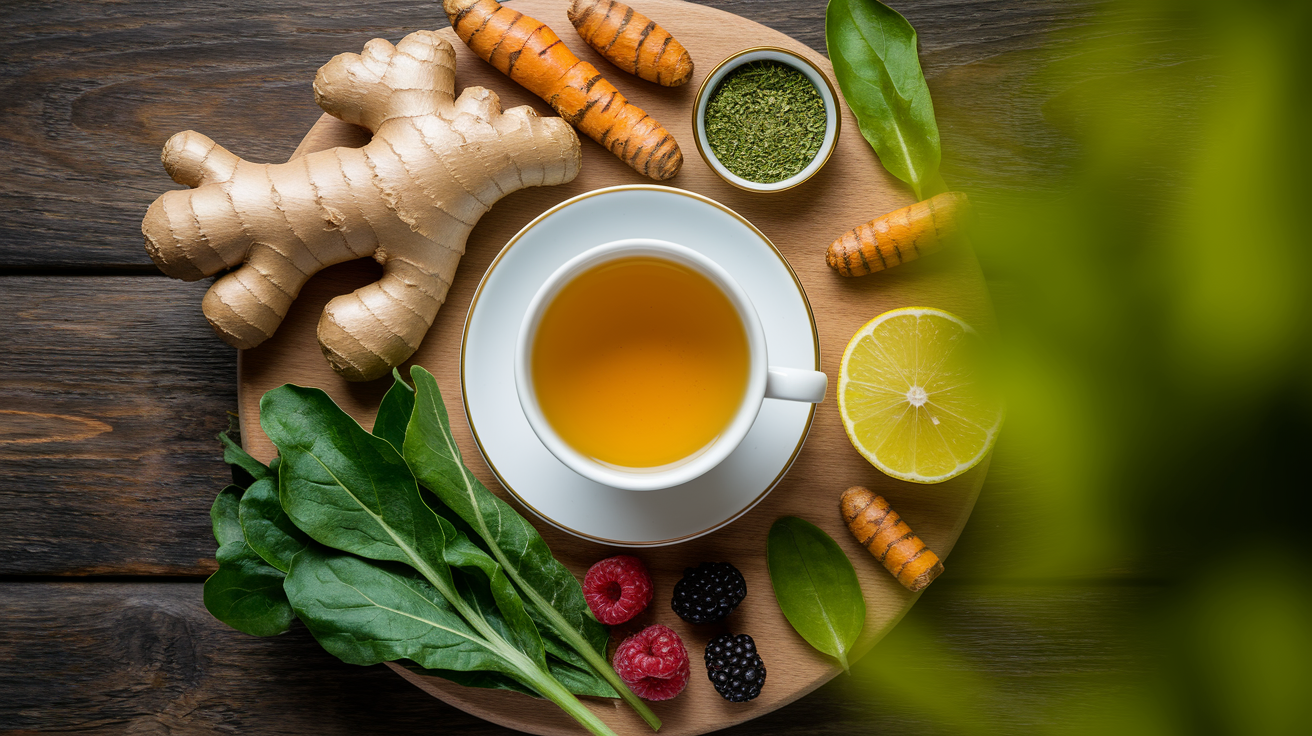
Herbal teas offer both immediate comfort and mild therapeutic effects. Ginger tea contains gingerol, a compound with anti-inflammatory properties that can reduce prostaglandin production. Same mechanism targeted by nonsteroidal anti-inflammatory drugs. Peppermint tea relaxes smooth muscle tissue in your digestive tract and may ease cramping in your uterus as well. Chamomile tea has mild antispasmodic and calming effects, which help reduce both physical tension and the anxiety that can come with severe cramps. Green tea, when you drink it regularly (more than two cups per day), has been linked with a reduction in menstrual cramp intensity by up to 25 percent. Likely due to its catechin content and overall anti-inflammatory profile. Fennel seed tea is another traditional option, used for its ability to relax uterine muscles and reduce spasms.
Anti-inflammatory foods work over the long term by lowering baseline inflammation in your body, which in turn reduces the intensity of prostaglandin-driven pain during menstruation. Foods rich in omega-3 fatty acids, like salmon, sardines, walnuts, and flaxseeds, help balance the ratio of pro-inflammatory to anti-inflammatory compounds. Turmeric (or its active component, curcumin) is a potent anti-inflammatory spice you can add to meals or take as a supplement. Magnesium-rich foods like almonds, yogurt, peanut butter, dark leafy greens, and pumpkin seeds support muscle relaxation and may reduce cramping. Vitamin B6 (found in chickpeas, bananas, and potatoes) and vitamin E (found in sunflower seeds and spinach) have both been studied for menstrual pain relief. Some evidence suggests they reduce symptom severity when taken consistently.
Building these foods into your regular diet, not just during your period, creates a foundation that may reduce monthly cramp intensity. Avoid excessive caffeine, alcohol, and high-sodium processed foods in the days leading up to and during menstruation. These can worsen bloating, dehydration, and inflammation. Small, consistent dietary changes are more effective than dramatic short-term interventions.
Six foods and herbs to include regularly:
- Fatty fish (salmon, mackerel, sardines) or plant-based omega-3 sources (flaxseeds, chia seeds, walnuts)
- Fresh ginger root or ginger tea (2 to 3 times per week)
- Turmeric powder or curcumin supplement (consult a provider before starting supplements)
- Dark leafy greens (spinach, kale) and other magnesium-rich vegetables
- Berries, cherries, and other colorful fruits high in antioxidants
- Herbal teas (chamomile, peppermint, fennel) consumed daily or as needed
Natural Bodywork Techniques for Cramp Relief
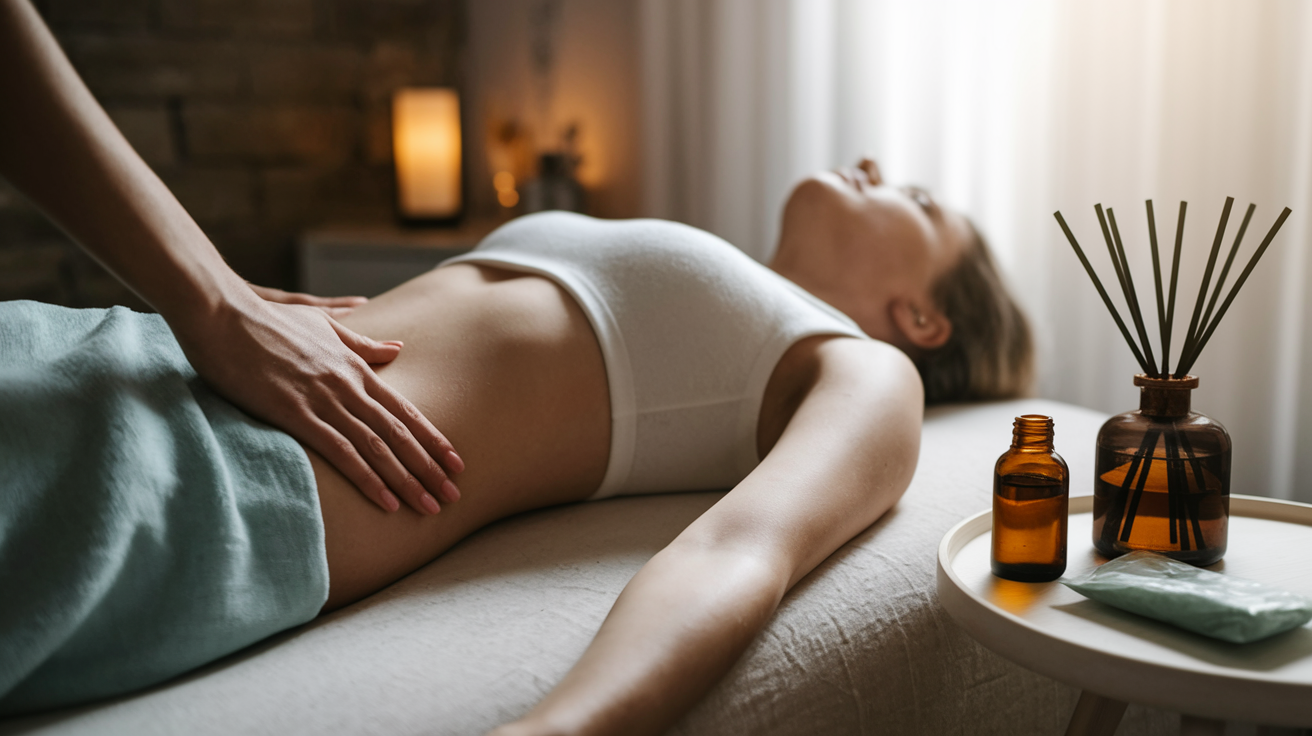
Abdominal massage can reduce menstrual cramps by improving circulation to your pelvic area, releasing tension in your abdominal muscles, and promoting relaxation. Use gentle, circular motions with your fingertips or the flat of your hand. Start at the lower right side of your abdomen and move clockwise (following the direction of your colon). Apply light to moderate pressure. Enough to feel the tissue move beneath your hand, but not so much that it causes discomfort. Spend 5 to 10 minutes massaging your lower abdomen and lower back. Consider doing this while lying down with a heating pad underneath for combined benefit. Some people find that massaging the inner ankle (about four finger-widths above the ankle bone) or the webbing between the thumb and index finger can also provide relief. Traditional acupressure points believed to influence pelvic pain.
Essential oils are often used in combination with massage to enhance relaxation and reduce pain perception. Lavender oil and clary sage oil are the most studied for menstrual pain. Both have calming properties and may help reduce cramping when diluted in a carrier oil (like coconut or almond oil) and massaged into your lower abdomen. Use 2 to 3 drops of essential oil per tablespoon of carrier oil. Test a small patch of skin first to check for irritation. Aromatherapy, simply inhaling the scent of lavender or peppermint oil from a diffuser or a cotton ball, can also promote relaxation and reduce stress-related muscle tension. Castor oil packs involve soaking a cloth in castor oil, placing it on your lower abdomen, covering it with a heating pad, and resting for 30 to 45 minutes. Evidence is limited, but some people report reduced cramping and inflammation after using castor oil packs regularly during their period.
| Technique | Benefit | How to Apply |
|---|---|---|
| Abdominal massage | Improves pelvic circulation, releases abdominal muscle tension, promotes relaxation | Use gentle clockwise circular motions on the lower abdomen for 5 to 10 minutes, optionally with a heating pad underneath |
| Essential oils (lavender, clary sage, peppermint) | Enhances relaxation, may reduce pain perception, calming aromatherapy effect | Dilute 2 to 3 drops in 1 tablespoon of carrier oil and massage into lower abdomen, or inhale from a diffuser |
| Castor oil pack | May reduce localized inflammation and cramping, promotes warmth and relaxation | Soak a cloth in castor oil, place on lower abdomen, cover with plastic wrap and a heating pad, rest for 30 to 45 minutes |
Acupressure, Acupuncture, and Alternative Natural Therapies
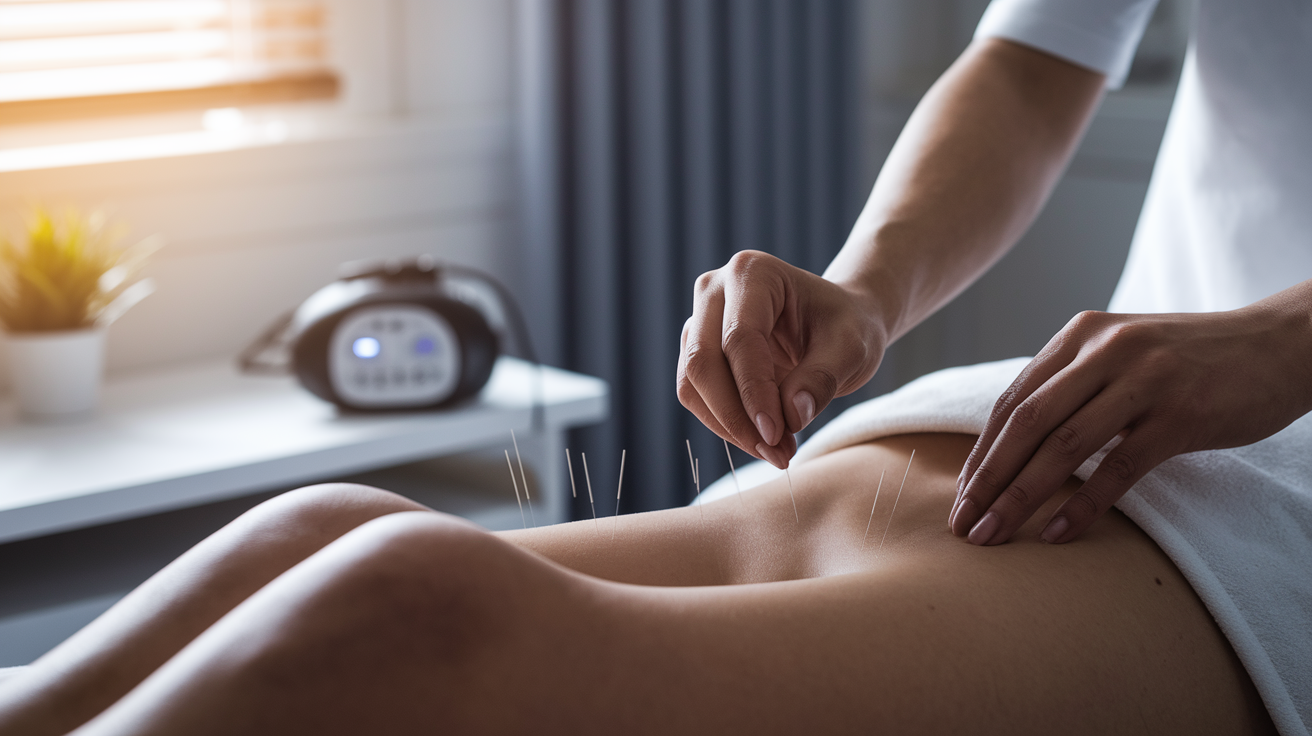
Acupuncture involves inserting thin needles at specific points on your body to influence energy flow and pain signaling. A 2024 systematic review found that acupuncture provided small improvements in menstrual pain, though the effects weren’t as strong as those seen with exercise or heat therapy. Some people respond well to acupuncture and find it helpful as part of a broader pain-management plan, especially when combined with other natural methods. Acupressure uses firm finger pressure on the same points without needles, making it an accessible at-home option. Common points for menstrual cramps include Spleen 6 (located about four finger-widths above the inner ankle bone) and Large Intestine 4 (the webbing between the thumb and index finger). Evidence for acupressure is mixed, but it’s low-risk and may be worth trying if other methods aren’t fully effective.
TENS (transcutaneous electrical nerve stimulation) units are small, battery-powered devices that deliver mild electrical pulses through adhesive pads placed on your skin. The electrical current is thought to block pain signals traveling to your brain and may also stimulate endorphin release. TENS units designed for menstrual cramps are widely available online for under $30. Most let you adjust the intensity and pulse pattern. Common side effects are minor and include tingling, slight skin redness, or, rarely, a temporary increase in menstrual flow. TENS can be used alongside heat, movement, or other natural methods. It’s especially useful if you need hands-free relief while working or resting.
When these options may be useful:
- Acupuncture: when you’ve tried first-line natural methods (heat, exercise, dietary changes) with partial but not full relief, and you’re looking for additional support
- Acupressure: as a simple, free add-on you can try at home while using heat or resting, especially if massage feels helpful
- TENS therapy: when you need portable, consistent relief throughout the day and prefer a non-medication, non-heat option
- Combination approach: using two or more methods together (for example, TENS with heat, or acupressure during a warm bath) often works better than relying on a single technique
Lifestyle Habits That Help Prevent Future Menstrual Cramps
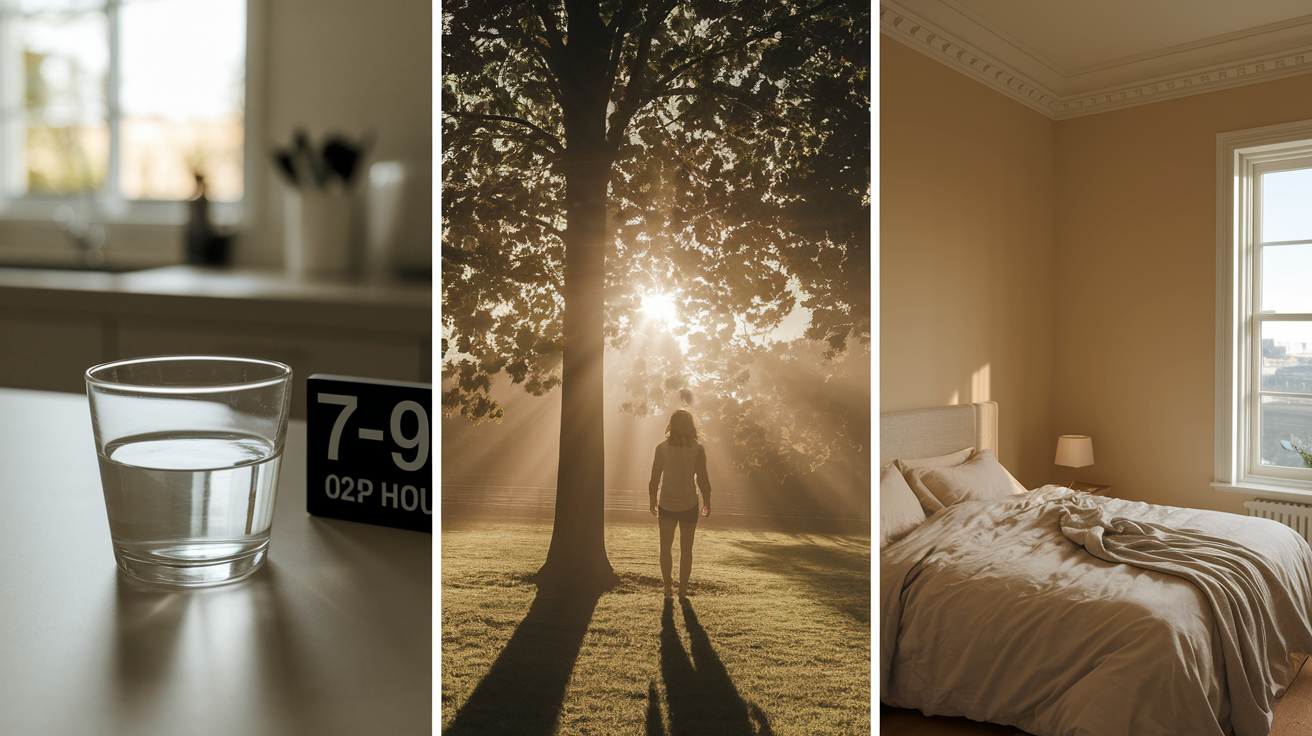
Consistent hydration is one of the simplest and most overlooked preventative measures. Dehydration can worsen bloating, increase blood viscosity, and make it harder for your body to clear inflammatory compounds. All of which can amplify cramping. Aim to drink at least 8 to 10 cups of water daily throughout your cycle, not just during your period. Limiting caffeine, alcohol, and high-sodium foods in the week before and during menstruation can also reduce fluid retention and inflammation. Leads to milder cramps and less bloating.
Regular physical activity, sustained over 8 to 12 weeks, has been shown to reduce both the intensity and duration of menstrual cramps. This doesn’t mean intense daily workouts. Moderate activities like brisk walking, swimming, cycling, or yoga for 20 to 30 minutes several times per week are sufficient. Exercise improves circulation, regulates hormones, and builds resilience to pain over time. Sleep quality also plays a role in pain tolerance and recovery. Prioritize 7 to 9 hours of sleep per night, especially in the days leading up to and during your period. Fatigue can lower your pain threshold and make cramps feel worse.
Stress management techniques like meditation, deep breathing, progressive muscle relaxation, and mindfulness practices reduce sympathetic nervous system activation. Can lower muscle tension and reduce the perception of pain. Even five minutes of slow, focused breathing each day can make a difference. Some people also find that tracking their menstrual cycle helps them anticipate and prepare for cramps. Lets them start preventative measures (like increasing hydration, avoiding trigger foods, or scheduling lighter activity) a few days before bleeding begins.
Five lifestyle habits that support long-term cramp reduction:
- Drink 8 to 10 cups of water daily, year-round, to maintain hydration and support circulation.
- Engage in moderate physical activity (walking, swimming, yoga) for 20 to 30 minutes, 3 to 5 times per week, consistently over several months.
- Prioritize 7 to 9 hours of sleep per night, especially in the week before and during menstruation.
- Practice daily stress-reduction techniques like deep breathing, meditation, or gentle stretching for 5 to 10 minutes.
- Limit caffeine, alcohol, and high-sodium processed foods in the days leading up to your period to reduce bloating and inflammation.
When Natural Methods Aren’t Enough: Evaluating Severe Menstrual Cramps
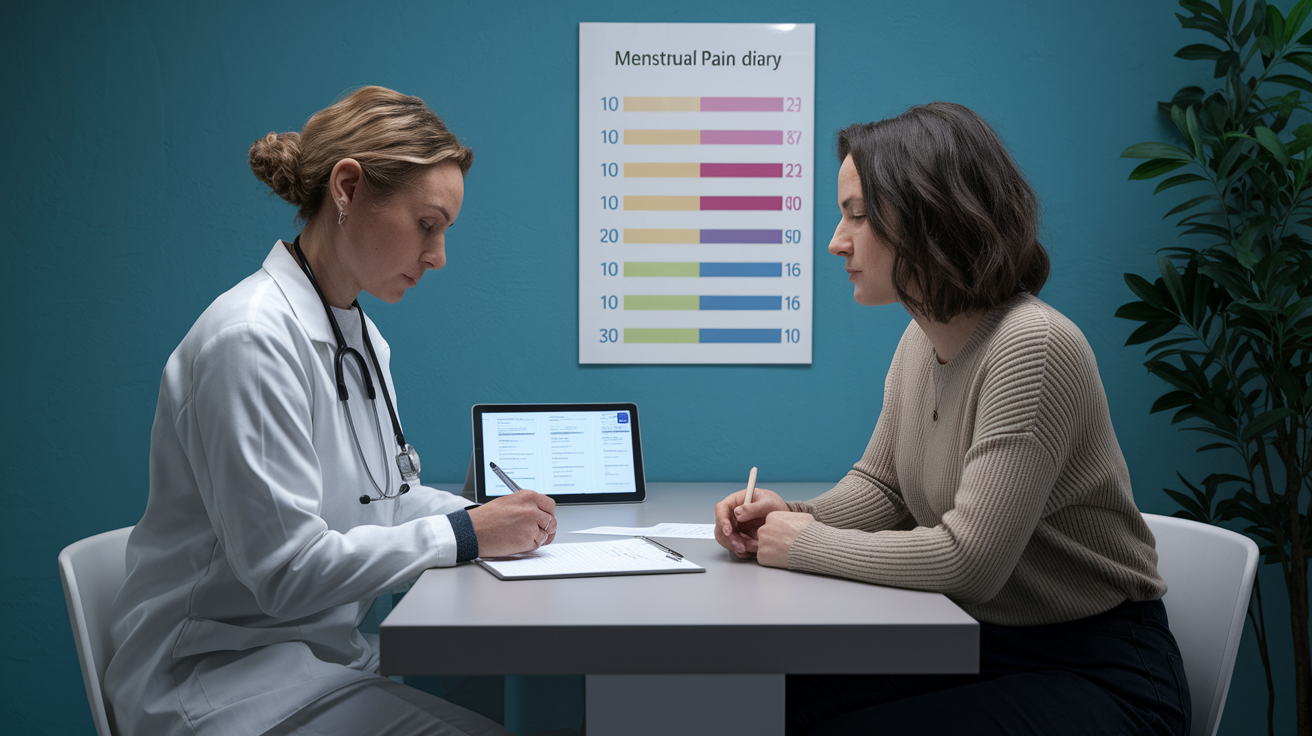
About 80 percent of people who menstruate experience cramps at some point. For many, natural methods provide sufficient relief. But if your cramps are severe enough to interfere with daily activities, missing work or school, unable to get out of bed, or requiring regular use of prescription-strength pain medication, it’s time to see a healthcare provider. Severe or worsening menstrual pain can be a sign of secondary dysmenorrhea. Meaning the pain is caused by an underlying medical condition rather than normal menstrual physiology. Conditions like endometriosis, uterine fibroids, adenomyosis, pelvic inflammatory disease, or ovarian cysts can all cause significant cramping. Early diagnosis and treatment can prevent long-term complications.
Tracking your symptoms in a menstrual diary or an app can help you and your provider identify patterns and determine whether further evaluation is needed. Record the start and end dates of your period, the severity of cramps (use a 0-to-10 pain scale), the timing of pain (before bleeding starts, during the first day, throughout), any associated symptoms (heavy bleeding, clotting, nausea, diarrhea, back pain), and what methods you’ve tried and how well they worked. This information gives your provider a clearer picture and can speed up diagnosis. Research has also shown that people with chronic menstrual pain are about 2.5 times more likely to develop chronic pain conditions later in life. Addressing severe cramps early is important for long-term health.
Five warning signs that you should see a healthcare provider:
- Cramps that suddenly become much worse or change in character compared to your usual pattern
- Pain that starts well before bleeding begins or continues long after your period ends
- Heavy bleeding that soaks through a pad or tampon every hour for several hours, or large clots (bigger than a quarter)
- Cramps that don’t improve with over-the-counter pain medication, heat, rest, or multiple natural methods tried consistently
- Any new symptoms accompanying cramps, like fever, unusual vaginal discharge, pain during sex, or difficulty emptying your bladder or bowels
Final Words
Start with fast steps: heat on your lower belly, sip water or ginger tea, try a gentle stretch, and do slow breathing for immediate comfort. These often ease uterine muscle tension within minutes.
Use heat, movement, anti-inflammatory foods, massage, or a TENS device next, and keep a short diary of what helps and when. If pain keeps you from daily life or gets worse, see a clinician.
This short plan shows how to ease menstrual cramps naturally, and you can build a routine that brings steady relief.
FAQ
Q: What relieves menstrual cramps the fastest?
A: The fastest relief for menstrual cramps is applying heat and, if appropriate, taking an over-the-counter anti-inflammatory like ibuprofen; other quick aids are hydration, gentle movement, and focused deep breathing.
Q: What drink makes cramps go away?
A: The drink that helps cramps includes warm ginger or peppermint tea, plus plenty of water; green tea may also reduce cramping when used regularly.
Q: What cures period cramps fast?
A: A fast cure for period cramps isn’t guaranteed, but common quick fixes are heat, an NSAID like ibuprofen, light exercise, and relaxation breathing; seek care if pain is severe or persistent.
Q: What are the 10 natural ways to stop period pain?
A: Ten natural ways to stop period pain include heat, warm baths, hydration, ginger tea, peppermint tea, magnesium-rich foods, omega-3 foods, gentle exercise or yoga, abdominal massage, and deep breathing or relaxation.