

Think bloating is just from overeating? Not always.
When your belly feels tight and heavy, you want relief, fast.
This post shows simple, safe tricks you can try now, like warm tea, a heat pack, a short walk, simethicone, and slow breathing or gentle belly massage, that often ease gas and tightness within minutes to an hour.
I’ll explain how each one works, when to try it, and which warning signs mean you should see a clinician.
Fast-Acting Relief Options That Help With Bloating Now

When bloating hits, you want relief now. Not in a few hours. Several simple tactics can ease that uncomfortable fullness, tightness, and trapped gas quickly. The fastest methods work by relaxing your digestive tract’s smooth muscles, helping move gas through, or stopping you from swallowing even more air. Warmth, gentle movement, and soothing liquids are where you start.
Over-the-counter options and breathing techniques can bring fast comfort too. Simethicone (the stuff in Gas-X) breaks up gas bubbles in your stomach and intestines, often giving you relief in 30 to 60 minutes. Avoiding carbonated drinks immediately stops more gas from getting in, and deep breathing or light belly massage can help your body release trapped air almost right away.
Here are six fast-relief methods to try now:
- Sip warm peppermint, ginger, or chamomile tea to relax stomach muscles and ease gas within minutes.
- Apply a warm compress or heating pad to your belly to reduce cramps and help trapped gas move.
- Take a short 5 to 10 minute walk to stimulate your intestines and relieve distention quickly.
- Try simethicone (like Gas-X) if bloating’s from gas bubbles. Relief usually shows up in 30 to 60 minutes.
- Stop drinking carbonated beverages right away to avoid adding more gas.
- Use slow, deep breathing or gentle circular belly massage to calm your nervous system and encourage gas to move.
Most of these work within minutes to an hour. Teas and heat offer almost instant soothing. Walking and massage help in 10 to 30 minutes. Simethicone peaks around the half-hour mark. The key is acting as soon as you notice discomfort, before it gets worse or painful.
Common Causes of Bloating and Why It Happens
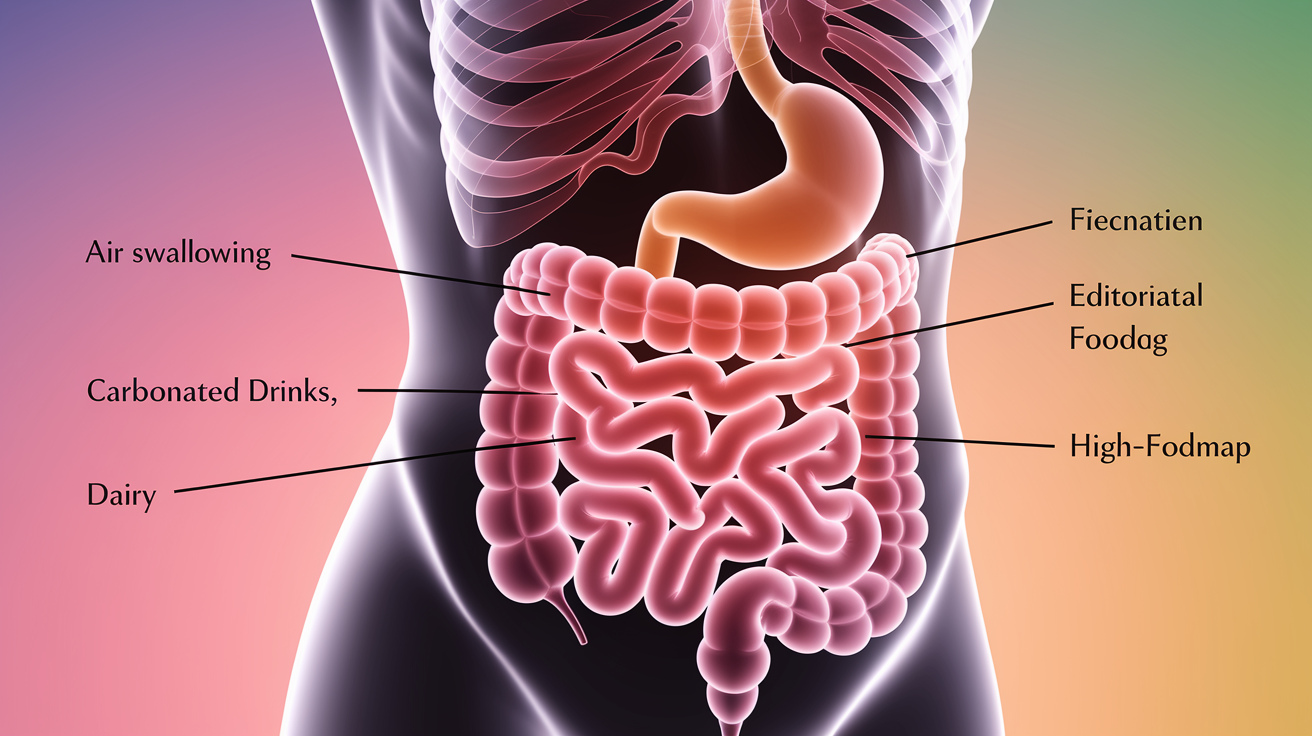
Bloating happens when your belly fills with gas, your digestive tract slows down, or your intestines stretch beyond normal size. That fullness or tightness can come from swallowing air, eating foods that produce extra gas during digestion, or having trouble breaking down certain carbs, fats, or proteins. Overeating and eating too fast are two of the most common immediate triggers because they force your stomach to expand and increase how much air you swallow with each bite.
High-gas foods like beans, lentils, broccoli, cabbage, and onions contain complex carbohydrates that your gut bacteria ferment, releasing gas as a byproduct. Carbonated drinks introduce gas directly into your system. Artificial sweeteners like sorbitol, mannitol, and xylitol are poorly absorbed and ferment in your intestines. Dairy products cause bloating in people who lack lactase, the enzyme needed to digest lactose. Wheat or gluten-containing foods trigger similar reactions in those with celiac disease or non-celiac gluten sensitivity.
Stress and certain medical conditions play a role too. When you’re anxious or stressed, your digestive system slows, trapping gas and stool. Conditions like irritable bowel syndrome (IBS), small intestinal bacterial overgrowth (SIBO), gastroesophageal reflux disease (GERD), and chronic constipation all contribute to frequent or severe bloating. Understanding which of these factors applies to you is the first step in finding lasting relief.
Everyday Eating Habits That Help With Bloating Prevention

How you eat matters just as much as what you eat. Slowing down at meals reduces the amount of air you swallow, which means less gas trapped in your stomach and intestines. Chewing each bite thoroughly gives your saliva time to start breaking down food, lightening the workload for your stomach and reducing fermentation that produces gas later. These changes can make a noticeable difference the same day.
Eating smaller, more frequent meals instead of two or three large ones prevents your stomach from stretching and your intestines from being overwhelmed. When you overload your digestive system, it produces more gas and slows down transit time, leaving you bloated for hours. Aim for four to six smaller meals or snacks spread throughout the day to keep digestion moving smoothly.
Simple habit adjustments that help with bloating prevention:
- Chew food slowly and thoroughly to reduce swallowed air and improve digestion.
- Eat smaller portions at each meal to avoid stretching your stomach.
- Avoid eating late at night when digestion naturally slows.
- Limit high-salt foods, which cause water retention and can worsen belly bloating in 24 to 48 hours.
- Skip fried or very fatty foods that take longer to digest and increase gas production.
Cutting back on salt helps your body release excess fluid. You’ll often feel less puffy within a day or two. Fatty meals sit in your stomach longer, giving bacteria more time to ferment food and produce gas. By adjusting your eating pace and portion sizes, you can prevent much of the discomfort before it starts.
Foods, Drinks, and Diet Adjustments That Support Bloating Relief
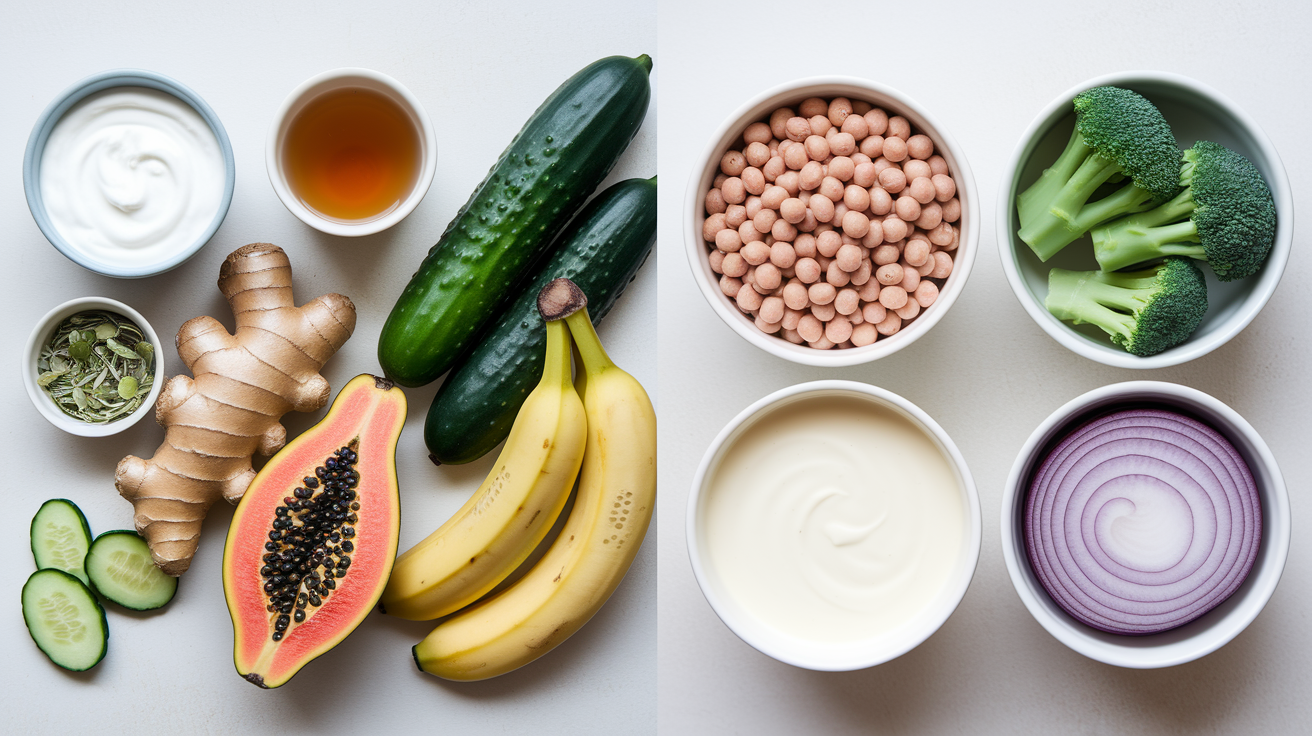
Certain foods naturally support digestion and reduce gas, while others are notorious for triggering bloating. Probiotic-rich foods like yogurt and kefir help balance bacteria in your gut, which can improve digestion over time. Ginger stimulates your digestive system and has been shown to reduce nausea and bloating. Peppermint tea relaxes the muscles in your intestines, allowing gas to pass more easily. Cucumbers and bananas are hydrating and low in fermentable carbohydrates. Papaya contains enzymes that help break down proteins, easing digestion.
On the other hand, beans, cabbage, broccoli, and onions are high in fiber and complex sugars that your gut bacteria ferment, producing gas. Dairy products cause bloating in people who are lactose intolerant. Wheat or gluten-containing grains trigger symptoms in those with celiac disease or gluten sensitivity. Carbonated beverages introduce gas directly into your system. Artificial sweeteners like sorbitol and mannitol are difficult to absorb and ferment in your intestines.
| Foods That Help | Foods That Trigger Bloating |
|---|---|
| Yogurt and kefir (probiotics) | Beans, lentils, chickpeas |
| Ginger (fresh or tea) | Broccoli, cabbage, Brussels sprouts |
| Peppermint tea | Onions and garlic |
| Cucumbers and bananas | Dairy (if lactose intolerant) |
| Papaya (digestive enzymes) | Carbonated drinks and sparkling water |
| Chamomile tea | Artificial sweeteners (sorbitol, xylitol) |
To identify your personal triggers, keep a food diary for one to two weeks. Write down everything you eat, the time of day, and any bloating symptoms that follow. Look for patterns. Does dairy cause problems? Do cruciferous vegetables make you gassy? Once you know which foods to avoid or limit, you can make targeted swaps that reduce bloating without sacrificing variety or nutrition.
Supplements and Over-the-Counter Options That Help With Bloating

Simethicone is one of the most effective over-the-counter options for gas-related bloating. It breaks up gas bubbles in your stomach and intestines, making them easier to pass. Most people notice relief within 30 to 60 minutes after taking it. Simethicone’s safe for occasional use and can be taken as needed when bloating strikes.
Digestive enzymes help your body break down specific nutrients more efficiently. Lactase supplements, for example, help people with lactose intolerance digest dairy without discomfort. Broad-spectrum digestive enzyme products contain protease, lipase, and amylase to help break down proteins, fats, and carbohydrates. These work best when taken with meals, and relief typically comes within a few hours as your body digests food more completely.
Probiotics can improve long-term gut health by balancing bacteria in your intestines, but they take time to work. You may notice some improvement in bloating after a few weeks of daily use. Probiotic-rich foods like yogurt, kefir, sauerkraut, and kimchi offer similar benefits without supplements. Activated charcoal is sometimes used for bloating, but it works slowly (over several hours) and should only be taken occasionally, as it can interfere with absorption of medications and nutrients.
If you’re considering supplements, start with lactase enzymes if dairy’s a known trigger, or try simethicone for immediate gas relief. Digestive enzymes are useful if you struggle with multiple food types. Probiotics are a good choice if you want to address bloating over the long term. Always check with a healthcare provider before starting any new supplement, especially if you take medications or have underlying health conditions.
Movement, Bodywork, and Stress-Reduction Techniques That Help With Bloating

Physical activity stimulates your digestive system and helps move gas through your intestines. A short walk after a meal (even just 5 to 10 minutes) can reduce bloating noticeably within minutes. Walking encourages your intestines to contract and push food and gas along, preventing the buildup that causes that tight, uncomfortable feeling. Regular exercise, like 30 minutes of moderate activity most days, also supports long-term digestive health and reduces how often bloating shows up.
Gentle abdominal massage and stretching can provide quick relief by manually helping trapped gas move. Use your fingertips to massage your belly in a clockwise circle, following the path of your large intestine. Yoga poses like Child’s Pose, Seated Twist, or Wind-Relieving Pose compress and release your abdomen, encouraging gas to pass. Deep breathing exercises calm your nervous system and improve digestion by reducing stress-related slowdowns in your gut.
Movement-based tactics to try:
- Take a short walk after meals to stimulate digestion and reduce fullness.
- Use gentle clockwise abdominal massage to help move trapped gas through your intestines.
- Try yoga stretches like Child’s Pose or Seated Twist to compress and release your abdomen.
- Practice slow, deep breathing for a few minutes to calm your digestive system and reduce stress-related bloating.
Stress and anxiety can slow down digestion, leading to gas buildup and constipation. When you’re tense, your body diverts resources away from digestion, leaving food sitting in your stomach and intestines longer than it should. Relaxation techniques like meditation, progressive muscle relaxation, or even a warm bath can help your digestive system get back on track and ease bloating quickly.
Fiber, Hydration, and Long-Term Digestive Balance That Help With Bloating Prevention
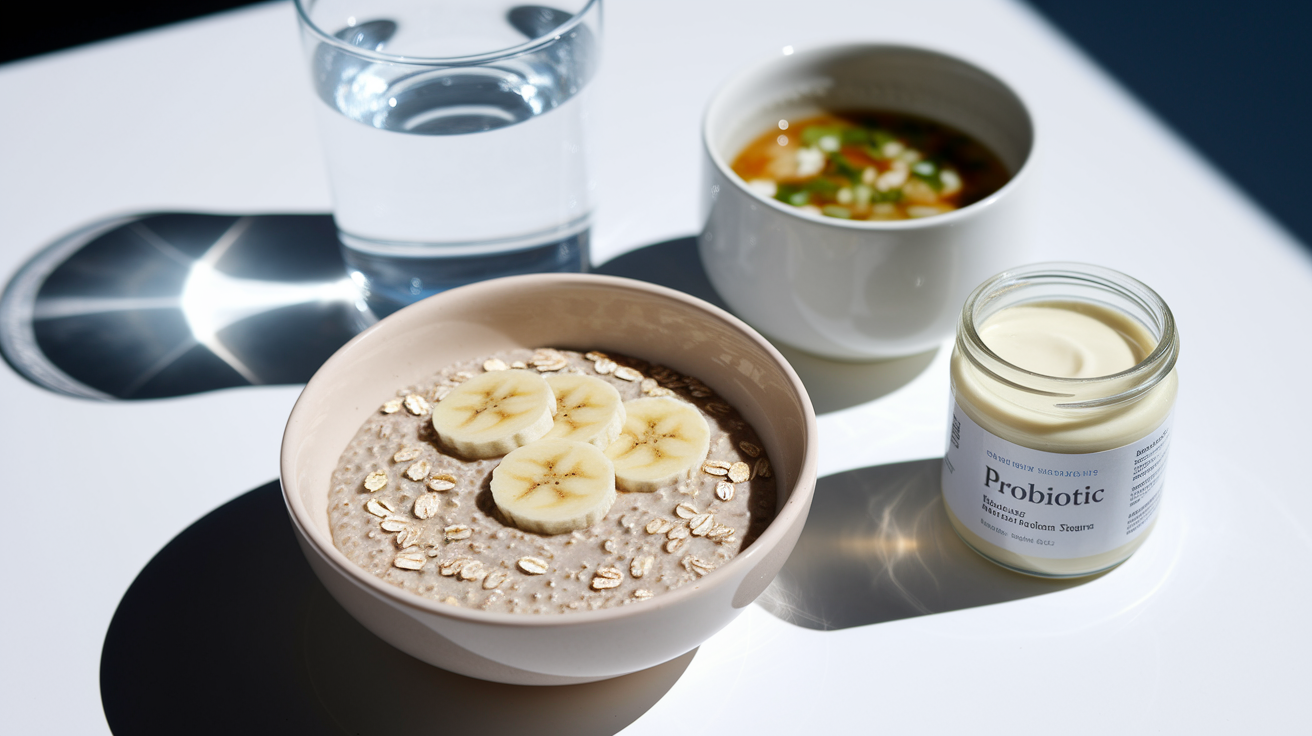
Fiber’s essential for healthy digestion, but adding too much too quickly can backfire and cause more bloating. When you increase fiber intake, do it slowly over several weeks to give your gut bacteria time to adjust. Soluble fiber, found in oats, bananas, and psyllium, dissolves in water and forms a gel that helps food move smoothly through your intestines. Insoluble fiber, found in whole grains and vegetables, adds bulk to stool but can produce more gas if your system’s not used to it.
Hydration works hand-in-hand with fiber. Drinking at least eight glasses of water per day helps fiber do its job by softening stool and keeping things moving through your digestive tract. When you don’t drink enough water, fiber can sit in your intestines and ferment, leading to gas and bloating. Water also helps prevent constipation, a common cause of bloating, by ensuring waste doesn’t get stuck.
Maintaining a balanced gut microbiome supports long-term digestive health and reduces bloating frequency. Fermented foods like yogurt, kefir, sauerkraut, and miso introduce beneficial bacteria that help break down food more efficiently. While the benefits of probiotics and fermented foods take weeks to build, they can make a meaningful difference in how often you experience bloating and how severe it feels. Pair these foods with adequate hydration and a gradual increase in fiber, and you’ll create a digestive environment that minimizes gas and discomfort over time.
Tracking Patterns and Identifying Personal Bloating Triggers
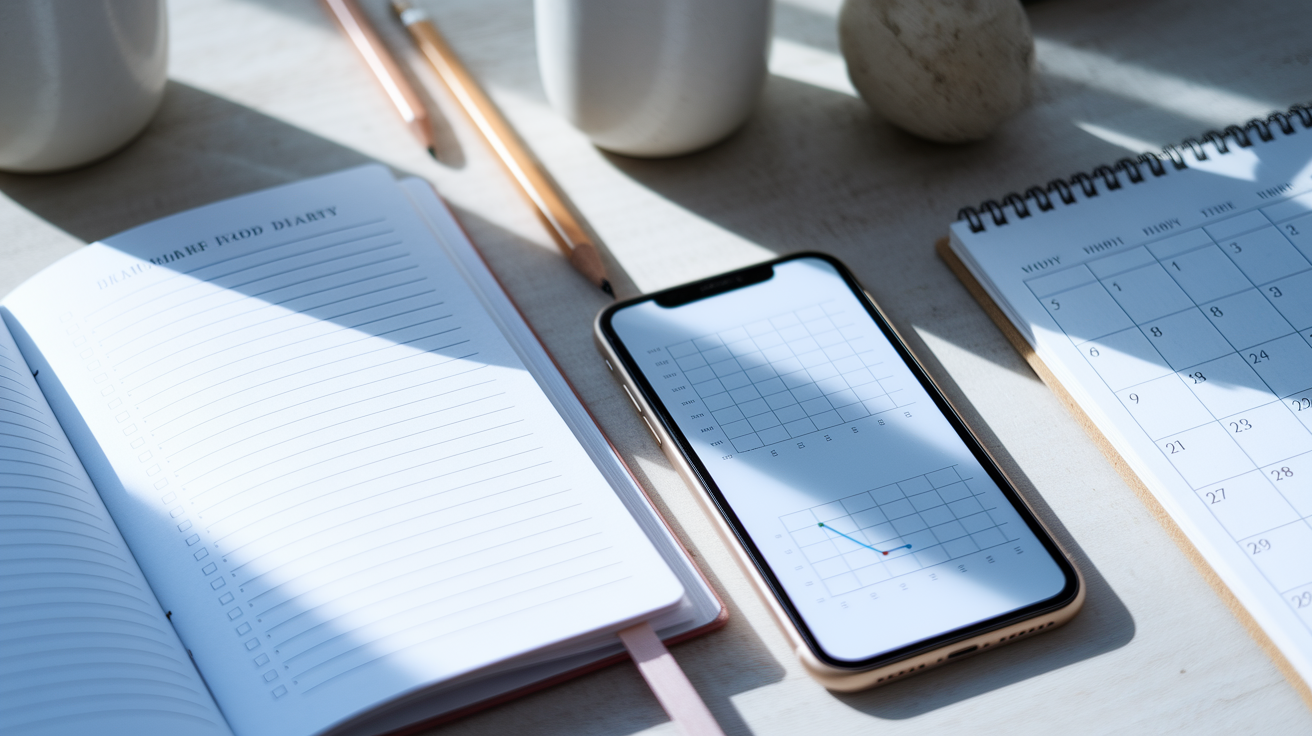
Everyone’s digestive system reacts differently to foods, stress, and habits. Keeping a food diary for one to two weeks helps you spot patterns you might otherwise miss. Write down what you eat, the time of day, portion sizes, and any bloating or discomfort that follows. Over time, you’ll notice which foods consistently cause problems and which meals leave you feeling comfortable.
Common triggers to watch for include artificial sweeteners in sugar-free products, beans and legumes, high-fat meals, salty snacks, and carbonated drinks. Pay attention to timing too. Some people bloat more at night after eating late, while others notice symptoms after large meals or before stressful events. Tracking these details helps you make smarter choices about what and when to eat.
Patterns to monitor in your diary:
- Which foods or drinks consistently cause bloating within a few hours.
- Whether large meals trigger more symptoms than smaller, frequent meals.
- If bloating worsens at certain times of day, like late evening or after skipping meals.
- How stress, poor sleep, or menstrual cycles affect your digestive comfort.
Once you identify your triggers, you can make targeted changes. Swap out carbonated drinks for herbal tea, replace sugar-free gum with fresh fruit, or eat smaller dinners if nighttime bloating’s an issue. Personalized adjustments based on real data from your own body are far more effective than generic advice.
Special Situations: Bloating in IBS, SIBO, Lactose Intolerance, and Gluten Sensitivity

Certain medical conditions cause chronic or severe bloating that doesn’t respond well to general dietary changes. If you experience bloating frequently or it’s paired with other symptoms like diarrhea, constipation, or abdominal pain, you may have an underlying condition that requires targeted treatment. Understanding the difference between situational bloating and chronic digestive issues helps you know when to seek medical evaluation.
Lactose and Gluten-Related Bloating
Lactose intolerance happens when your body doesn’t produce enough lactase, the enzyme needed to break down lactose, the sugar in milk and dairy products. Without lactase, undigested lactose ferments in your intestines, causing gas, bloating, cramping, and diarrhea within a few hours of eating dairy. Taking lactase enzyme supplements with meals that contain dairy can prevent these symptoms almost immediately. Many people with lactose intolerance can tolerate small amounts of hard cheese or yogurt because they contain less lactose or include bacteria that help digest it.
Gluten sensitivity and celiac disease cause bloating after eating wheat, barley, or rye. In celiac disease, gluten triggers an immune response that damages the lining of your small intestine, leading to bloating, diarrhea, weight loss, and nutrient deficiencies. Non-celiac gluten sensitivity causes similar digestive symptoms without the immune damage. The only treatment for both conditions is a strict gluten-free diet. Removing gluten from your diet can reduce bloating within days to weeks, depending on the severity of inflammation.
IBS and SIBO-Related Bloating
Irritable bowel syndrome (IBS) is a chronic condition marked by abdominal pain, bloating, and changes in bowel habits. People with IBS often experience bloating after eating certain high-FODMAP foods (fermentable carbohydrates like onions, garlic, beans, and wheat). A low-FODMAP diet, supervised by a dietitian, can reduce symptoms significantly over a few weeks. IBS bloating may also respond to stress management, probiotics, and medications that regulate gut motility.
Small intestinal bacterial overgrowth (SIBO) occurs when bacteria that normally live in your large intestine migrate into your small intestine, where they ferment food and produce excess gas. SIBO causes severe bloating, often within minutes to hours after eating, along with diarrhea, cramping, and nutrient malabsorption. Diagnosis typically involves a hydrogen or methane breath test, which measures gases produced by bacteria after you drink a sugar solution. Treatment includes antibiotics or herbal antimicrobials, along with dietary changes to reduce fermentation while bacteria are being cleared.
When Bloating Requires Medical Attention

Most bloating’s harmless and resolves with simple dietary changes, movement, or over-the-counter remedies. But certain symptoms signal that something more serious may be happening. If your bloating’s persistent, severe, or paired with other worrying signs, it’s time to see a healthcare provider rather than relying on home remedies.
Seek medical evaluation if bloating lasts for more than a few weeks without improvement, or if it’s accompanied by significant pain, fever, vomiting, or changes in bowel habits like persistent diarrhea or constipation. Unexplained weight loss, blood in your stool or vomit, or a hard, distended abdomen that doesn’t improve with gas relief tactics all require prompt attention. These symptoms can indicate conditions like inflammatory bowel disease, ovarian cysts, bowel obstruction, or gastrointestinal cancers that need diagnosis and treatment.
Your doctor may use several diagnostic tools to investigate chronic bloating. Blood tests can check for celiac disease, infections, or inflammation. Stool studies can identify parasites, bacterial imbalances, or signs of malabsorption. Imaging tests like abdominal ultrasound or CT scans look for structural problems, masses, or fluid buildup. Breath tests diagnose SIBO and carbohydrate malabsorption, while endoscopy or colonoscopy allow direct visualization of your digestive tract.
Red-flag symptoms that warrant urgent care:
- Sudden, severe abdominal pain that doesn’t ease or worsens over time.
- Persistent vomiting or diarrhea lasting more than 24 hours, especially with fever.
- Blood in your stool, vomit, or dark, tarry stools.
- Unexplained weight loss of more than a few pounds over a short period, without trying.
Trust your instincts. If bloating feels different than usual, is more severe than you’ve experienced before, or is interfering with your daily life, reach out to a healthcare provider. Early evaluation can rule out serious conditions and get you started on the right treatment plan.
Final Words
Try fast relief now with warm peppermint or ginger tea, a heat pack, a short walk, light belly massage, deep breathing, or simethicone. Many of these help in minutes to about an hour.
For longer-term relief, eat more slowly, test suspect foods, drink enough water, add fiber slowly, and consider probiotics or digestive enzymes. Keep a simple food-and-symptom log to spot patterns.
If bloating is sudden, very painful, or comes with fever, bleeding, or weight loss, seek care right away. Otherwise, try these tips and note what helps with bloating. You’ve got options.
FAQ
Q: What reduces bloating fast?
A: Fast ways to reduce bloating include sipping warm ginger or peppermint tea, walking for 5–10 minutes, doing a gentle abdominal massage or warm compress, using simethicone, and avoiding carbonated drinks.
Q: How to get unbloated in 5 minutes at home?
A: To get unbloated in 5 minutes at home, try slow deep breaths, a gentle clockwise belly massage, sip warm peppermint or ginger tea, and stand up to walk around to move trapped gas.
Q: How do you drain a bloated stomach?
A: To drain a bloated stomach, help gas move with walking, gentle abdominal massage, a warm compress, or simethicone; stay hydrated, avoid fizzy drinks, and see care if bloating is severe or lasting.
Q: What drink calms bloating?
A: Drinks that calm bloating include warm peppermint or ginger tea, chamomile tea, and plain warm water, which soothe digestion and help gas move; avoid carbonated beverages that can add gas.