
Want fast relief for a stuffy nose?
You can often ease congestion in minutes with simple home steps: steam, saline spray, a warm compress, nasal strips, and staying well hydrated.
These options reduce swelling or loosen mucus so you’ll breathe easier right away.
This post walks you through what to try first, how to do each method safely, what to track, and the clear warning signs that mean you should see a clinician.
Fast-Acting Relief Options for a Stuffy Nose
When your nose is blocked and you need quick relief, you’ve got several practical options you can try right now. Most of these methods work by reducing inflammation in your nasal passages, moisturizing dried tissues, or physically opening your airways. The best part? You don’t need special equipment for many of them. Just a few minutes and some household items.
The fastest methods target what’s actually causing the congestion: swollen blood vessels and thick mucus. By adding moisture, warmth, or gentle pressure, you can start to feel better within minutes. Here’s what you can do immediately:
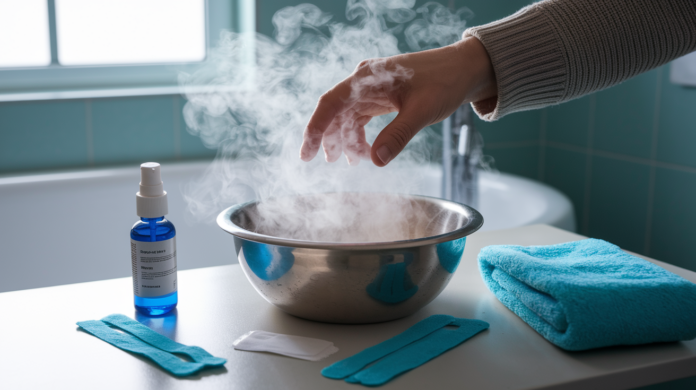
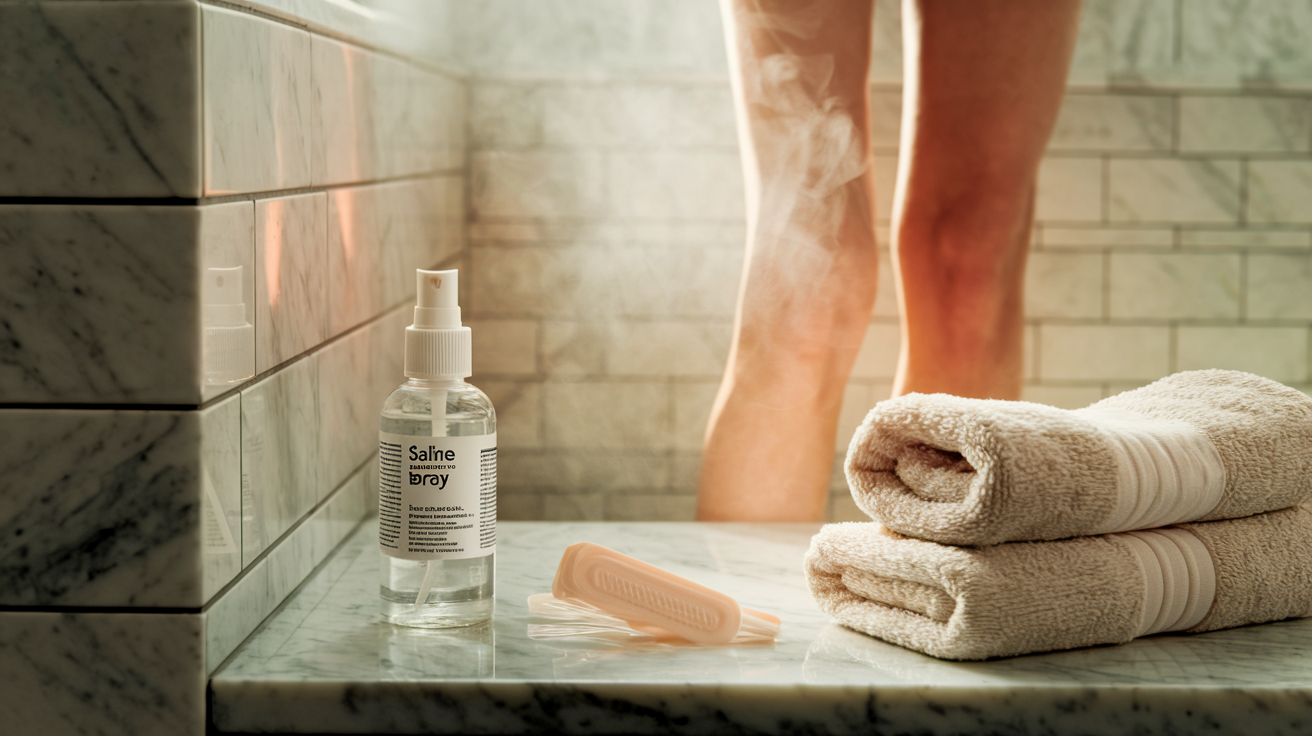
- Inhale warm steam. Stand in a hot shower for several minutes, or lean over a bowl of heated water and breathe slowly. The moisture loosens mucus and soothes inflamed tissues.
- Use saline spray. A few sprays of saline solution into each nostril adds moisture and helps flush out trapped mucus right away.
- Apply a warm compress. Dampen a washcloth with warm (not hot) water, squeeze out the excess, and hold it over your nose and forehead for a few minutes.
- Try adhesive nasal strips. These strips stick across the bridge of your nose or cheeks and gently pull your nostrils open, increasing airflow instantly.
- Massage your sinuses. Use your fingertips to apply gentle, circular pressure along the sides of your nose, under your cheekbones, and across your forehead to encourage drainage.
- Drink a glass of water. Hydration thins mucus throughout your body, making it easier to clear your nasal passages.
These quick relief methods work best when your congestion is mild to moderate and caused by a cold, allergies, or dry air. If you’re dealing with severe symptoms or your stuffy nose has lasted more than a week, you may need additional support beyond these immediate steps.
Understanding Why the Nose Becomes Congested
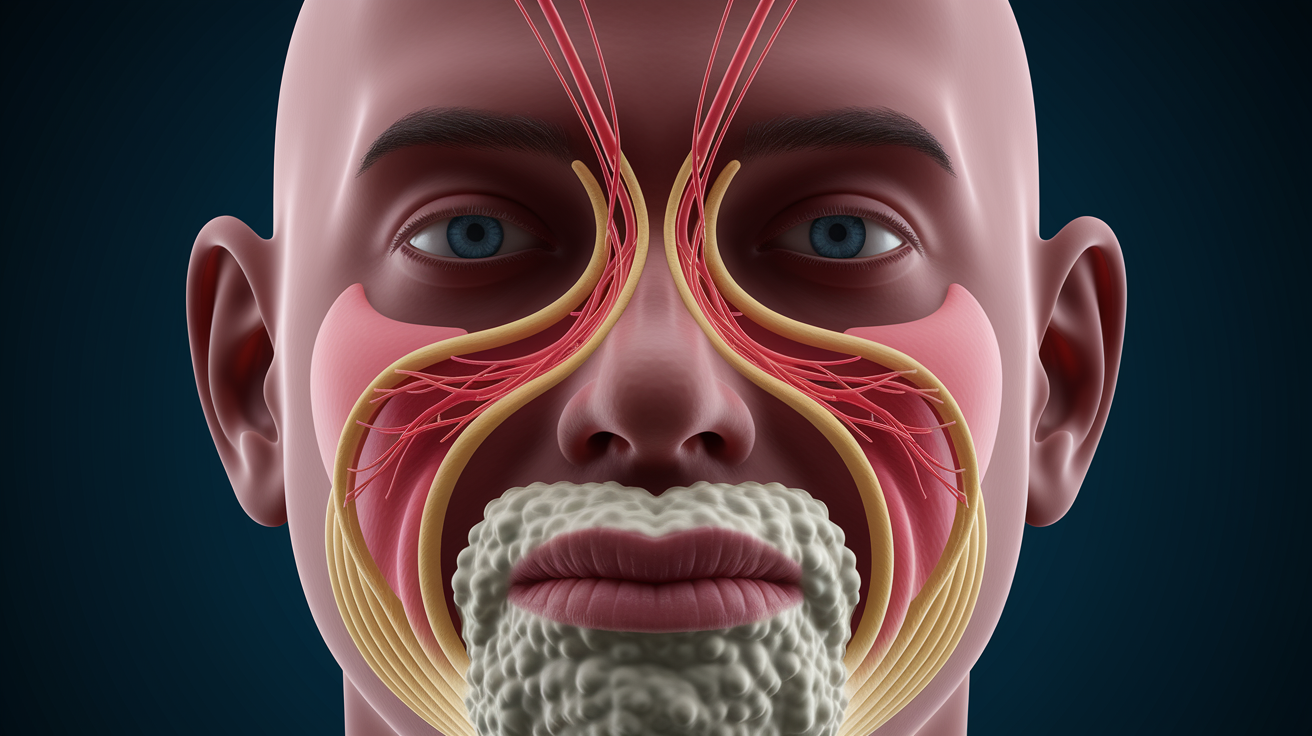
A stuffy or blocked nose isn’t usually caused by too much mucus. It’s the result of inflamed blood vessels inside your nasal passages. When an irritant like a virus, allergen, or environmental trigger enters your nose, your body responds by sending extra blood to the area. That flood of blood causes the tissues lining your nasal passages to swell, which narrows the space air can move through. The swelling traps mucus, making it harder to breathe and creating that familiar “stuffed up” feeling.
Sinusitis happens when the lining of your sinuses (the hollow spaces around your nose and eyes) becomes inflamed and swollen. This inflammation blocks the tiny openings that normally let mucus drain out, so fluid builds up and pressure increases. You might also notice mucus dripping down the back of your throat, sinus pressure or pain around your forehead and cheeks, bad breath, or a sore throat. Sometimes your nose runs at the same time it feels blocked, because the mucus production increases even though the passages are narrower.
The swelling and mucus together create the sensation of a blocked nose. You’re not just dealing with “too much stuff in there.” Your body’s defense response is actively narrowing the space and thickening the mucus to trap whatever it sees as a threat.
Safe At-Home Remedies That Help a Stuffy Nose
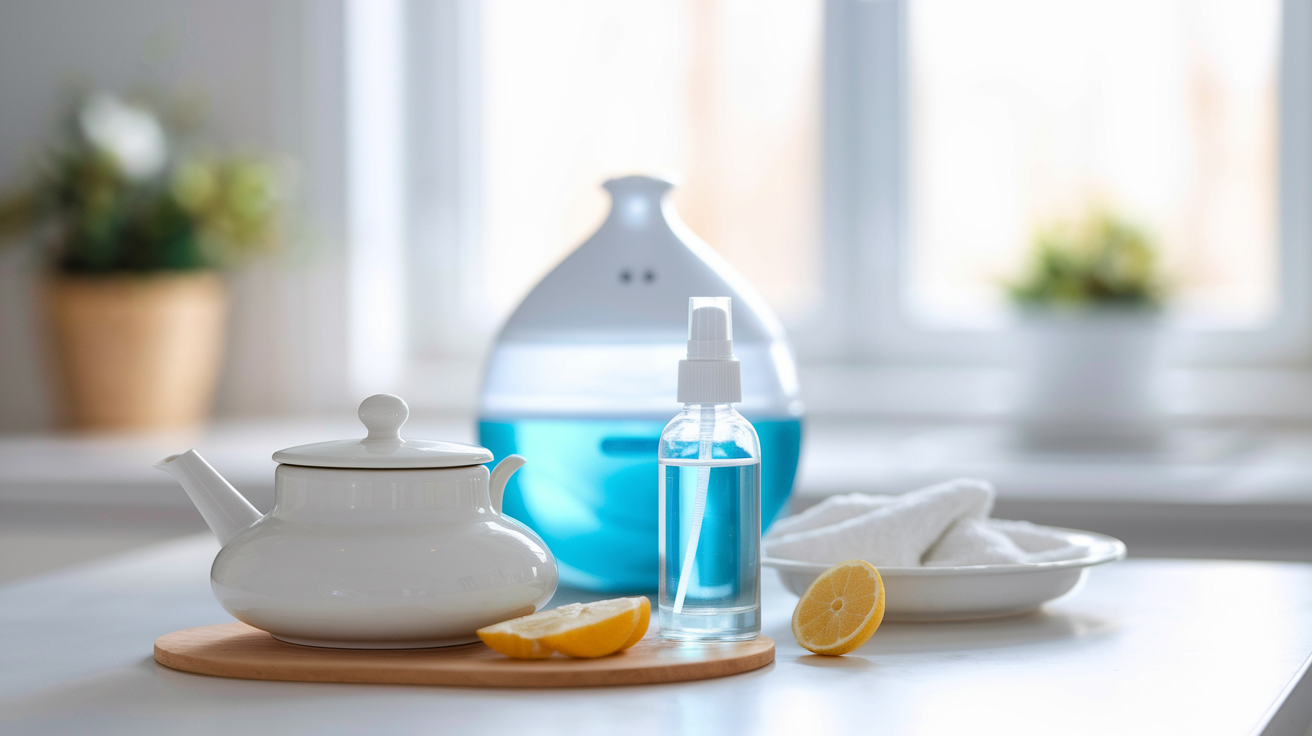
Most stuffy noses respond well to simple, low cost home treatments that reduce inflammation and help your body clear trapped mucus. These methods work by adding moisture, gently flushing out irritants, and soothing swollen tissues. You can use them alone or combine a few approaches for better relief.
Nasal Rinsing Techniques
Nasal irrigation (rinsing your nasal passages with a saline solution) helps flush out mucus, allergens, and irritants while moisturizing dry tissues. The most common tools are neti pots, bulb syringes, and squeeze bottles designed for nasal rinsing.
- Always use distilled, sterile, or previously boiled water. Let it cool first. Tap water can contain bacteria or other organisms that are safe to drink but not safe to rinse directly into your nasal passages.
- Wash your hands before you start, and make sure your irrigation device is clean and completely dry between uses.
- Tilt your head to the side over a sink, insert the spout into your upper nostril, and let the saline flow through and drain out the lower nostril. Repeat on the other side.
- Rinse once or twice a day when you’re congested. Stop if you feel pain, and talk to a healthcare provider or pharmacist if you’re unsure about technique.
Moisture-Based Remedies
Running a cool mist humidifier while you sleep or rest can prevent dry air from irritating your nasal passages and making congestion worse. Set the humidity level between 30% and 50%. Any higher can encourage mold growth. Use distilled or purified water if possible, and place the humidifier about six feet from your bed so you’re not breathing overly damp air directly. Empty and clean the tank every day to stop bacteria and mold from building up inside the device.
You can also add moisture by sitting in a steamy bathroom after a hot shower or inhaling steam from a bowl of heated water. Some people like to add a few drops of eucalyptus or peppermint essential oil to the water. It won’t cure congestion, but the scent can feel soothing. Just be careful not to lean too close or use water that’s dangerously hot, since steam burns are real and painful.
Warm Compress & Steam
Applying a warm compress over your nose, cheeks, and forehead can ease sinus pressure and help mucus drain more easily. Dampen a clean washcloth with warm water, squeeze out the extra, and hold it gently against your face for several minutes. You can repeat this as many times a day as you need relief.
For steam inhalation, try these methods:
- Take a warm shower and breathe slowly through your nose for several minutes.
- Close the bathroom door, run hot water in the sink or tub, and sit nearby to inhale the steam.
- Lean over a bowl of just heated water with a towel draped over your head to trap the steam. But keep your face far enough away to avoid burns.
These moisture and warmth strategies work best when your congestion is linked to colds, dry indoor air, or mild sinus irritation. They’re safe for most people and can be repeated throughout the day as needed.
Hydration, Fluids, and Foods That Improve Nasal Congestion

Drinking plenty of fluids helps thin the mucus in your nasal passages, making it easier to drain and breathe. When your body is well hydrated, mucus stays looser and less sticky. Most adults need about 90 to 125 fluid ounces of water per day from food and drinks combined, but you may need more if you’re active, in a hot climate, or fighting off a cold.
Warm liquids tend to feel more soothing than cold ones when you’re congested. Cold drinks can sometimes thicken mucus or make your throat feel tighter. Avoid alcohol while you’re dealing with a stuffy nose. It can reduce your immune response and, for some people, trigger histamine reactions that make nasal symptoms worse.
Certain foods and drinks may offer extra congestion relief:
- Warm water with lemon. The vitamin C and warmth can shorten cold duration and ease symptoms.
- Fresh ginger tea. Ginger has natural anti inflammatory effects that may help if your congestion is triggered by allergens. Peel and crush fresh ginger, steep it in hot water, and sip slowly.
- Chicken soup or broth. The steam, warmth, and salt can all support mucus clearance and provide comfort.
- Spicy foods with garlic or chili. Some people find that spicy foods temporarily open their nasal passages by thinning mucus.
- Honey in warm tea. Honey can soothe a sore throat and has mild antimicrobial properties, though it won’t directly clear your nose.
Humidifiers, Air Quality, and Environmental Support for a Stuffy Nose
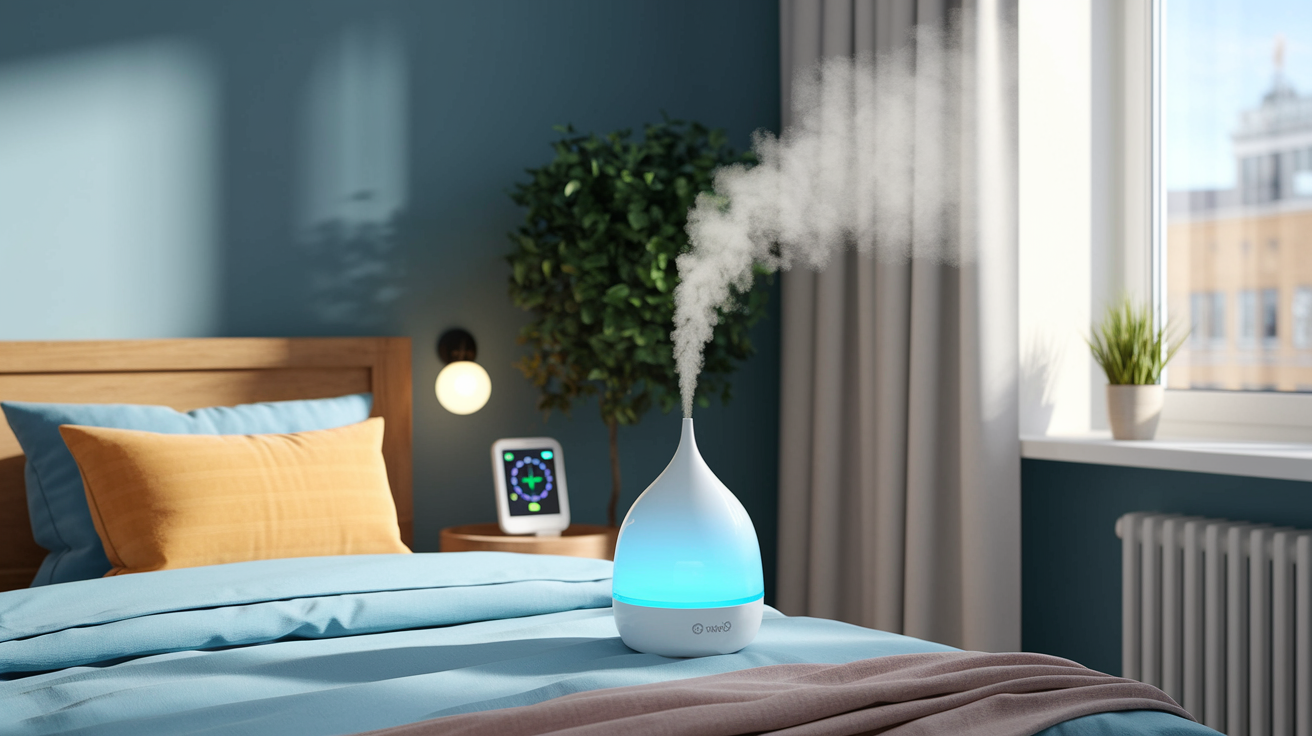
Dry indoor air is one of the most common reasons a stuffy nose gets worse at night or during winter months. When the air lacks moisture, your nasal tissues dry out and become more irritated, which increases swelling and makes it harder to breathe. A cool mist humidifier adds moisture back into the air and can reduce that irritation. Keep the device about six feet from your bed, set the humidity between 30% and 50%, and use distilled water to minimize mineral buildup and bacterial growth. Clean and empty the tank every day. Dirty humidifiers can spread mold and bacteria into the air you breathe.
Beyond humidity, pay attention to what’s floating in the air around you. Environmental irritants trigger or worsen nasal congestion by inflaming your nasal passages or causing an allergic response. Cigarette smoke, pet dander, mold, strong cleaning products, car exhaust, and heavily scented candles or sprays can all make a blocked nose feel worse. If your symptoms consistently flare after exposure to certain triggers (like visiting a friend with cats or spending time near a fireplace), avoiding those irritants is one of the simplest ways to reduce congestion.
| Irritant | How It Affects Nasal Passages |
|---|---|
| Cigarette smoke and wood smoke | Irritates and inflames the lining of your nose and sinuses, increasing mucus production and swelling. |
| Pet dander and pollen | Triggers an allergic immune response, causing blood vessels in your nose to swell and mucus to thicken. |
| Mold spores and dust mites | Can cause chronic low level inflammation in nasal tissues, especially in damp or poorly ventilated spaces. |
Over-the-Counter Options That Help a Stuffy Nose
When home remedies aren’t enough, over the counter medications can provide faster or stronger relief. These products work in different ways. Some shrink swollen blood vessels, others block allergic reactions, and a few reduce inflammation over time. Knowing which type fits your situation helps you choose safely and avoid side effects.
Decongestants are available as pills, liquids, and nasal sprays. They work by narrowing the blood vessels in your nasal passages, which reduces swelling and opens up space for air to flow. Oral decongestants (like pseudoephedrine or phenylephrine tablets) can take 30 minutes to an hour to kick in and may raise your blood pressure or make you feel jittery. Nasal decongestant sprays work faster, sometimes within minutes. But you should not use them for more than three days in a row. Longer use can cause rebound congestion, where your nose becomes even more blocked once you stop the spray.
Antihistamines help if your stuffy nose is driven by allergies. They block the histamine response that causes nasal swelling, sneezing, and mucus production. Many antihistamines make you drowsy, so they’re often best taken at night. Newer non drowsy versions are available if you need daytime relief without sedation. Steroid nasal sprays reduce inflammation and mucus over time, but they’re not instant. Expect to use them regularly for several days or even a few weeks before you feel the full effect. Over the counter pain relievers like acetaminophen or ibuprofen can ease sinus headaches and the general achiness that sometimes comes with congestion.
Here are the main OTC categories and what to keep in mind:
- Oral decongestants. Fast acting but can raise blood pressure and interfere with sleep. Not safe for everyone, especially if you have heart issues or take certain medications.
- Nasal decongestant sprays. Very quick relief, but strict three day limit to avoid rebound congestion.
- Antihistamines. Best for allergy related stuffiness. Check whether the formula causes drowsiness.
- Steroid nasal sprays. Slow acting but effective for ongoing inflammation. Safe for longer term use under label directions.
If you have high blood pressure, take other medications, or are choosing a product for a child, talk to your primary care provider or pharmacist first. Combining medications or using the wrong type can cause unwanted side effects or make your congestion worse.
Sleep Adjustments and Positions That Ease a Stuffy Nose

Lying flat at night can make nasal congestion feel worse because blood flow to your head increases when you’re horizontal, causing more swelling in your nasal passages. Elevating your head and upper body helps reduce that blood flow and encourages mucus to drain down instead of pooling in your sinuses. Even a small change in position can make breathing easier and help you sleep more comfortably.
The simplest way to elevate your head is to stack one or two thick pillows under your head and shoulders. A wedge shaped pillow that supports your entire upper body can be even more effective, since it keeps you at a steady incline without shifting during the night. If you have a recliner, sleeping in it for a night or two while you’re congested can also provide relief. Just make sure you’re supported enough to avoid neck strain.
Here are three common elevation methods:
- One or two extra pillows. Quick and easy, though they can slip around while you sleep.
- Wedge pillow. Provides a steady, comfortable incline that stays in place all night.
- Recliner chair. Keeps your upper body elevated naturally and can be helpful if lying down makes breathing very difficult.
You can also try adhesive nasal strips at bedtime. These small strips stick across the bridge of your nose or along your cheeks and gently pull your nostrils open, which increases airflow without any medication. They’re safe to use every night and can be especially helpful if your congestion is worse when you’re lying down.
When a Stuffy Nose Might Indicate Something More Serious

Most cases of nasal congestion improve with self care within about a week, but sometimes a blocked nose signals a more serious issue that needs professional evaluation. Sinusitis, bacterial infections, chronic allergies, and other conditions can all cause persistent or worsening symptoms that won’t respond to home remedies alone. Knowing when to seek care helps you avoid complications and get the right treatment sooner.
Watch the calendar and your symptoms closely. If your stuffy nose has lasted more than 10 days without any improvement, it’s time to see a healthcare provider. If your symptoms get worse after about 7 days (even if they seemed to be improving earlier), that can indicate a secondary bacterial infection. A fever that lasts more than 3 days, severe facial pain or headache, or stuffiness that’s only on one side of your nose are all reasons to get checked out. You should also contact a provider if your symptoms go away and then come back shortly after, since recurring congestion can point to an underlying issue like chronic sinusitis or untreated allergies.
Some warning signs need more urgent attention. If you develop yellow or white spots on your tonsils or the back of your throat, intense throat pain, swelling in your face, or blurry vision, don’t wait. Contact a clinician the same day or go to urgent care. These symptoms can indicate infections or complications that need prompt treatment, possibly including antibiotics.
| Warning Sign | Recommended Action |
|---|---|
| Congestion lasting more than 10 days without improvement | Schedule an appointment with your primary care provider to check for sinusitis or another underlying cause. |
| Fever over 100.4°F for more than 3 days | Contact a healthcare provider. Persistent fever may indicate a bacterial infection that needs antibiotics. |
| Severe facial pain, swelling, or blurry vision | Seek same day care or go to urgent care. These can signal serious sinus complications. |
| Symptoms that improve and then return or worsen after 7 days | See a provider. This pattern often points to a secondary infection or chronic condition. |
Final Words
Get quick relief now: try warm steam, saline spray or rinse, a warm compress, adhesive nasal strips, gentle nasal massage, and extra fluids. These aim to open your nasal passages and ease pressure.
Use a cool-mist humidifier at night and avoid smoke or strong scents. Most people notice improvement within hours to a couple of days.
If you’re wondering what helps a stuffy nose, these simple steps are a solid start. If symptoms persist, check with a clinician — you’ll likely feel better soon.
FAQ
Q: What drink opens sinuses and what is the best natural decongestant?
A: The drink that opens sinuses is a hot drink, like warm tea or broth, which loosens mucus and warms passages; saline rinses, steam, and menthol inhalation are also top natural decongestants.
Q: Why is my nose 100% blocked?
A: A nose is 100% blocked because swollen nasal tissues and enlarged blood vessels, often from a cold, allergy, or irritant, can fully narrow passages, with trapped mucus adding pressure and blockage.
Q: How long does a congested nose last?
A: A congested nose usually lasts about 3–10 days with a common cold; allergy-related congestion can last weeks, and sinus infections may persist longer—seek care if symptoms worsen or exceed 10 days.