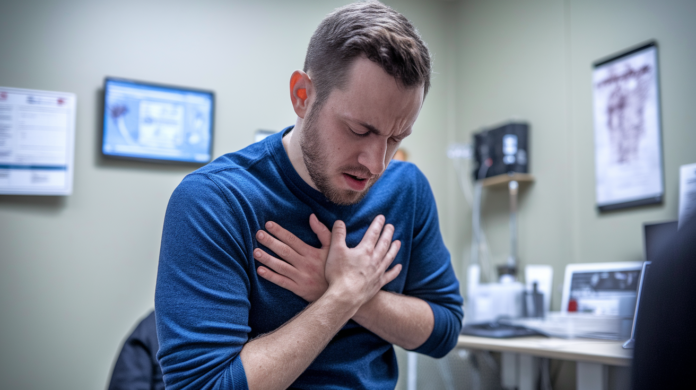

Is sudden sharp chest pain always a heart attack?
Short answer: no, but you should take it seriously.
Fewer than 6% of chest pain ER visits turn out to be life threatening, yet some dangerous conditions can start as a sudden, sharp jab.
Often the cause is musculoskeletal strain, acid reflux, or anxiety.
This post explains the main triggers, including heart, lung, chest wall, digestive, and panic, and gives clear steps, warning signs, and when to get emergency care.
Immediate Breakdown of Sudden Sharp Chest Pain Causes
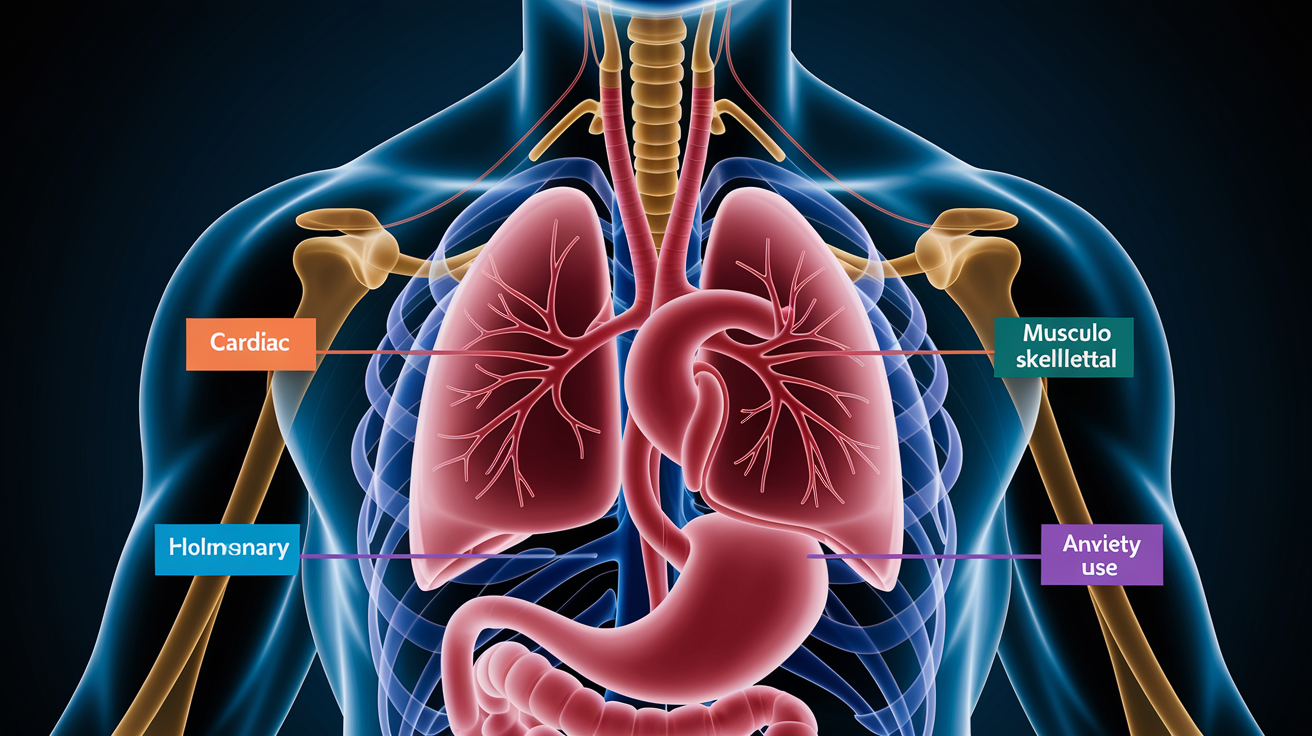
Sudden sharp chest pain can come from lots of different places in your body. Heart and lung emergencies, sure. But also muscle strain or digestive upset. Here’s something that might surprise you: fewer than 6% of chest pain ER visits turn out to be life threatening. Still, every episode of new or severe chest pain deserves proper evaluation. You can’t reliably figure out what’s serious and what isn’t from your couch.
Chest pain accounts for about 5% of all emergency department visits in the United States. About 30% of people who show up at the ER with chest pain get diagnosed with GERD, which tells you how often digestive issues mimic heart problems. But some genuinely dangerous conditions like heart attack, pulmonary embolism, or aortic dissection can show up as sharp pain instead of that classic pressure or squeezing you’d expect.
The most common categories include:
Cardiac causes like heart attack, unstable angina, aortic dissection, pericarditis, heart rhythm abnormalities
Pulmonary causes like pulmonary embolism, pneumothorax (collapsed lung), pleurisy, pneumonia
Musculoskeletal causes like costochondritis, intercostal muscle strain, rib fractures
Gastrointestinal causes like GERD, esophageal spasm, gallbladder disease
Anxiety related causes like panic attacks, hyperventilation
Other structural issues like precordial catch syndrome, referred pain from abdominal organs
Even when chest pain turns out to be musculoskeletal or digestive, confirming that usually requires medical tests. An electrocardiogram, blood work, imaging. Pain quality, timing, triggers, and other symptoms offer clues, but they don’t replace objective evaluation. If you’re dealing with sudden sharp chest pain, especially if it’s severe, won’t quit, or comes with other warning signs, get medical attention promptly.
Cardiac Related Sharp Chest Pain Causes and Warning Features
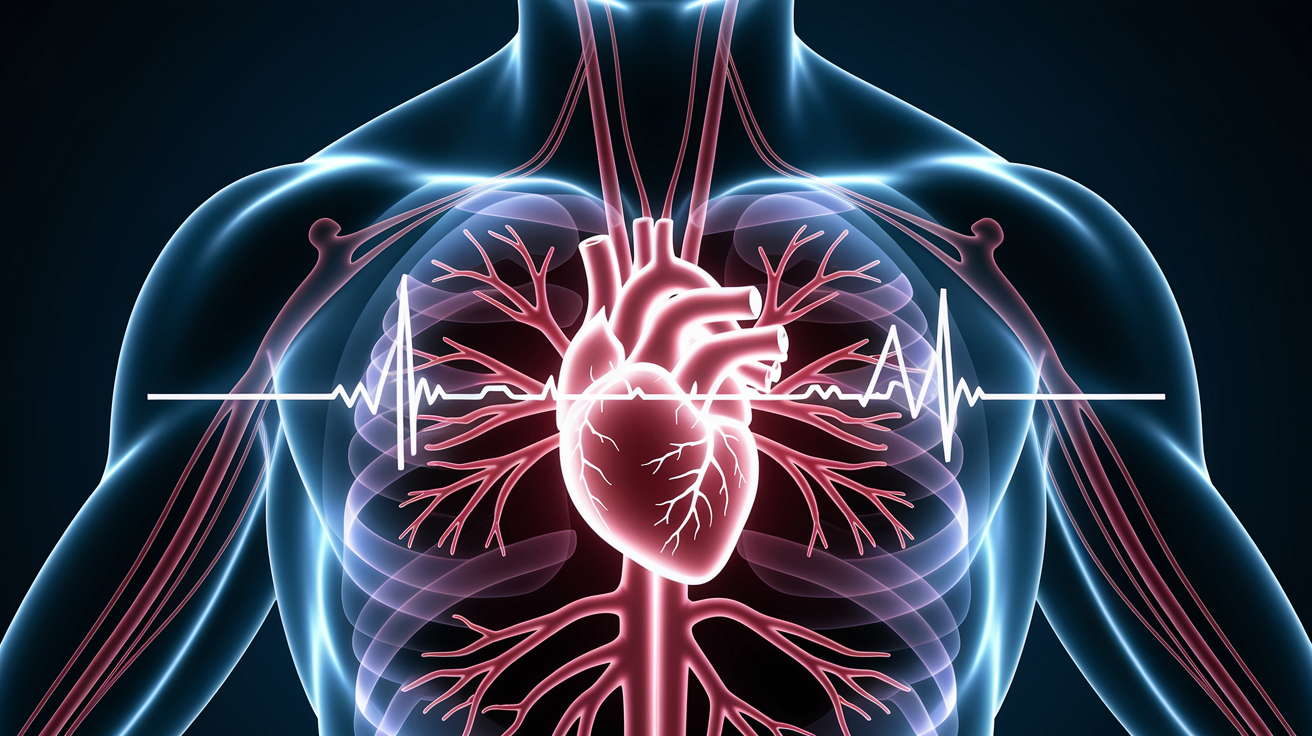
Heart related chest pain doesn’t always feel like the classic “elephant sitting on your chest” pressure. Sharp or stabbing sensations happen with several cardiac conditions, and recognizing the differences can help you decide how urgently to move.
A heart attack often produces tightness, heaviness, or pressure in the center or left side of the chest. But some people describe it as sharp or knifelike. The pain typically lasts more than a few minutes. It may come and go. And it often radiates to the left arm, jaw, neck, back, or upper abdomen. Common accompanying symptoms? Shortness of breath, cold sweats, nausea or vomiting, dizziness, or an overwhelming sense of dread. If you’ve got risk factors like diabetes, high blood pressure, high cholesterol, smoking history, or family history of heart disease, take any new chest discomfort seriously.
Aortic dissection is rare but catastrophic. The inner layer of the aorta tears. The hallmark is sudden, severe, ripping or tearing pain that starts in the chest and often shoots straight through to the back. This pain is persistent, dramatic, and doesn’t come and go the way some other chest pains do. Angina, chest pain caused by reduced blood flow to the heart muscle, is usually triggered by physical exertion or emotional stress and improves within minutes of rest. While angina is more commonly described as pressure, it can occasionally feel sharp, especially if it’s unstable. Heart rhythm problems, including tachycardia (resting heart rate above 100 beats per minute) or symptomatic bradycardia (resting heart rate below 60 beats per minute), can also cause chest discomfort along with dizziness, excessive sweating, or shortness of breath.
Key cardiac red flags that require immediate emergency evaluation:
Chest pain radiating to the arm, jaw, neck, back, or upper abdomen
Pain lasting more than a few minutes or coming in waves
Shortness of breath, cold sweats, nausea, or vomiting
Sudden severe tearing pain extending from chest to back
Dizziness, fainting, or near fainting spells
Lung Related Causes of Sudden Sharp Chest Pain
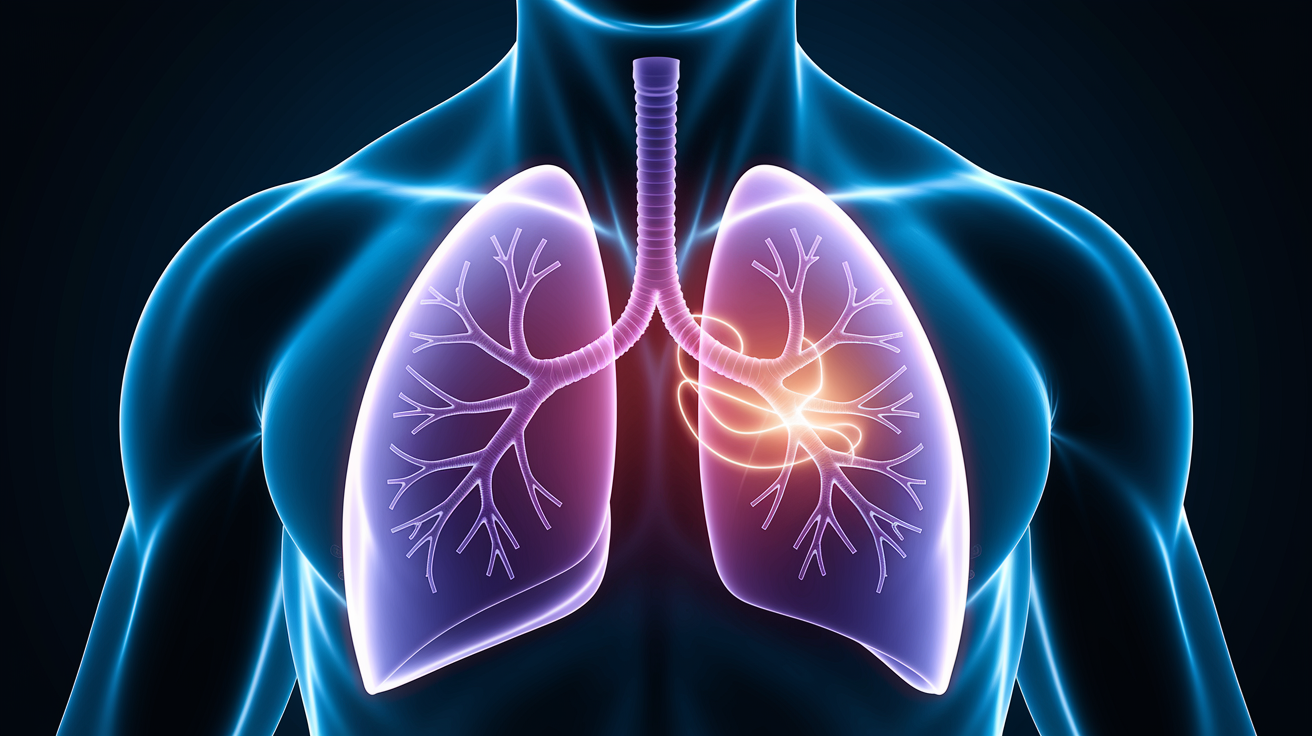
Several lung and chest lining conditions produce sharp, stabbing chest pain that gets worse with breathing or coughing. These causes range from life threatening to self limited, so recognizing the pattern matters.
Pulmonary embolism, a blood clot blocking an artery in the lung, is a medical emergency. It typically causes sudden, sharp pleuritic chest pain. That’s pain that gets worse when you take a deep breath. It’s almost always accompanied by significant shortness of breath, and in severe cases can lead to fainting or collapse. Risk factors include recent surgery, prolonged immobility, cancer, pregnancy, or a history of blood clots. Pneumothorax, or collapsed lung, produces sudden unilateral sharp chest pain on one side, often without an obvious trigger. Though it can follow trauma or occur spontaneously in tall, thin young adults or people with underlying lung disease.
Pleurisy, inflammation of the pleura (the lining around the lungs), causes sharp pain that’s clearly tied to breathing or movement. The pain may follow a viral or bacterial infection, or it can signal an underlying condition like pneumonia, rheumatoid disease, or even a pulmonary embolism. Chest infections including pneumonia, bronchitis, or viral pleurisy can all produce sharp chest pain along with cough, fever, colored sputum, or general malaise. The pain is usually localized and worsens with coughing or deep inspiration.
Key differentiating features for lung related chest pain:
Pain that gets sharply worse with deep breathing or coughing
Sudden onset with significant shortness of breath or low oxygen signs (bluish lips, confusion)
One sided chest pain, especially if it started abruptly
Fever, productive cough, or recent respiratory illness
Musculoskeletal and Chest Wall Sources of Sharp Chest Pain
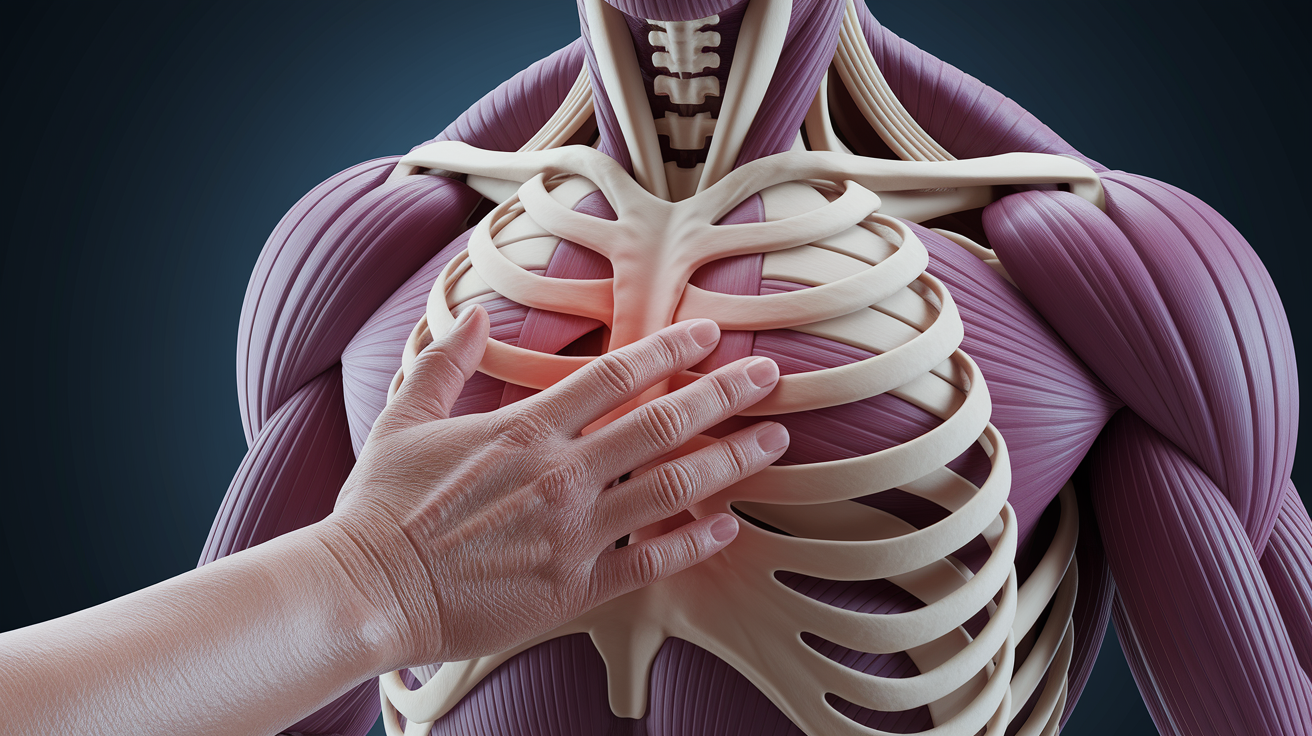
Pain coming from the muscles, cartilage, or bones of the chest wall is one of the most common noncardiac causes of sharp chest discomfort. These conditions can be quite painful but are generally not dangerous.
Costochondritis is inflammation of the cartilage where the ribs attach to the breastbone. It produces sharp, localized pain that’s reproducible when you press on the affected area or move your upper body in certain ways. It often follows strenuous upper body exercise, heavy lifting, or repeated coughing. Intercostal muscle strain, injury to the muscles between the ribs, causes similar sharp pain that worsens with movement, twisting, or deep breathing. You might recall a specific incident of overexertion, like moving furniture or an intense gym session.
Rib fractures, whether from direct trauma or spontaneous fractures in people with osteoporosis or chronic coughing, produce sharp, severe pain at the injury site. The pain is worse with any movement, breathing deeply, coughing, or lying on the affected side. Broken or bruised ribs typically heal on their own over about three to six weeks, though the pain can be significant in the meantime.
Common triggers for musculoskeletal chest pain:
Heavy lifting, push ups, bench press, or other strenuous chest workouts
Prolonged coughing from illness or chronic lung conditions
Direct trauma to the chest (falls, sports injuries, motor vehicle accidents)
Digestive System Causes of Sudden Sharp Chest Pain
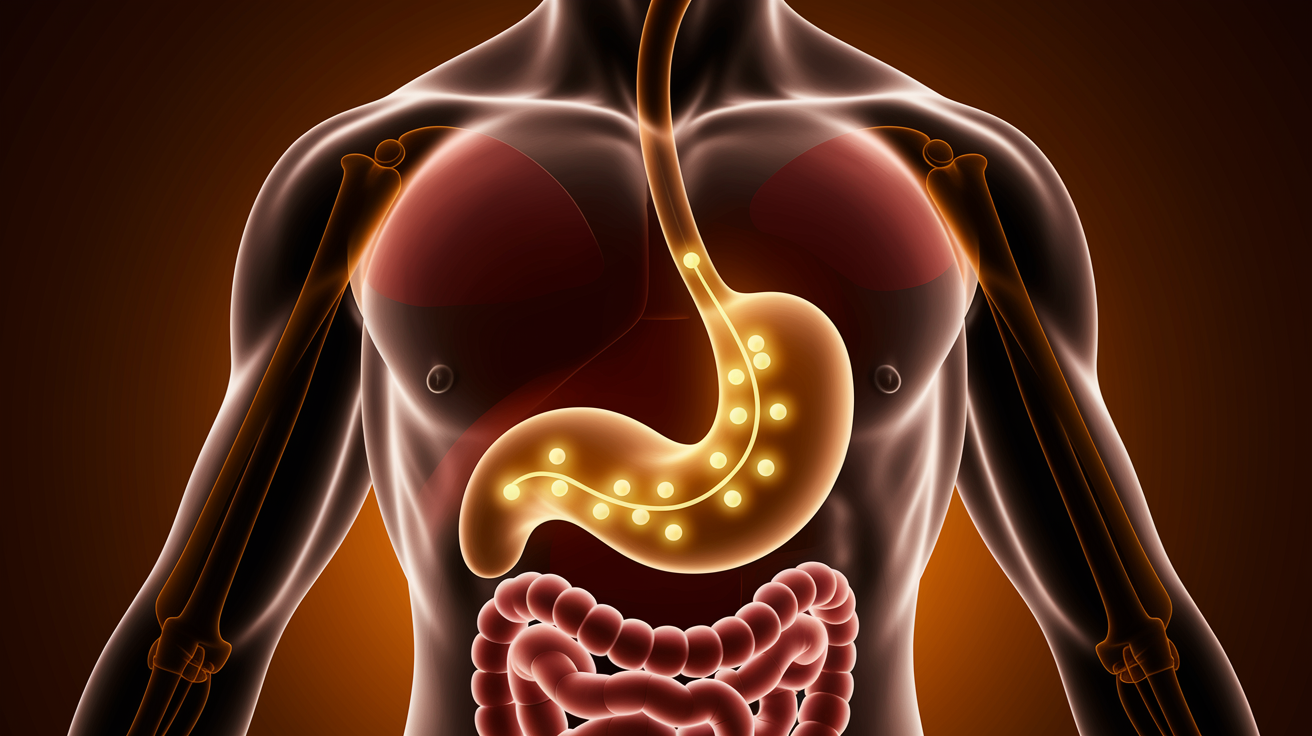
Several gastrointestinal conditions can produce chest pain that’s sharp, burning, or pressure like. They’re often mistaken for heart problems because the esophagus and stomach sit close to the heart.
Gastroesophageal reflux disease or acid reflux is responsible for roughly 30% of chest pain visits to the emergency department. The pain is usually a burning sensation in the center of the chest (heartburn), but it can feel sharp or stabbing, especially when stomach acid irritates the esophagus. GERD pain often gets worse after eating large, fatty, spicy, or acidic meals, drinking alcohol or caffeine, or lying down soon after eating. Many people notice quick improvement with over the counter antacids. Esophageal spasm, an abnormal contraction of the esophagus, can cause sudden, intense sharp chest pain that mimics a heart attack. The pain may occur when swallowing or spontaneously, and it can last from seconds to minutes.
Gallbladder disease, particularly gallstones or cholecystitis (gallbladder inflammation), typically causes pain in the right upper abdomen. But that pain can radiate up into the chest, especially after eating a heavy or fatty meal. The discomfort is often described as sharp or cramping and may be accompanied by nausea, vomiting, or bloating. Other digestive causes including gastritis, peptic ulcers, and pancreatitis can also refer pain to the chest, though they more commonly produce upper abdominal symptoms.
Panic Attack and Anxiety Linked Sharp Chest Pain
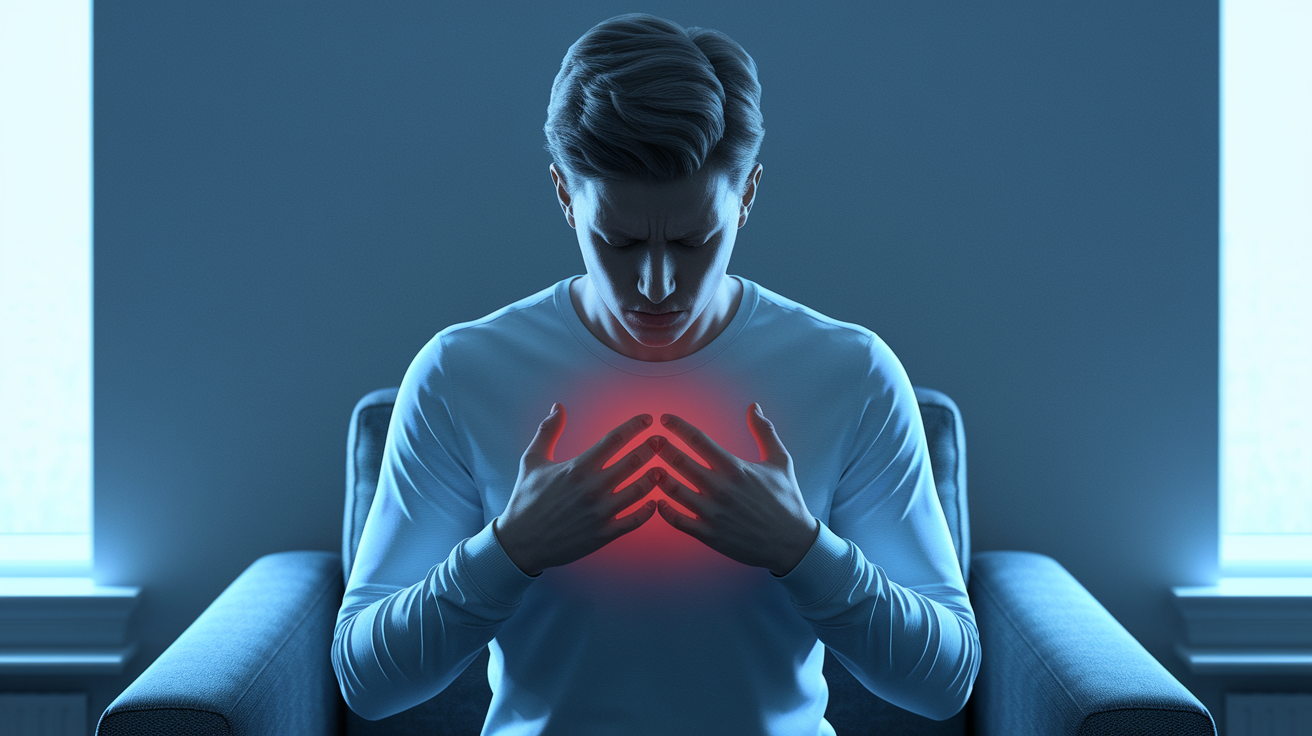
Panic attacks and severe anxiety can produce chest pain that feels remarkably similar to a heart attack. Which understandably makes the situation even more frightening.
During a panic attack, you might experience sudden sharp chest tightness or pain, along with a racing or pounding heart, shortness of breath or a choking sensation, dizziness, trembling, numbness or tingling, sweating, chills or hot flashes, nausea, and an overwhelming sense of doom or fear of dying. These episodes typically peak within about ten minutes and then gradually subside. The chest pain is real. It’s often caused by rapid breathing (hyperventilation), muscle tension, or heightened awareness of normal heartbeat sensations. But it’s not caused by a blockage in your coronary arteries or damage to your heart muscle.
That said, because panic attack symptoms overlap so closely with heart attack symptoms, it’s important to get evaluated. Especially if it’s your first episode or if you have cardiac risk factors. Once serious causes have been ruled out, treatment can focus on anxiety management, therapy, stress reduction techniques like deep breathing or grounding exercises, and sometimes anti anxiety medication.
Common triggers for anxiety related chest pain:
High stress situations or major life changes
Caffeine, stimulants, or recreational drugs
Sleep deprivation or exhaustion
How to Tell Dangerous Chest Pain from Non Dangerous Causes
Distinguishing life threatening chest pain from benign causes based on symptoms alone is imperfect. But certain patterns can help guide your decision about how urgently to seek care.
| Cause Category | Typical Features | Triggers |
|---|---|---|
| Cardiac | Pressure, heaviness, or squeezing; may radiate to arm, jaw, neck, or back; accompanied by sweating, nausea, shortness of breath; lasts minutes to hours | Physical exertion, emotional stress, or at rest (unstable angina/heart attack) |
| Pulmonary | Sharp, stabbing pain that worsens with deep breaths or coughing; sudden onset; often with significant shortness of breath | Spontaneous (pneumothorax), after travel or surgery (PE), or with respiratory infection |
| Gastrointestinal | Burning or sharp central chest pain; worse after meals or lying down; may improve with antacids | Large, fatty, spicy meals; alcohol; caffeine; lying flat soon after eating |
| Musculoskeletal | Sharp, localized pain reproducible with touch or movement; worsens with coughing, twisting, or deep breathing | Heavy lifting, strenuous exercise, trauma, prolonged coughing |
| Anxiety | Chest tightness with palpitations, hyperventilation, dizziness, sense of dread; episodes peak and resolve within minutes | Stressful events, stimulants, sleep deprivation |
Keep in mind that pericarditis (inflammation of the sac around the heart) can produce sharp chest pain that improves when you sit up and lean forward, but worsens when lying flat or taking deep breaths. This is a cardiac condition that requires medical attention, even though the pain quality differs from typical heart attack pain. Self assessment has real limitations. Symptoms can overlap, people experience pain differently, and some dangerous conditions present atypically. When in doubt, err on the side of getting evaluated.
Emergency Warning Signs Requiring Immediate Care
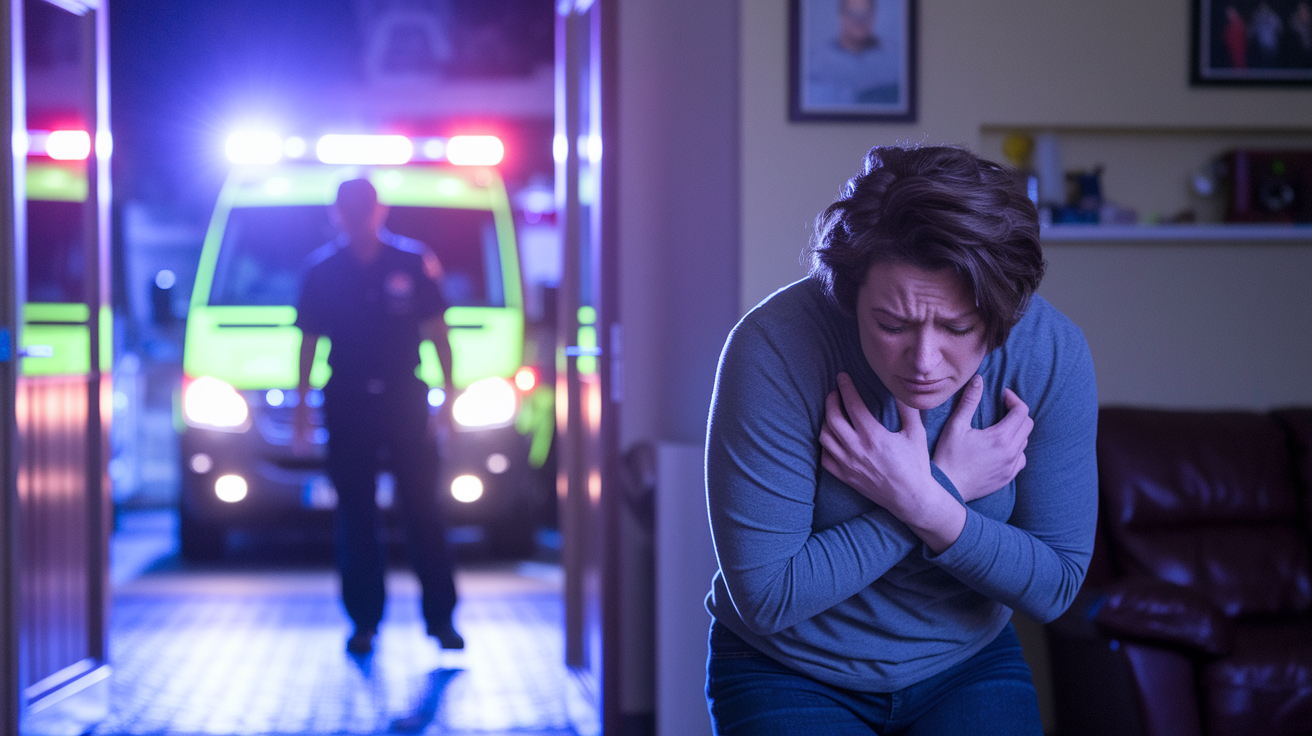
Certain symptoms mean you should call 911 or your local emergency number immediately rather than waiting to see if the pain improves or scheduling a doctor’s appointment.
Get emergency care right away if your chest pain includes any of these red flags:
Severe, persistent, or worsening chest pain or pressure
Pain radiating to your left arm, jaw, neck, back, or upper abdomen
Shortness of breath or difficulty breathing
Cold sweats, clammy skin
Nausea or vomiting
Sudden dizziness, lightheadedness, or fainting
Sudden severe tearing or ripping pain that extends from chest to back
Sudden collapse or loss of consciousness
If you have a known history of angina and you’re following a nitroglycerin protocol, the standard guidance is to take one dose, wait five minutes, and if there’s no relief take a second dose. If you still have no relief five minutes after the second dose, call emergency services immediately. This could be a heart attack rather than routine angina. Even if you’re young and otherwise healthy, new chest pain with any of the features listed above warrants urgent evaluation. Time matters, especially with heart attacks, aortic dissection, and pulmonary embolism, where early treatment significantly improves outcomes.
What Happens During Medical Evaluation for Sudden Sharp Chest Pain
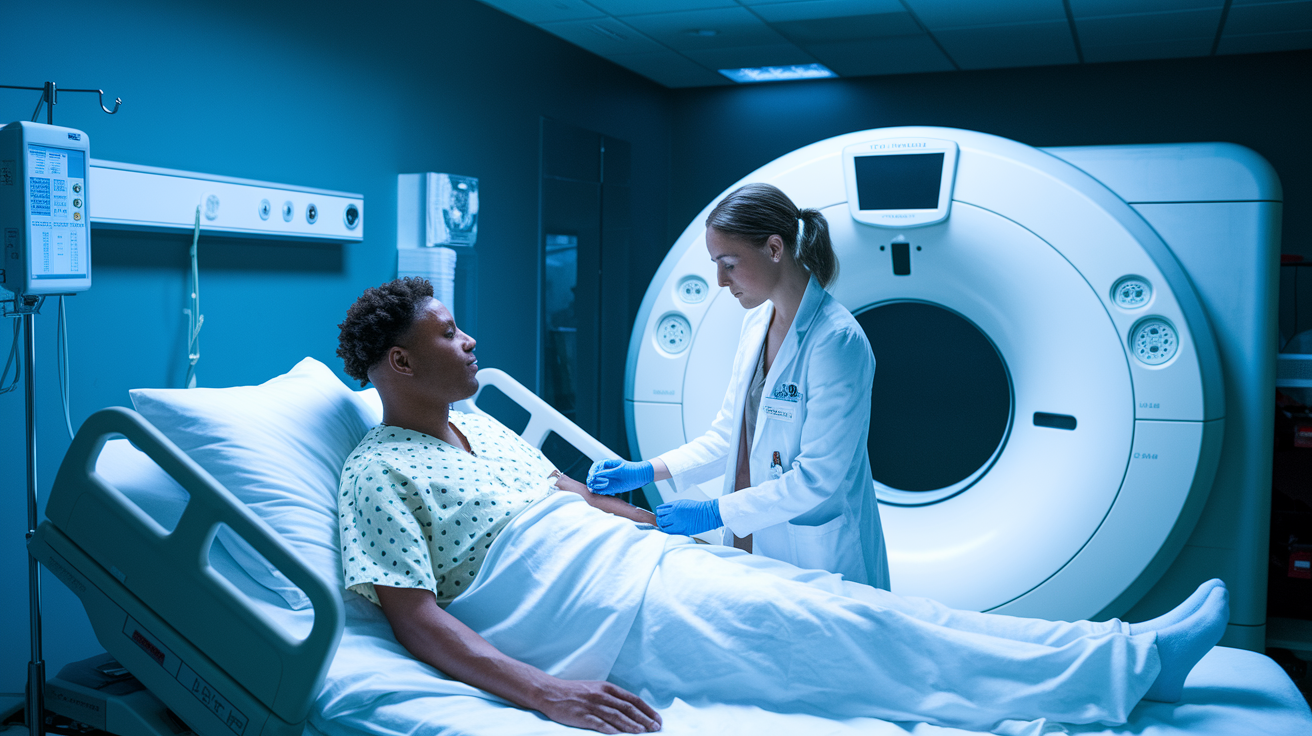
When you get medical care for chest pain, the clinical team will move quickly to rule out the most dangerous causes. The evaluation usually starts with a focused history and physical exam, followed by objective testing.
An electrocardiogram (ECG or EKG) is typically the first test performed. It records your heart’s electrical activity and can identify signs of a heart attack, abnormal rhythms, or other cardiac conditions within minutes. Blood tests for cardiac biomarkers, especially troponin, help detect heart muscle damage. Troponin levels rise within hours of a heart attack and are highly sensitive and specific. A chest X ray can show pneumonia, pneumothorax, rib fractures, or signs of heart failure. If pulmonary embolism is suspected, a CT angiography of the chest (with contrast dye) can visualize blood clots in the lung arteries. An echocardiogram (ultrasound of the heart) may be ordered to assess heart structure, valve function, and pumping efficiency, especially if pericarditis or structural problems are suspected.
Your care team will also check vital signs, including your heart rate (normal resting heart rate is 60 to 100 beats per minute; tachycardia is defined as a resting rate above 100 bpm, and symptomatic bradycardia is below 60 bpm), blood pressure, oxygen saturation, and respiratory rate. They’ll ask detailed questions to help narrow the diagnosis:
When did the pain start, and how long has it lasted?
What does the pain feel like? Sharp, dull, burning, pressure, stabbing?
Where exactly is the pain, and does it radiate anywhere?
What were you doing when it started?
What makes it better or worse (movement, breathing, eating, rest)?
Have you had any other symptoms like shortness of breath, sweating, nausea, dizziness, fever, cough?
Do you have any cardiac risk factors or a history of heart disease, blood clots, or lung problems?
The combination of your symptom description, physical exam findings, and test results guides the next steps in care or the decision to discharge you with follow up instructions.
Care Options, Treatment, and Safe Next Steps After a Chest Pain Episode

Treatment for sudden sharp chest pain depends entirely on the underlying cause. If a heart attack is confirmed, treatment may include clot dissolving medications (thrombolytics), antiplatelet drugs like aspirin and clopidogrel, anticoagulants, and procedures such as coronary angioplasty with stent placement to restore blood flow to the heart muscle. Pulmonary embolism requires anticoagulation therapy, blood thinners to prevent the clot from growing and to reduce the risk of future clots. In severe cases, clot busting drugs or surgical clot removal may be necessary. Pneumothorax treatment ranges from observation for small collapses to chest tube insertion for larger ones.
Musculoskeletal chest pain usually improves with rest, over the counter nonsteroidal anti inflammatory drugs (NSAIDs) like ibuprofen, and sometimes ice or heat application. Rib fractures are managed conservatively with pain control and breathing exercises to prevent pneumonia. GERD and acid reflux respond to lifestyle changes (smaller meals, avoiding late night eating, reducing alcohol and caffeine, elevating the head of the bed), over the counter antacids, and prescription medications like H2 blockers (famotidine) or proton pump inhibitors (omeprazole). Anxiety related chest pain improves with calming techniques, therapy, and, when appropriate, anti anxiety medication.
Long term prevention strategies to reduce your risk of heart related chest pain:
Quit smoking and avoid secondhand smoke
Exercise regularly (aim for at least 150 minutes of moderate activity per week)
Eat a balanced diet rich in fruits, vegetables, whole grains, and lean protein
Maintain a moderate weight and manage chronic conditions like diabetes, high blood pressure, and high cholesterol
Final Words
When you feel sudden sharp pain in your chest, think heart, lung, chest wall, digestive tract, or anxiety. Most causes are not life-threatening, but a few need immediate care.
If you have shortness of breath, fainting, sweating, nausea, or pain that spreads to your arm, jaw, or back, call emergency services right away. Otherwise, note when it started, what makes it better or worse, and see your primary clinician or urgent care.
Bring a short history and ask “what causes sudden sharp pain in chest” so testing can focus quickly. You’ll get clearer answers and a safe plan to feel better.
FAQ
Q: Why did I get a random sharp pain in my chest?
A: A random sharp pain in your chest can come from heart, lung, muscle, digestive, or anxiety causes. Most often it’s musculoskeletal or reflux, but sudden breathlessness, fainting, sweating, or radiation needs urgent evaluation.
Q: When should I worry about stabbing chest pain?
A: You should worry about stabbing chest pain if it lasts more than a few minutes, radiates to arm/jaw/back, causes severe breathlessness, fainting, cold sweat, nausea, or sudden weakness, and you should seek emergency care.
Q: What is a pre-heart attack?
A: A pre-heart attack is often described as unstable angina, chest pain from reduced blood flow that signals a high short-term risk of a heart attack and needs urgent medical evaluation.
Q: What is a mini heart attack?
A: A mini heart attack is a small myocardial infarction where part of the heart muscle is injured; it’s diagnosed with ECG and blood tests and requires prompt medical treatment and follow-up.