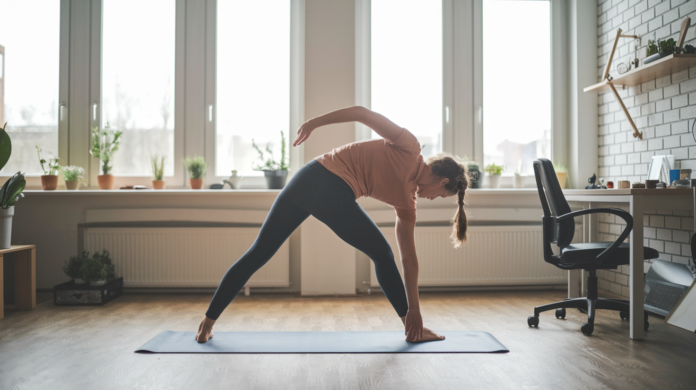

Think resting and waiting will fix lower back pain?
Not usually. Small, smart moves often stop a flare faster than bed rest.
In this post you’ll get quick steps you can use now (ice then heat, short walks, simple stretches), daily habits that stop pain coming back, safe strengthening moves, sleep and posture fixes, over-the-counter options, and clear warning signs that mean you should see a clinician.
Read on to find practical, proven actions that can ease pain in hours or reduce flare-ups over weeks.
Fast Relief Techniques for Lower Back Pain You Can Start Now
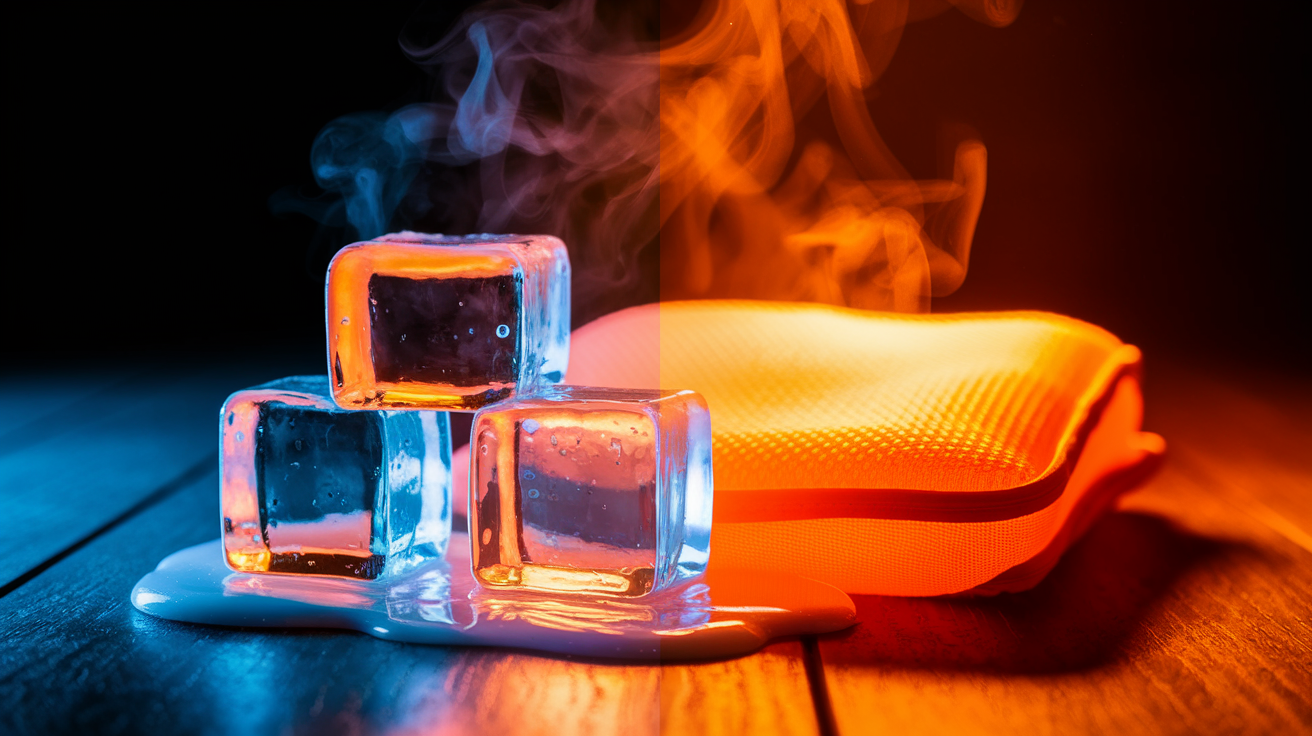
When a pain flare hits, ice first. It quiets the immediate inflammatory response by narrowing blood vessels and slowing swelling. Give it 15 to 20 minutes to numb the area before you add anything else. After that initial cold session, switch to heat. Heat increases soft tissue flexibility and speeds muscle movement. This ice then heat sequence calms irritation and prepares tight muscles to move more freely.
Poor sitting posture loads your discs more than standing does. Stand up and walk around every hour or so. Even a two minute lap around the room resets spinal pressure and interrupts the cycle of stiffness. Place a pillow under your knees when lying on your back, or between your knees when lying on your side, to keep your spine in a more neutral position overnight. Small adjustments like these shift pressure away from irritated structures and often bring noticeable relief within a day or two.
Correct sitting posture means keeping feet flat, shoulders back, and low back supported by a small cushion or the chair’s lumbar curve. Apply ice for 15 to 20 minutes, wait an hour, then use a heating pad for 15 to 20 minutes. A few minutes of slow, steady walking can ease muscle guarding without aggravating nerve symptoms. Adjust sleep posture with a pillow under knees (supine) or between knees (side lying) to reduce nighttime spinal pressure. A couple of minutes of gentle hamstring or hip flexor lengthening can reduce tightness that stresses the spine. Temporary support options like a back brace or supportive footwear with cushioning and arch support can offload irritated areas during flares.
Immediate relief should be paired with monitoring. If pain worsens over a day or two, or if you notice new numbness or weakness, that’s the signal to check in with a clinician rather than waiting it out.
Stretches for Lower Back Pain to Reduce Tightness and Increase Mobility
Tight muscles surrounding the spine pull and compress joints, discs, and nerves. Daily stretching loosens that grip, redistributes load, and often reduces pain faster than rest alone. A few well chosen stretches, held for 5 to 30 seconds and repeated once or twice a day, can shift you from guarded, shallow movement back to a functional range.
Hamstring Mobility for Lumbar Relief
Hamstrings attach to the pelvis. When they’re tight they tilt the pelvis backward and flatten the natural lumbar curve. Lie on your back with both knees bent, bring one knee over your hip, hold behind the thigh, and slowly straighten that knee until you feel a gentle stretch along the back of the leg. Hold the stretch for 5 seconds, then bend and repeat. Do 10 repetitions on each side. This short hold, high repetition approach warms the tissue gradually and trains the muscle to lengthen without triggering protective spasm.
Hip Flexor Lengthening for Spine Pressure Reduction
Hip flexors live on the front of the hip and lower spine. When shortened by prolonged sitting, they pull the lumbar spine into extension and compress the lower facet joints. Lie on your back near the edge of a bed, pull one knee to your chest, and let the opposite leg dangle off the edge so gravity lengthens the front of that hip. Hold the stretch for 10 to 30 seconds and repeat twice daily. This position gently opens the hip flexor and psoas without asking you to balance or bear weight.
Forward Bends and Neutral Stretches
Forward bending (sitting with feet flat and hinging at the hips to reach toward the floor) can relieve spinal stenosis by opening the back of the spinal canal. Hold the stretch for 5 seconds and repeat 10 times. If you have a herniated disc, avoid repeated or deep forward flexion. It increases pressure inside the disc and can worsen nerve compression. In that case, gentle backward leaning or neutral spine stretches (like single knee to chest with the other knee bent) are safer. Single knee to chest is done by lying on your back, engaging your abdominal muscles, and drawing one knee toward your chest while keeping the other foot flat on the floor. Hold 30 seconds and repeat twice daily on each side.
| Stretch Type | Ideal Use Case |
|---|---|
| Forward flexion (seated toe reach, knee to chest) | Spinal stenosis, generalized stiffness; avoid if herniated disc is suspected |
| Extension (press up on elbows, standing back bend) | Herniated or bulging disc with nerve symptoms; reduces anterior disc pressure |
Strengthening Exercises to Support the Low Back and Prevent Recurrence
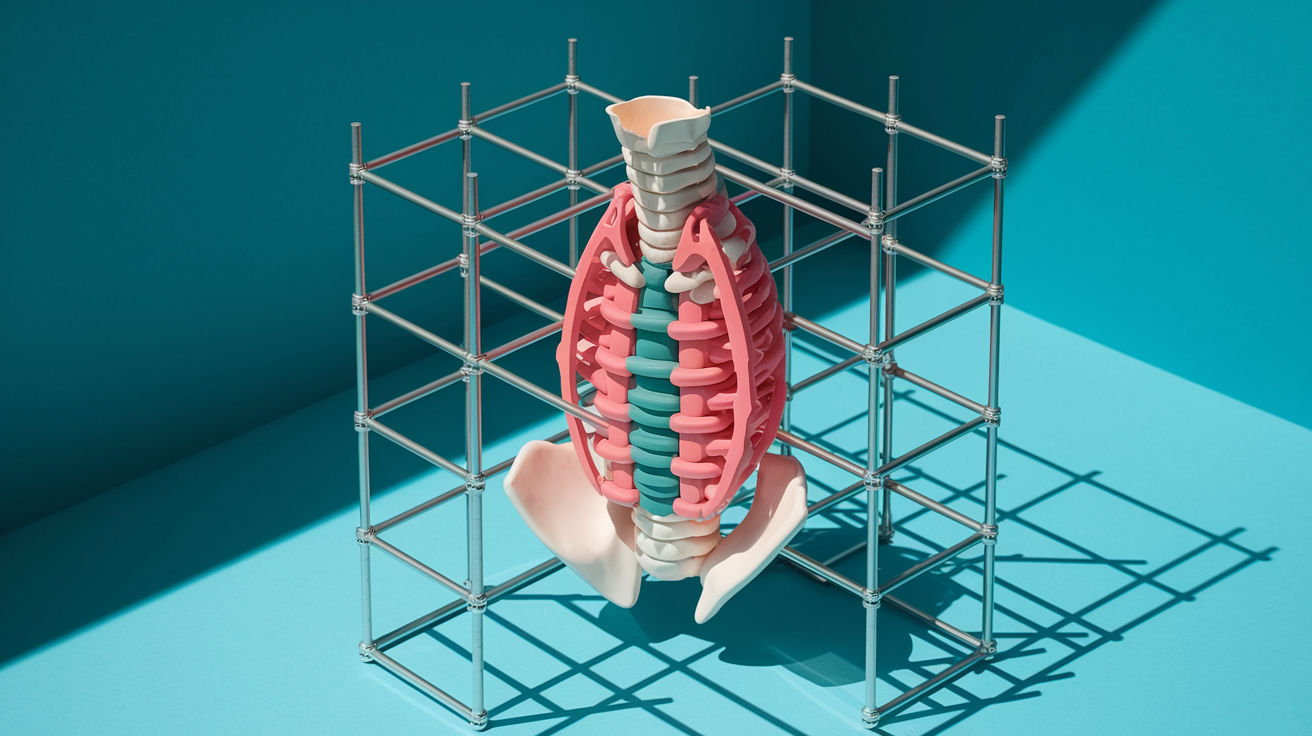
Stretching opens space, but strengthening holds that space stable. When muscles around the spine (especially the deep core and glutes) contract efficiently, they offload discs, ligaments, and joints. A few minutes of targeted strengthening each day builds a protective scaffold that reduces the chance of another flare.
The transverse abdominis, multifidus, and erector spinae run along or wrap around the spine. The glutes and hip external rotators control pelvic position. When these groups fire in coordination, the lumbar spine stays in a safe, neutral zone during lifting, bending, and twisting. Weakness or delayed activation in any one group shifts extra load onto passive structures (discs, ligaments, facet joints) that weren’t designed to carry it alone.
Partial curl up or dead bug means lying on your back, engaging your abdominals to flatten your low back gently into the floor, and holding for 5 to 10 seconds. Repeat 10 times daily. Glute bridge involves lying on your back with knees bent, squeezing your glutes, and lifting your hips until your body forms a straight line from shoulders to knees. Hold 5 seconds and repeat 10 times. Bird dog is done on hands and knees by extending one arm forward and the opposite leg back while keeping your spine neutral. Hold 5 seconds, switch sides, and repeat 10 times per side. Side plank or modified side plank requires propping on one forearm and the side of one foot (or both knees for a modified version), holding your body in a straight line for 10 to 30 seconds, and repeating twice on each side.
Start with short holds and modest repetition counts. Progress by adding seconds, reps, or resistance only when you can complete the current dose without pain. If symptoms flare during or after an exercise, drop back to an easier variation or check your technique with a physical therapist. Strengthening is most effective (and safest) when it’s paired with stretching and guided by someone who can watch your movement patterns and correct compensations before they become habits.
Posture and Daily Mechanics to Reduce Lower Back Pain Triggers
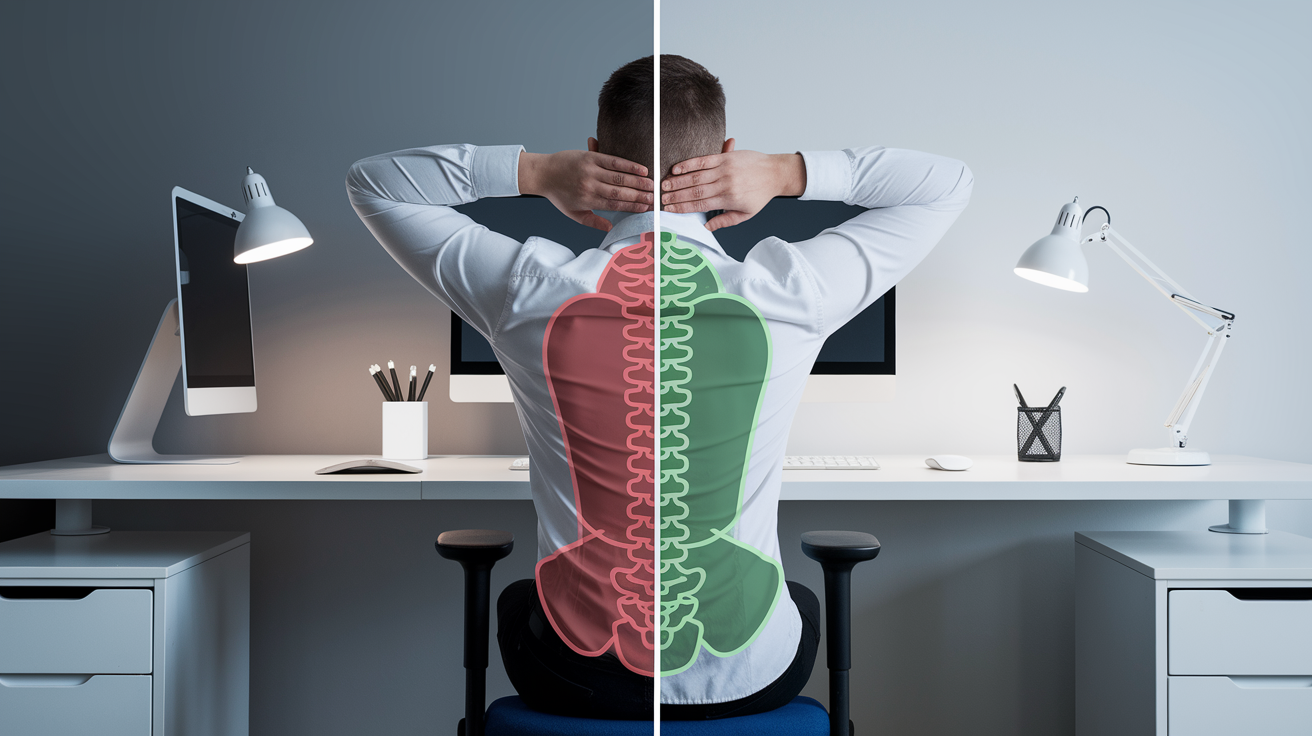
Sitting with a rounded low back can load your discs with more pressure than standing does, especially when you stay in that position for an hour or more. Adjusting your chair height so your feet rest flat and your hips sit level with or slightly above your knees keeps your pelvis neutral and reduces anterior disc shear. A small lumbar cushion or rolled towel placed at belt level fills the gap between your low back and the chair, reminding your spine to maintain its natural curve.
Lifting form matters. Squat down, engage your legs, hold the object close to your chest, and stand by pushing through your heels. Never twist while lifting. Adjust chair height so your knees bend at roughly 90 degrees and your feet rest flat on the floor or a footrest. Stand up, walk, or perform a gentle stretch every 60 minutes during desk work. Even 3 to 5 minutes resets spinal load. Hinge at the hips with a neutral spine rather than rounding forward from the low back when picking something up from the floor. If you use a standing desk, shift weight from foot to foot, place one foot on a low step or box, and alternate standing with sitting every 30 to 60 minutes to avoid static load.
Micro breaks (standing for 30 seconds, rolling your shoulders, taking three deep breaths) feel minor but break up the cumulative stress that builds in one position. Posture resets become automatic when you pair them with an existing habit, like standing every time you finish a phone call or walking to refill your water bottle once an hour.
Sleep Adjustments That Reduce Lower Back Pain Overnight

Lying flat on your back without support lets your lumbar spine extend and your pelvis tilt forward, compressing the facet joints and stretching the front of the discs. Placing a pillow under your knees reduces that extension and keeps the spine closer to neutral. Side sleepers should slide a pillow between the knees to prevent the top leg from pulling the pelvis into rotation and straining the lower lumbar joints.
Back sleepers benefit from a pillow under knees to reduce lumbar extension and facet joint compression. Side sleepers need a pillow between knees to keep pelvis level and reduce rotational strain on the lumbar spine. Stomach sleepers should know this position forces the neck into rotation and increases lumbar extension. If you can’t avoid it, place a thin pillow under your hips to reduce the arch in your low back.
A firmer mattress supports spinal alignment by preventing your hips from sinking too far below your shoulders. That doesn’t mean hard as a board. Medium firm is often the sweet spot that cushions bony prominences while keeping the spine in a neutral plane. If you wake with morning stiffness that improves after moving around for 10 or 15 minutes, your sleep surface or pillow placement may be part of the problem.
Over the Counter Medication Options for Temporary Lower Back Pain Relief
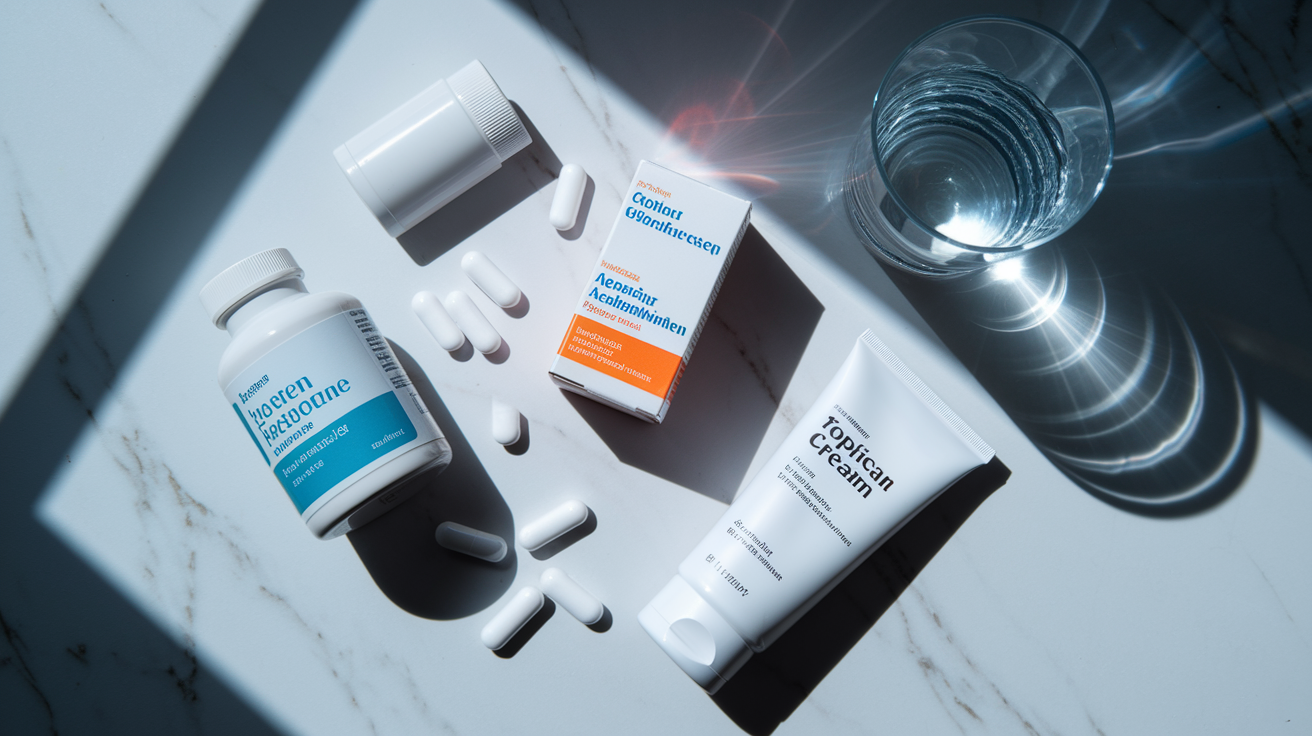
Nonsteroidal anti inflammatory drugs (ibuprofen and naproxen) reduce inflammation by blocking enzymes that produce prostaglandins, the chemicals that trigger swelling and sensitize pain receptors. Acetaminophen reduces the perception of pain but does not address inflammation, so it’s a reasonable choice when inflammation is minimal or when NSAIDs irritate your stomach. Read the label for maximum daily doses and check with a pharmacist or clinician if you take other medications, because NSAIDs can interact with blood thinners, blood pressure drugs, and certain kidney medications.
Topical analgesics (creams, gels, or patches containing menthol, capsaicin, or topical NSAIDs) offer mild local relief by creating a cooling or warming sensation that distracts from pain signals or by delivering anti inflammatory medication through the skin. They’re generally safe for short term use and produce fewer stomach or kidney side effects than oral NSAIDs, but they work best for surface muscle soreness rather than deep joint or nerve pain.
Use OTC medications as a bridge, not a long term solution. If you’re reaching for the bottle daily for more than a week or two, that’s a sign to assess whether the underlying problem needs different treatment. Avoid combining multiple NSAIDs or exceeding recommended doses, and don’t use these medications to mask worsening symptoms. If pain is severe or spreading, see a clinician rather than self medicating.
Warning Signs That Mean Your Lower Back Pain Needs Urgent Evaluation

Most lower back pain improves with time and basic home care, but a small percentage signals nerve compression, infection, fracture, or other conditions that can worsen rapidly without treatment. Warning signs are clinical shorthand for “stop waiting and get evaluated now,” because delayed care in these cases can lead to permanent nerve damage or other serious harm.
Progressive leg weakness or foot drop (difficulty lifting your foot or toes, or a leg that feels weaker each day) suggests nerve compression that may need urgent imaging and intervention. Loss of bowel or bladder control (new inability to control urination or defecation, or numbness in the saddle area like inner thighs, buttocks, genitals) indicates cauda equina syndrome, a surgical emergency. Severe or rapidly worsening pain that becomes unbearable despite rest and medication, or that wakes you from sleep and doesn’t ease with position changes, warrants prompt evaluation. Fever, unexplained weight loss, or history of cancer can indicate infection (such as spinal abscess or discitis) or metastatic disease affecting the spine.
If you don’t have those urgent signs but your pain persists beyond a few weeks, isn’t improving with home care, or is accompanied by persistent numbness, tingling, or mild weakness, call your primary care clinician. Early evaluation can prevent a manageable problem from becoming a chronic one, and it allows you to start targeted treatment (physical therapy, imaging, or specialist referral) before compensatory patterns take hold.
Sciatica and Nerve Related Lower Back Pain: What Helps and What to Avoid
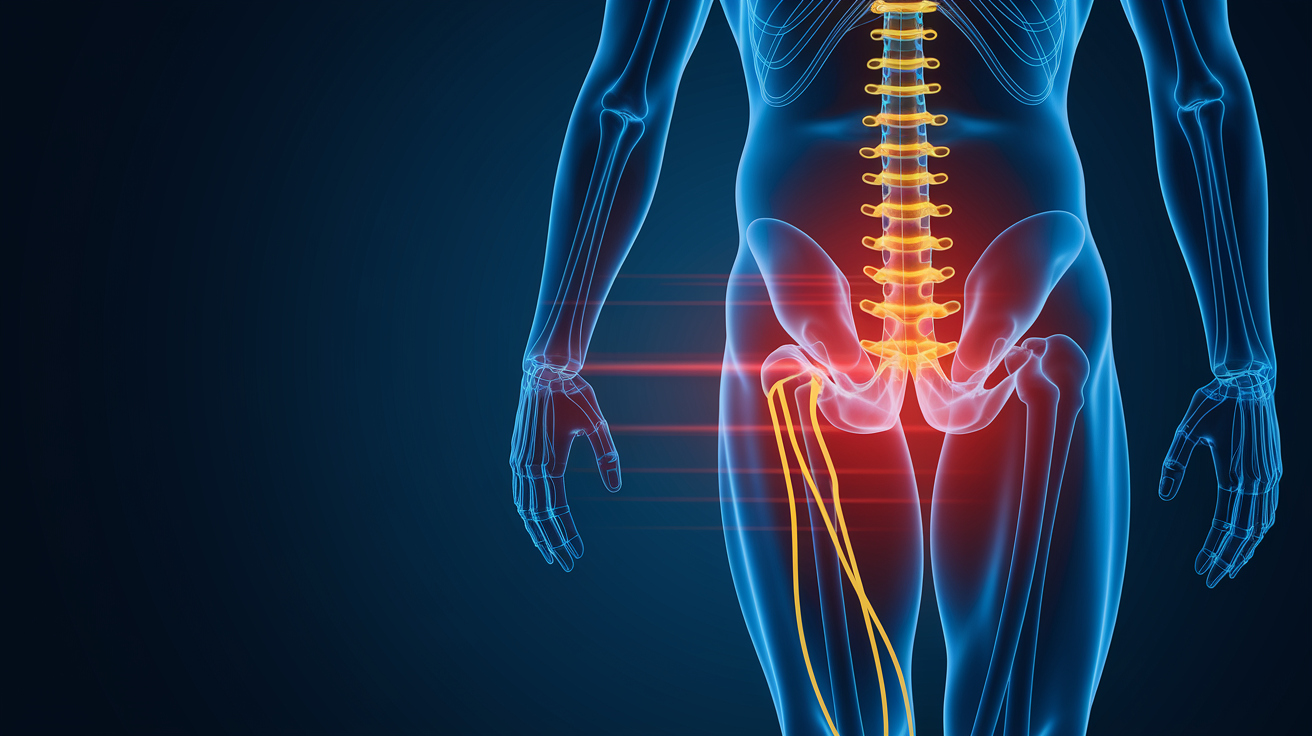
Sciatica describes pain that follows the path of the sciatic nerve (from the low back through the buttock and down the back or side of the leg, sometimes reaching the foot). It’s usually caused by a herniated disc, bone spur, or spinal stenosis pressing on a nerve root. You might feel sharp, shooting pain, burning, tingling, or numbness, and the pain often worsens with sitting, coughing, or sneezing because those actions increase pressure inside the spinal canal.
Safe at home strategies focus on reducing nerve irritation. Break up prolonged sitting by standing and walking for a few minutes every hour. Gentle extension exercises, like lying on your stomach and pressing up onto your forearms (hold 10 seconds, repeat 10 times), can shift disc material away from the nerve root in some cases. Single knee to chest stretches with the opposite leg extended can open space around the nerve without forcing deep flexion. Heat on the buttock and back of the thigh may relax muscles that are guarding around the nerve.
Avoid repeated or deep forward bending. Touching your toes or sitting slumped forward can increase disc pressure and worsen nerve symptoms. Stop any stretch or movement that increases leg pain or numbness. If a stretch makes the leg symptoms sharper or more widespread, that’s a sign it’s irritating the nerve rather than helping it. Don’t ignore progressive weakness. If your leg feels weaker each day, or if you develop foot drop, seek evaluation promptly. Limit prolonged sitting since sitting increases intradiscal pressure. Stand, walk, or lie down instead during flares.
If sciatica persists beyond a few weeks, or if it’s severe enough to limit walking or daily function, imaging (usually an MRI) can locate the compression and guide treatment. Most cases improve with time, physical therapy, and activity modification, but a small percentage need epidural steroid injections or surgery to relieve the pressure.
Professional Treatment Options if Home Care Isn’t Enough

Physical therapy is the first structured recovery option for persistent or recurrent lower back pain. A physical therapist evaluates your movement patterns, identifies weak or tight areas, and designs a progressive program of stretching, strengthening, manual therapy, and functional retraining. PT improves flexibility, range of motion, strength, and posture, and it teaches you how to move safely during work, exercise, and daily tasks. Most people attend one to three sessions per week for four to eight weeks, with a home exercise program to continue between visits.
Chiropractic care uses spinal manipulation to improve joint mobility and reduce pain. Many people find short term relief, especially for mechanical low back pain without nerve involvement. Acupuncture (insertion of fine needles at specific points) has modest evidence for reducing chronic low back pain and may help when combined with other treatments. Both are generally safe when performed by licensed practitioners, but avoid spinal manipulation if you have osteoporosis, nerve compression, or inflammatory arthritis, and talk to your primary clinician if you’re considering either alongside other treatments.
Epidural steroid injections involve a corticosteroid injected into the space around spinal nerve roots to reduce inflammation and pain. Often used for herniated discs or stenosis when symptoms persist despite therapy. Minimally invasive procedures like radiofrequency ablation (burning sensory nerves in facet joints) or percutaneous disc decompression can provide relief for select patients with localized pain generators. Surgical repair for severe structural or neurologic issues (discectomy, laminectomy, spinal fusion) is reserved for cases with significant nerve compression, progressive weakness, or debilitating pain that hasn’t improved with months of conservative care.
Imaging (X ray, MRI, or CT) is recommended when warning symptoms are present, when pain persists beyond six weeks without improvement, or when a clinician suspects a structural problem that might change the treatment plan. Imaging without a clear clinical reason often finds age related changes that aren’t causing symptoms, so it’s used selectively rather than routinely.
If your primary care clinician or physical therapist isn’t seeing progress after a few weeks of structured treatment, or if your symptoms are severe from the start, referral to a spine specialist (orthopedic surgeon, neurosurgeon, or physiatrist) can clarify the diagnosis and outline next step options. Specialist evaluation typically includes a detailed neurologic exam, review of imaging, and discussion of injection or surgical candidacy.
Lifestyle Strategies to Prevent Lower Back Pain From Returning

Long term spinal health depends on daily habits that reduce load, maintain mobility, and support tissue repair. Smoking restricts blood flow to intervertebral discs, accelerates disc degeneration, reduces calcium absorption, and weakens bone, all of which increase fracture and chronic pain risk. Quitting smoking improves oxygen delivery to spinal tissues and slows degenerative changes. Excess body weight tilts the pelvis forward, increases lumbar curvature, and places sustained compressive load on discs and facet joints. Even modest weight loss (5 to 10 percent of body weight) can reduce pain and improve function.
Daily movement like walking, swimming, or cycling most days of the week is helpful. Aim for 20 to 30 minutes of low impact cardiovascular activity to maintain healthy weight and circulation. Work with your clinician to design a realistic weight management plan combining portion control, balanced nutrition, and regular activity. If you have obesity and other health conditions, medications like GLP 1 receptor agonists (Wegovy, Ozempic) may be appropriate to discuss. Use counseling, nicotine replacement, or prescription medications to quit smoking. Every week without smoking improves disc nutrition and bone health. An anti inflammatory diet should emphasize vegetables, fruits, whole grains, fatty fish, nuts, and olive oil while limiting processed foods, added sugars, and red meat to help modulate systemic inflammation. Combine brisk walking or swimming with daily stretching and twice weekly strengthening to keep muscles balanced and joints mobile.
Consistency matters more than intensity. A 10 minute daily walk and a few core exercises beat an aggressive once a week gym session that leaves you sore for days. Build routines around existing anchors (stretch after your morning shower, walk during lunch, do glute bridges before bed) so they become automatic rather than a chore you have to remember.
Tracking Symptoms and Planning Your Recovery More Effectively
A simple pain diary (a notebook or phone app where you jot down daily pain levels, activities, and changes) gives you and your clinician objective data instead of vague recollections. Rate pain on a 0 to 10 scale at the same time each day, note what you were doing when pain spiked or eased, and track sleep quality, medication use, and exercise. Patterns emerge quickly. You might notice that pain is worse on days you skip stretching, or that certain chairs or shoes trigger flares.
Track timing (when did the pain start, and has it been constant or come and go since then?), triggers (what activities, positions, or times of day make it better or worse?), and severity (use the 0 to 10 scale, and note whether the pain interferes with work, sleep, or daily tasks).
Most acute lower back strains (muscle pulls or minor ligament sprains) improve within a few days to two weeks with rest modification, ice, heat, gentle movement, and over the counter medication. If you’re not seeing steady improvement by the two week mark, or if pain is severe from the start, contact your clinician to discuss whether imaging, physical therapy, or other evaluation is appropriate. Persistent or worsening symptoms despite home care often mean there’s a structural or nerve issue that needs targeted treatment, and catching it early prevents compensatory movement patterns and chronic pain.
Final Words
Lower back pain can disrupt your day, but you have a lot of safe, practical options for what to do for lower back pain right now.
Start with ice and heat, adjust your posture, and add gentle stretches and strengthening moves as you feel ready. Track what helps, watch for red flags, and don’t hesitate to reach out to a clinician if things aren’t improving or you’re unsure.
Most episodes get better with consistent, careful self-care. You’re not stuck with this.
FAQ
Q: How do you get rid of lower back pain fast?
A: Getting rid of lower back pain fast means immediate steps: ice 15–20 minutes, then heat once swelling eases; stand and walk briefly, do gentle stretches, fix sitting posture, and consider an OTC pain reliever if safe.
Q: What are the big 3 for lower back pain / What are three causes of lower back pain?
A: The big three causes of lower back pain are muscle or ligament strain, disc problems (hernia or degeneration), and nerve or joint issues like sciatica or facet arthritis.
Q: What treatment is best for lower back pain?
A: The best treatment for lower back pain depends on the cause: start with self-care—controlled activity, ice/heat, short-term OTC meds if safe, targeted stretches and core work; see PT or a clinician if persistent or worsening.