

What if the thing that best predicts how you live isn’t your test results but your symptom burden?
Symptom burden means how bad your symptoms are and how much they get in the way of daily life.
It often shifts faster than broad quality of life scores and can show when treatment should change.
This post explains how symptom burden harms quality of life, outlines practical ways clinicians measure it, and offers simple steps patients, caregivers, and clinicians can use now to track and reduce that burden.
Core Understanding of Symptom Burden in Healthcare Settings

Symptom burden is basically a patient reported measure that adds up two things: how bad your symptoms are (the ones tied most directly to your disease or treatment) and how much those symptoms mess with daily life. We’re talking activity, mood, work, relationships. The whole picture.
Unlike those broad quality of life surveys that try to capture everything about how you’re doing, symptom burden focuses on the immediate stuff. What you’re feeling right now and how it stops you from doing what you want or need to do.
This matters because symptom burden tends to shift faster than overall quality of life when treatment changes or disease gets better or worse. If a treatment cuts your pain or nausea, you might get back to work or sleep through the night before your general well being scores even budge. High symptom burden predicts bad outcomes no matter the condition. More hospital stays, worse function, shorter survival in serious illness.
Symptom burden and quality of life overlap, but they’re not the same thing. Quality of life casts a wide net: physical, psychological, social, functional. Symptom burden sits inside that bigger picture, zeroing in on what’s happening to you today and how it blocks everyday living. That difference helps doctors figure out when symptom focused treatments make sense and when to bring in palliative or supportive care teams early.
Key pieces that drive symptom burden:
- Severity – How intense it feels moment to moment.
- Frequency – How often it shows up (daily, every few days, constant).
- Duration – How long each episode lasts or how long you’ve dealt with it overall.
- Interference – How much it disrupts work, relationships, taking care of yourself, your mood, physical activity.
How Symptom Burden Is Measured: Tools, Scales, and Patient Reported Outcomes
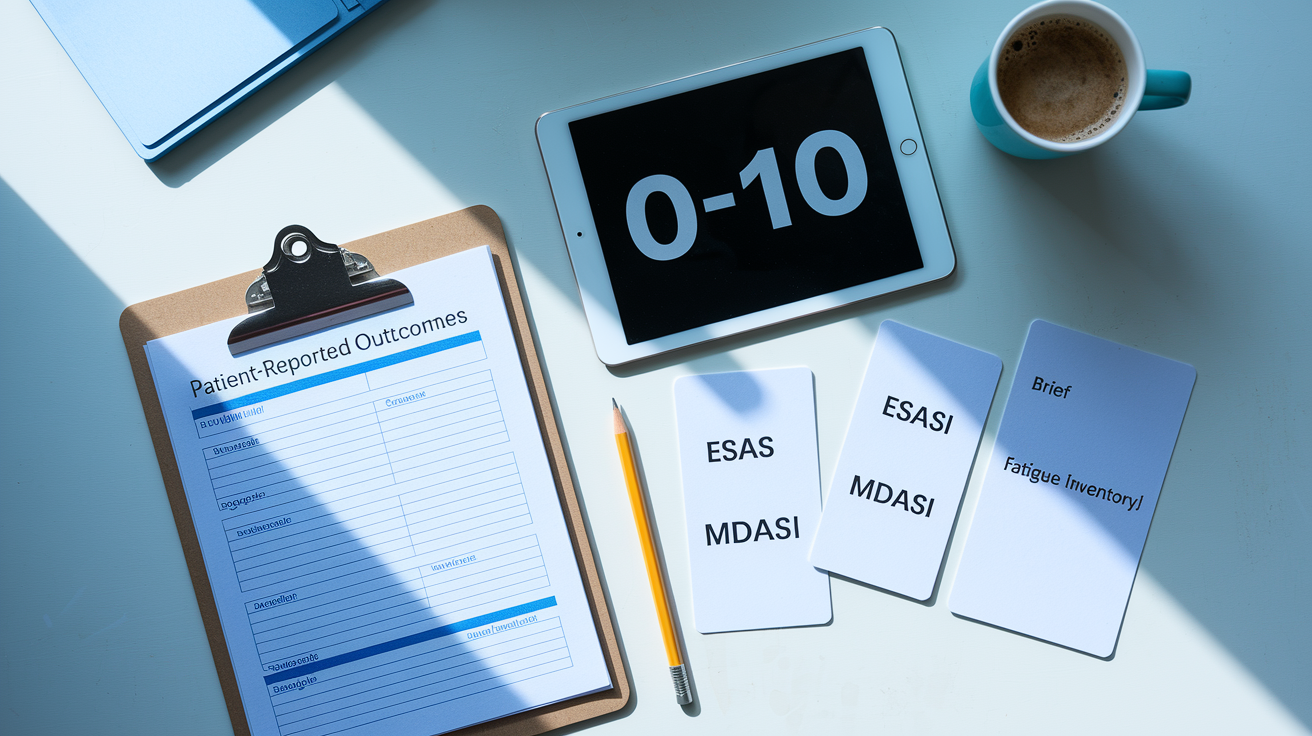
Measuring symptom burden depends on patient reported outcomes (PROs). Structured questionnaires that ask people to rate their symptoms and the impact on function. These tools need to be short enough for regular use but thorough enough to catch the symptoms that matter most for a specific group. Most use numeric scales (0 to 10) for severity, with higher numbers meaning worse symptoms.
Good measurement tools focus on symptoms that are both common and distressing in the condition you’re looking at, check how much those symptoms interfere with daily activities, and use straightforward numeric scales that can guide treatment calls. Validated instruments have been tested in large patient groups to make sure they reliably pick up meaningful changes over time.
| Tool | Number of Items | Key Domains | Rating Scale |
|---|---|---|---|
| ESAS (Edmonton Symptom Assessment System) | 9–10 | Pain, fatigue, nausea, depression, anxiety, drowsiness, appetite, well-being, dyspnea | 0–10 numeric |
| MSAS (Memorial Symptom Assessment Scale) | 32 | Prevalence, severity, frequency, and distress across multiple symptoms | 0–4 severity; 0–4 distress |
| MDASI (MD Anderson Symptom Inventory) | 19 core items (13 symptoms + 6 interference) | Pain, fatigue, nausea, sleep, distress, dyspnea, appetite, mood, memory, numbness; interference with work, activity, mood, relationships | 0–10 numeric |
| Brief Fatigue Inventory | 9 | Fatigue severity and interference with function | 0–10 numeric |
Core Measurement Domains
Effective symptom burden tools capture four overlapping areas: severity, frequency, distress, and interference. Severity ratings tell you how intense a symptom is at its worst or on average. “On a scale of 0 to 10, how bad is your pain right now?” Frequency measures how often it appears. Daily, several times a week, here and there. Distress captures the emotional weight, how much anxiety, frustration, or sadness a symptom causes beyond just the physical intensity. Interference asks how much the symptom limits daily function. “How much does fatigue interfere with your ability to work, exercise, or enjoy time with family?”
Combining these domains gives you a fuller picture than any single question. A patient might rate pain severity as moderate but report high interference if that pain prevents sleep and limits mobility. Another person with the same pain score but less interference may need a completely different approach. Tools like the MDASI separate symptom severity from interference items specifically to help clinicians decide whether to adjust medications, add supportive therapies, or refer for rehabilitation or palliative care.
Symptom Burden Across Major Conditions
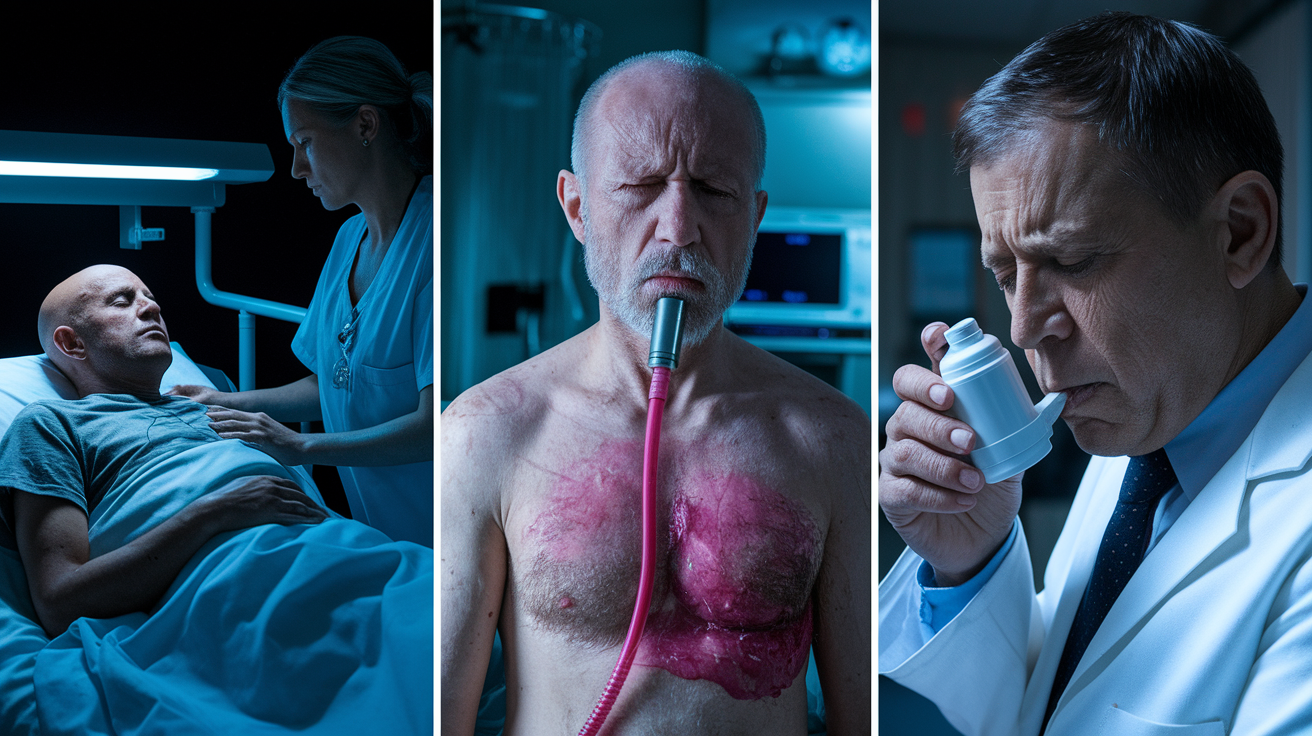
In cancer, symptom burden tends to peak during active treatment and in advanced disease. A study of 1,000 patients with advanced cancer identified pain, fatigue, and anorexia among the top ten symptoms. Another study of 1,635 cancer patients referred to a pain clinic found that each patient reported an average of more than three additional symptoms beyond pain. Most commonly insomnia, anorexia, and constipation. An international palliative care sample showed pain in 57% of patients and weakness in 51%. Emotional symptoms are also common. In a group of 987 patients with inoperable lung cancer, 322 (33%) self rated depression before starting treatment, and depression persisted in more than half of those affected. High symptom burden in cancer directly affects treatment tolerance and survival. For example, a randomized trial in low grade cerebral glioma found that high dose radiotherapy (59.4 Gy over 6.5 weeks) produced more fatigue, insomnia, and worse emotional functioning than lower dose treatment (45 Gy over 5 weeks), despite similar survival outcomes.
Heart failure patients commonly experience shortness of breath, fatigue, and swelling, and the cumulative burden of these symptoms predicts hospitalization and death. Symptom scores help guide decisions about medication adjustments. When to increase diuretics, adjust heart failure drugs, or involve palliative care. Functional interference is especially pronounced. Breathlessness can make climbing stairs, bathing, or lying flat impossible, triggering a cycle of deconditioning and worsening symptoms.
In COPD, breathlessness, cough, and fatigue drive symptom burden, often made worse by anxiety and depression. Symptom severity links to exacerbation risk and functional decline. Routine screening for emotional distress and activity limitation is recommended alongside lung function testing because symptoms often worsen before spirometry changes. Pulmonary rehabilitation programs target this multisymptom burden by combining exercise, education, and psychosocial support to improve function even when lung capacity stays limited.
Common symptom clusters seen across chronic diseases:
- Pain, fatigue, and sleep disturbance
- Shortness of breath, anxiety, and depression
- Nausea, poor appetite, and weight loss
- Pain, mood disturbance, and functional impairment
- Fatigue, cognitive difficulty (memory, concentration), and emotional distress
Impact of Symptom Burden on Quality of Life and Function

Higher cumulative symptom burden is strongly associated with worse quality of life across physical, psychological, social, and functional areas. Symptom specific measures can detect meaningful changes earlier than global quality of life instruments, making them valuable for guiding timely interventions. For instance, a patient undergoing chemotherapy may report stable overall well being on a broad survey but show sharp increases in nausea and fatigue on a symptom focused tool, prompting adjustments to anti nausea meds or supportive care before functional decline becomes severe.
Emotional well being takes a direct hit from uncontrolled symptoms. In groups of patients with serious illness, anxiety and depression frequently show up alongside physical symptoms like pain and breathlessness. A study of 1,582 hospitalized patients found that pain, shortness of breath, anxiety, and depression together accounted for 67.3% of moderately severe symptoms present at least half the time. This clustering highlights that treating physical symptoms alone may not cut it. Addressing emotional distress and sleep problems is equally important for reducing overall burden.
Functional impairment tracks closely with symptom interference scores. When symptoms disrupt work, self care, or social activities, people lose independence, withdraw from relationships, and face financial strain. In trials using the MD Anderson Symptom Inventory, interference scores predicted hospitalizations and survival independent of disease stage, underscoring that how symptoms limit daily life is as important as how severe they are.
Clinical Interpretation of Symptom Burden Scores

Standard 0 to 10 numeric rating scales are the foundation of symptom assessment in clinical practice. Pain intensity cutoffs have been validated in large samples: 1 to 4 indicates mild pain, 5 to 6 moderate, and 7 to 10 severe. Fatigue severity follows a similar structure. These thresholds help clinicians decide when to escalate treatment. Pain rated 7 or higher typically warrants opioid consideration or specialist referral, while scores of 4 or below may respond to non drug measures or over the counter options.
Single scores provide a snapshot, but trends over time matter more for guiding care. A patient whose pain drops from 8 to 5 after starting a new medication is experiencing meaningful relief, even though a score of 5 still falls in the moderate range. On the flip side, stable scores that don’t improve after intervention signal the need to try a different approach. Functional interference scores add critical context. If pain severity is moderate but interference with work and sleep is high, the burden remains significant.
Interpretation also requires awareness of response shift. As illness progresses or patients adapt to chronic symptoms, their internal standards for rating severity may change. Someone who initially rated fatigue as 8 might later rate the same physical sensation as 6 simply because it’s become their new normal. This effect can obscure trends in global quality of life measures but tends to be less pronounced in symptom specific tools that ask about concrete interference with activities.
Thresholds That Prompt Clinical Action
Clinical guidelines suggest intervening when symptom scores cross specific thresholds or when functional interference is marked. Typical triggers include:
- Any symptom rated 7 or higher on a 0 to 10 scale, indicating severe intensity.
- Moderate symptoms (5 to 6) that persist for more than a few days or that interfere with essential activities like eating, sleeping, or mobility.
- Rapid worsening. An increase of 2 or more points within a short interval.
- High interference scores on tools like MDASI, especially when multiple daily activities are affected.
Management Strategies for Reducing Symptom Burden

Effective symptom management combines drug and non drug approaches tailored to the individual’s symptom profile and functional goals. Treatment decisions are justified when high prevalence or severity is demonstrated, effective and safe interventions exist, assessment and treatment guidelines are in place, and cost benefit data support the intervention. A framework that guided the evolution of cancer pain management over the past two decades. Early involvement of palliative or supportive care teams can reduce cumulative burden by coordinating therapies and addressing multiple symptoms simultaneously.
Drug strategies target the primary drivers of burden. Pain relievers (from acetaminophen and NSAIDs to opioids) address pain. Anti nausea medications control nausea. Bronchodilators and supplemental oxygen relieve shortness of breath in COPD or heart failure. In cancer related anemia, trials of erythropoietin (epoetin alfa) showed that raising hemoglobin toward 12 g/dL improved quality of life, illustrating how correcting an underlying problem can reduce symptom burden even when it doesn’t change survival.
Non drug measures often complement medications and can be equally powerful. Rehabilitation programs (pulmonary rehab for COPD, cardiac rehab for heart failure, physical therapy for cancer related fatigue) improve function and reduce symptom intensity through exercise, education, and self management training. Psychosocial interventions, including counseling and cognitive behavioral therapy, help patients cope with emotional distress, improve sleep, and adjust daily routines to conserve energy. Simple lifestyle changes like adjusting meal timing to reduce nausea, elevating the head of the bed for breathlessness, scheduling rest periods can make symptoms more tolerable.
Common clinical strategies for reducing symptom burden:
- Pain relievers and pain management – Adjust medications according to severity. Consider multimodal approaches (NSAIDs, opioids, adjuvants like gabapentin).
- Anti nausea medications and appetite support – Use scheduled dosing for persistent nausea. Nutritional counseling and small, frequent meals.
- Fatigue management – Energy conservation techniques, mild exercise, treatment of anemia or sleep disorders.
- Counseling and mental health support – Screen for anxiety and depression. Refer for therapy or medication when indicated.
- Pulmonary or cardiac rehabilitation – Structured exercise, breathing techniques, and education to improve function and reduce shortness of breath.
- Palliative care referral – Early involvement for complex, multisymptom burden. Coordinate care across specialties and support family caregivers.
Research Trends and Future Directions for Symptom Burden Assessment

Current research priorities include conducting long term studies of symptom clusters, standardizing measurement tools across clinical centers, and identifying biological markers (such as hemoglobin, albumin, and inflammatory markers) that predict or explain high symptom burden. Symptom burden played a key role in regulatory approval of new therapies. For example, gemcitabine for pancreatic cancer was approved partly based on a “clinical benefit response” concept that required sustained improvement in symptoms, reduced pain reliever use, and performance status gains for at least four weeks. However, that endpoint hadn’t been prospectively validated before the trial, underscoring the need for rigorous, standardized instruments and predefined thresholds in future studies.
Methodological improvements are also needed. Response shift (the way patients’ internal standards change over time) can obscure quality of life trends, and symptom specific measures may be less susceptible to this bias. Collecting data at regular intervals and linking symptom scores to objective function tests (activity monitors, exercise capacity, cognitive assessments) strengthens the evidence base for interventions. Digital tools and remote monitoring allow real time symptom tracking and early detection of worsening, enabling timely adjustments to treatment and reducing the need for emergency visits.
Symptom Clusters in Research
Grouping symptoms into clusters improves predictive modeling and personalizes treatment. Rather than addressing each symptom separately, researchers use multivariate analyses to identify patterns. A pain, fatigue, sleep cluster or a shortness of breath, anxiety, depression cluster, and then test interventions that target the shared biological or behavioral pathways. For example, treating inflammation may reduce both pain and fatigue at the same time. Clustering also helps stratify patients by burden profile in clinical trials, making it easier to detect treatment effects in subgroups and to tailor supportive care to those at highest risk of functional decline.
Final Words
in the action we defined symptom burden as how severe symptoms are and how much they interfere with daily life. We noted why that combined score often tells clinicians more than a single symptom or a broad quality-of-life number.
Then we covered measurement tools, common condition patterns, score thresholds, and practical ways to manage symptoms from medicines to rehab and counseling.
Keep a short log of when symptoms start, how bad they are (0–10), and what affects them. Noting symptom burden helps you and your clinician target care sooner. Small steps can make a meaningful difference.
FAQ
Q: What is a symptom burden?
A: The symptom burden is the combined effect of a person’s symptoms, how severe they are and how much they interfere with daily life, usually measured with patient-reported 0–10 scales for tracking.
Q: What is an example of a disease burden?
A: An example of a disease burden is advanced cancer causing persistent pain, severe fatigue, weight loss, and reduced daily function, which lowers quality of life and increases need for medical and supportive care.
Q: What are the symptom burdens at the end of life?
A: The symptom burdens at the end of life commonly include pain, breathlessness, severe fatigue, nausea, anxiety, and drowsiness, often occurring together and managed with focused palliative care.
Q: What are the symptoms of body burden?
A: The symptoms of body burden are signs from accumulated environmental chemicals or toxins, such as headaches, chronic fatigue, skin rashes, digestive upset, or trouble concentrating, depending on exposure and dose.