

Left arm numbness isn’t always harmless, and sometimes it’s a red flag for a heart attack or stroke even when you don’t have chest pain.
But more often it’s caused by a pinched nerve, posture, or wrist problems that come and go with movement.
This post shows the warning signs you shouldn’t ignore, the common non‑emergency causes, and clear steps to take now—what to watch, what to track, and when to call emergency services versus seeing your regular doctor.
Critical Health Risks Linked to Sudden Left Arm Numbness

Left arm numbness that appears suddenly can signal two life threatening emergencies: heart attack and stroke. A heart attack happens when blood flow to a section of the heart muscle gets blocked, usually by a clot in a coronary artery. The blocked oxygen supply causes chest pressure or pain that often radiates to the left arm, jaw, neck, or back. You might also feel short of breath, nauseous, sweaty, or lightheaded. The numbness or heavy aching in the left arm may be the only symptom you notice, or it might come alongside chest discomfort. Stroke occurs when blood flow to part of the brain is interrupted by a clot or bleeding. Numbness on one side of the body, including the left arm, can be an early sign, especially if it appears with sudden weakness, facial droop, slurred speech, vision changes, or confusion.
Both emergencies unfold quickly. Heart attack symptoms may build over minutes or stay steady. Stroke symptoms typically start abruptly. One moment you’re fine, the next moment your arm feels numb or weak. The faster you recognize the pattern and act, the better your chance of preventing permanent damage or death. For heart attack, emergency teams aim to open the blocked artery within 90 minutes. For ischemic stroke, clot dissolving medication (tPA) works best when given within 4.5 hours of symptom onset, and mechanical clot retrieval may be possible for up to 24 hours in some cases. Every minute counts.
If you or someone near you develops sudden left arm numbness with any of the following symptoms, call emergency services immediately. Don’t drive yourself to the hospital, and don’t wait to see if it gets better.
Chest pressure, tightness, or pain that lasts more than a few minutes or comes and goes, along with numbness or discomfort in the left arm, jaw, neck, or back
Sudden weakness or numbness on one side of the body. Left arm, left leg, or left side of the face, especially with trouble speaking, seeing, or walking
Severe headache, confusion, dizziness, or loss of balance that starts abruptly and is unlike any you’ve felt before
Common Non‑Emergency Causes of Left Arm Numbness
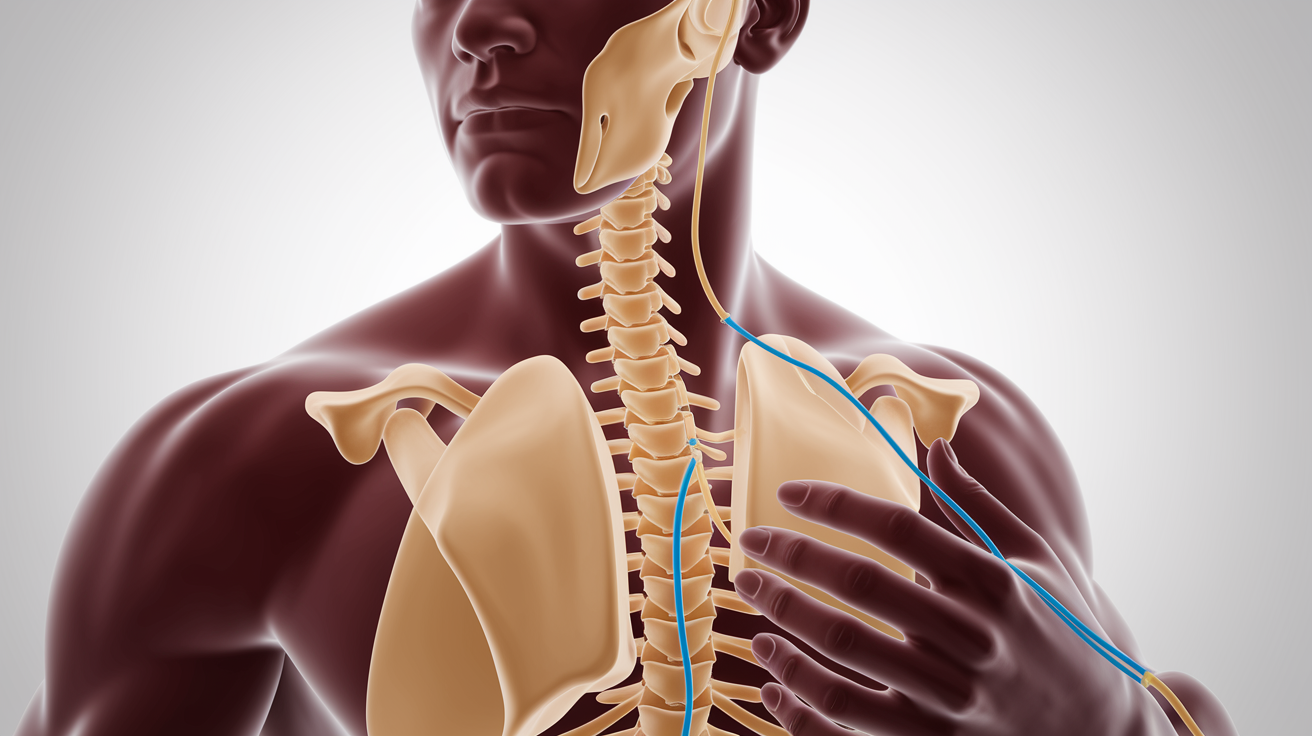
Most cases of left arm numbness aren’t emergencies. The most common culprit is nerve compression, which is pressure on a nerve anywhere along its path from your neck to your fingertips. Cervical radiculopathy happens when a nerve root is pinched in the neck, often by a bulging or herniated disc, bone spur, or tight muscle. You’ll usually feel neck pain or stiffness first, and the numbness or tingling travels down one arm in a specific stripe that matches the nerve being squeezed. Turning your head, tilting it backward, or holding your arm in certain positions may make the numbness worse. Thoracic outlet syndrome is less common but occurs when nerves or blood vessels are compressed in the space between your collarbone and first rib. Numbness often flares with overhead arm movements or carrying heavy bags.
Carpal tunnel syndrome is another frequent cause, though it affects the hand more than the entire arm. The median nerve runs through a narrow tunnel in your wrist, and repetitive hand movements, wrist flexion, or swelling can squeeze it. You’ll notice numbness or tingling mainly in your thumb, index, middle, and part of your ring finger. Often worse at night or after typing, gripping, or using tools. Poor posture like hunching forward at a desk, sleeping with your arm bent under your pillow, or leaning on your elbow for long periods can irritate nerves in your shoulder, elbow, or wrist and produce temporary numbness that goes away when you change position.
Muscle tension and myofascial pain can also mimic nerve symptoms. Tight muscles in your neck, shoulder, or upper back can press on nearby nerves or restrict blood flow, creating a dull ache or tingling sensation that shifts with stretching or massage. These patterns are rarely constant. They fluctuate throughout the day depending on what you’re doing. If the numbness eases when you shake out your arm, adjust your chair, or take a break from repetitive work, a structural or postural issue is more likely than a vascular or cardiac emergency.
Here are four patterns that point toward a non serious, mechanical cause rather than a life threatening one:
Symptoms that come and go with specific arm positions, activities, or times of day (for example, worse during sleep or after prolonged computer use)
Numbness that improves with movement, stretching, or postural adjustment. Standing up, rolling your shoulders, or shaking your hand brings relief
A clear trigger or mechanism: you slept on your arm, carried a heavy bag on one shoulder, spent hours typing, or painted a ceiling
No chest pain, shortness of breath, sudden weakness, speech changes, or facial drooping. The numbness is isolated to the arm and doesn’t spread rapidly
How to Tell the Difference Between Serious and Non‑Serious Left Arm Numbness
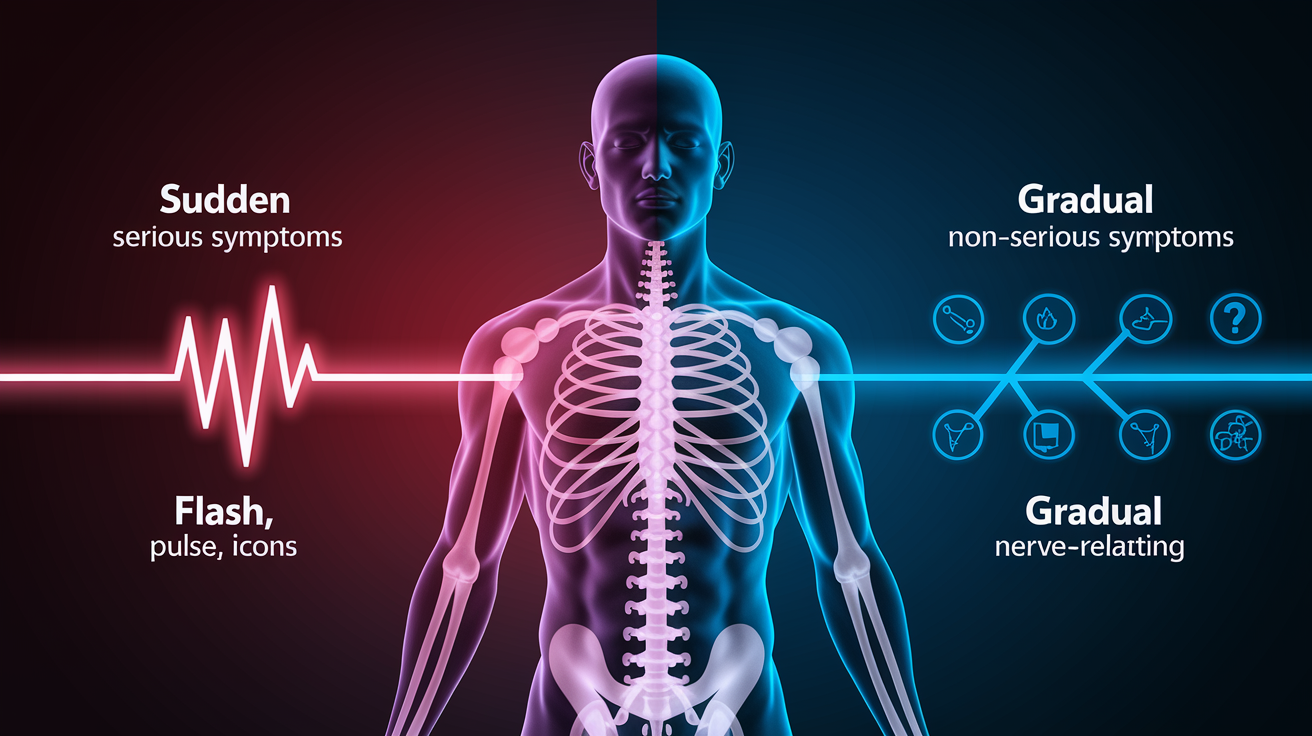
The single most important distinction is how fast the numbness starts and what comes with it. Life threatening causes like heart attack, stroke, or transient ischemic attack (TIA) appear suddenly, often within seconds to minutes, and they rarely happen in isolation. You’ll usually notice other red flag symptoms at the same time: chest pressure or pain, severe shortness of breath, sudden confusion, slurred speech, facial droop, or one sided weakness that affects your leg or face along with your arm. The numbness doesn’t get better when you move your arm or change position. It persists or worsens quickly.
Non serious causes tend to develop more gradually, over hours, days, or weeks, and they respond to simple changes. Nerve compression from posture or repetitive strain often fluctuates: worse during certain activities, better with rest, and influenced by how you hold your arm or neck. You might feel pins and needles rather than complete numbness, and the sensation usually stays in a predictable pattern. Down the outside of your arm for one nerve root, along the inside for another, or limited to a few fingers in carpal tunnel syndrome. There’s no chest discomfort, no trouble breathing, no sudden confusion or vision loss.
A TIA, sometimes called a mini stroke, sits in the middle. Symptoms start suddenly and feel serious (arm numbness or weakness, trouble speaking, vision changes), but they resolve within minutes to an hour, often leaving you wondering if you imagined it. Don’t dismiss brief episodes. A TIA means you’re at high risk for a full stroke in the hours and days that follow, so urgent medical evaluation within 24 hours is essential even if you feel fine by the time you call.
Here’s a quick comparison of symptom patterns:
| Symptom Pattern | Heart Attack or Stroke | Nerve Compression or Musculoskeletal |
|---|---|---|
| Onset | Sudden (seconds to minutes); no clear trigger | Gradual (hours to days); often linked to posture, activity, or sleep position |
| Associated Symptoms | Chest pain, shortness of breath, facial droop, speech difficulty, severe headache, confusion | Neck pain, shoulder ache, hand tingling; improves with stretching or position change |
| Response to Movement | No improvement or worsens; numbness is constant | Often improves with arm movement, shaking, or postural adjustment |
When to Seek Emergency Care vs Routine Medical Evaluation

Call emergency services immediately. Don’t wait and don’t drive yourself if left arm numbness starts suddenly and is accompanied by any of the following: chest pressure, tightness, or pain; severe shortness of breath; sudden weakness in your arm, leg, or face (especially on one side); trouble speaking, understanding speech, or seeing; sudden severe headache; dizziness or loss of balance that makes it hard to stand; or confusion or altered consciousness. These combinations point toward heart attack, stroke, or another critical event where minutes matter. Emergency teams need to evaluate you right away, run tests (ECG, troponin blood test, CT or MRI), and start treatment within narrow time windows to prevent permanent damage or death.
Seek urgent care or contact your primary care clinician within 24 hours if arm numbness persists continuously for more than 10 minutes without red flag symptoms, recurs repeatedly over several hours, or is steadily getting worse over 24 to 48 hours. Also get urgent evaluation if you have brief neurologic symptoms like numbness, weakness, vision changes, or slurred speech that resolve completely within minutes or an hour. That pattern suggests a TIA, and stroke risk spikes in the days immediately after. Even if you feel fine when you call, same day or next day imaging and risk assessment can prevent a full stroke.
Schedule a routine appointment with your primary care doctor or a neurologist if you have isolated, intermittent arm numbness without red flags that doesn’t improve after a couple of days, keeps coming back during specific activities, or is associated with neck pain, shoulder discomfort, or hand tingling that fits a nerve compression pattern. Your clinician will take a history, do a physical exam, and may order tests like cervical spine MRI, nerve conduction studies, blood work for diabetes or vitamin B12 deficiency to pinpoint the cause and guide treatment.
Situations requiring emergency care now:
Sudden numbness with chest pain, pressure, or shortness of breath
Sudden weakness or numbness on one side of your body (arm, leg, or face)
Trouble speaking, understanding words, or seeing clearly
Severe headache, dizziness, confusion, or loss of coordination that starts abruptly
Practical Steps to Take While Assessing Left Arm Numbness

If your arm goes numb and you don’t have red flag symptoms, stop what you’re doing and change your position. Stand up if you’ve been sitting, shake out your arm gently, roll your shoulders, and check whether the numbness fades over the next few minutes. Note the exact time the numbness started and write down what you were doing when it began. Sleeping, typing, lifting, carrying a bag, painting, or holding your phone. Watch for other symptoms: neck pain, hand weakness, tingling in specific fingers, chest discomfort, shortness of breath, or changes in your vision or speech. If you have diabetes, check your blood sugar to rule out very high or very low levels that can sometimes cause temporary numbness.
Don’t drive if you have new arm weakness that affects your grip, coordination problems, vision changes, or any trouble with speech or balance. Those are urgent neurologic symptoms that need immediate evaluation. If the numbness spreads quickly, doesn’t improve with position change, or is joined by chest pain or breathing difficulty, call emergency services. If you’re uncertain whether it’s serious, err on the side of caution and call. Emergency dispatchers can help you decide whether to stay on the line, and paramedics can start assessment and treatment en route.
Three immediate actions to take while monitoring symptoms:
Stop the activity and reposition your arm: sit or stand, gently move your shoulder and elbow through a comfortable range, and see if the numbness changes within a few minutes
Note the time and document what else you feel: write down when it started, whether it’s getting better or worse, and any other symptoms (chest tightness, neck pain, finger tingling, shortness of breath)
Call for help if any red flag symptoms appear or if numbness persists without improvement: don’t wait to see if it resolves on its own if you have chest pain, sudden weakness, speech trouble, or rapidly worsening numbness
Final Words
in the action: sudden left arm numbness can point to a heart attack or stroke and needs quick evaluation. It can also come from a pinched nerve, poor posture, or repetitive strain that often changes with movement.
Stop activity, note the exact time it started, and watch for chest pressure, facial droop, slurred speech, or spreading weakness. Call emergency services if any of those happen.
If you’re asking what does numbness in left arm mean, keep clear notes and get help when red flags appear. You’ll be in a better place to get the right care.
FAQ
Q: When should I be worried about numbness in my left arm?
A: You should be worried about numbness in your left arm and go to the ER when it begins suddenly, is severe, or comes with chest pressure, shortness of breath, facial droop, slurred speech, or sudden weakness.
Q: Which arm goes numb before you have a stroke?
A: Either arm can go numb before a stroke; stroke usually causes sudden numbness or weakness on one side, and which arm is affected depends on the area of the brain involved.