
Think you can treat a urinary tract infection at home without rushing to a clinic?
Many mild bladder infections improve with practical, low-risk steps, like extra fluids, heat, and a few natural aids such as cranberry or D-mannose, while you watch for warning signs.
This post gives clear, evidence-informed home actions for immediate relief, prevention tips, what to track, and the exact red flags that mean you should see a clinician.
If you’re pregnant, older, or have a fever, call a clinician right away.
Immediate At‑Home Relief Methods for UTI Discomfort
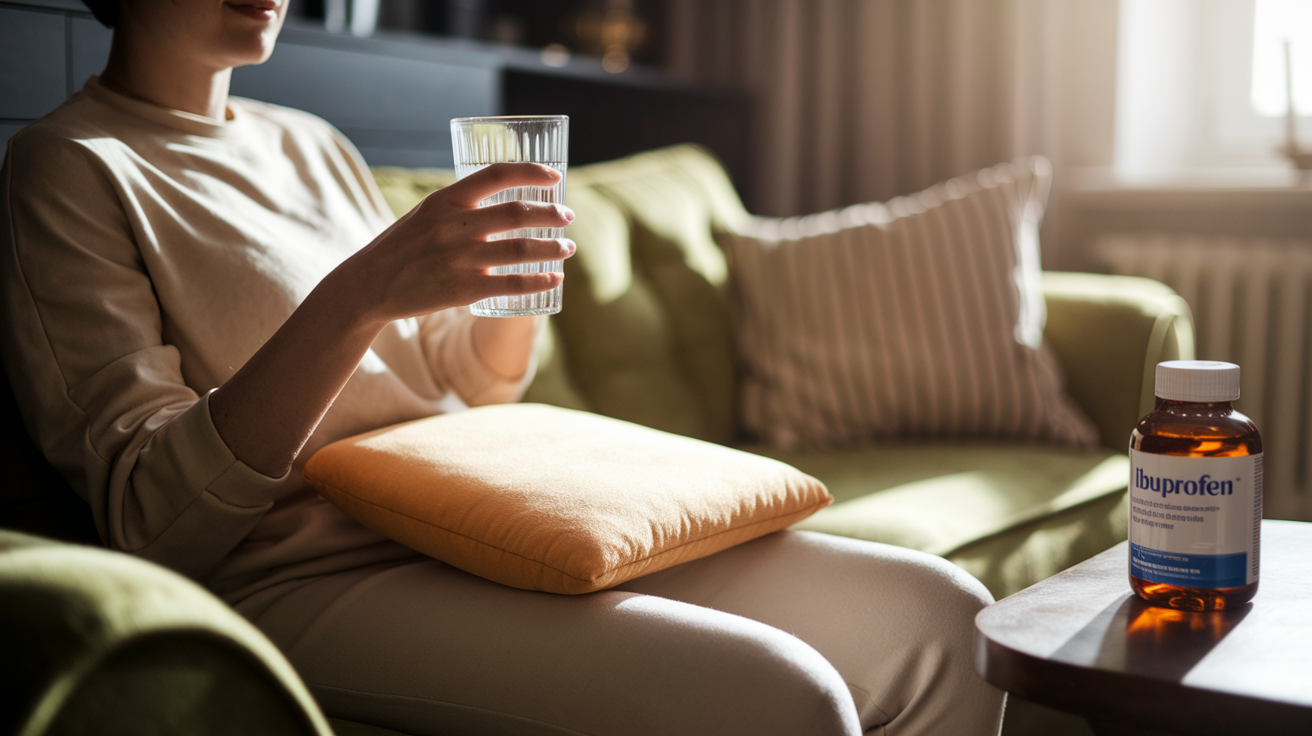
When UTI symptoms show up, relief can’t wait. The burning, pressure, and constant urge to pee take over everything. The fastest thing you can do? Start drinking water and keep drinking it. Your goal is to flush bacteria out of your bladder and dilute your urine to reduce irritation. Try to sip at least 8 to 10 glasses of plain water throughout the day, spacing them out so you’re urinating regularly but not overwhelming your bladder all at once. Every trip to the bathroom is a chance to clear out a few more bacteria before they multiply.
Heat and pain relief come next. Place a heating pad or warm water bottle on your lower belly for 15 to 20 minutes at a time, with a towel in between to protect your skin. The warmth relaxes cramped muscles and eases pelvic pressure. For pain that’s sharper or more persistent, an over the counter pain reliever like ibuprofen (200 to 400 mg every 6 hours) can help. Just follow the dosing instructions on the package and don’t exceed the daily limit. Some people also increase their vitamin C intake to 500 to 1,000 mg per day, which may acidify urine enough to slow bacterial growth. Evidence is mixed and high doses can sometimes irritate an already tender bladder.
Here are four quick steps you can take right now:
- Drink a full glass of water immediately, then continue sipping every hour.
- Apply a heating pad to your lower abdomen for 15 minutes.
- Take an OTC pain reliever if discomfort is interfering with daily activities.
- Empty your bladder fully every time you urinate. Don’t rush or hold it.
These measures won’t cure the infection, but they can make the next 24 to 48 hours more bearable while you decide whether symptoms are improving or you need to call a clinician. Think of this as buying yourself a bit of comfort and time to track what’s happening.
Evidence‑Based Home Remedies and Supportive Practices
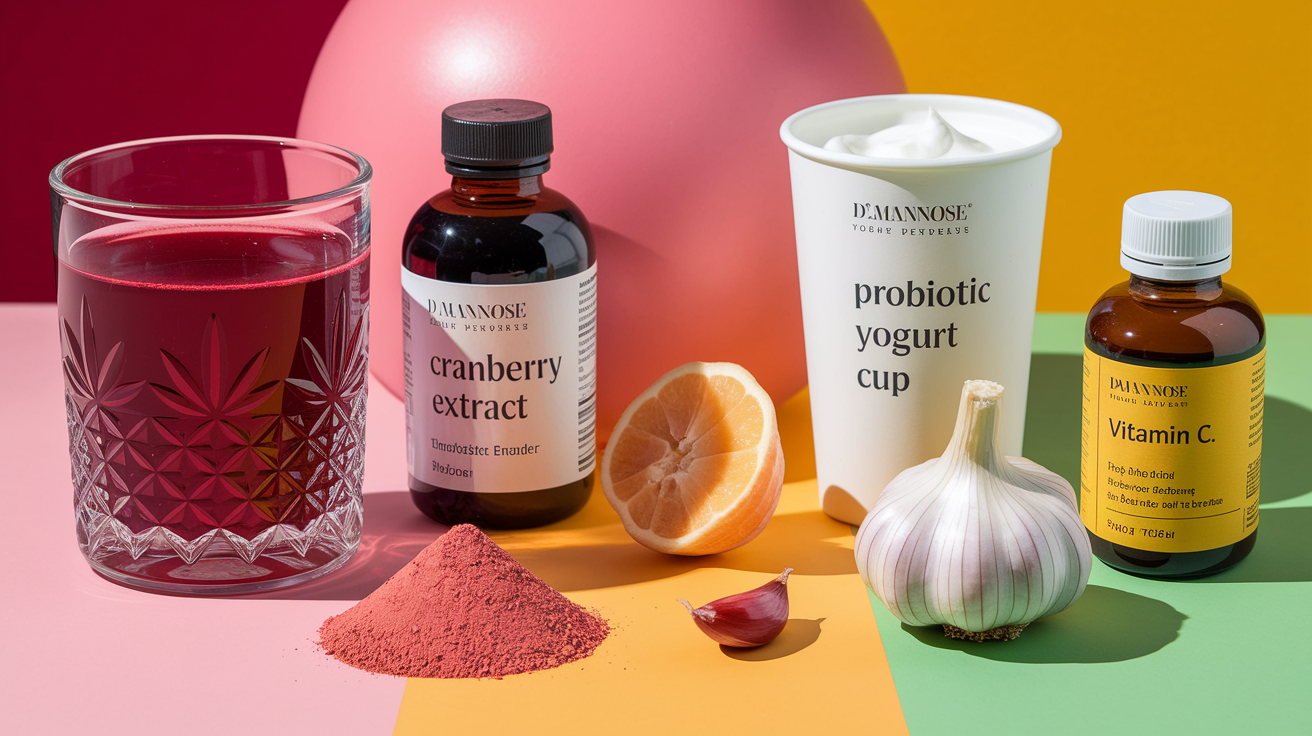
Cranberry has been the go to UTI remedy for decades, and there’s a reason it keeps showing up. Cranberries contain compounds called proanthocyanidins that may stop E. coli bacteria from sticking to the walls of your urinary tract, making it easier for your body to flush them out. Research is mixed. Some studies show a modest benefit, others don’t. But unsweetened cranberry juice or concentrated cranberry supplements are generally safe to try. If you go with juice, keep it unsweetened or very lightly sweetened. A cup of sweetened cranberry cocktail can pack 30 grams of sugar or more, which isn’t helpful.
D‑mannose is another option gaining traction. It’s a simple sugar, available in powder or capsule form, that works similarly. E. coli binds to the D‑mannose instead of your bladder lining, and then you pee it all out. Typical doses range from 1 to 2 grams per day for prevention, and some people take 1.5 grams every 2 to 3 hours at the first sign of symptoms.
Here are five remedies with reasonable evidence or widespread support:
- Unsweetened cranberry juice or extract: Aim for 8 to 16 ounces of juice per day, or follow supplement label instructions for concentrated extract.
- D‑mannose powder or capsules: Often used at 1.5 to 2 grams per day for prevention, higher doses during active symptoms.
- Probiotics: Choose supplements with at least 1 billion CFU (colony‑forming units) or eat yogurt, kefir, or fermented foods daily to support healthy bacteria.
- Vitamin C: 500 to 1,000 mg per day may help acidify urine. Stop if it increases bladder irritation.
- Garlic: Fresh garlic or aged garlic extract has shown antibacterial activity in lab studies. Add crushed garlic to meals or take a supplement if tolerated.
Probiotics deserve a special mention because antibiotics, if you end up needing them, can wipe out good bacteria along with the bad. Taking a daily probiotic, either a capsule or fermented foods like kombucha or sauerkraut, helps restore balance in your gut and may reduce the risk of yeast infections or future UTIs. Small daily habits like these don’t replace antibiotics when you truly need them, but they can tip the scales in favor of prevention and faster recovery.
Daily Hygiene and Prevention Strategies During a UTI
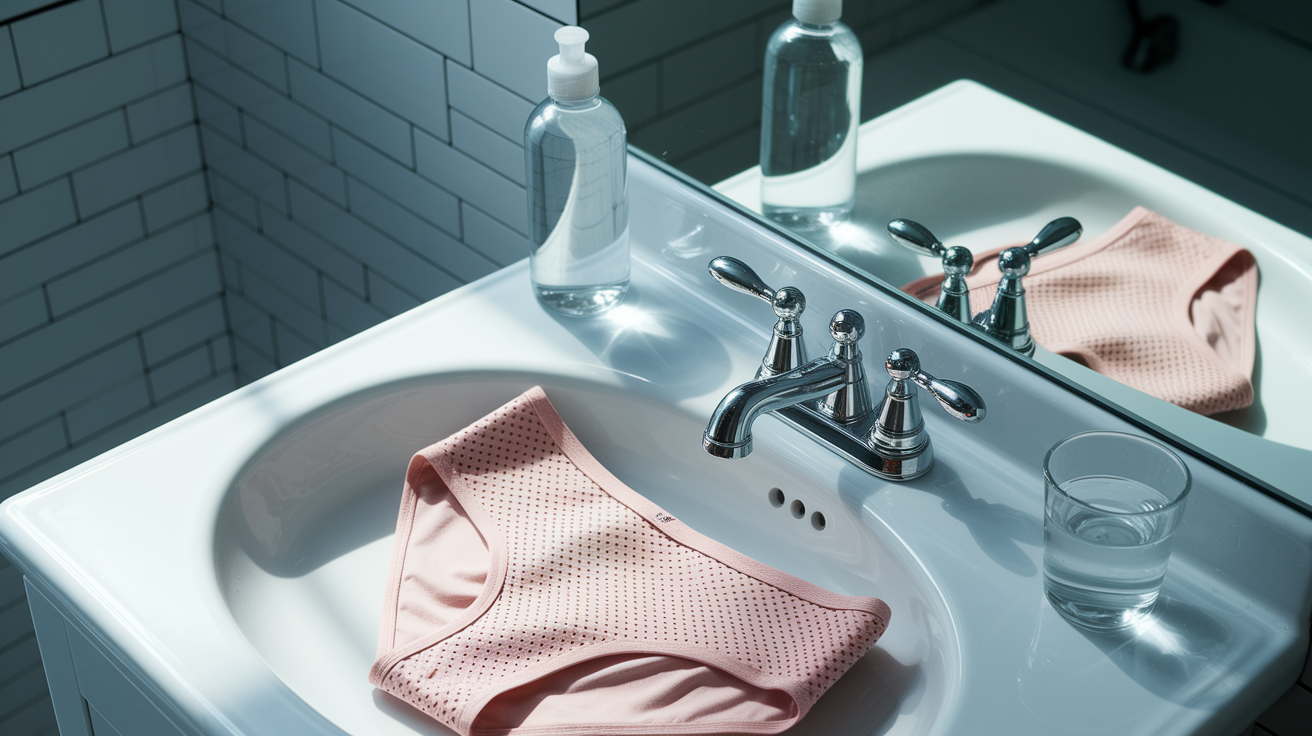
Wiping direction matters more than most people realize. Always wipe from front to back after using the bathroom, whether it’s after urination or a bowel movement. This simple motion keeps bacteria from your rectal area away from your urethra, where they can quickly travel up into your bladder. Teach kids this habit early and stick with it yourself even when you’re in a hurry. It’s one of those tiny actions that actually makes a measurable difference in UTI risk.
If you’re sexually active, urinate within 30 minutes after intercourse. Sex can push bacteria toward the urethra, and a quick trip to the bathroom flushes them out before they settle in. Gentle external cleansing with plain water afterward is fine, but skip the scented wipes, douches, or vaginal sprays. They disrupt your natural pH and can irritate tissues that are already inflamed. If you use a diaphragm or spermicide for birth control, know that both are linked to higher UTI rates. Talk to your provider about alternatives if infections keep coming back.
During an active UTI, avoid anything that traps moisture or adds friction. Wear loose, breathable cotton underwear and skip tight jeans or synthetic fabrics until symptoms clear. Don’t sit in a wet bathing suit for hours, and prefer showers over long baths if your bladder is already irritated. These tweaks won’t cure the infection, but they reduce extra stress on tissues that are trying to heal.
Monitoring Symptoms and Recognizing Improvement
Mild UTI symptoms often start to ease within 24 to 48 hours if your immune system and home care are doing their job. You might notice that the burning sensation becomes less sharp, the urgency backs off a bit, and your urine starts to look clearer. These are good signs. It means the bacterial load is dropping and inflammation is calming down.
But not all UTIs follow that path. If pain gets worse instead of better, if you develop a fever above 100.4°F, or if you start feeling pain in your lower back or sides (flank pain), the infection may be climbing toward your kidneys. Nausea, vomiting, chills, or confusion are also warning signs that this has moved beyond a simple bladder infection. Sometimes symptoms seem to improve for a day and then spike again. That’s not normal improvement, and it usually means the bacteria are still multiplying or spreading.
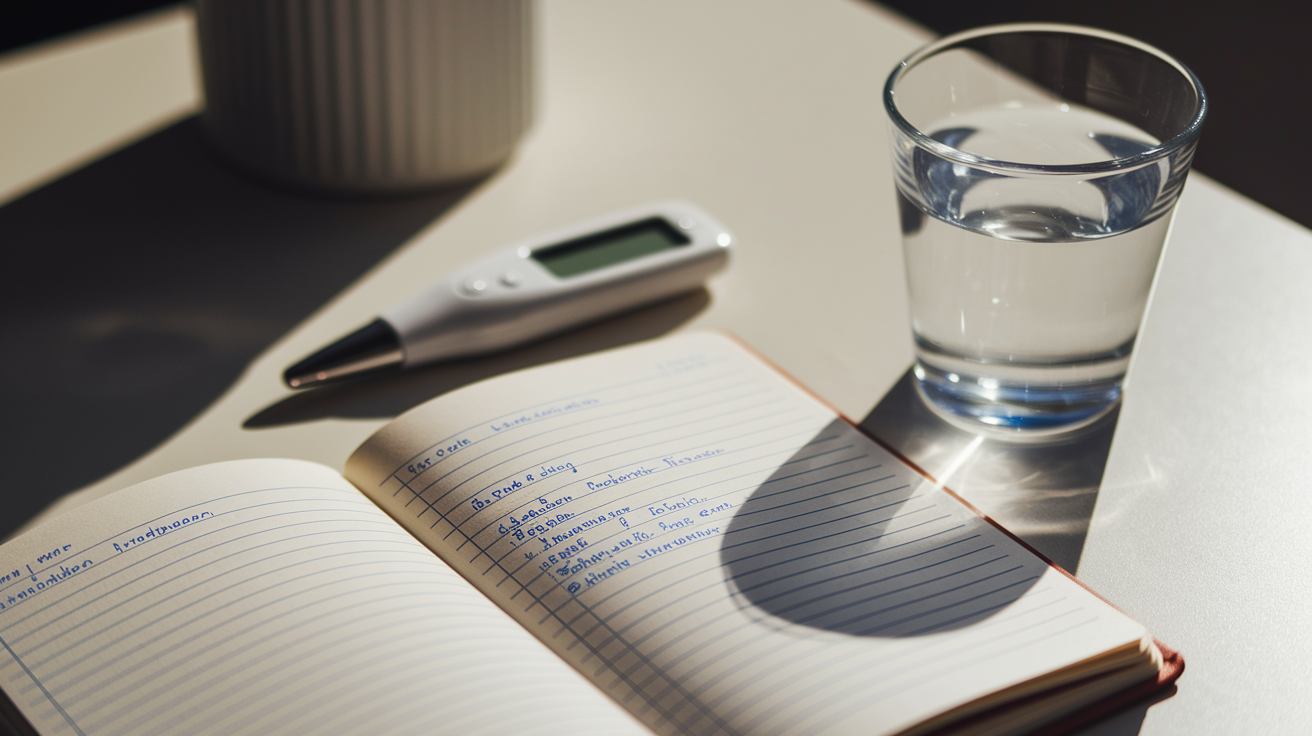
Keep a simple log for the first few days. Note your pain level (0 to 10), how many times you’re urinating, the color and smell of your urine, and whether you’re running a fever. Check your temperature twice a day if you’re unsure. This record helps you see trends. Are things truly getting better, or are they stalling? And it gives you concrete details to share with a clinician if you need to call.
When Home Treatment Is Not Enough: Warning Signs Requiring Medical Care

Some UTIs respond to hydration, rest, and basic care. Others don’t, and that’s when waiting becomes risky. A fever that hits 100.4°F or higher is a clear signal that your body is fighting something more serious than a surface bladder irritation. Flank pain, sharp or dull aching in your lower back or sides, often means the infection has reached your kidneys. That’s a medical urgency. Vomiting more than once, persistent nausea, or feeling shaky and confused are all signs that bacteria may be entering your bloodstream.
Watch for these four danger signs that require same day medical evaluation:
- Fever of 100.4°F or higher
- New or worsening pain in your back, sides, or upper abdomen
- Vomiting, severe nausea, or inability to keep fluids down
- Symptoms that last longer than 48 hours without any improvement
If your symptoms haven’t budged after two full days of home care, or if they’re getting worse instead of better, it’s time to get a urine culture and possibly start antibiotics. Don’t wait for the pain to become unbearable or for a fever to climb before you act. Untreated kidney infections can cause permanent kidney damage, and in rare cases, bacteria can spread into the bloodstream and trigger sepsis. Home remedies can support your recovery and may even be enough for very mild cases, but they’re not substitutes for antibiotics when the infection is established, spreading, or affecting someone who’s older, pregnant, immunocompromised, or dealing with recurrent UTIs.
Final Words
Start by easing symptoms right away: drink plenty of water through the day, use a heating pad for 15–20 minutes, and take an OTC pain reliever as directed.
Next, use evidence-based supports like cranberry or D-mannose, probiotics, gentle hygiene (wipe front to back, urinate after sex), and keep a simple symptom log to see if you improve in 24–48 hours.
If severe pain, fever, vomiting, or no better after 48 hours, get medical care. These steps outline how to treat a urinary tract infection at home and when to ask for help.
FAQ
Q: What is the fastest way to cure a urine infection at home?
A: The fastest way to ease a urine infection at home is to drink lots of water, use a heating pad, take OTC pain relievers, and try vitamin C or D‑mannose, but antibiotics are often needed—see a clinician if symptoms persist.
Q: How do you get rid of a UTI without seeing a doctor?
A: To try to get rid of a UTI without seeing a doctor, increase fluids, use cranberry or D‑mannose, take probiotics, rest, and use OTC pain relief; seek care if fever, back pain, vomiting, or no improvement within 48 hours.
Q: What are three symptoms of a UTI?
A: Three common symptoms of a UTI are burning with urination, needing to pee more often or urgently, and cloudy, dark, or strong‑smelling urine.
Q: What is the best drink for urine infection?
A: The best drink for a urine infection is plain water to flush bacteria; cranberry juice or extract may help, while avoiding alcohol and caffeine that can irritate the bladder.