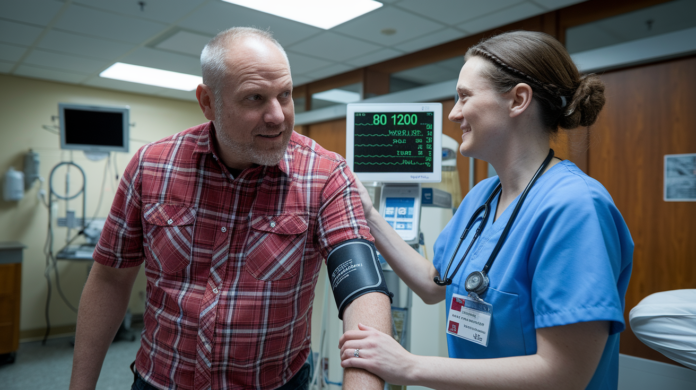

You don’t need to rush to the ER for every high blood pressure reading, except when a few clear warning signs are present.
This post tells you exactly when to call 911 and when to seek urgent care.
If your blood pressure hits 180/120 mm Hg or higher, or you get chest pain, sudden severe headache, vision changes, shortness of breath, confusion, or one-sided weakness, go to the ER right away.
You’ll learn what to do first, which symptoms mean organs may be harmed, and what to tell clinicians.
Critical Thresholds and Symptoms That Indicate an ER Visit for High Blood Pressure
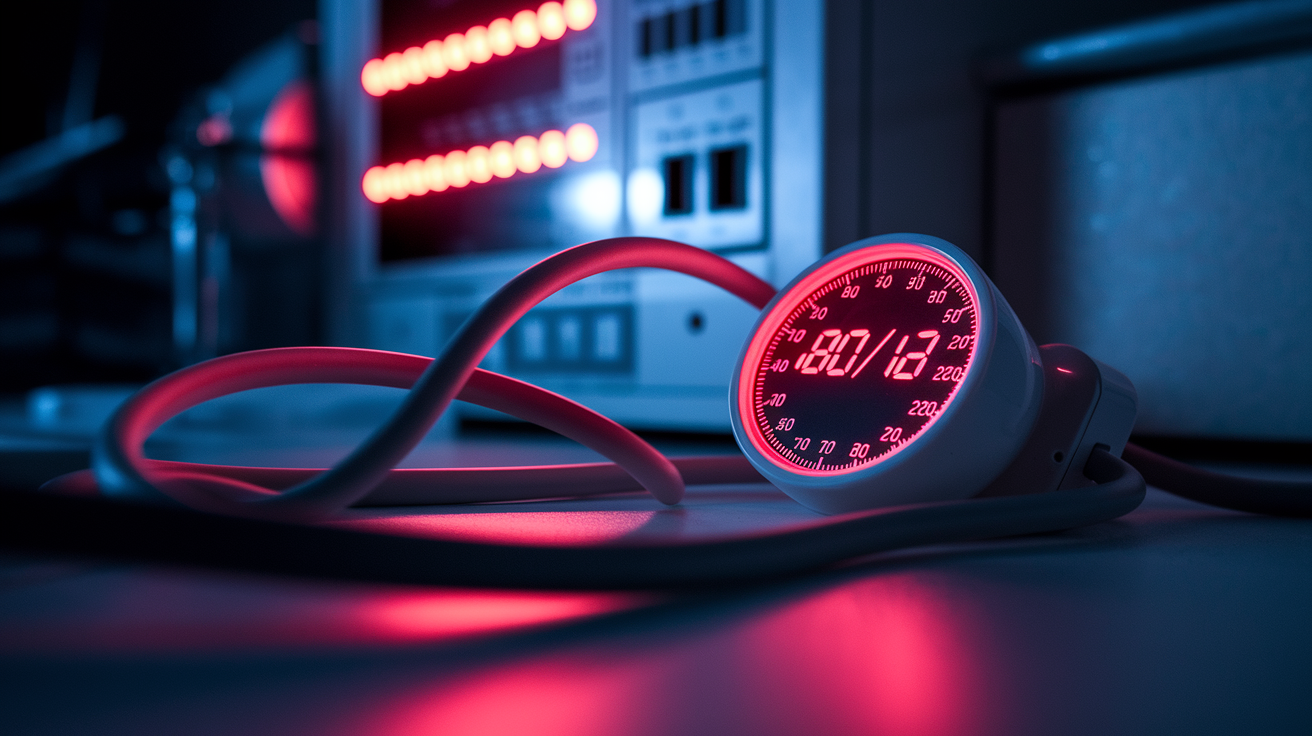
If your blood pressure hits 180/120 mm Hg or higher, or if you’re dealing with severe symptoms like chest pain or vision changes, you need to get to the emergency room right away. This level is what doctors call a hypertensive crisis, and it can permanently damage your heart, brain, kidneys, and eyes within hours if you don’t get treatment. Don’t wait for a scheduled appointment or try to handle these readings at home.
When your blood pressure measures 180/120 mm Hg or above, sit quietly for five minutes, then check it again. If that second reading is still at or above the threshold, you need emergency care even if you feel totally fine. This situation is called hypertensive urgency when there aren’t any symptoms, and it requires fast medical evaluation to stop organ damage before it starts. But if that elevated reading comes with any warning symptoms, you’re looking at a hypertensive emergency. Call 911 instead of driving yourself.
The big difference between urgency and emergency is whether you’ve got symptoms that show your organs are already being damaged. Hypertensive urgency means your pressure is dangerously high but everything’s still working normally. Hypertensive emergency means your heart, brain, kidneys, or other organs are already being harmed. Emergency symptoms need immediate 911 response because minutes matter when it comes to preventing permanent disability or death.
These symptoms point to a hypertensive emergency and mean you need to call 911 or get to an ER immediately:
- Severe chest pain or tightness can signal a heart attack or damaged heart muscle from the extreme pressure.
- Severe headache that feels different from your usual headaches might indicate bleeding in the brain or dangerously high pressure inside your skull.
- Sudden vision changes, including blurred vision, double vision, or partial vision loss means high pressure can damage the blood vessels in your eyes or cause a stroke affecting your vision center.
- Shortness of breath or difficulty breathing may mean fluid is backing up into your lungs (pulmonary edema) or your heart is struggling to pump effectively.
- Confusion, trouble speaking, or weakness or numbness on one side of your body are classic stroke symptoms and require emergency treatment within minutes to prevent permanent brain damage.
- Severe abdominal or back pain can signal a tear in your aorta (aortic dissection), a life threatening emergency that requires immediate surgery.
Understanding Hypertensive Crisis and How High BP Becomes Dangerous
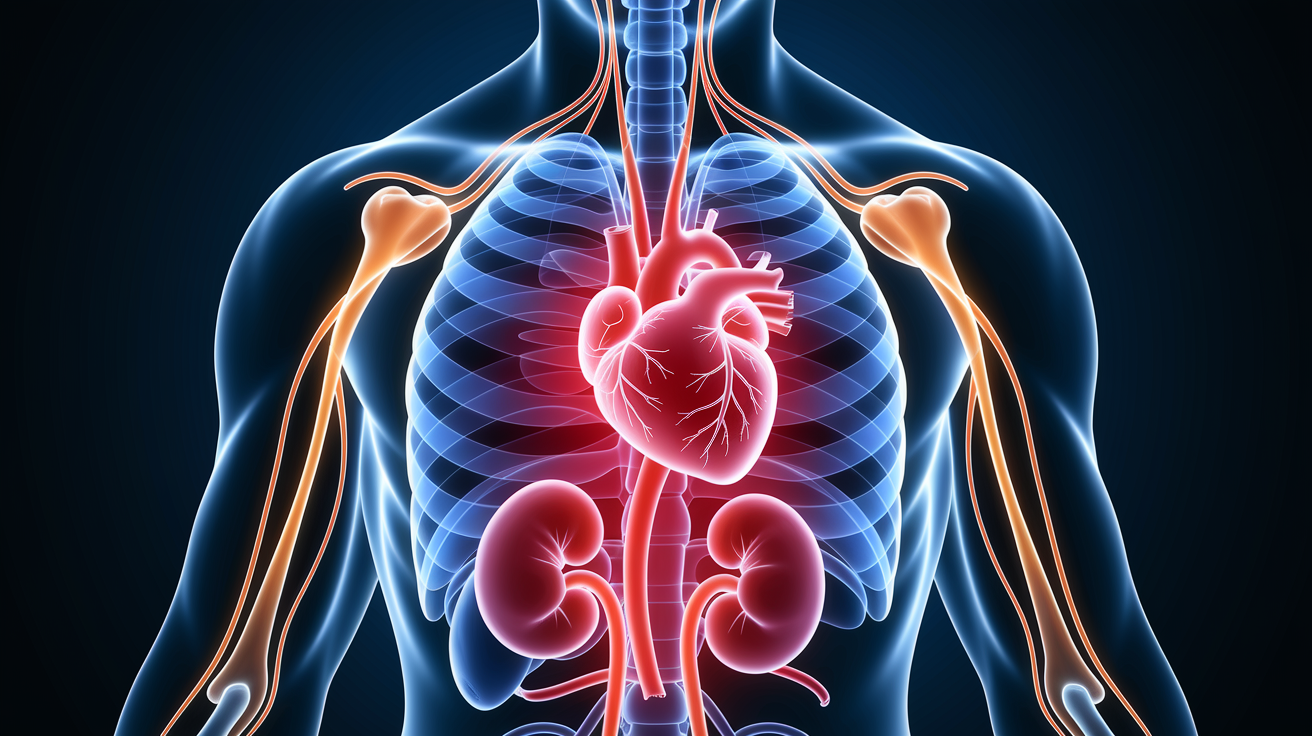
A hypertensive crisis happens when your blood pressure climbs to 180/120 mm Hg or higher. At that level, the force of blood against your artery walls becomes so intense that it can tear, weaken, or block the small blood vessels feeding your organs. Hypertensive urgency describes the situation when your pressure reaches this threshold but you don’t have symptoms and there aren’t immediate signs of organ injury. Hypertensive emergency occurs when the same high reading comes with symptoms or clear evidence that your heart, brain, kidneys, or eyes are actively being damaged. The emergency version requires faster intervention because organ injury is already underway.
When blood pressure stays severely elevated, several organ systems face immediate risk. Your brain can suffer a stroke from either a blocked vessel (ischemic stroke) or a burst vessel (hemorrhagic stroke). Your heart may develop chest pain, heart attack, or sudden heart failure as it struggles to pump against the high resistance. Your kidneys can shut down rapidly, losing their ability to filter waste from your blood. Your eyes may experience bleeding in the retina or swelling of the optic nerve, leading to sudden vision loss. Each of these complications can become permanent if treatment gets delayed.
Signs of Early Organ Damage
Some symptoms suggest organ damage is beginning but may not feel as dramatic as chest pain or stroke symptoms. Confusion or trouble concentrating can mean your brain isn’t getting enough oxygen or is under too much pressure. Gradual or sudden vision changes like seeing spots, halos, or losing peripheral vision may indicate bleeding or swelling in the back of your eye. Decreased urination or dark colored urine can signal that your kidneys are struggling to filter blood properly. If you notice any of these signs along with a blood pressure reading above 180/120 mm Hg, you should go to the ER even if you’re not sure whether it counts as an emergency. Early intervention can stop mild organ injury from becoming permanent damage.
High Blood Pressure Symptoms That Should Never Be Ignored
Neurological symptoms are among the most urgent warning signs because they often mean your brain is being affected. When blood pressure rises to dangerous levels, it can cause swelling in your brain, bleeding inside your skull, or a stroke that blocks blood flow to part of your brain. You might feel confused, have trouble remembering where you are, struggle to speak clearly, or notice that one side of your body feels weak or numb. These symptoms can appear suddenly or build over a few minutes, and they require immediate medical attention because brain cells die quickly without oxygen.
Cardiovascular and respiratory symptoms tell you that your heart or lungs are under strain. Chest pain, pressure, or tightness may indicate that your heart isn’t getting enough blood or is working too hard against the high pressure. Shortness of breath can mean fluid is leaking into your lungs because your heart can’t keep up with the load. You might also feel nauseous, start vomiting, or break out in a cold sweat. These signs often overlap with heart attack symptoms, and the ER team will treat them as such until tests prove otherwise.
In rare cases, extremely high blood pressure can trigger seizures or cause bleeding in the retina at the back of your eye. Seizures related to severe hypertension usually occur when brain swelling reaches a critical point, a condition sometimes called hypertensive encephalopathy. Retinal hemorrhage may show up as sudden loss of vision, dark spots, or a curtain like shadow across part of your visual field. Both situations are medical emergencies that require immediate treatment to prevent permanent damage.
The following symptom categories require you to seek emergency care if they occur with elevated blood pressure:
- Neurological changes include confusion, difficulty concentrating, slurred speech, or sudden severe dizziness.
- Motor or sensory deficits include weakness, numbness, or tingling on one side of your body or face.
- Acute vision problems include sudden blurriness, double vision, blind spots, or complete vision loss in one or both eyes.
- Chest symptoms include pain, pressure, squeezing, or discomfort in your chest, shoulders, arms, jaw, or upper back.
- Respiratory distress includes feeling like you can’t catch your breath, rapid shallow breathing, or coughing up pink frothy sputum.
- Gastrointestinal distress with cardiovascular context includes severe nausea, vomiting, or upper abdominal pain when combined with other symptoms or very high readings.
- Seizure activity or altered consciousness includes any loss of consciousness, seizure, or profound disorientation that comes on suddenly.
What the ER Does for High Blood Pressure and How They Diagnose Emergencies
When you arrive at the emergency department with dangerously high blood pressure, the triage nurse will measure your blood pressure immediately using a calibrated manual or automatic cuff. They’ll recheck it at least once, often on both arms, to confirm the reading and rule out equipment error. You’ll be moved quickly into a treatment room if your pressure is at or above 180/120 mm Hg, especially if you report any symptoms. The ER team will place you on continuous monitoring so they can track your heart rate, oxygen level, and blood pressure every few minutes.
Diagnostic testing begins right away to look for signs of organ damage. An electrocardiogram (ECG) checks for heart attack, irregular rhythms, or strain on your heart muscle. A chest X-ray shows whether fluid has backed up into your lungs or if your heart is enlarged. Blood tests measure kidney function, electrolytes, and cardiac enzymes that rise when heart muscle is injured. Urine tests look for protein or blood that suggest kidney damage. These tests help the ER team understand whether your high blood pressure has already caused harm.
If you have neurological symptoms like confusion, severe headache, weakness, or vision changes, the ER doctor will likely order a CT scan of your head to check for bleeding, swelling, or signs of stroke. The scan takes only a few minutes and gives immediate images of your brain. If the CT shows a stroke or brain bleed, you may need additional imaging or urgent consultation with a neurologist or neurosurgeon. Speed matters because some stroke treatments are only effective within the first few hours.
Treatment in the ER focuses on lowering your blood pressure gradually and safely. If your pressure is extremely high and you have symptoms, the team will start intravenous (IV) medications that work within minutes. These drugs are carefully dosed and monitored because dropping blood pressure too quickly can reduce blood flow to your organs and cause additional damage. Once your pressure stabilizes, the ER team will address any complications they’ve identified and arrange follow-up care or admission to the hospital if needed.
| ER Test or Action | Purpose |
|---|---|
| Repeated blood pressure checks on both arms | Confirm the reading is accurate and not due to equipment error or positioning. |
| ECG and cardiac enzyme blood tests | Detect heart attack, arrhythmia, or strain on the heart muscle. |
| Chest X-ray, kidney function tests, urinalysis | Look for fluid in the lungs, kidney damage, or protein in the urine. |
| Head CT scan (if neurological symptoms present) | Identify stroke, brain bleed, or dangerous swelling inside the skull. |
When High Blood Pressure Requires Urgent Care Instead of the ER
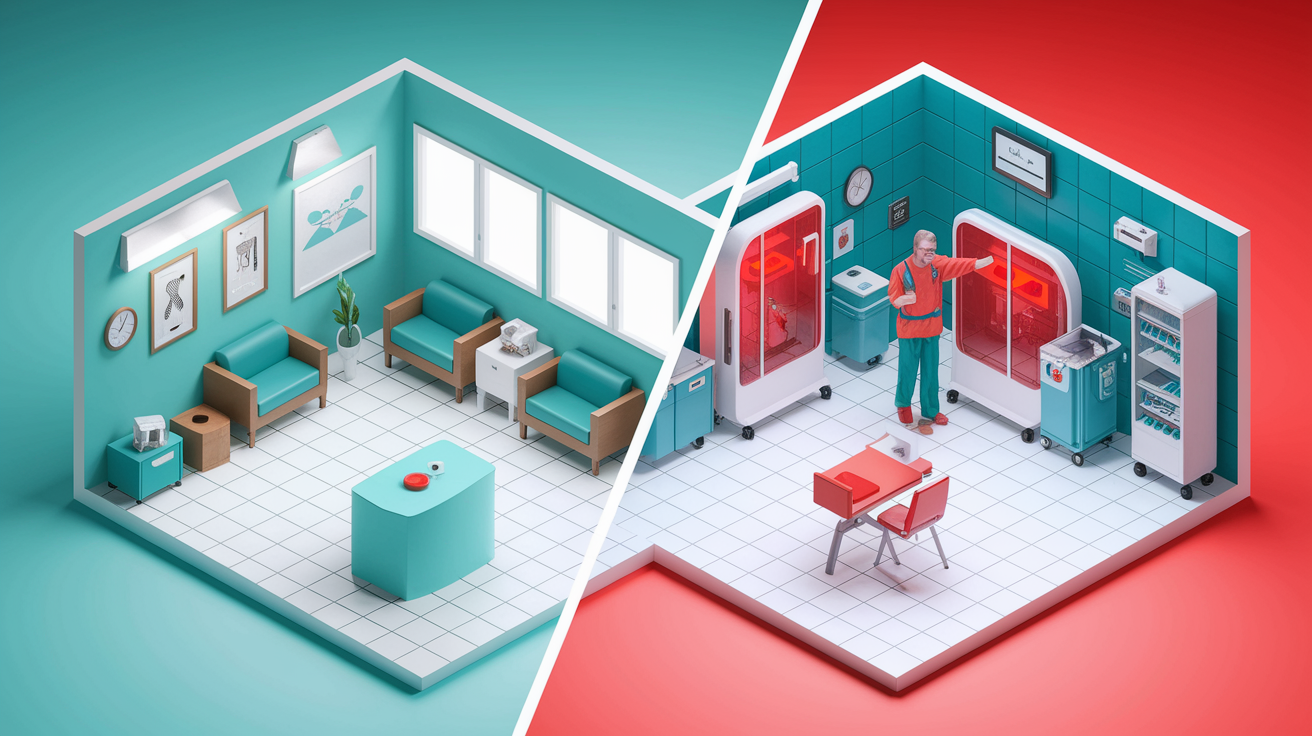
Urgent care is the right choice when your blood pressure is elevated but you don’t have symptoms and there aren’t immediate signs of organ damage. For example, if you check your pressure at home and see a reading of 160/100 mm Hg or even 175/115 mm Hg and you feel fine, an urgent care center can evaluate you, adjust your medications, and arrange follow-up with your primary care doctor. Urgent care clinics can also help if you’ve missed a few doses of your blood pressure medication and want to get back on track, or if you’re seeing wide swings in your readings and need guidance on what to do next.
The ER is necessary when your reading reaches 180/120 mm Hg or higher, or when any symptoms appear regardless of the number. Symptoms change the situation from “elevated and needs attention” to “potential organ damage happening now.” Even if you’re not sure whether your headache or blurred vision is related to your blood pressure, it’s safer to go to the ER and let them rule out serious problems. Don’t try to wait it out or self treat with extra medication at home.
Key differences between urgent care and ER for high blood pressure:
- Urgent care works best for readings below 180/120 mm Hg without symptoms, medication refills or adjustments, routine BP checks or lifestyle counseling, same day evaluation when your doctor’s office is closed.
- ER is required for any reading of 180/120 mm Hg or higher, even without symptoms. Any severe symptoms (chest pain, headache, vision changes, shortness of breath, confusion, weakness). Suspected stroke, heart attack, or organ damage. Pregnancy related BP concerns after 20 weeks.
- Symptoms override numbers means if you have chest pain, difficulty breathing, or stroke like symptoms, go to the ER even if your blood pressure reading seems only mildly elevated or you can’t measure it at all.
- Home monitoring limits mean if your home monitor shows repeated high readings but you’re unsure of accuracy, urgent care can recheck with calibrated equipment. If readings are at crisis levels, go to the ER.
- Follow-up role means urgent care often bridges the gap until you can see your regular doctor. The ER handles life threatening situations and stabilizes you for admission or close outpatient follow-up.
High Blood Pressure in Pregnancy: When to Seek Emergency Care
After 20 weeks of pregnancy, blood pressure that climbs to 140/90 mm Hg or higher on two separate readings taken at least four hours apart may signal gestational hypertension or preeclampsia. Preeclampsia is a serious condition in which high blood pressure damages organs, most commonly the liver and kidneys, and it can threaten both your health and your baby’s survival. If you’re pregnant and your blood pressure reaches 160/110 mm Hg or higher, or if you have any symptoms along with a reading of 140/90 mm Hg or above, you should go to the emergency room or call your obstetrician immediately. Don’t wait for your next scheduled prenatal visit.
Symptoms of preeclampsia can appear suddenly and may feel similar to normal pregnancy discomforts, which is why it’s easy to dismiss them. A severe, persistent headache that doesn’t respond to acetaminophen is one of the most common warning signs. Vision changes like seeing flashing lights, blurred vision, or temporary loss of vision are also red flags. Severe upper abdominal pain, usually under your ribs on the right side, can indicate liver swelling or bleeding. Nausea and vomiting in the second half of pregnancy, especially if they come on suddenly and are severe, shouldn’t be ignored. Rapid swelling in your face, hands, or feet, particularly if it happens overnight or seems out of proportion to your usual pregnancy swelling, can signal fluid retention related to preeclampsia.
Preeclampsia can progress quickly to eclampsia, a life threatening condition that causes seizures and can lead to stroke, organ failure, or death for both mother and baby. The ER team will monitor your blood pressure closely, run blood and urine tests to check for protein and organ function, and assess your baby’s well being. Treatment may include medications to lower your blood pressure and prevent seizures, and in many cases, delivery of the baby is the only cure. Even if you’re not yet full term, severe preeclampsia often requires early delivery to protect your life.
Pregnancy specific red flags that require immediate ER care:
- Severe or persistent headache, especially if it doesn’t improve with rest or acetaminophen and feels different from your usual headaches.
- Vision disturbances include flashing lights, auras, blurred vision, double vision, or temporary blindness.
- Upper abdominal pain is sharp or severe pain under your ribs on the right side, often accompanied by nausea.
- Sudden or severe swelling, especially in your face and hands, or swelling that comes on very quickly and doesn’t improve with rest and elevation.
Pediatric and Elderly Considerations for High Blood Pressure Emergencies
Children and adolescents can experience hypertensive crises, and the same threshold of 180/120 mm Hg applies to them. If your child’s blood pressure reaches that level, take them to the emergency room immediately, even if they seem fine. Kids may not recognize or report symptoms the same way adults do, so any confirmed reading at or above the crisis threshold requires medical evaluation. High blood pressure in children is less common than in adults and is often related to kidney disease, heart defects, or hormonal disorders, so the ER team will look for underlying causes while treating the elevated pressure.
Older adults face higher risks from severe blood pressure spikes because their blood vessels are often less flexible and their organs may already have some degree of damage from years of mild hypertension or other chronic conditions. A hypertensive crisis in an elderly person is more likely to cause a stroke or heart attack, and symptoms may be subtle or atypical. For example, confusion or sudden weakness might be the only sign of a stroke, and chest discomfort might feel like indigestion. If you’re caring for an older adult and notice any change in their mental status, balance, speech, or usual function along with a high blood pressure reading, go to the ER right away.
Medication Related Spikes in Blood Pressure and When They Require Emergency Care
Missing doses of your prescribed blood pressure medication can cause a sudden and dangerous rebound spike, especially if you take certain types of drugs like beta blockers or clonidine. These medications suppress your body’s natural blood pressure response, and stopping them abruptly can trigger a sharp rise in pressure within hours or days. If you’ve missed several doses and your blood pressure climbs to 180/120 mm Hg or higher, or if you develop any symptoms, you need emergency care. Don’t try to “catch up” by taking multiple doses at once.
Drug interactions and the use of certain medications or substances can also push blood pressure to dangerous levels. Over the counter decongestants, nonsteroidal anti inflammatory drugs (NSAIDs like ibuprofen), and some herbal supplements can raise blood pressure, especially when combined with prescription antihypertensives. Stimulants like amphetamines, cocaine, and methamphetamine are well known triggers of hypertensive crises and can cause life threatening spikes within minutes. Even excessive caffeine or energy drinks can contribute to dangerous elevations in people who are sensitive or already at risk. If you know you’ve taken a substance that might raise your blood pressure and you develop symptoms or very high readings, go to the ER and be honest with the medical team about what you took so they can treat you safely.
| Cause | Risk Level |
|---|---|
| Missed doses of beta blockers or clonidine | High because it can cause rebound hypertension within hours. ER visit needed if BP is 180/120 or higher or symptoms appear. |
| Overdose of prescribed antihypertensive medication | Variable, may cause dangerously low BP (hypotension) or paradoxical high BP. Go to ER if confused, dizzy, or readings are extreme. |
| Use of decongestants or NSAIDs with existing hypertension | Moderate because it can raise BP significantly in some people. Monitor closely and seek care if readings exceed 180/120 or symptoms develop. |
| Stimulant drugs (cocaine, methamphetamine, prescription stimulants) | Very high because it can trigger immediate hypertensive crisis, stroke, or heart attack. Call 911 if you or someone else has taken stimulants and develops chest pain, confusion, or very high BP. |
| Interactions between multiple medications or supplements | Moderate to high because risk increases with more drugs. Review all medications with your doctor and go to ER if you suspect an interaction is causing symptoms or crisis level BP. |
Preparing for an ER Visit: What to Bring and How to Document Your Symptoms
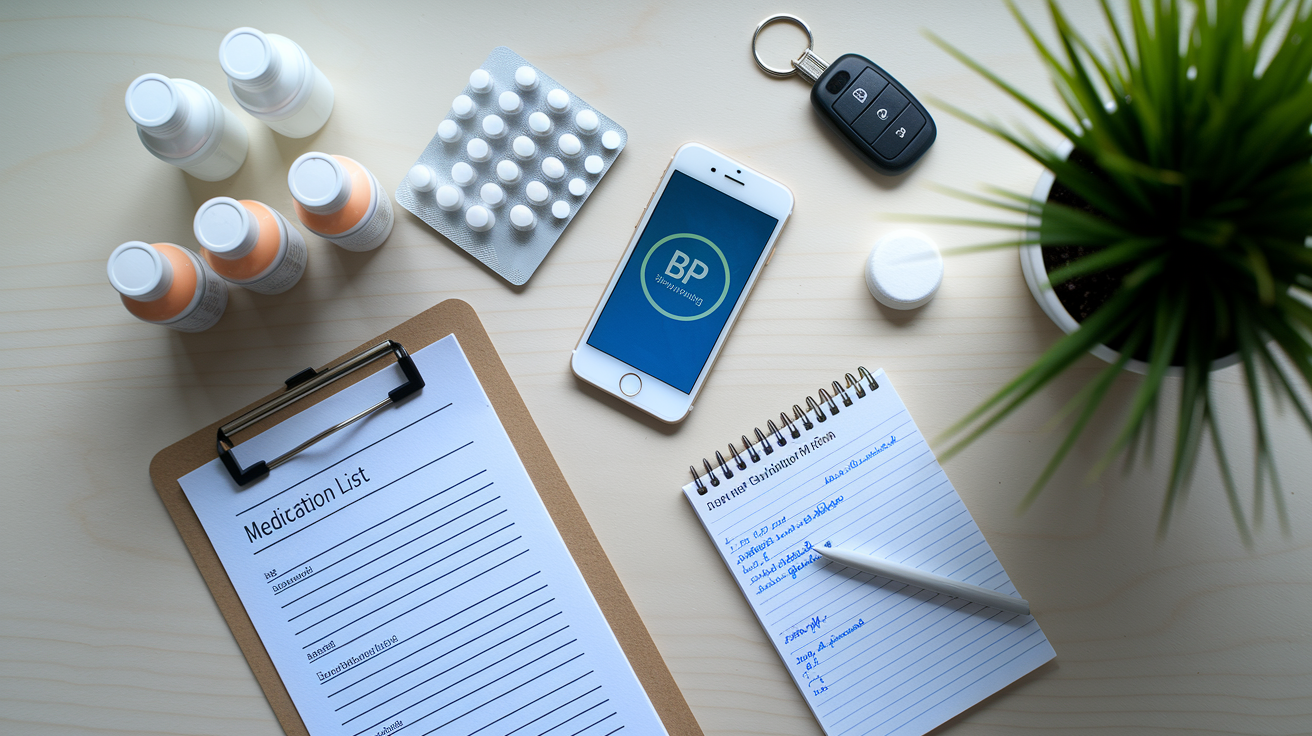
If you’re going to the emergency room for high blood pressure, bring a current list of all your medications, including the names, doses, and how often you take them. The ER team needs this information to understand what you’re already taking, identify possible interactions, and decide which medications to use or avoid during your treatment. If you don’t have a written list, bring the pill bottles or take a clear photo of the labels on your phone. Include over the counter drugs, vitamins, and supplements because they can affect blood pressure and interact with emergency medications.
Write down or make a mental note of when your symptoms started, what you were doing when they began, and how they’ve changed since then. For example, “The headache started around 2 p.m., right after I got home from work, and it’s gotten worse over the past hour. I also started feeling dizzy about 20 minutes ago.” If you checked your blood pressure at home, note the readings, the time of each reading, and which arm you used. The ER staff will ask these questions, and clear answers help them assess how urgent your situation is and what might be causing the spike.
What to bring or prepare for an ER visit for high blood pressure:
- Medication list includes names, doses, frequency, and time of your last dose for all prescriptions, over the counter drugs, vitamins, and herbal supplements.
- Blood pressure log includes recent home readings with dates and times, especially any readings above 140/90 mm Hg or 180/120 mm Hg.
- Symptom timeline means when symptoms started, what triggered them (if known), and how they’ve progressed. Be specific about severity (for example, “worst headache of my life” or “pain level 8 out of 10”).
- Insurance card and ID can speed up registration. If you don’t have insurance, the ER is still required to evaluate and stabilize you.
- List of medical conditions and past surgeries, especially any history of heart disease, stroke, kidney disease, diabetes, or previous hypertensive crises. Previous ER visits for high blood pressure are important to mention.
Recovery After an ER Visit and Preventing Future High Blood Pressure Emergencies

When the ER team discharges you, they’ll give you written instructions about your medications, follow-up appointments, and warning signs to watch for. Read these instructions carefully before you leave, and ask questions if anything is unclear. You may be prescribed new blood pressure medications or have your doses adjusted, so make sure you understand exactly what to take and when. The ER doctor will typically arrange a follow-up appointment with your primary care doctor or a cardiologist within a few days to a week. Keep that appointment even if you feel fine, because ongoing monitoring and medication adjustments are essential to prevent another crisis.
Lifestyle changes are the foundation of long term blood pressure control and can significantly reduce your risk of future emergencies. Reducing your sodium intake to less than 2,300 mg per day, and ideally closer to 1,500 mg per day, is one of the most effective steps you can take. That means reading food labels, avoiding processed and restaurant foods, and cooking at home with fresh ingredients. At the same time, increase potassium rich foods like bananas, spinach, beans, and sweet potatoes, which help balance sodium and relax blood vessel walls.
Regular physical activity lowers blood pressure and strengthens your heart. Aim for at least 30 minutes of moderate exercise most days of the week. Moderate activity includes brisk walking, cycling, swimming, or anything that raises your heart rate but still allows you to carry on a conversation. If you’re overweight, losing even 5 to 10 percent of your body weight can bring your blood pressure down significantly. Weight loss reduces the workload on your heart and improves how your body uses insulin, which also affects blood pressure.
Quitting smoking and limiting alcohol are critical. Smoking damages your blood vessels and raises your blood pressure immediately every time you light up. Alcohol can raise blood pressure when consumed in excess, so stick to no more than one drink per day for women and two for men. Managing stress through techniques like deep breathing, meditation, or yoga can also help keep your pressure stable. Finally, take your blood pressure medications exactly as prescribed, even on days when you feel fine. High blood pressure rarely causes symptoms until it reaches dangerous levels, so you can’t rely on how you feel to tell you whether your pressure is controlled.
Key lifestyle changes to prevent future high blood pressure emergencies:
- Sodium reduction means aiming for less than 2,300 mg per day (one teaspoon of salt), with an ideal target of 1,500 mg. Check labels and avoid canned soups, deli meats, fast food, and salty snacks.
- Increase potassium by eating bananas, oranges, tomatoes, potatoes, spinach, beans, and low fat dairy to help balance sodium and relax blood vessels.
- Daily exercise means 30 minutes of moderate activity on most days. Even breaking it into 10 minute sessions throughout the day helps lower blood pressure.
- Weight loss can reduce blood pressure by several points if you lose 5 to 10 percent of your body weight and improve overall heart health. Combine diet changes with regular physical activity for the best results.
Final Words
A blood pressure reading of 180/120 mmHg or higher, or any new severe symptom like chest pain, bad headache, vision changes, or sudden weakness, needs immediate ER care.
Recheck after five minutes if you can, write down symptoms and meds, and get help right away.
If you wonder when to go to er for high blood pressure, use the number and symptom list here, and call 911 for severe or rapidly worsening signs. Acting quickly helps protect your organs and speed recovery.
FAQ
Q: Should I go to the ER if my blood pressure is 150 over 100?
A: A blood pressure of 150/100 usually does not need ER care unless you have severe symptoms; recheck after 5 minutes, see primary care or urgent care if it stays high or you feel unwell.
Q: What will an ER do for high blood pressure?
A: An ER will remeasure your blood pressure, check for organ damage, run tests (ECG, blood, urine, imaging), give IV blood pressure medicines if needed, and arrange admission or close follow-up.
Q: What is stroke level blood pressure and what blood pressure will get you hospitalized?
A: A “stroke level” or hospitalization threshold is typically blood pressure at or above 180/120 mmHg; readings that high with brain or heart symptoms usually need emergency treatment and hospital admission.