

Ever stood up and felt lightheaded, like the room might tilt or you might faint?
Often it’s not your ears, it’s a sudden fall in blood pressure called orthostatic hypotension (a quick drop in BP when you rise).
Gravity pulls blood into your legs, less returns to the heart, and your brain gets a brief shortfall.
This article explains what causes dizziness when standing up, the common triggers and medical causes, what to watch for, and simple, safe steps you can try now.
Key Reasons Behind Dizziness When Standing and How Blood Pressure Drop Causes It

Orthostatic hypotension is the main culprit when you feel dizzy or lightheaded after standing up. It’s defined as a systolic blood pressure drop of at least 20 mmHg or a diastolic fall of 10 mmHg within 3 minutes of getting upright. Here’s what happens: you shift from lying or sitting to standing, and gravity immediately pulls blood down into your legs and abdomen. That pooling cuts the volume of blood returning to your heart, a process called decreased venous return, so your heart pumps out less blood with each beat. The result? A brief but noticeable decrease in blood flow to your brain.
Your body has a built in fix. Pressure sensors called baroreceptors in your neck and chest detect the sudden drop and signal your heart to beat faster while your blood vessels tighten up. Most of the time that reflex kicks in within seconds and restores normal flow before you even notice anything’s wrong. But if the reflex is slow, weak, or overwhelmed by other factors, the blood pressure drop persists long enough for you to feel postural dizziness causes like lightheadedness, blurred vision, nausea, or weakness.
Orthostatic hypotension can be mild and fleeting. Or it can be severe enough to make you faint. The dizziness usually starts within a few seconds of standing and often improves if you sit or lie back down. That quick relief is a key sign that the problem is blood pressure related cerebral hypoperfusion (not enough blood reaching your brain) rather than an inner ear or neurologic issue. Understanding this blood pressure drop on standing helps explain why simple changes in position can have such a dramatic effect on how you feel.
Situational and Behavioral Triggers That Make Standing Dizziness More Likely
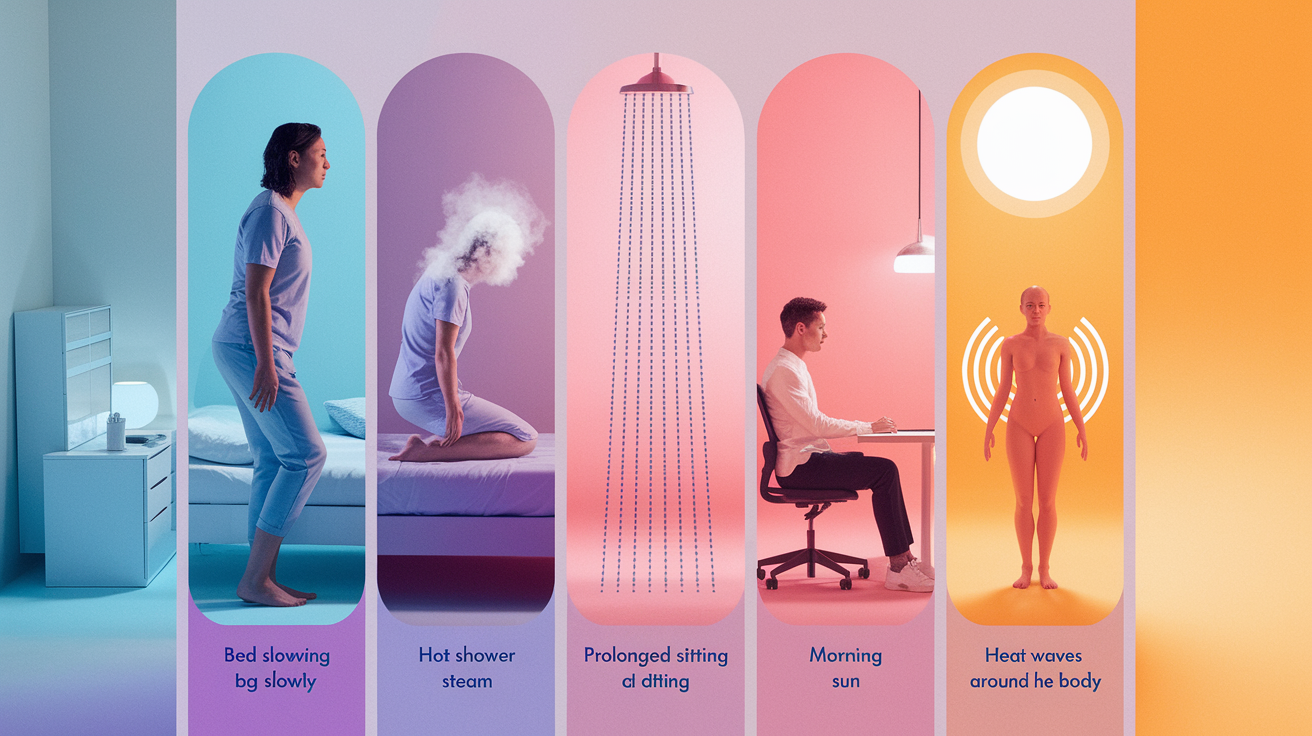
Even if your cardiovascular system is healthy, certain everyday behaviors and situations make postural dizziness causes more likely. Standing up too quickly is the most common trigger. When you rise abruptly, you skip the brief pause that gives your baroreceptor reflex time to catch up. Prolonged sitting or lying, especially first thing in the morning, also raises risk because your circulation has adapted to a horizontal position and takes longer to adjust to gravity when you stand. Long periods of sitting at a desk or staying in bed during illness can reduce your body’s orthostatic tolerance, the ability to maintain stable blood pressure when upright.
Heat exposure and morning positional changes are also powerful contributors. Hot showers, saunas, or warm weather cause your blood vessels to dilate, which lowers blood pressure and amplifies the standing up too quickly mechanism. In the morning your blood pressure is naturally lower after hours of sleep, so the first trip out of bed is when prolonged sitting effects or overnight mild dehydration most often cause lightheadedness.
Common situational triggers include:
- Rising abruptly from bed or a chair without pausing
- Remaining seated or lying down for an extended time (hours to days)
- Exposure to heat, hot baths, or warm environments
- Standing up first thing in the morning before moving around
- Transitioning from a resting position during or after illness
Medical Conditions That Commonly Cause Dizziness When Standing
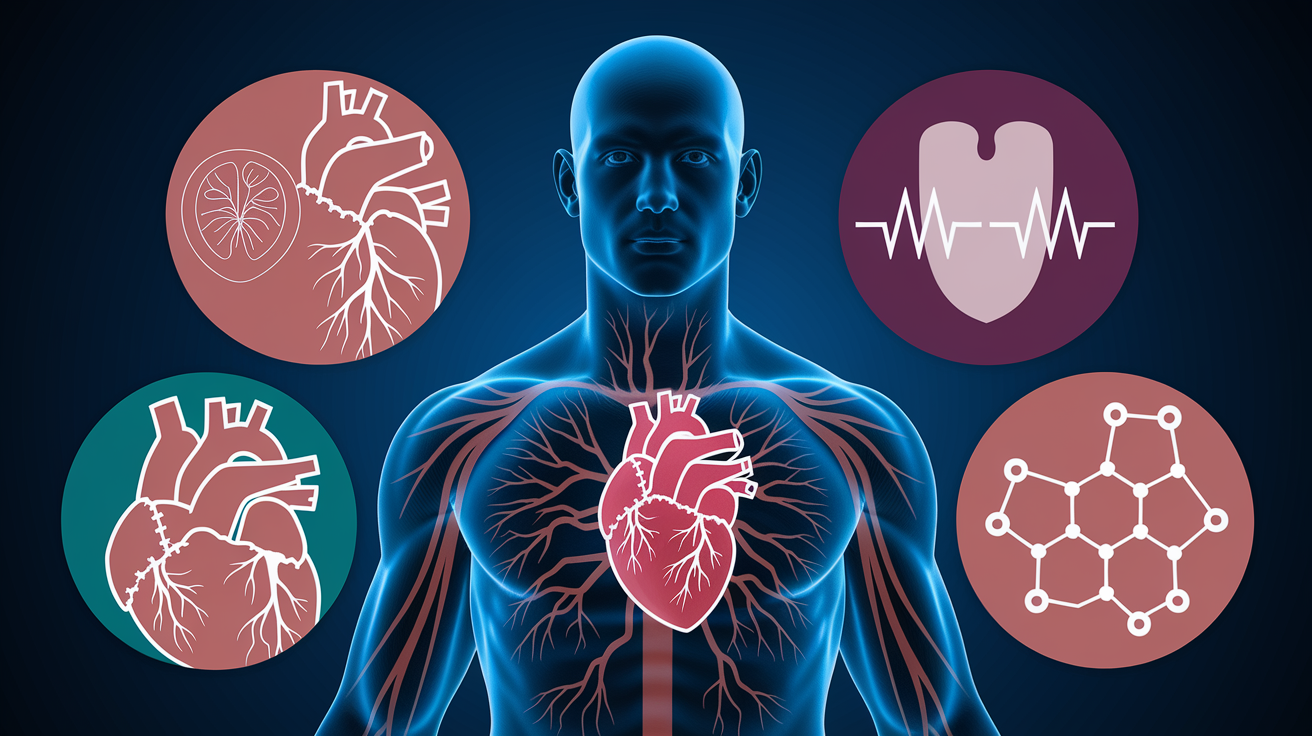
Certain chronic health conditions disrupt the autonomic reflexes or blood supply that keep your blood pressure stable when you stand. Diabetic autonomic neuropathy is one of the most common causes. Long standing diabetes can damage the nerves that control your heart rate and blood vessel tone, leading to autonomic dysfunction and standing dizziness. Thyroid disorders (both overactive and underactive thyroid) alter heart rate and vascular resistance, while Addison’s disease (adrenal insufficiency) reduces circulating hormones that help maintain blood pressure and salt balance.
Heart problems causing dizziness include arrhythmias, which produce an irregular or too slow pulse that can’t compensate for blood pooling. Heart valve disease restricts forward blood flow, and heart failure means the heart’s weakened pump can’t meet the demands of standing. Anemia and dizziness are linked because low red blood cell counts mean less oxygen is delivered to the brain with each heartbeat, so even a mild drop in blood flow can trigger lightheadedness.
Neurodegenerative diseases like Parkinson’s disease and certain forms of dementia damage the autonomic nervous system over time, producing persistent orthostatic symptoms. Chronic venous insufficiency and prolonged bed rest after surgery or illness also reduce the leg muscles’ ability to push blood back to the heart.
| Condition | How It Causes Dizziness | Common Associated Symptoms |
|---|---|---|
| Diabetic autonomic neuropathy | Damages nerves controlling heart rate and vascular tone | Numbness in feet, sweating changes, digestive issues |
| Parkinson’s disease | Impairs autonomic reflexes and dopamine regulation | Tremor, slow movement, muscle rigidity |
| Heart valve disease or arrhythmias | Reduces cardiac output or disrupts compensatory heart rate response | Chest pain, palpitations, shortness of breath |
| Addison’s disease (adrenal insufficiency) | Lowers circulating cortisol and aldosterone, reducing BP and salt retention | Fatigue, darkened skin patches, salt cravings |
The Role of Dehydration, Heat, and Blood Volume in Standing Dizziness
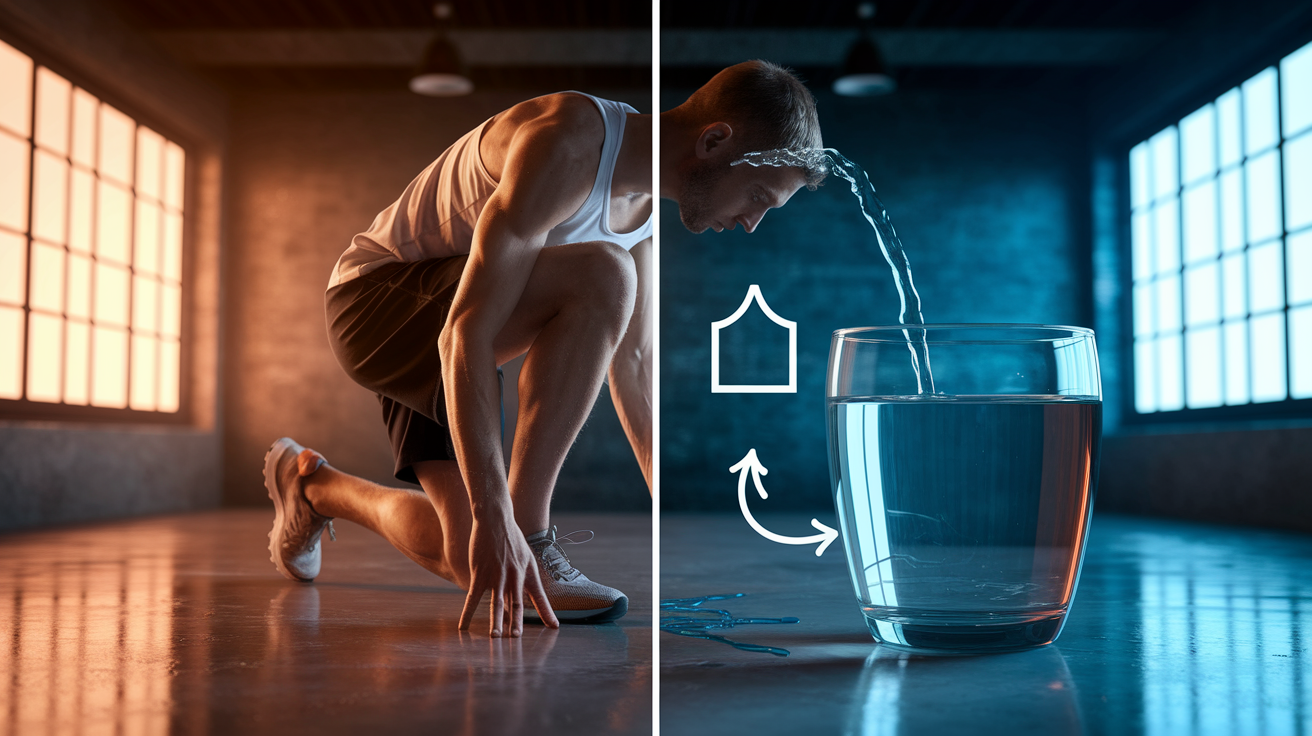
Dehydration and lightheadedness go hand in hand because low fluid intake shrinks your total blood volume, a state called hypovolemia. When your blood volume is low, there’s simply less fluid for your heart to pump, so even a normal shift in position can cause a bigger drop in pressure. Overheating accelerates fluid loss through sweating, and if you don’t replace both water and electrolytes (sodium, potassium), you’re left with a smaller, more dilute blood supply that can’t maintain adequate circulation when you stand.
Common hypovolemia signs include a dry mouth, dark yellow urine, fatigue, and feeling worse when you get up. Vomiting, diarrhea, or a night of heavy sweating can all produce enough fluid loss to trigger postural dizziness the next morning. Electrolyte imbalance effects add another layer. Low sodium or potassium impairs the signals that keep your blood vessels constricted and your heart beating at the right rate, so even mild dehydration becomes harder for your body to manage.
How Medications Can Trigger Dizziness When Standing

Many prescription and over the counter drugs lower blood pressure or slow the reflexes that stabilize it when you stand. Antihypertensive drugs and orthostasis are closely linked. Medications designed to treat high blood pressure, such as ACE inhibitors, beta blockers, and calcium channel blockers, can sometimes lower pressure too much, especially when combined with one another. Diuretics and low blood pressure are another common pairing because diuretics reduce blood volume by increasing urine output, leaving less fluid in circulation to support your upright posture.
Other medication side effects causing faintness include nitrates (used for chest pain), which dilate blood vessels and drop pressure suddenly, and certain antidepressants or antipsychotics that interfere with autonomic reflexes. Even drugs for erectile dysfunction can cause significant blood pressure drops, particularly if taken with nitrates or other blood pressure medications. Over the counter allergy or cold medicines that list “may cause drowsiness or dizziness” can add to the problem when combined with prescription drugs.
Medication categories that commonly worsen standing dizziness include:
- Blood pressure drugs (ACE inhibitors, ARBs, beta blockers, alpha blockers, diuretics)
- Nitrates and other medications for angina (chest pain)
- Selective serotonin reuptake inhibitors (SSRIs) and tricyclic antidepressants
- Antipsychotics and medications for Parkinson’s disease
Inner Ear and Neurologic Causes of Dizziness on Standing
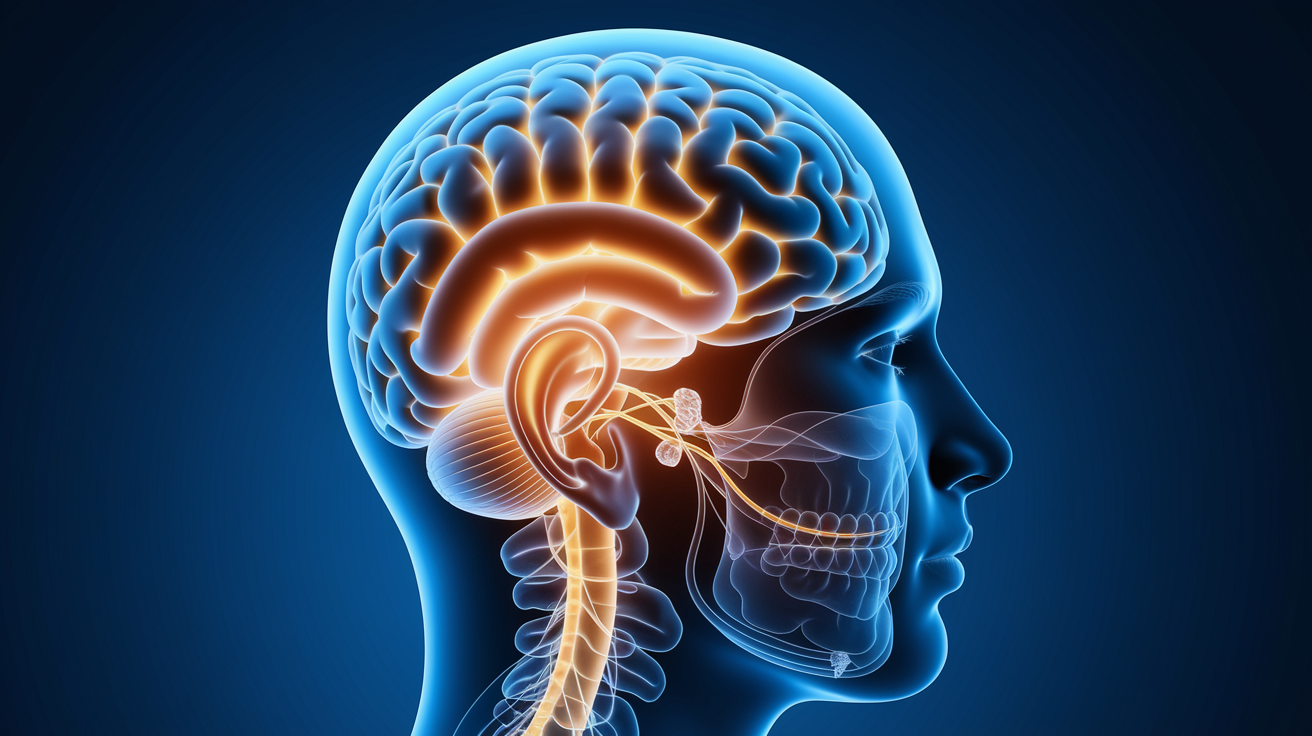
Not all dizziness when standing is caused by a drop in blood pressure. Inner ear disorders and vertigo, especially benign paroxysmal positional vertigo (BPPV) and vestibular neuritis, produce a spinning or tilting sensation that can be triggered or worsened by changes in head position, including the act of standing up. BPPV happens when tiny calcium crystals in the inner ear shift into the wrong canal, sending false motion signals to your brain. Vestibular neuritis is inflammation of the balance nerve, often after a viral infection, and it causes sudden, severe vertigo that may feel worse when you move.
These vestibular conditions don’t usually involve a measurable blood pressure drop, but the spinning sensation can be disorienting enough that you feel unsteady or lightheaded. Neurologic causes of sudden lightheadedness, such as a transient ischemic attack (mini stroke), migraine associated vertigo, or multiple sclerosis, can also mimic or overlap with orthostatic symptoms. The key difference is that true vertigo feels like the room is moving, while blood pressure related lightheadedness feels more like faintness or a “head rush.”
How Clinicians Diagnose Orthostatic Causes of Standing Dizziness
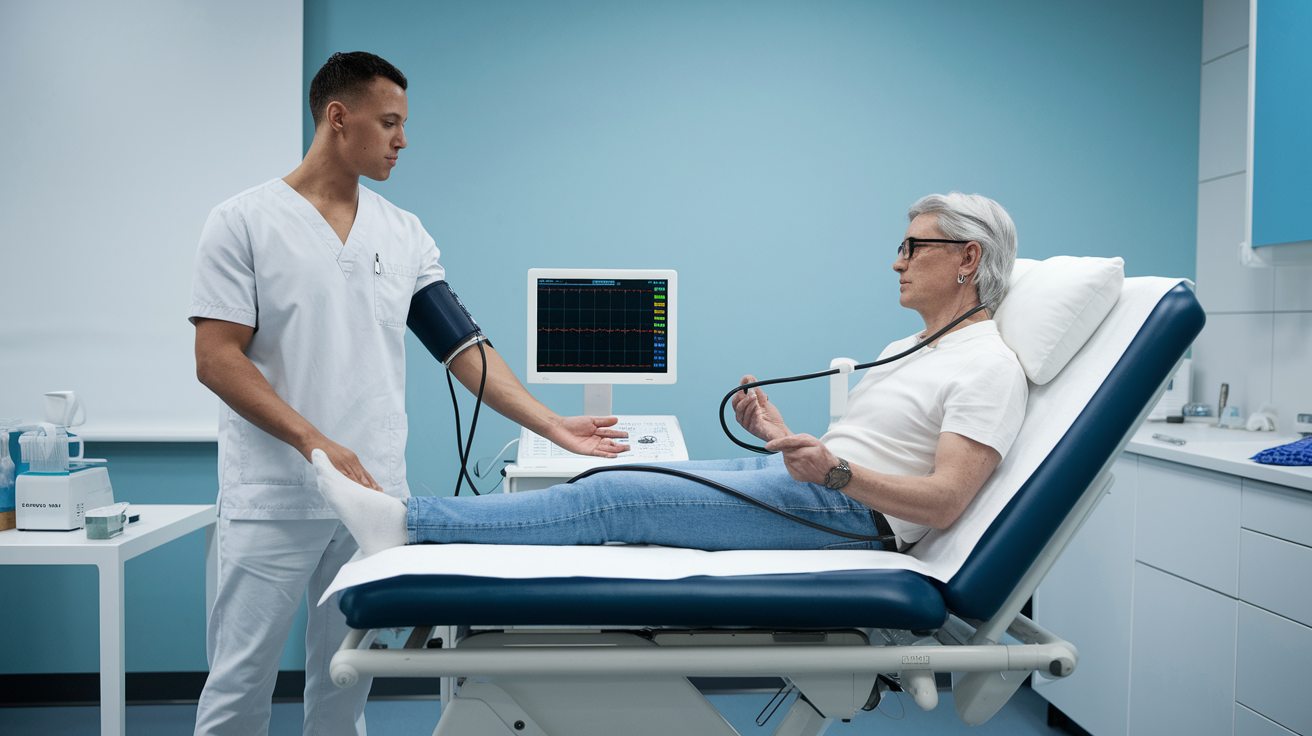
The first and most important test is measuring orthostatic vital signs. Your clinician will check your blood pressure and pulse while you’re lying down, then have you stand and measure again immediately, at 1 minute, and at 3 minutes. A drop of 20 mmHg systolic or 10 mmHg diastolic within that window confirms orthostatic hypotension. They’ll also watch for a big jump in heart rate. If it rises by 30 beats per minute or more without a corresponding blood pressure drop, that suggests postural orthostatic tachycardia syndrome (POTS) instead.
If the bedside test is inconclusive or symptoms are severe and recurrent, tilt table testing indications come into play. You lie on a motorized table that tilts you upright while continuous monitors track blood pressure, heart rate, and symptoms. This controlled setting can reveal delayed or subtle drops that might not show up in a quick office check. An ECG in fainting evaluation looks for arrhythmias or conduction problems that could explain why your heart isn’t compensating properly.
Blood tests for anemia and electrolytes (complete blood count, sodium, potassium, glucose, and sometimes thyroid or cortisol levels) help identify underlying causes. In complicated or recurrent cases, your doctor may order autonomic testing (sweat tests, heart rate variability analysis) or refer you to cardiology or neurology for advanced workup.
Key diagnostic tools include:
- Orthostatic vital signs (lying, standing, 1 minute, 3 minute measurements)
- Tilt table testing for recurrent or unclear cases
- 12 lead ECG or Holter monitor to detect arrhythmias
- Complete blood count and basic metabolic panel (electrolytes, glucose)
- Specialized autonomic function tests if neurologic or chronic dysfunction is suspected
Prevention Strategies for Dizziness When Standing

The most effective prevention strategies for standing dizziness are simple changes in how and when you move. A gradual standing technique is key. When getting out of bed or up from a chair, sit on the edge for 30 to 60 seconds and let your legs dangle before you fully stand. This pause gives your baroreceptors time to adjust and your leg muscles a chance to start pumping blood upward. Move slowly in the morning, when your blood pressure is naturally lower, and avoid sudden head movements or bending over right after you stand.
Hydration tips to reduce fainting risk start with drinking enough water throughout the day. Aim for pale yellow urine as a simple hydration check. If you’ve been sweating heavily, sick with vomiting or diarrhea, or out in the heat, replace lost electrolytes with a sports drink or an oral rehydration solution. Some people benefit from drinking about 500 mL (roughly 16 ounces) of water quickly before standing in the morning, which can transiently raise blood pressure within minutes.
Compression stockings rated at 20 to 30 mmHg, especially thigh high or waist high styles, help prevent blood from pooling in your legs. Physical counter maneuvers like crossing your legs while standing, tensing your thigh and buttock muscles, or squeezing your hands into fists can also push blood back toward your heart and brain. Avoid long hot showers, saunas, or standing still in the heat. Eat smaller, more frequent meals instead of large ones, because digestion diverts blood to your gut and can trigger postprandial hypotension (a drop in blood pressure after eating).
Practical daily prevention steps include:
- Sit on the edge of the bed or chair for 30 to 60 seconds before standing
- Drink water throughout the day and check urine color (pale yellow is the goal)
- Replace fluids and electrolytes after sweating, illness, or heat exposure
- Wear compression stockings (20 to 30 mmHg) if recommended by your clinician
- Contract leg and core muscles while standing to help push blood upward
- Review all medications with your doctor or pharmacist to identify drugs that may lower blood pressure
When Standing Dizziness Requires Medical Attention or Emergency Care

Most brief episodes of lightheadedness when standing don’t need emergency care, but certain warning signs mean you should get help right away. Call emergency services or go to the nearest emergency department if your dizziness is accompanied by chest pain, trouble breathing, sudden weakness or numbness on one side of your body, slurred speech, or confusion. These can be clinical red flags needing immediate care for a heart attack, stroke, or serious arrhythmia.
Seek prompt (same day or next day) medical evaluation if you’ve fainted and hit your head or injured yourself, if you’re having frequent dizzy spells that last longer than 15 seconds and interfere with daily life, or if you’ve had multiple fainting episodes. New or worsening palpitations, recurrent falls, or dizziness that doesn’t improve when you sit or lie down also warrant a clinical evaluation. People with diabetes, heart disease, Parkinson’s disease, or other chronic conditions should have a lower threshold for when to see a doctor for fainting episodes, because these conditions increase the risk of serious complications.
Emergency or urgent red flags include:
- Fainting with head injury, bleeding, or inability to get up safely
- Chest pain, shortness of breath, or rapid irregular heartbeat
- Sudden neurologic changes (weakness, numbness, trouble speaking, vision loss)
- Repeated falls or near falls that put you at risk of injury
- Dizziness that persists or worsens despite sitting or lying down, or occurs without positional change
Final Words
Orthostatic hypotension, a drop in blood pressure within a minute or two of standing, is the main reason people feel lightheaded when they stand. Gravity pulls blood into the legs, delayed reflexes lower brain blood flow, and that causes dizziness, blurred vision, or fainting.
If you’re wondering what causes dizziness when standing up, check for dehydration, quick rises, recent medicines, or other health issues, and tell your clinician the timing and severity. Small changes often help, and there’s usually a clear next step to feel steadier.
FAQ
Q: Should I be worried if I get dizzy when I stand up?
A: Dizziness when you stand up is often orthostatic hypotension, a brief blood pressure drop that usually improves with sitting, fluids, and slow rising; see a clinician for fainting, chest pain, shortness of breath, or persistent symptoms.
Q: What drink stops dizziness?
A: A drink that helps stop dizziness is plain water or an oral rehydration drink; sip a glass slowly, rest, and replace electrolytes after heavy sweating, vomiting, or low fluid intake.
Q: What are the top 3 causes of dizziness? / What are the four causes of dizziness?
A: The top causes of dizziness are orthostatic hypotension (blood pressure drop on standing), inner ear vestibular problems, low blood volume or dehydration, and medications or heart problems that reduce brain blood flow.