

You don’t always need medicine to calm an upset stomach.
If your stomach’s queasy, gentle home steps often work fast.
This post shows how to calm an upset stomach naturally at home with simple fixes you can try right now, slow sips of water or ginger tea, warmth on your belly, sitting up or a short walk, and bland foods.
You’ll also get what to track, safe over the counter options, and clear signs that mean you should see a clinician.
No drama. Just practical steps.
Quickest Ways to Relieve Stomach Discomfort Right Now
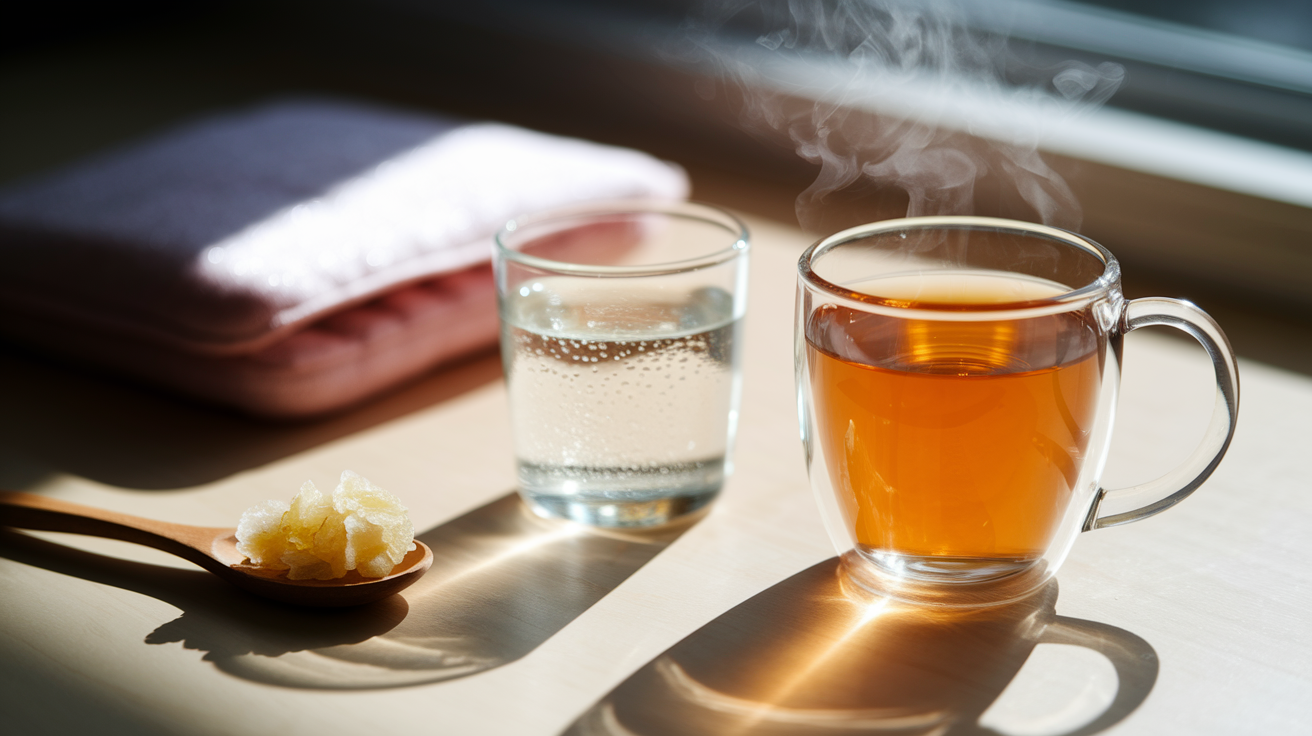
Start with small sips of water or an oral rehydration solution. We’re talking one to two tablespoons every minute or two for the first five to ten minutes. Slow hydration gives your stomach a chance to settle without overwhelming it. If plain water feels like too much, try ginger tea. Steep a teaspoon of fresh ginger slices in hot water for five minutes, or chew a small piece of crystallized ginger. Ginger has natural compounds that can reduce nausea and help your digestive tract move more smoothly.
Peppermint tea or a few drops of peppermint oil in water can relax the muscles lining your stomach and intestines. This makes cramping and bloating less intense. Skip peppermint if you’re dealing with heartburn, since it can make reflux worse. If you’re experiencing cramping or tightness, place a heating pad or warm water bottle on your abdomen for ten to fifteen minutes. The warmth encourages muscles to relax and can ease those sharp, uncomfortable sensations that come with an upset stomach.
For quick symptom control, you can consider an over the counter antacid to neutralize stomach acid if heartburn or indigestion is part of the problem. Many people feel noticeable relief within minutes, especially when acid reflux is contributing to discomfort.
Five immediate steps to try right now:
- Sit upright and take slow, deep breaths for two to three minutes to calm your nervous system and reduce nausea.
- Sip one to two tablespoons of water or ginger tea every couple of minutes, working up to a quarter cup over fifteen minutes.
- Apply a heating pad to your stomach for ten to fifteen minutes to ease cramping.
- Drink a cup of peppermint or chamomile tea if you’re feeling bloated or mildly nauseous. Skip peppermint if heartburn is present.
- Take an antacid tablet if you’re experiencing burning or acid related discomfort. Follow the package directions for dosing.
Common Reasons Your Stomach Becomes Upset
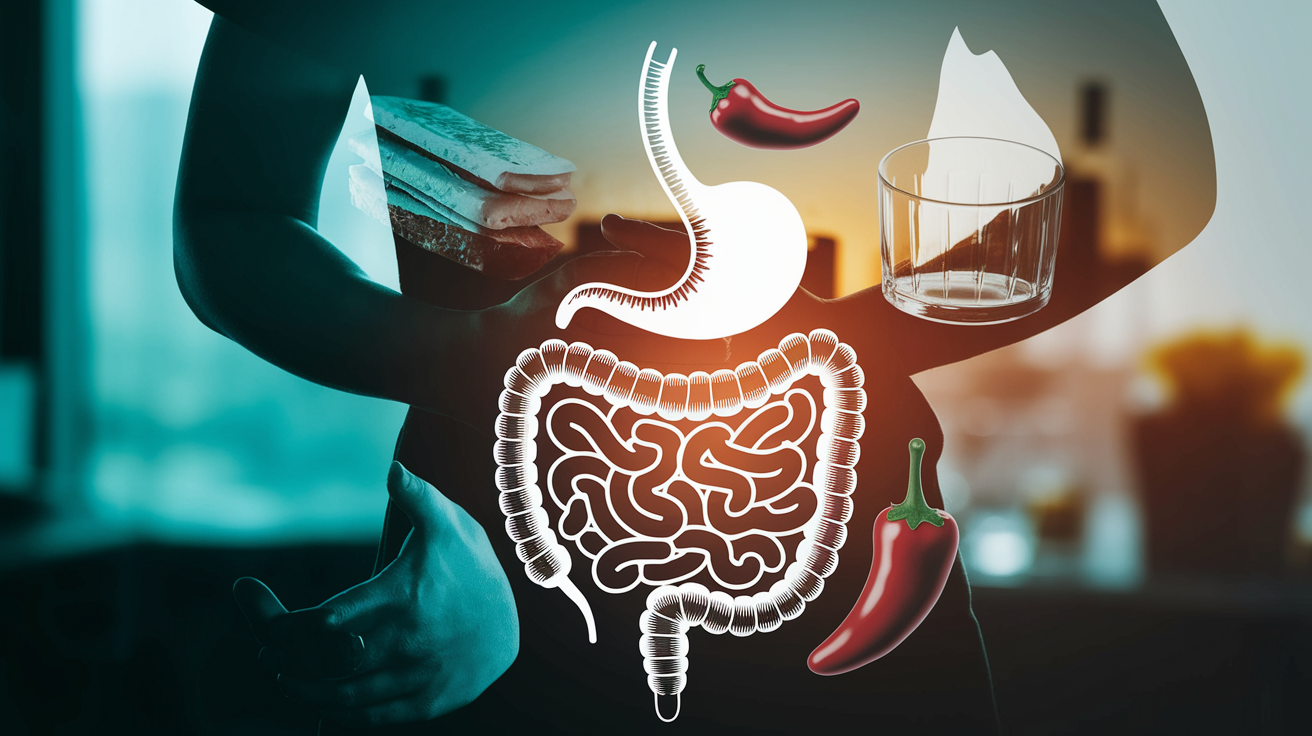
Upset stomachs often come from eating too much, too quickly, or choosing foods that are hard to digest. High fat meals, spicy dishes, and alcohol can irritate the lining of your stomach or slow down the normal rhythm of digestion. You’re left feeling uncomfortably full, bloated, or nauseous. Sudden changes in your diet, like trying new cuisines or eating unfamiliar ingredients, can trigger temporary digestive disruption as your system adjusts.
Stress and anxiety play a bigger role than most people expect. When you’re anxious or under pressure, your body diverts resources away from digestion. This can lead to cramping, slower stomach emptying, and a general sense of queasiness. Mild viral infections, food sensitivities like lactose or gluten intolerance, and even certain medications can inflame or irritate the digestive tract. The symptoms feel like a classic upset stomach. Most of these causes resolve on their own within hours to a couple of days, but understanding what triggered the discomfort can help you adjust your next steps.
Dietary Adjustments That Help Settle the Stomach
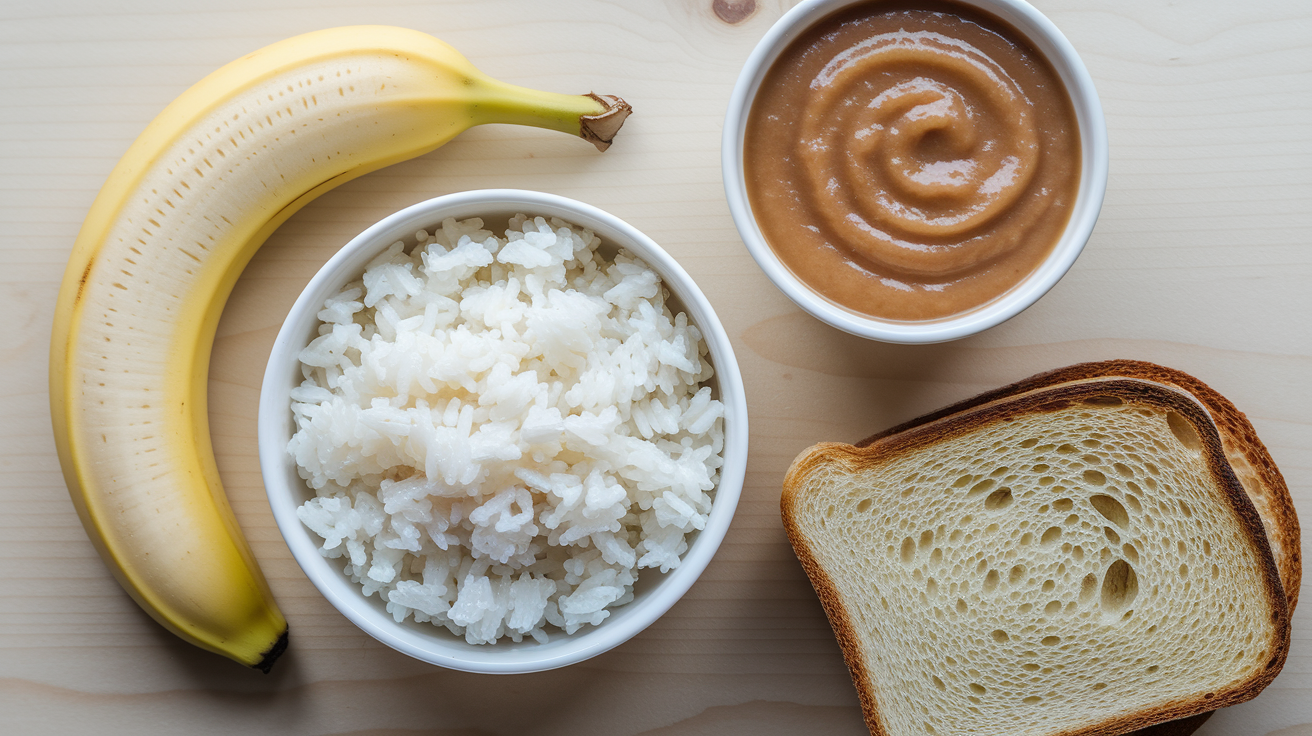
When your stomach feels off, choosing bland, easy to digest foods gives your digestive system a break. The BRAT diet is a time tested starting point. Bananas, rice, applesauce, and toast. Bananas provide potassium and natural sugars without irritating your stomach. Plain white rice and toast act as gentle starches that absorb excess acid and firm up loose stools. Applesauce is soft, low in fiber, and naturally sweet, making it easy to tolerate even when you’re feeling queasy. Keep portions small, about a quarter to half a cup every two to three hours, and eat slowly.
Avoid foods that add extra work for your stomach. Skip anything greasy, fried, or heavily spiced for at least 24 to 48 hours. Dairy products, especially milk and cheese, can be harder to digest if you’re dealing with nausea or diarrhea. It’s often safer to wait a day or two before adding them back. Acidic foods like citrus, tomatoes, and vinegar based dressings can make irritation worse. Caffeine or carbonated drinks may increase bloating or reflux.
Four dietary tips to ease stomach discomfort:
- Eat five to six small portions throughout the day instead of two or three large meals to reduce the digestive load.
- Choose plain crackers, boiled potatoes, or oatmeal made with water as safe, gentle options if you’re ready to eat but still feeling cautious.
- Drink clear broths or herbal teas between meals to stay hydrated without adding bulk or irritation.
- Wait until you’ve had 24 hours without symptoms before reintroducing richer foods like meat, dairy, or anything spicy.
Body Positioning and Gentle Lifestyle Adjustments

Sitting upright or reclining with your head and chest elevated at about a 30 degree angle helps your stomach empty more efficiently. It reduces the chance of acid backing up into your esophagus. If you’re lying down, try resting on your left side. This position encourages the natural flow of stomach contents toward the lower part of your digestive tract and can reduce the pooling of acid that leads to heartburn or discomfort.
Light movement, like a ten to twenty minute walk around your home or neighborhood, can stimulate digestion and help trapped gas move through your intestines. Avoid tight waistbands, belts, or fitted clothing that press against your abdomen. The added pressure can make cramping, bloating, and reflux feel worse. Small adjustments like these don’t require special equipment or planning. They often provide noticeable relief within 15 to 30 minutes.
Over the Counter Options for Stomach Relief
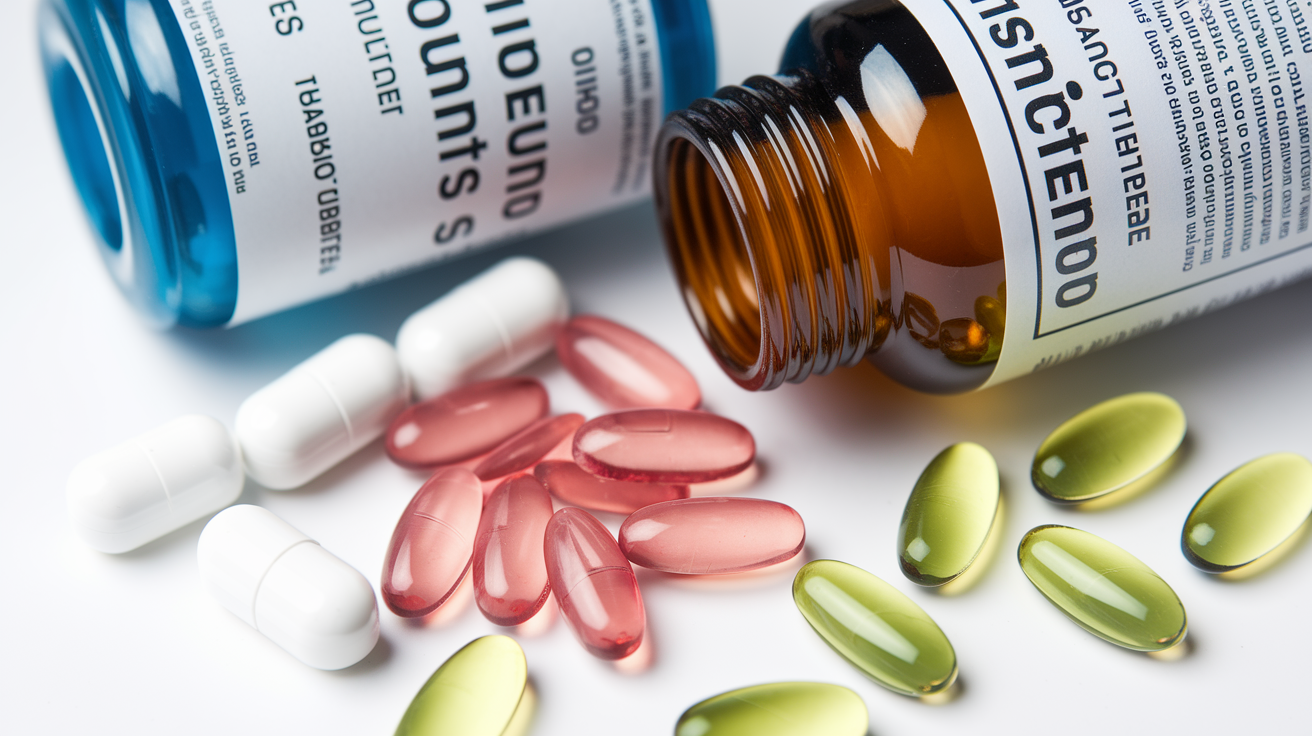
Antacids like calcium carbonate work by neutralizing stomach acid. They can quickly ease the burning sensation of heartburn or indigestion. Most people feel relief within minutes of chewing a tablet. You can take antacids as needed, but if you’re reaching for them more than twice a week, it’s worth talking to a clinician. You want to rule out something more persistent like gastroesophageal reflux disease.
Simethicone is an anti gas medication that breaks up gas bubbles in your digestive tract. This makes it easier to pass gas and reduces bloating. It doesn’t get absorbed into your bloodstream, so it’s generally safe to use as directed on the package. Bismuth subsalicylate, the active ingredient in products like Pepto Bismol, can calm nausea, reduce mild diarrhea, and soothe irritation in your stomach lining. It’s typically dosed at 524 milligrams, which is two tablets, every 30 to 60 minutes as needed. That’s up to eight doses per day. Avoid giving bismuth subsalicylate to children or teenagers recovering from viral illnesses. It carries a risk of a rare but serious condition called Reye’s syndrome.
Digestive enzyme supplements, available over the counter, can help if you’re dealing with discomfort after eating foods that are harder to break down. Think beans, dairy, or high fiber meals. These enzymes assist your body in digesting proteins, fats, and carbohydrates more completely, which can reduce bloating and gas. Always follow the dosing instructions on the label. If symptoms don’t improve after a day or two of using these products, reach out to a healthcare provider for guidance.
When an Upset Stomach May Indicate Something More Serious

Most upset stomachs resolve on their own. But certain symptoms are signals that you need medical evaluation sooner rather than later. Severe pain that gets worse over time, especially if it’s sharp or localized to one spot, can point to conditions like appendicitis, gallbladder disease, or a blockage in your intestines. Vomiting that lasts more than 24 hours or keeps you from keeping down even small sips of water puts you at risk for dehydration. That requires professional attention.
Blood in your vomit or stool, or stools that look black and tarry, can indicate bleeding somewhere in your digestive tract. A high fever over 101.5°F or 38.6°C, signs of dehydration like dizziness when you stand up or very little urine output, or pain in your lower right abdomen are all reasons to contact a doctor or go to urgent care the same day.
Five warning signs that require immediate medical care:
- Persistent vomiting for more than 24 hours or inability to keep fluids down for 12 hours.
- Blood in vomit or stool, or black, tar like bowel movements.
- Severe abdominal pain that worsens or doesn’t ease with position changes or over the counter remedies.
- High fever above 101.5°F or 38.6°C, or a fever lasting more than five days.
- Signs of dehydration such as extreme thirst, very dark urine, dizziness, rapid heartbeat, or confusion.
Final Words
You’ve just got practical steps to calm an upset stomach: fast relief tips, common triggers, food choices, posture fixes, OTC options, and clear red flags to watch.
Today, try sipping water slowly, ginger or peppermint tea, a 10–15 minute warm compress, bland foods, or an antacid if needed. Track what helps and what makes things worse.
Knowing how to calm an upset stomach helps you act sooner and feel less anxious. Most people improve with these steps, and you’ll likely feel better within hours.
FAQ
Q: What is the fastest way to settle an upset or sick-feeling stomach?
A: The fastest way to settle an upset or sick-feeling stomach is to sip small amounts of water, try ginger or peppermint tea, apply a warm compress for 10–15 minutes, and consider an OTC antacid if needed.
Q: What is a natural alternative to Pepto Bismol?
A: A natural alternative to Pepto Bismol is ginger (tea or chews) or peppermint tea to ease nausea and cramping; plain yogurt or probiotic foods can support digestion. Check with your clinician if you’re pregnant or on medications.