
What if most headaches eased without a pill?
A lot of headaches come from things you can fix right now — dehydration, tight neck muscles, or stress that keeps your body tense.
This guide shows simple, safe steps you can try quickly: drink water, use cold or heat the right way, breathe and move, and press the right points to release tension.
You’ll get six immediate techniques, extra temperature tricks, and clear signs for when to see a clinician.
Immediate Natural Relief Techniques for Treating a Headache Without Medicine
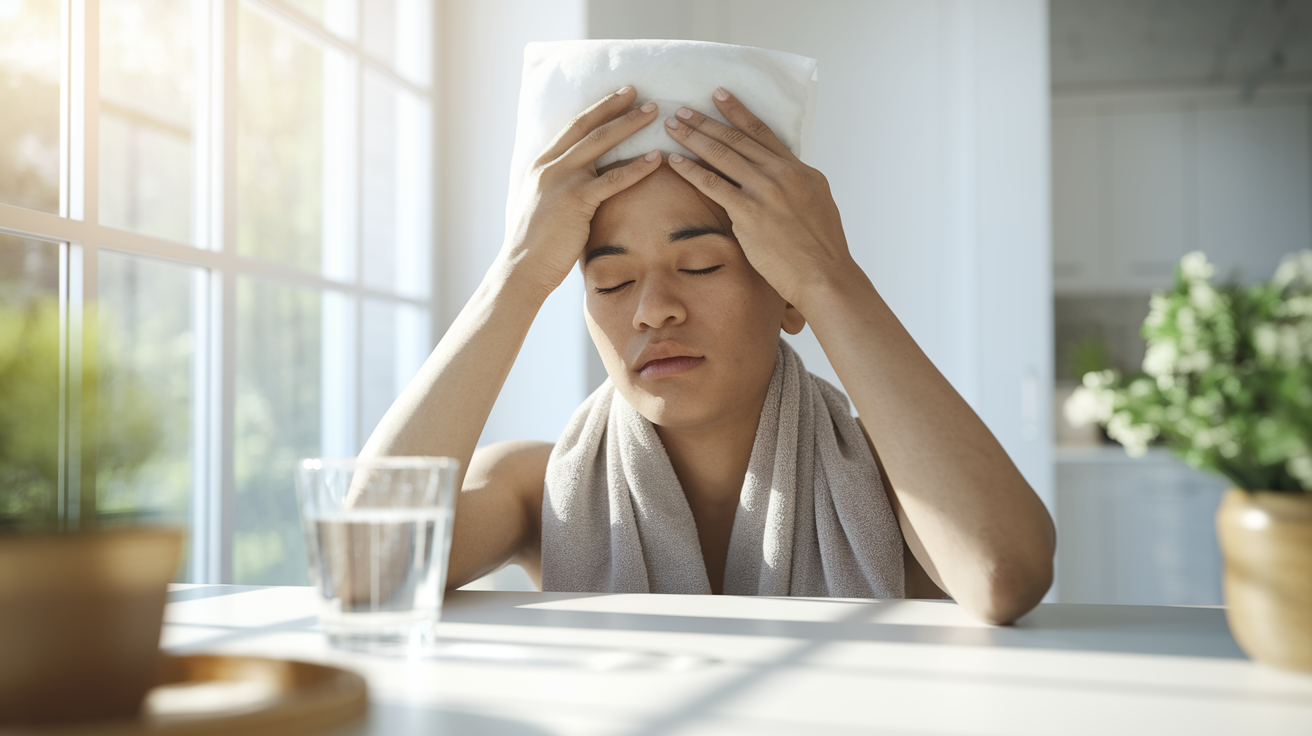
Headaches respond to non-medication approaches because they’re often tied to things you can fix right now. When you’re dehydrated, your blood volume drops and less oxygen reaches your brain. That triggers pain signals. Tension in your neck and shoulders restricts blood flow and compresses nerves that run up to your head. Stress kicks your body into fight-or-flight mode, tightening muscles and ramping up inflammation. Address these root causes directly (rehydrate, release tight muscles, calm your nervous system) and you can often reduce headache intensity without reaching for a pill.
Temperature therapy works two different ways. Cold slows down nerve transmission and tightens up dilated blood vessels, which is why a cold compress on your forehead can dull that throbbing migraine pain. Warmth increases blood flow and relaxes contracted muscle fibers. A warm towel on tight neck muscles feels soothing almost immediately. The trick is matching the right temperature to your headache type. Pressure and tightness? Try heat. Pounding and inflammation? Go cold.
Gentle movement and controlled breathing pull your body out of pain mode. A short walk triggers endorphin release (your body’s natural pain relievers). Deep breathing increases oxygen to your brain and activates the parasympathetic nervous system, which counteracts the stress response driving tension headaches. These techniques work quickly because they interrupt the cycle of muscle tension, shallow breathing, and pain amplification.
Six immediate steps to relieve a headache naturally:
-
Drink a large glass of water immediately. Aim for 16 ounces of cool water within the first few minutes. Dehydration is one of the most common headache triggers, and rehydration can reduce pain within 30 minutes to two hours.
-
Apply a cold compress to the forehead for 10 to 15 minutes. Use a cold pack, ice wrapped in a thin towel, or a bag of frozen vegetables. The cold slows nerve conduction and reduces vascular swelling that causes throbbing.
-
Use a warm compress on neck and shoulders if muscles feel tight. A warm, damp towel or heating pad placed on the base of your skull and upper shoulders loosens knotted muscles that refer pain to your head.
-
Practice slow deep breathing for 1 to 2 minutes. Breathe in through your nose for a count of four, hold briefly, then exhale slowly through your mouth for six counts. This calms your nervous system and increases oxygen flow.
-
Dim lights and rest in a quiet space. Bright light and noise amplify headache pain, especially during migraines. Lie down in a dark, quiet room for at least 15 minutes.
-
Stretch neck and shoulders gently for 30 seconds each. Tilt your head slowly toward each shoulder, holding the stretch without forcing. Roll your shoulders backward in slow circles to release built up tension.
You can combine these steps. Drink water while applying a cold compress, then move to gentle stretching once the sharp pain eases.
Advanced Temperature Based Techniques for Natural Headache Relief
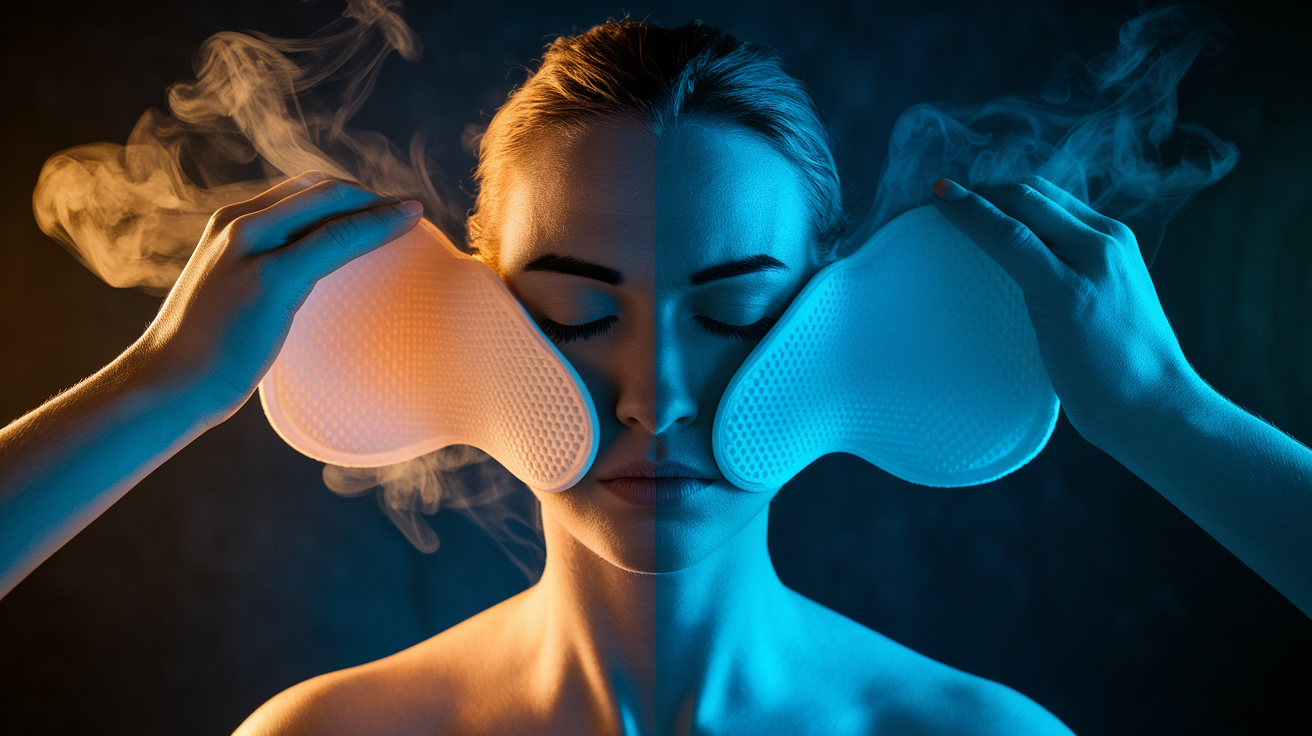
When basic compresses aren’t enough, sinus focused heat methods can address congestion related headaches. Warm sinus pads (small gel packs designed to rest across your nose and cheeks) deliver sustained gentle heat that loosens mucus and reduces pressure in the frontal sinuses. Steam inhalation works similarly. Lean over a bowl of hot (not boiling) water with a towel draped over your head, breathing slowly for five to ten minutes. The moist heat opens sinus passages and can relieve the dull, heavy ache that comes with sinus congestion. Some people add a splash of apple cider vinegar to the water (about 1/4 cup per three cups of water) for its mild antimicrobial properties, though plain steam is effective on its own.
Contrast therapy alternates warm and cool applications to improve circulation and release deep muscle tension. Start with a warm compress on your neck and shoulders for three minutes, then switch to a cool compress for one minute. Repeat the cycle three to four times, always ending on cool. The alternating temperatures cause blood vessels to dilate and constrict rhythmically, which can flush out metabolic waste products from tense muscles and reduce inflammation. This approach works well for tension headaches that don’t respond fully to heat or cold alone. It’s particularly helpful if your headache is tied to poor posture or long hours at a desk, where restricted blood flow contributes to the pain.
Temperature therapy safety reminders:
Avoid placing extreme heat or cold directly on skin. Always use a thin towel or cloth barrier to prevent burns, frostbite, or skin irritation. Limit any heat, steam, or contrast session to 15 to 20 minutes to avoid overheating or numbing tissues. Stop immediately if skin becomes numb, painful, overly red, or if breathing feels irritated during steam inhalation.
Hydration and Nutrition Strategies for Natural Headache Treatment
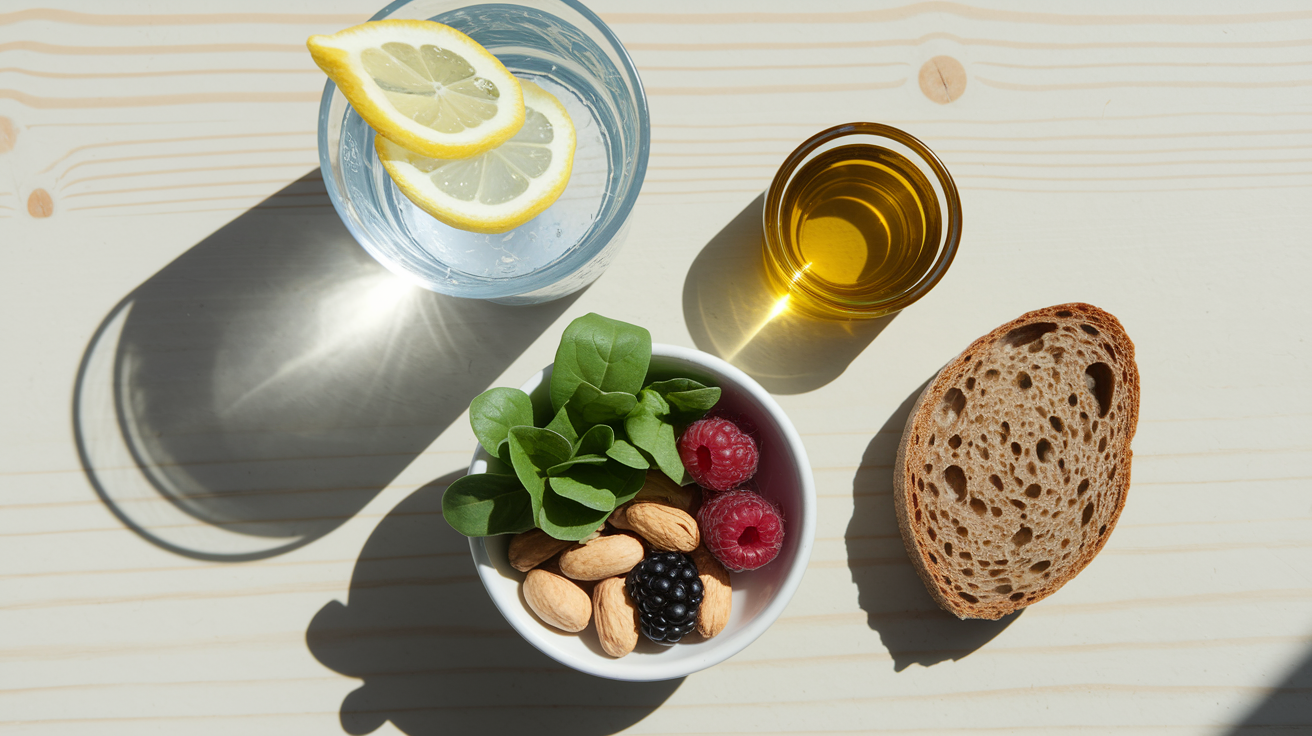
Dehydration is one of the simplest and most overlooked headache triggers. When your body loses more fluid than it takes in (through sweating, breathing, or simply not drinking enough), blood volume drops and your brain temporarily contracts away from your skull. That pulling sensation registers as pain. Drinking six to eight 8 ounce glasses of water daily (48 to 64 ounces total) keeps tissues hydrated and supports steady blood flow to the brain. If you’re active, in a hot climate, or drinking caffeine or alcohol, you’ll need more. A quick self check: if your urine is darker than pale yellow, you’re likely under hydrated.
Skipping meals or eating irregularly can trigger headaches through blood sugar swings. When you go too long without food, blood glucose drops, and your brain (which relies almost entirely on glucose for fuel) signals distress as a headache. Eating small, balanced meals every three to four hours keeps blood sugar stable. A low inflammation diet also reduces headache frequency over time. Processed foods, white flour products, fried items, and added sugars promote systemic inflammation that can sensitize pain pathways. In contrast, leafy greens, berries, fatty fish, nuts, and extra virgin olive oil provide antioxidants and omega 3 fatty acids that calm inflammation. Ginger and turmeric, often used in teas or cooking, have natural anti inflammatory effects as well.
| Trigger | Effect on Headache | Suggested Adjustment |
|---|---|---|
| Dehydration | Reduces blood volume and oxygen delivery to the brain; causes pulling sensation and pain | Drink 48 to 64 oz water daily; increase intake with activity, heat, or caffeine use |
| Skipped meals | Drops blood glucose, depriving the brain of fuel and triggering pain signals | Eat small balanced meals every 3 to 4 hours; keep a snack handy if meals are delayed |
| Processed foods and white flour | Promote systemic inflammation and sensitize pain pathways over time | Replace with whole grains, fresh vegetables, and minimally processed proteins |
| High sugar intake | Causes rapid blood sugar spikes and crashes, which can trigger rebound headaches | Limit added sugars; choose whole fruits and complex carbs for steady energy |
| Low intake of anti inflammatory foods | Allows chronic low grade inflammation, increasing headache frequency and intensity | Include leafy greens, berries, fatty fish, nuts, olive oil, ginger, and turmeric daily |
Using Pressure Points and Massage to Treat a Headache Naturally
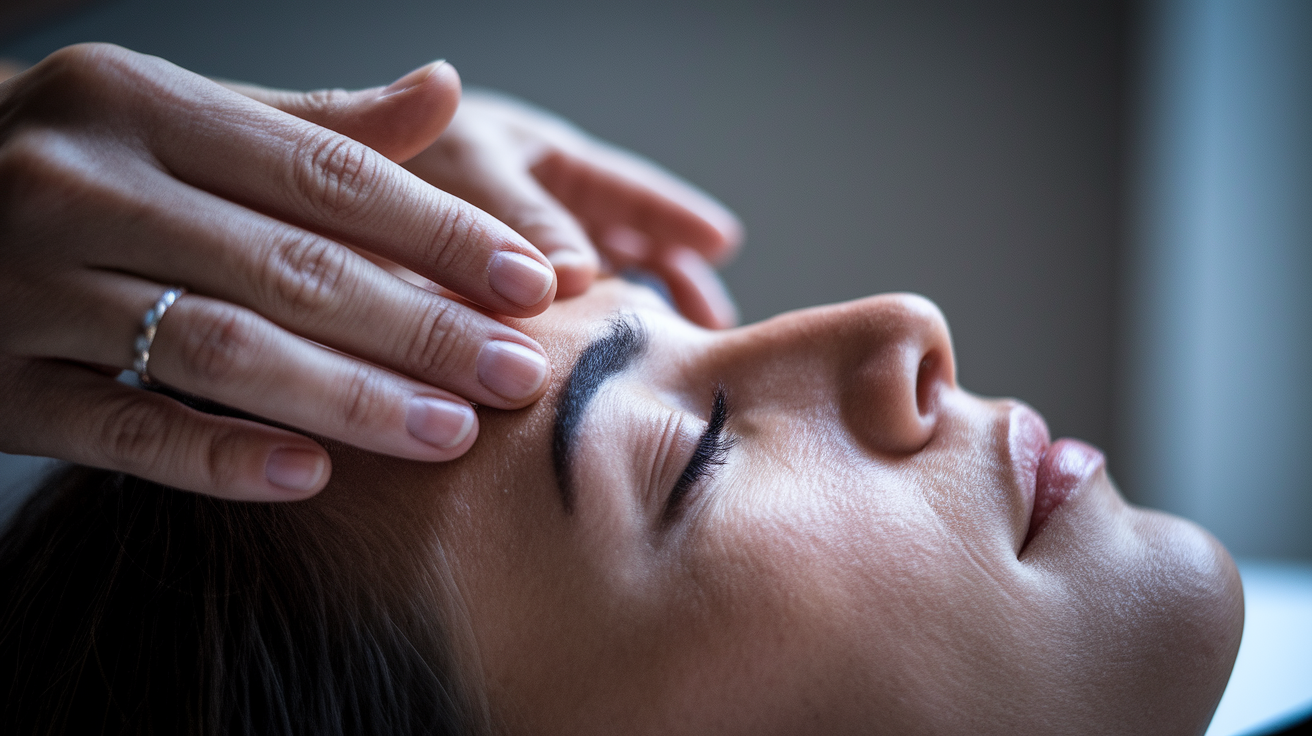
Tension headaches often begin with tight, knotted muscles that refer pain to the head. Self massage and acupressure work by releasing trigger points, improving local blood flow, and calming overactive nerves. You don’t need special training, just steady, gentle pressure applied to the right spots.
Temple and Forehead Pressure Points
Place your index and middle fingers on your temples, just to the outer edge of each eyebrow. Using small, slow circles, apply firm but comfortable pressure for 20 to 30 seconds. You should feel a slight ache under your fingertips. That’s the muscle releasing. Repeat the circles three to four times, then move your fingers to the center of your forehead, about an inch above the bridge of your nose. Press gently and hold for another 20 seconds. This spot, sometimes called the “third eye” point in acupressure, can ease frontal headache pain. For some people, lightly pinching the webbing between the thumb and index finger on each hand (the LI4 point) also provides relief. Press for 30 seconds on each hand, using firm, circular motions.
Neck, Shoulder, and Jaw Massage for Tension Release
Start at the base of your skull, where your neck meets your head. Use your thumbs to press upward into the hollow on each side of your spine (the suboccipital muscles). Hold for 20 seconds, then move your thumbs in small circles. This area is a common trigger point for tension headaches. Next, move to your jaw hinge, just below your ears. Clench your teeth lightly to feel the muscle bulge, then relax and massage that spot in slow circles for 30 seconds. Jaw tension and teeth grinding (bruxism) often contribute to headaches, especially if you wake up with pain. Finally, place one hand on the opposite shoulder and use your fingertips to stroke downward from the base of your neck to your shoulder blade, applying gentle pressure. Repeat five to six times on each side.
If your headache is linked to TMJ dysfunction (jaw misalignment or chronic clenching), these massage techniques can provide immediate relief. But you may also benefit from a dental evaluation. A night guard or targeted physical therapy exercises can address the underlying jaw mechanics and reduce recurring headaches.
Relaxation, Breathing, and Stress Reduction Techniques for Natural Relief
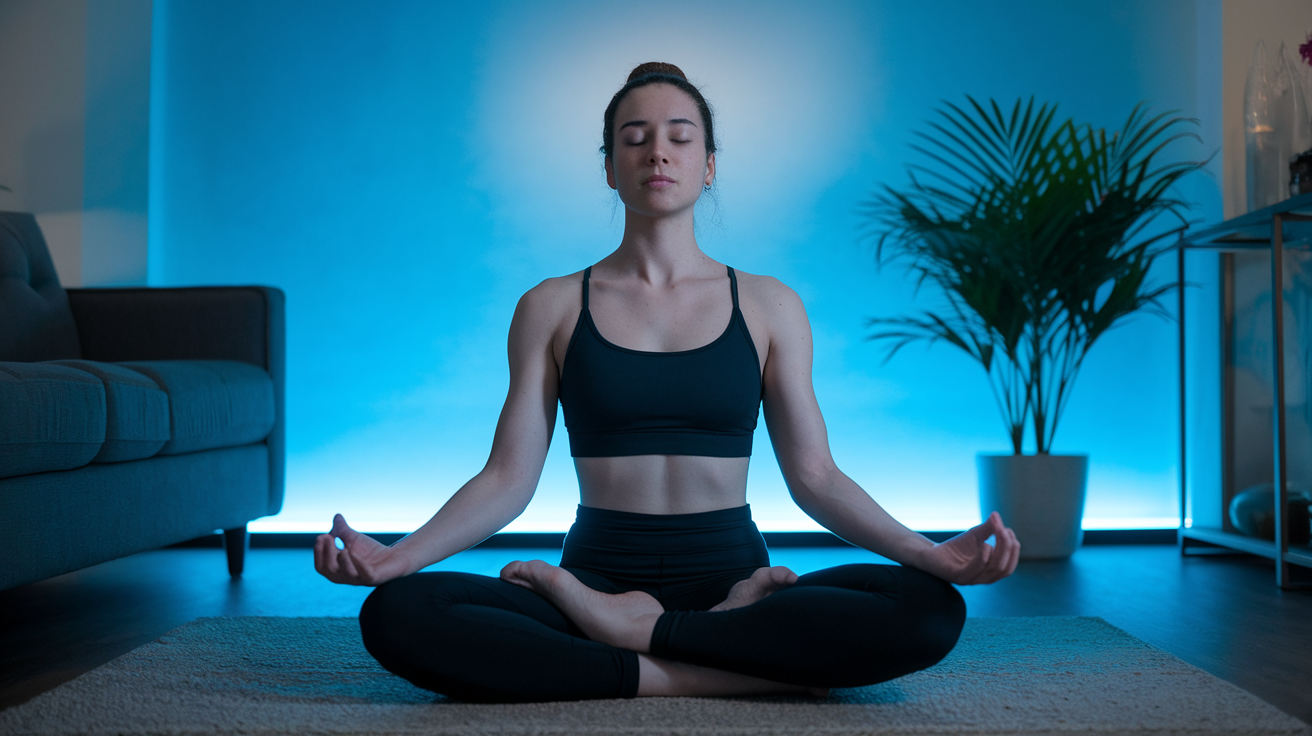
Stress is one of the most reliable headache triggers. When you’re under pressure, your body tightens muscles in your neck, shoulders, and scalp, restricts blood flow, and releases inflammatory chemicals that sensitize pain nerves. Breaking that cycle doesn’t require a long meditation retreat. It can start with two minutes of intentional breathing.
Deep breathing works by shifting your nervous system out of fight or flight mode. When you breathe slowly and fully, you activate the vagus nerve, which signals your body to relax. This lowers your heart rate, reduces muscle tension, and increases oxygen delivery to your brain. If you’re in the middle of a headache, even a brief breathing exercise can dial down the intensity.
Short daily practices (like five minutes of seated breathing, a ten minute guided meditation, or a fifteen minute gentle yoga flow) train your nervous system to stay calmer under stress. Over time, this reduces the frequency and severity of tension headaches. Progressive muscle relaxation, where you deliberately tense and then release each muscle group from toes to head, is another effective tool. It teaches you to recognize and release hidden tension before it builds into a headache.
Simple breathing routine to ease headache pain:
-
Inhale through your nose for 4 seconds. Feel your belly expand, not just your chest. Let the breath be slow and full.
-
Hold for 2 seconds. Keep your shoulders relaxed. Don’t force the hold.
-
Exhale slowly through your mouth for 6 seconds. Let the breath out smoothly, emptying your lungs completely.
-
Repeat for 1 to 2 minutes. Continue the cycle without rushing. If your mind wanders, gently return your focus to the count and the sensation of breathing.
Sleep and Rest Strategies for Natural Headache Treatment
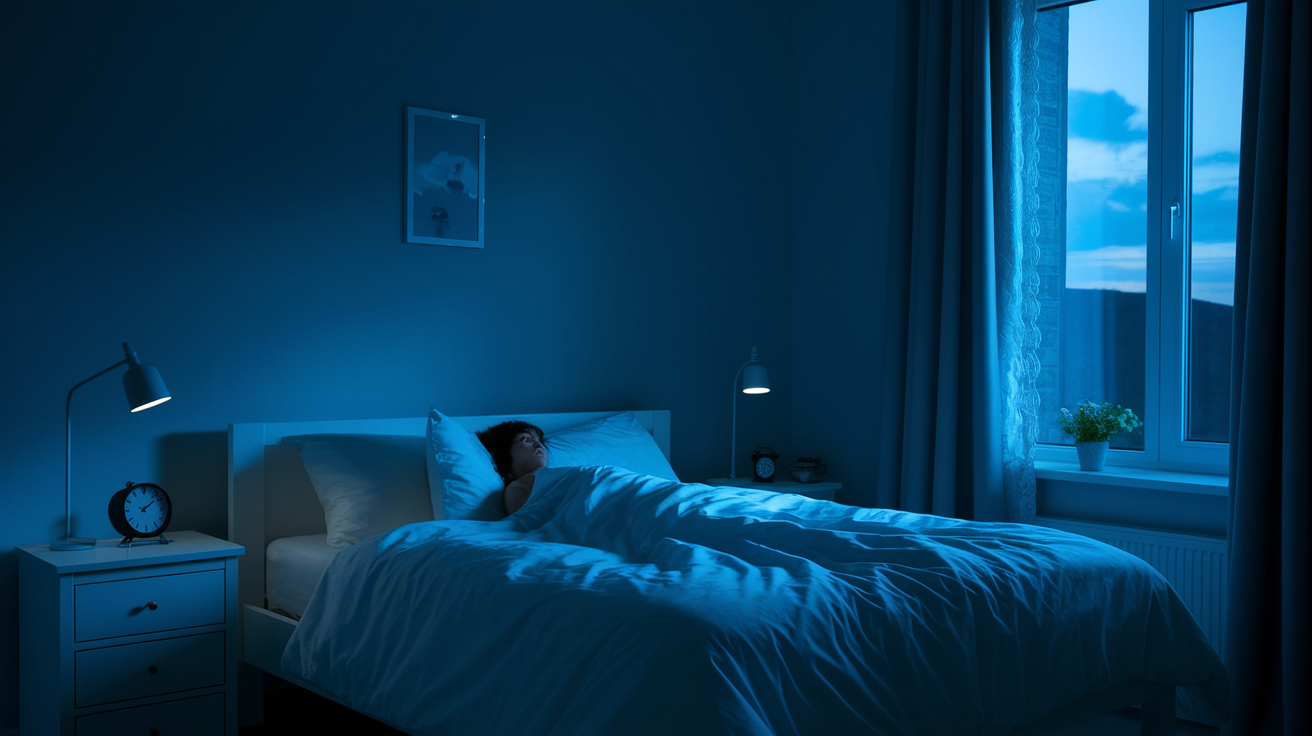
Poor sleep and headaches feed each other. Sleep deprivation lowers your pain threshold, making you more sensitive to triggers. At the same time, chronic headaches disrupt sleep, creating a cycle that’s hard to break. The good news? Improving your sleep hygiene can reduce headache frequency, and in some cases, convert chronic migraines back to episodic patterns.
Aim for seven to eight hours of sleep each night, and keep your sleep and wake times consistent, even on weekends. Your body’s internal clock relies on regularity. Going to bed and waking up at the same time every day strengthens that rhythm and improves sleep quality. To support deeper rest, stop eating at least three hours before bed (a full stomach can interfere with sleep), stop drinking liquids two hours before bed (to avoid middle of the night bathroom trips), and avoid screens for at least one hour before bed (blue light suppresses melatonin, the hormone that signals sleep).
Environmental sleep adjustments to reduce headache risk:
Use a dark room. Even small amounts of light can interfere with melatonin production and sleep depth. Blackout curtains or an eye mask help. Reduce noise. Use earplugs, a white noise machine, or a fan to block disruptive sounds that fragment sleep. Maintain a cool bedroom temperature, between 60 and 67 degrees Fahrenheit is ideal for most people. A room that’s too warm can trigger nighttime waking and morning headaches. Avoid screen light before bed. The blue wavelengths emitted by phones, tablets, and computers signal your brain to stay alert, delaying sleep onset and reducing sleep quality.
Lifestyle and Prevention Tactics for Treating Headaches Without Medicine

Preventing headaches is easier than treating them once they’ve started. Regular aerobic exercise is one of the most effective prevention tools. Aim for 150 minutes of moderate activity each week. That’s 30 minutes five days a week. Walking, cycling, swimming, or light jogging all count. Exercise reduces the frequency of migraine days, improves mood, regulates sleep, and lowers overall stress. Start gradually if you’re not currently active. Even ten minute walks add up and can reduce headache triggers.
Posture plays a larger role than most people realize. Hours spent hunched over a desk, craning your neck toward a screen, or holding a phone between your shoulder and ear create chronic tension in the muscles that support your head. Set a timer to remind yourself to reset your posture every 30 minutes. Shoulders back, screen at eye level, feet flat on the floor. Simple stretches (like gentle neck tilts and shoulder rolls) release built up tension before it turns into a headache.
Keeping a headache diary is one of the most practical prevention strategies. Track the date and time each headache starts, how long it lasts, its intensity (rate it 0 to 10), and any potential triggers you notice. What you ate, how much you slept, stress levels, weather changes, screen time, or skipped meals. After a few weeks, patterns usually emerge. You might discover that headaches cluster around your menstrual cycle, follow late nights, or appear after eating certain foods. Once you know your triggers, you can adjust your habits to avoid them.
| Preventive Action | Why It Helps | Timing/Frequency |
|---|---|---|
| Aerobic exercise | Reduces migraine frequency, regulates stress hormones, improves sleep, and triggers endorphin release | 30 minutes daily or 150 minutes weekly; walking, cycling, swimming |
| Posture correction and stretching | Prevents chronic neck and shoulder tension that refers pain to the head | Reset posture every 30 minutes; stretch for 1 to 2 minutes hourly during desk work |
| Headache diary tracking | Identifies personal triggers (foods, sleep, stress, weather) so you can avoid or manage them | Log each headache with date, time, duration, intensity, and possible triggers |
| Daily stress reduction routine | Lowers baseline muscle tension and nervous system activation that contribute to tension headaches | 5 to 15 minutes daily: breathing, meditation, progressive muscle relaxation, or gentle yoga |
| Regular screen breaks | Reduces eye strain and forward head posture, both of which can trigger headaches | Every 20 minutes, look at something 20 feet away for 20 seconds (the 20-20-20 rule) |
Environmental Adjustments for Natural Headache Relief
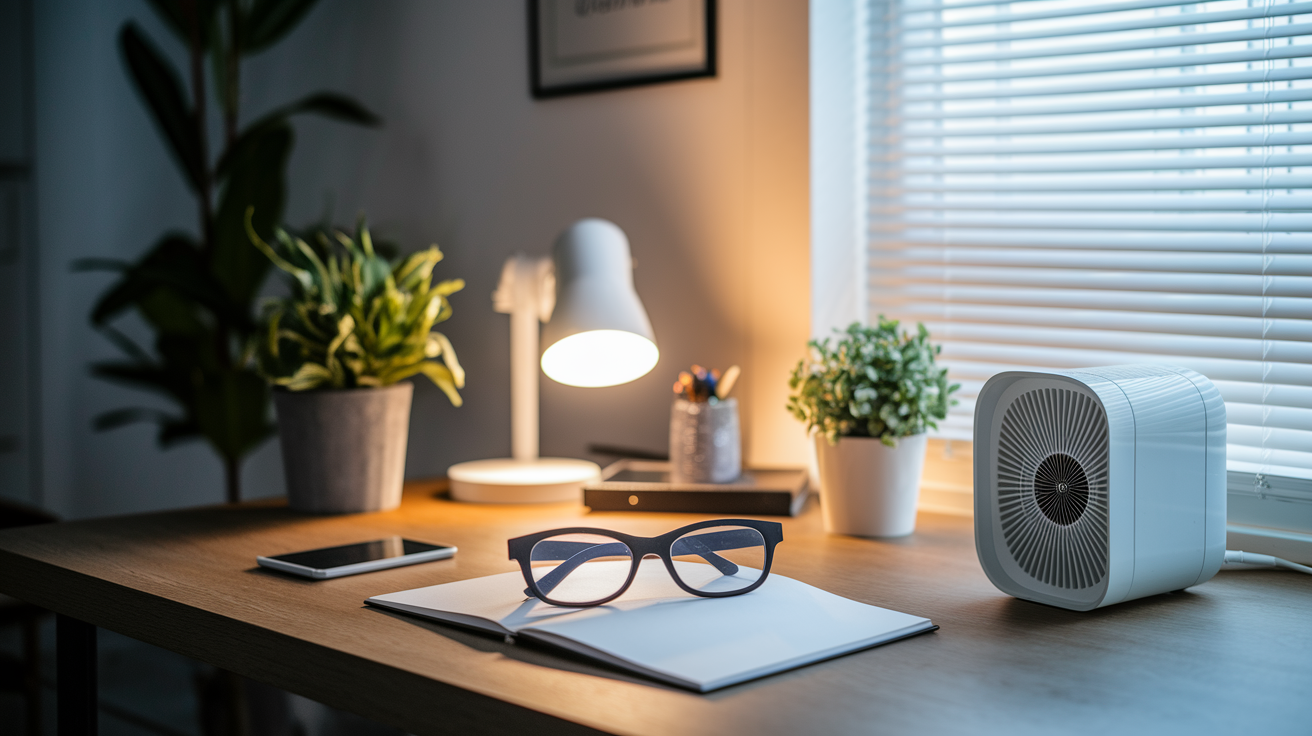
Your surroundings can either soothe or trigger a headache. Bright overhead lights, especially fluorescent or LED bulbs with a harsh blue white tone, can strain your eyes and intensify migraine pain. If you’re sensitive to light, switch to warmer, dimmable bulbs and use task lighting instead of overhead fixtures. At work, position your screen to avoid glare from windows, and reduce screen brightness to a comfortable level.
Strong odors (perfume, cleaning chemicals, paint fumes, scented candles) are common migraine triggers. Even pleasant scents can be problematic if they’re intense. If you notice a headache starting after exposure to a strong smell, step outside for fresh air and breathe slowly. At home, choose fragrance free or lightly scented cleaning products, and ventilate rooms well when using anything with fumes. Poor ventilation traps stale air and raises carbon dioxide levels, which can cause a dull, pressure type headache.
Quick environmental adjustments to reduce headache triggers:
Step outside for fresh air. If you’ve been indoors for hours, even five minutes outside can clear your head and reset your nervous system. Reduce overhead lighting. Dim the lights or switch to a small lamp. If you’re at work and can’t control the lighting, consider blue light blocking glasses or a desk lamp. Eliminate strong scents or chemicals nearby. Open a window, move away from the source, or ask others to reduce fragrance use in shared spaces.
Herbal and Aromatherapy Approaches for Treating Headaches Naturally
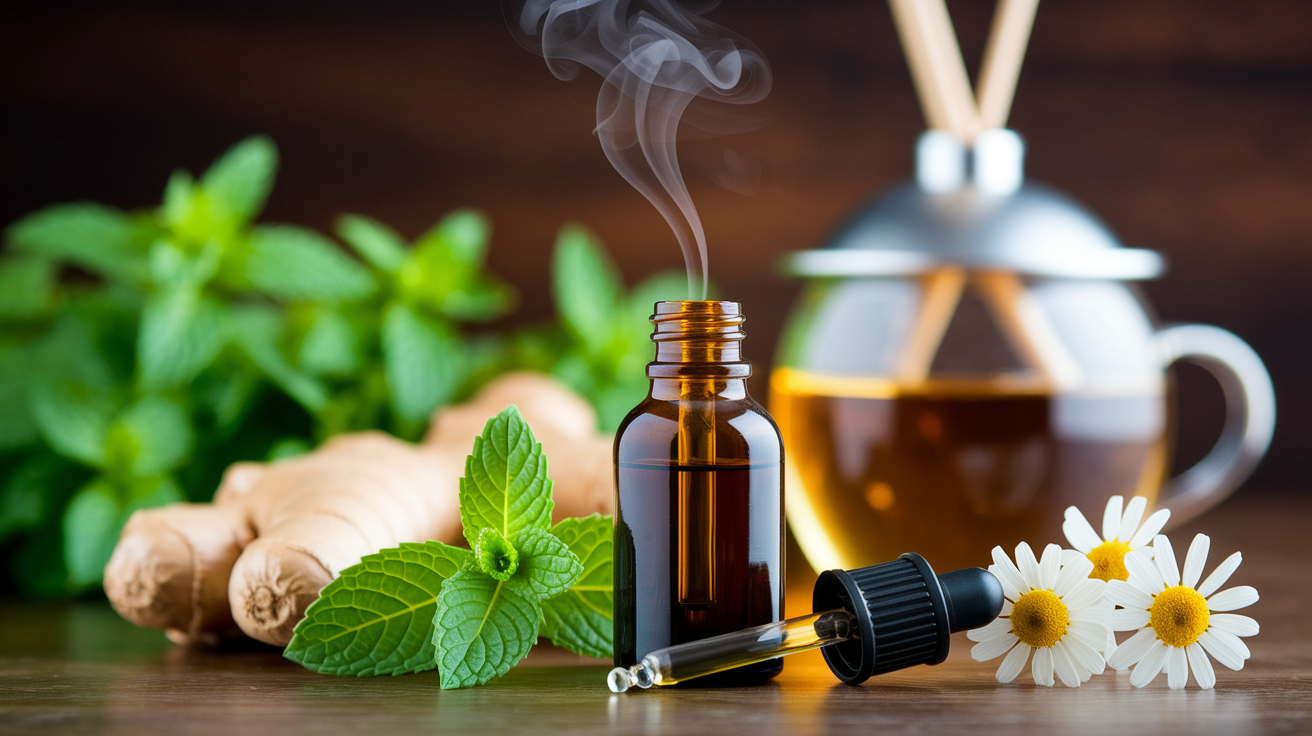
Certain herbs and essential oils have been used traditionally to ease headache pain, and some have mild evidence supporting their calming or anti inflammatory effects. Peppermint oil contains menthol, which creates a cooling sensation and may help relax tense muscles when applied topically. Lavender oil is known for its calming properties and is often inhaled to reduce stress and tension. Ginger has natural anti inflammatory compounds and can be brewed into tea to ease nausea and reduce headache intensity, especially for migraines. Chamomile tea promotes relaxation and can help if your headache is tied to stress or difficulty winding down.
Steam inhalation with apple cider vinegar is another traditional remedy. Pour 1/4 cup of apple cider vinegar into a large bowl, add about three cups of boiling water, and carefully position your face over the bowl (not too close to avoid burns). Drape a towel over your head and the bowl to trap the steam, and breathe slowly and deeply for about ten minutes or until the water cools. The warm vapor can help open sinus passages and provide relief for congestion related headaches. Afterward, pat your face dry and drink a glass of cool water.
When using essential oils, always dilute them before applying to skin. Most need to be mixed with a carrier oil like coconut or almond oil (a common ratio is three to five drops of essential oil per teaspoon of carrier oil). Never apply undiluted oils directly to your skin, and avoid getting them in your eyes or mouth. For inhalation, you can place a few drops on a tissue or cotton ball and breathe gently, or use a diffuser.
Common preparation and use methods:
Peppermint diluted oil application. Mix a few drops with a carrier oil and massage gently onto temples, forehead, or back of neck. Lavender inhalation. Add a few drops to a diffuser, or place on a cotton ball and inhale slowly for one to two minutes. Ginger tea preparation basics. Slice fresh ginger root, steep in hot water for five to ten minutes, add honey or lemon if desired, and sip slowly. Chamomile tea for stress relief. Steep one tea bag or one tablespoon of dried chamomile flowers in hot water for five minutes, drink warm before bed or during a headache.
When Natural Remedies Are Not Enough: Safety Guidelines and When to Seek Care

Most headaches respond well to the natural techniques outlined above, but some headaches signal a more serious problem. If your headache comes on suddenly and feels drastically different from anything you’ve experienced before, especially if it reaches a 10 out of 10 intensity in seconds or minutes, seek emergency care immediately. This type of “thunderclap” headache can indicate a brain bleed, aneurysm, or other urgent condition.
You should also see a doctor if your headaches are new, getting worse over time, or no longer responding to the self care methods and over the counter pain relievers that used to work. Headaches accompanied by neurological symptoms (weakness on one side of your body, vision changes, difficulty speaking, confusion, or persistent vomiting) require prompt medical evaluation. These signs can point to stroke, infection, or increased pressure in the skull.
Three red flags that mean get help now:
-
Sudden severe headache unlike any before. If it peaks within seconds to minutes and feels like the worst headache of your life, call emergency services or go to an emergency department.
-
Headache with weakness, vision changes, or vomiting. New neurological symptoms alongside a headache may indicate stroke, bleeding, infection, or another serious condition that needs immediate assessment.
-
Persistent headaches unresponsive to natural methods. If your headaches are happening more often, lasting longer, or no longer improving with hydration, rest, temperature therapy, and other non medication strategies, schedule an appointment with a primary care clinician or headache specialist for evaluation, possible testing, and a broader treatment plan.
Final Words
Start by trying fast steps: drink a big glass of water, use a cold or warm compress as needed, dim the lights, and do slow deep breathing. These often cut pain in minutes.
If it keeps coming back, work on sleep, regular meals, gentle exercise, posture, pressure-point massage, and simple herbs or scents. Small changes add up.
If you get sudden severe pain, weakness, vision changes, or nothing helps, get care right away. For a quick reminder on how to treat a headache without medicine, keep this list handy, you’ve got options and a plan.
FAQ
Q: What is the fastest way to stop a headache?
A: The fastest way to stop a headache is to use immediate nonmedicine steps: drink a large glass of water, apply a cold compress for 10–15 minutes, dim lights, do slow deep breathing, and gently stretch neck and shoulders.
Q: How do I get rid of a headache if I don’t have medicine?
A: You can get rid of a headache without medicine by hydrating, using cold or warm compresses as needed, resting in a quiet, dim room, practicing slow deep breaths, and gently massaging tense neck or temples.
Q: What naturally heals headaches?
A: Natural headache relief often includes hydration, regular meals to steady blood sugar, cold or warm compresses, relaxation or breathing exercises, gentle exercise, and calming herbal options like ginger, peppermint, or chamomile.
Q: What are the 5 C’s of headaches?
A: The 5 C’s of headaches often include key history points clinicians ask about: Character (what it feels like), Course/timing, Controls or triggers, Consequences/associated symptoms, and Change from your usual pattern.