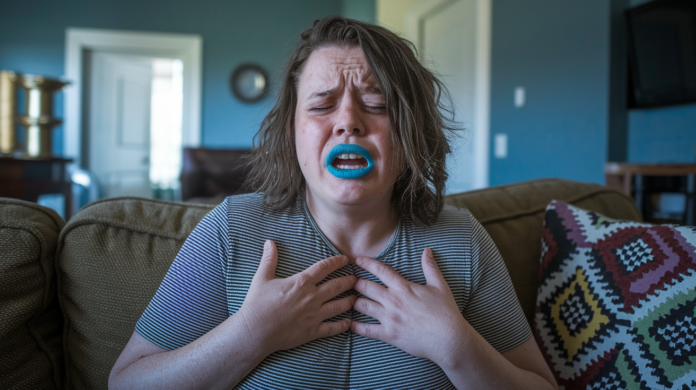

Could one short episode of breathlessness actually be an emergency?
Sometimes it’s harmless—after stairs, a panic attack, or a tough workout—but other times it’s a sign of something serious, like heart trouble, a blood clot in the lung, or pneumonia.
Read on to learn the warning signs that mean you should call 911 right away, when to seek same-day care, and the quick home checks that help you decide the next step.
Emergency Warning Signs Requiring Immediate Medical Attention

Shortness of breath turns into a medical emergency when your body can’t pull in enough oxygen to keep your vital organs running. If your breathing suddenly gets worse, your brain or heart might already be in trouble. Don’t sit around waiting to see if it improves.
Some breathing emergencies look a lot like heart attacks or strokes. Others mean your lungs have stopped working well enough to keep you safe. Either way, the smartest move is calling 911 right away when you spot any of the warning signs below.
Call 911 immediately if shortness of breath happens with any of these:
- Severe chest pain or pressure that lasts more than a few minutes, or chest pain that moves to your jaw, neck, or down your left arm.
- Sudden confusion or trouble staying awake. You can’t think straight, you’re slurring your words, or you feel like you’re about to pass out.
- Blue or gray lips, fingertips, or face (cyanosis). This means your blood isn’t carrying enough oxygen.
- You can only get out one or two words at a time. You can’t finish a full sentence without gasping.
- You faint, nearly faint, or feel extremely dizzy while you’re short of breath.
- Your breathing gets rapidly worse over minutes. What felt manageable five minutes ago now feels impossible.
- New shortness of breath right after a fall, car accident, or chest injury.
When to Seek Same Day Medical Evaluation for Breathing Problems
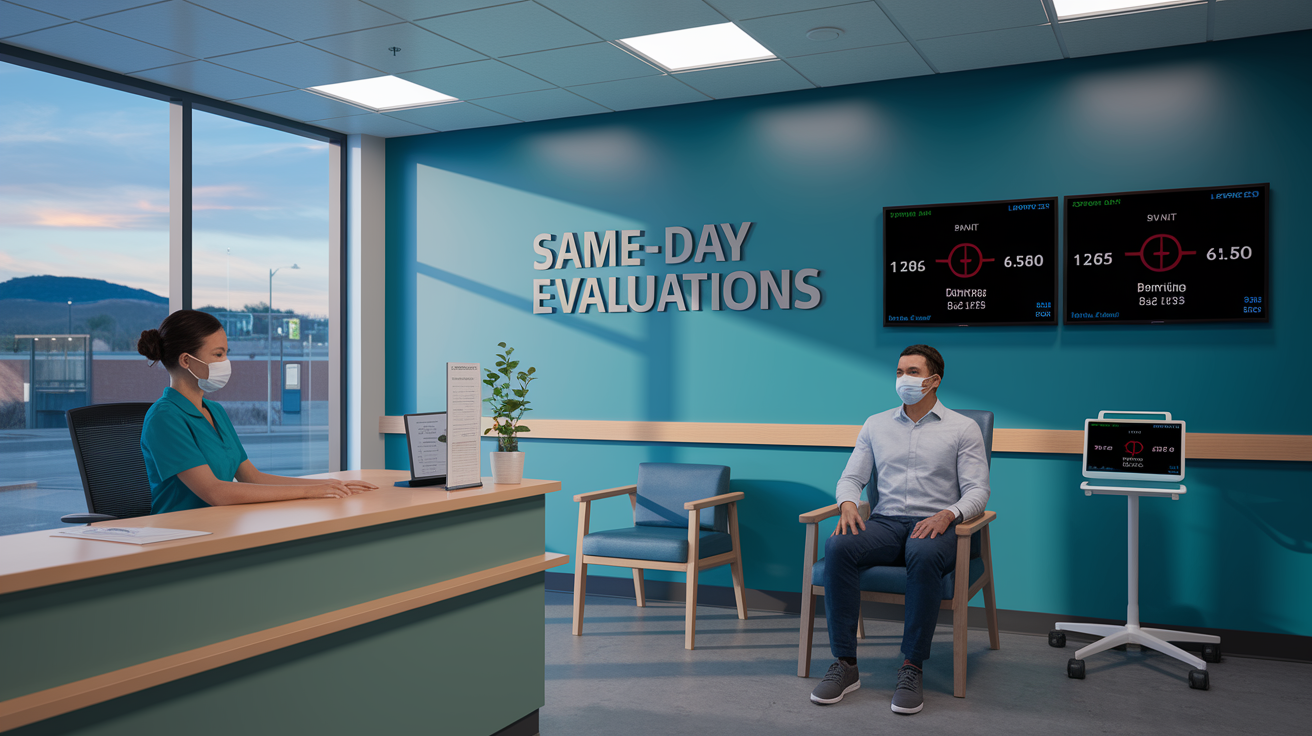
Sometimes shortness of breath isn’t quite an emergency, but it’s serious enough that you shouldn’t wait days to see a doctor. If your breathing’s been off for more than a day or two, or if it’s clearly getting worse instead of better, same day evaluation helps catch problems like pneumonia, asthma flares, or early heart failure before they turn into crises.
Go to an urgent care clinic or emergency department the same day if your shortness of breath shows up with a fever above 100.4°F (38.0°C), new wheezing that won’t stop, a cough bringing up yellow or green mucus, or swelling in your ankles and feet that appeared in the last few days. These combinations suggest infections, fluid backup from your heart, or inflamed airways that need prescription treatment now, not next week.
You should also get same day care if you have a history of asthma or COPD and your usual rescue inhaler isn’t helping within 15 to 20 minutes. Same goes if you recently had surgery, spent more than a few hours on a plane, or were stuck in bed for several days. All of these raise your risk of a blood clot in your lungs. Waiting too long in these situations can lead to complications that are much harder to treat.
Common signs that call for same day medical evaluation:
- Shortness of breath lasting longer than 24 to 48 hours without improvement
- New or worse wheezing, especially if you’ve never had asthma before
- Persistent cough with thick, discolored mucus or blood
- Swelling in your legs or ankles that’s new or suddenly worse
- Feeling short of breath when you lie flat, or waking up gasping for air in the middle of the night
Mild or Short Lived Shortness of Breath That May Resolve Without Medical Care
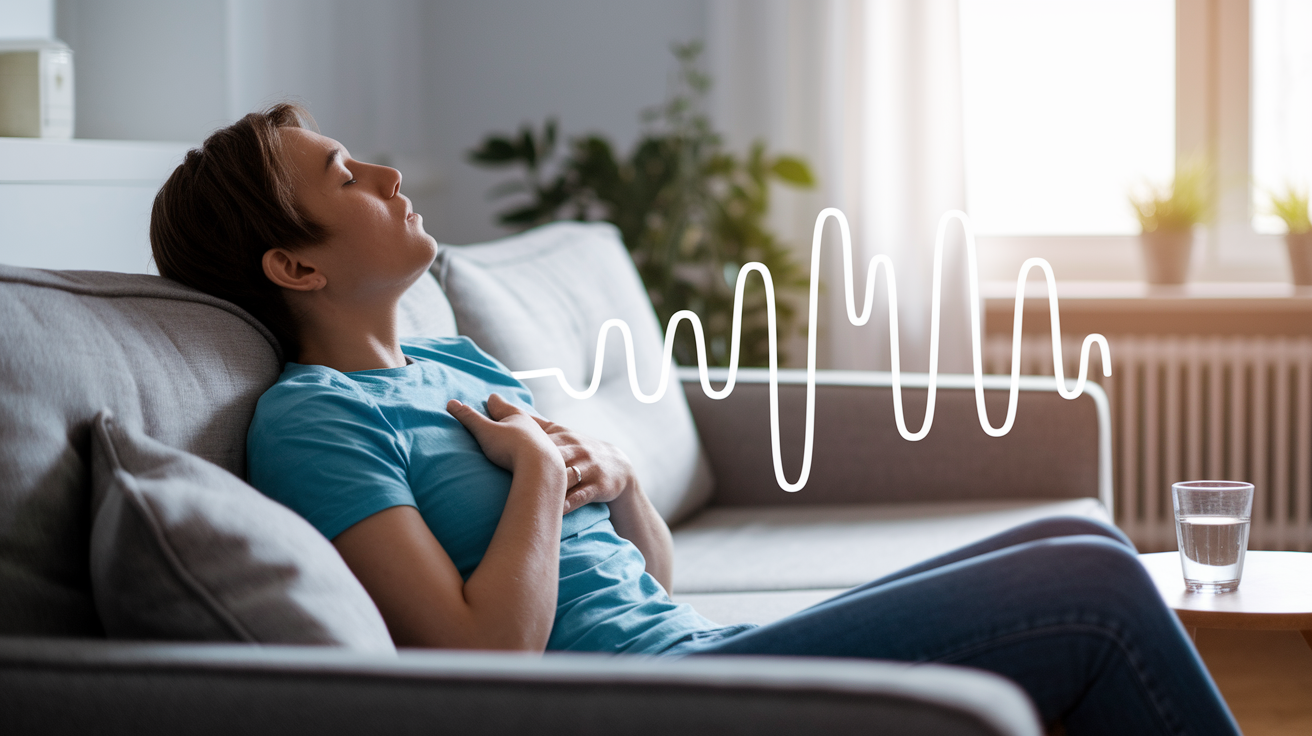
Not every episode of breathlessness means something’s wrong with your lungs or heart. If you just climbed three flights of stairs, ran to catch a bus, or had a brief moment of panic during a stressful conversation, feeling winded for a few minutes is normal. Your body needed more oxygen fast, and your breathing sped up to deliver it. Once you rest, your breathing should return to normal within 5 to 10 minutes.
Short lived breathlessness can also happen during a mild cold or seasonal allergies. You might notice it’s a little harder to take a deep breath, or you feel like you need to yawn more often. If the sensation goes away on its own within a few hours, doesn’t come back, and you have no other worrisome symptoms (like chest pain, high fever, or confusion), it’s usually safe to monitor at home.
Steps to take if your shortness of breath is mild and improving:
- Sit down and rest until your breathing feels normal again.
- Drink water slowly. Dehydration can make breathlessness feel worse.
- Loosen any tight clothing around your chest or waist.
- Track how long it lasts and whether it happens again. If episodes become more frequent or last longer, schedule a doctor visit.
Key Risk Factors That Increase Concern for Shortness of Breath
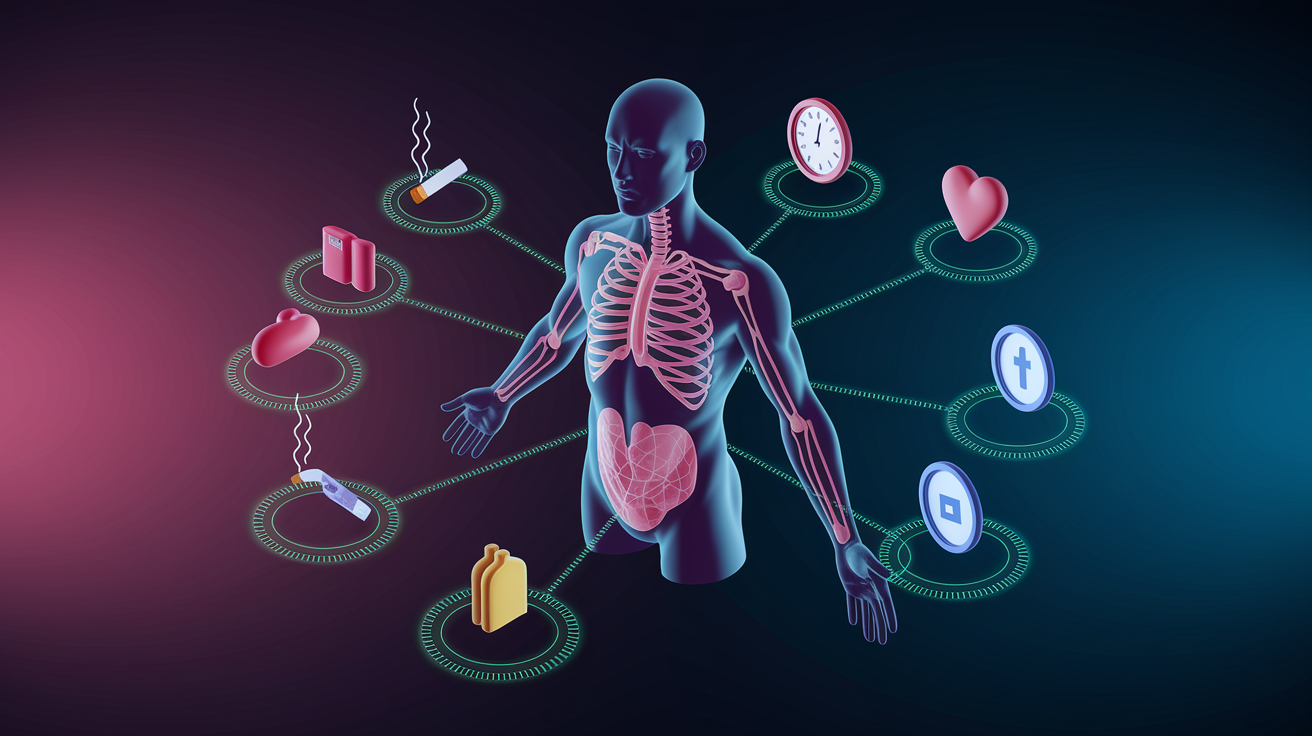
Certain health conditions and life circumstances make shortness of breath more likely to signal a serious problem. If you have asthma or COPD, even a mild respiratory infection can spiral into a dangerous flare up within hours. Your airways are already sensitive, so anything that causes extra inflammation (a cold, wildfire smoke, or a strong cleaning product) can push your lungs past their limit faster than it would in someone without lung disease.
Heart disease also lowers the threshold for concern. If you’ve been diagnosed with heart failure, coronary artery disease, or an irregular heartbeat like atrial fibrillation, new or worsening shortness of breath might mean your heart isn’t pumping blood effectively. Fluid can back up into your lungs, making every breath feel like work. The same is true if you’re over 65, have high blood pressure, high cholesterol, or diabetes. Your risk of both heart and lung complications is higher, so symptoms deserve earlier attention.
Smoking, recent respiratory infections, pregnancy, being significantly overweight, and having a weakened immune system (from cancer treatment, HIV, or medications that suppress your immune response) all increase the chance that shortness of breath points to something needing treatment. If any of these apply to you and your breathing changes in a way that feels different from your usual baseline, don’t wait more than a day or two to call your doctor or seek urgent care.
What to Do While Deciding Whether to Seek Care
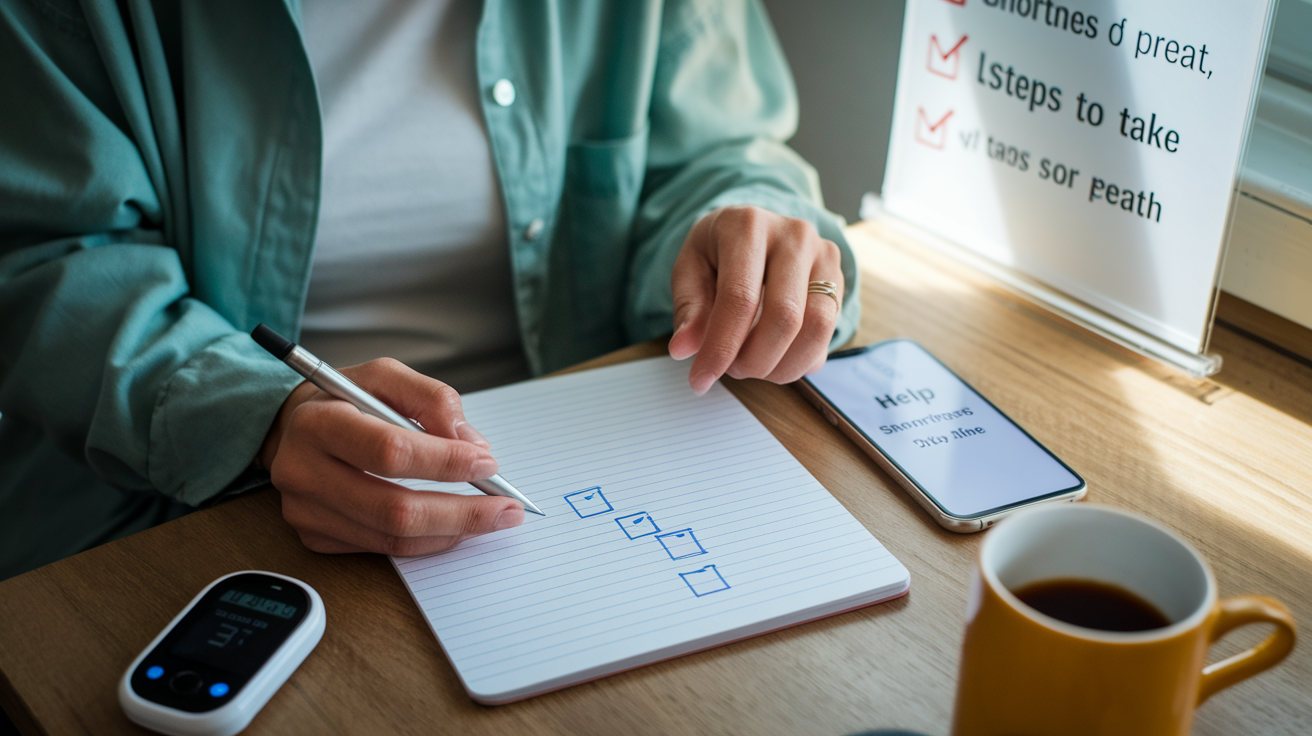
If you’re not sure whether your shortness of breath requires immediate help, take a few minutes to stabilize yourself and gather information. Sit upright in a chair or prop yourself up with pillows. Lying flat can make breathlessness worse. Loosen any tight belts, bras, or collars. Breathe slowly through your nose and out through your mouth, aiming for steady breaths instead of quick, shallow gasps. This won’t fix the underlying cause, but it can help you feel calmer and think more clearly about your next step.
While you’re resting, pay attention to what’s happening. Are you getting better, staying the same, or getting worse? If you have a pulse oximeter at home (a small clip that goes on your finger to measure oxygen levels), use it. A reading below 92% means you should seek care today, and below 90% is an emergency. Even without a device, watch for new symptoms like dizziness, chest tightness, or confusion. Any of those changes mean it’s time to get help now, not wait and see.
Steps to monitor your symptoms safely at home:
- Write down when your shortness of breath started and what you were doing at the time (resting, walking, lying down).
- Check if anything makes it better or worse. Does sitting up help? Does moving around make it harder to breathe?
- Note any other symptoms that show up alongside the breathlessness, like coughing, fever, chest pain, or swelling in your legs.
- Set a time limit for improvement. If you’re not feeling noticeably better within 30 to 60 minutes, or if you’re feeling worse at any point, seek medical care.
- Call your doctor’s office or a nurse line if you’re unsure. Describe your symptoms and ask whether you should come in, go to urgent care, or call 911.
Final Words
If you have severe breathlessness, chest pain, sudden confusion, bluish lips, fainting, or can’t finish a sentence, get emergency care right away. These are the red flags we covered that need immediate attention.
If symptoms worsen over 24 to 48 hours, or you have fever, wheeze, or leg swelling, seek same‑day care. Mild, short bouts after exercise or anxiety often settle with rest, hydration, and watching for change.
Remember to track timing, severity, and triggers. Knowing when to see a doctor for shortness of breath helps you act calmly and protect your health.
FAQ
Q: What are the top 3 causes of shortness of breath?
A: The top three causes of shortness of breath are lung conditions (like asthma, COPD, or pneumonia), heart problems (heart failure or heart attack), and anxiety or panic attacks that change breathing patterns.
Q: Can doctors do anything for shortness of breath?
A: Doctors can often treat shortness of breath by finding the cause with an exam and tests, then using oxygen, inhalers, medicines, procedures, or rehab. Treatment depends on the underlying problem.
Q: How long is too long for shortness of breath?
A: Shortness of breath that lasts more than 24 to 48 hours, gets steadily worse, or appears suddenly and severely is too long and needs urgent medical evaluation.
Q: How do you know if shortness of breath is heart or lungs?
A: You can distinguish heart versus lung causes by related signs: heart problems often cause chest pressure, leg swelling, or exercise fatigue. Lung problems often cause cough, wheeze, fever, or colored sputum.