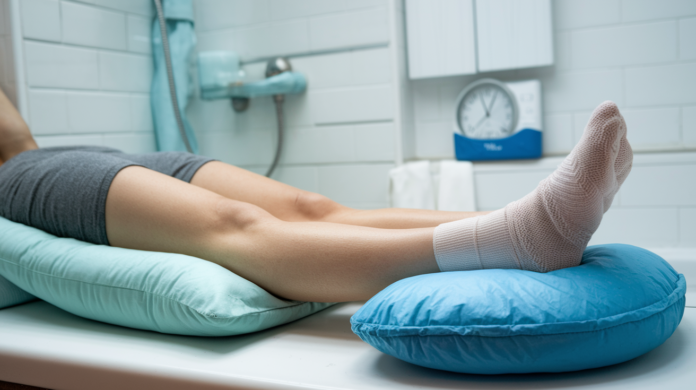

You can start reducing swelling within 20 to 30 minutes if you use the right steps at home.
Act quickly—early care often keeps swelling from getting worse and helps you move more comfortably.
This post walks you through four proven, easy-to-do methods: brief rest, targeted cold, light compression, and elevation, plus quick self-massage and safe home remedies that support recovery.
Stick with the routine and many people see visible improvement within a few hours.
I’ll also show what to track and the clear warning signs that mean you should call a clinician.
Fast-Acting Steps to Reduce Swelling Immediately
Swelling happens when your blood vessels widen and extra fluid, proteins, and white blood cells rush into an injured or stressed area. Your body’s doing this to protect the tissue, but all that fluid creates pressure, discomfort, and stiffness. Acting within the first few hours matters most. Early intervention can stop swelling from getting worse and speed up the return to normal size and function.
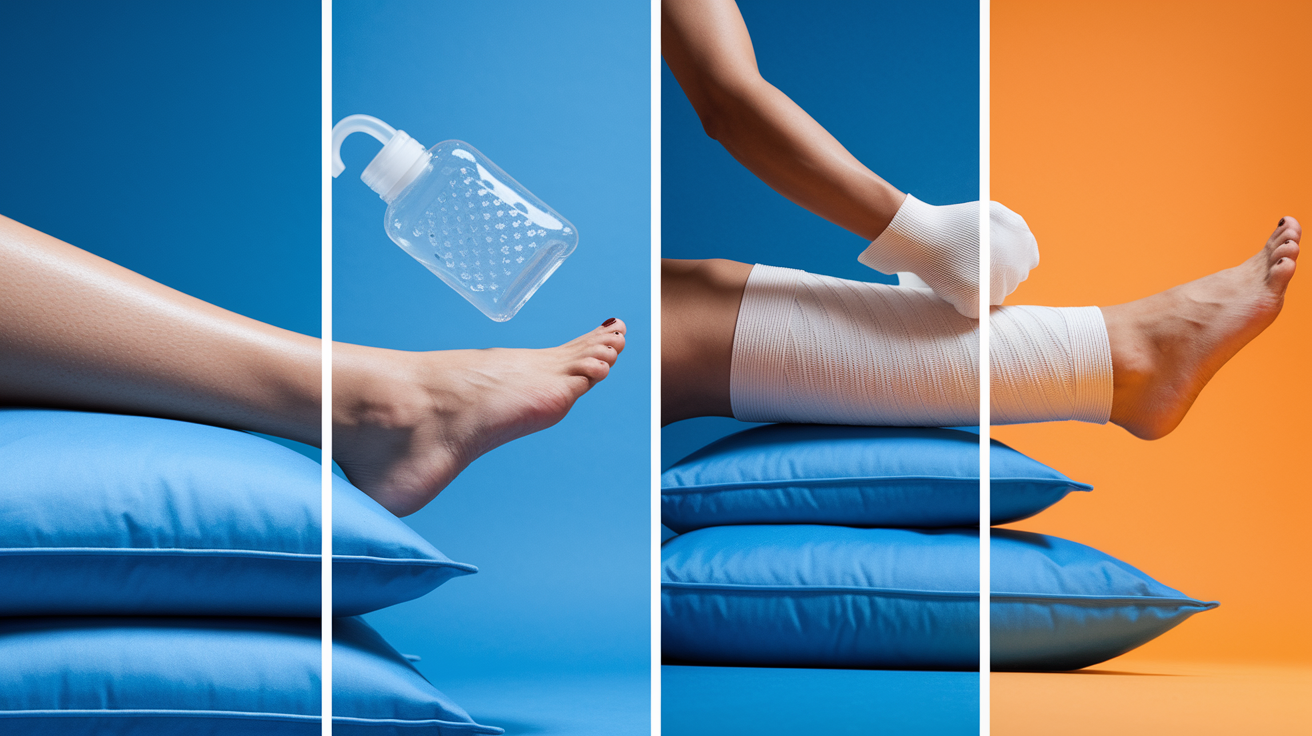
You won’t see swelling vanish in seconds. But these four steps can start reducing it within 20 to 30 minutes. Most people notice visible improvement within a few hours if they stick with the routine. Here’s what to do as soon as you notice puffiness, tightness, or size changes in a limb or joint:
-
Rest the area briefly to prevent worsening. Stop whatever caused the swelling. For a minor sprain or strain, rest for one to two days, then begin gentle movement to keep fluid from pooling.
-
Apply cold for 15 to 20 minutes. Use an ice pack, a bag of frozen peas, or a cold wrap. Cold shrinks blood vessels and slows the flow of fluid into the swollen tissue.
-
Add light compression. Wrap the area snugly with an elastic bandage or slip on a compression sleeve. The pressure pushes fluid back toward your bloodstream instead of letting it sit in the tissue.
-
Elevate above heart level. Prop the swollen area on pillows so gravity helps pull fluid back into circulation. Keep it elevated as much as you can for the first 48 hours.
Using Ice, Cold Compresses, and Cryotherapy for Effective Swelling Control
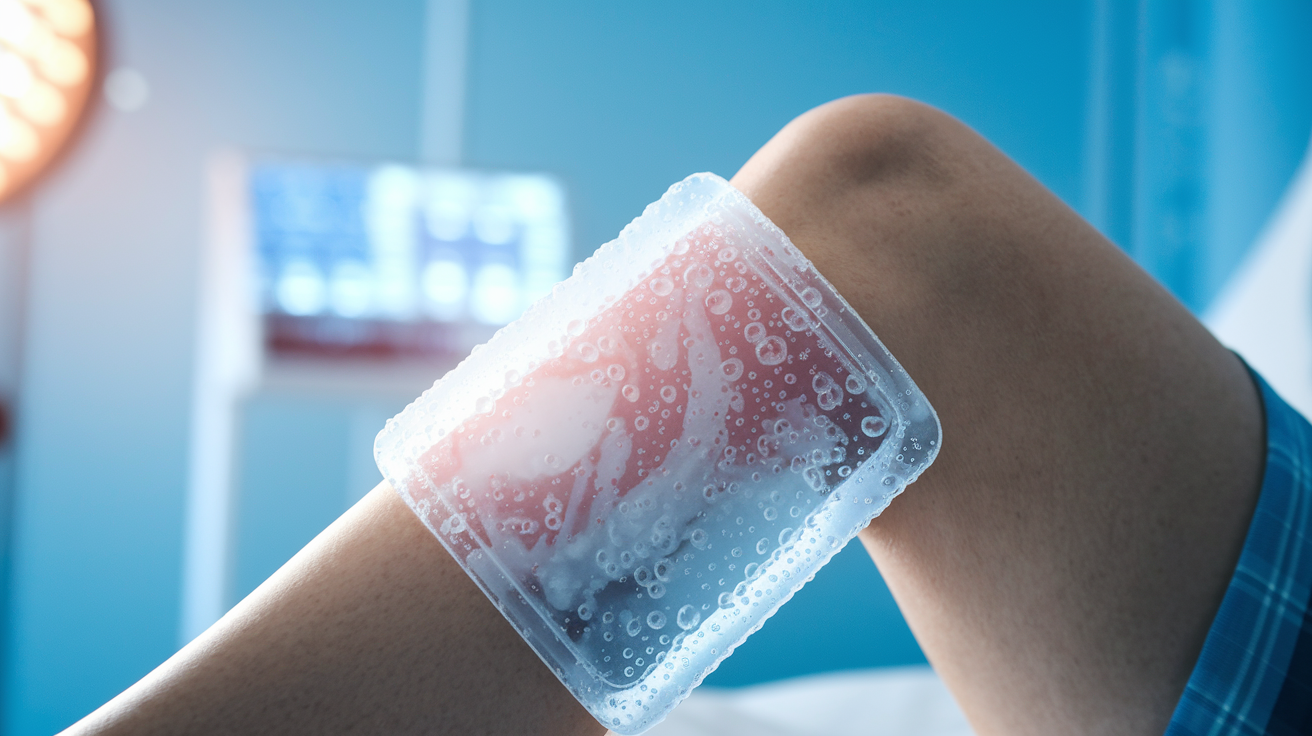
Cold packs come in many forms. Choosing the right one depends on the size of the swollen area and how long you need cold to last. Gel packs mold to curves and stay cold for about 15 minutes. Reusable ice wraps with built-in compression hold the cold against your skin and apply pressure at the same time. For larger areas like a thigh or calf, cold water immersion in a bucket or tub gives uniform coverage that small packs can’t match. Some advanced cold compression devices circulate chilled water through a wrap and maintain low temperatures for up to 30 minutes after the unit stops running. Useful for post-surgery swelling or significant trauma.
If you have access to a bathtub or large basin, contrast baths can stimulate circulation once the initial acute phase passes. Usually after the first 24 to 48 hours. Fill one container with cold water and another with warm (not hot) water. Soak the swollen area in cold for three to four minutes, then switch to warm for one minute. Repeat the cycle three to five times, always ending on cold. The alternating temperatures cause blood vessels to contract and expand, which can help move stagnant fluid out of the tissue. Contrast baths work well for ankles and feet, but they’re not recommended in the first day after a fresh injury when you want to minimize blood flow, not increase it.
Ice baths give the most consistent cooling when you need to treat both legs or a large section of a limb. Fill a tub with cold water and add ice until the temperature feels uncomfortably cold but not painful. Around 50 to 60 degrees Fahrenheit. Sit in the bath for 10 to 15 minutes. Pat the area dry and elevate it immediately afterward. If the cold becomes too intense, step out early. Never use ice baths if you have diabetes, nerve damage, or open wounds without checking with a clinician first.
- Gel cold packs – Flexible, reusable, conform to joints. Last about 15 minutes.
- Reusable ice wraps – Built-in compression, stay in place, good for ankles and knees.
- Cold water immersion – Covers large areas evenly, practical for feet and lower legs.
- Contrast bath setup – One container cold water, one warm. Alternate exposure to stimulate fluid movement.
Compression Techniques to Reduce Swelling Fast
Compression levels are measured in millimeters of mercury (mmHg). The right range depends on how much swelling you have and where it is. Mild compression (8 to 15 mmHg) works for daily prevention during travel or long periods of standing. Moderate compression (15 to 20 mmHg) suits mild to moderate swelling in the ankles or calves, and it’s often recommended during pregnancy. Firm compression (20 to 30 mmHg) is used for chronic swelling, lymphedema, or post-operative recovery. If you’re not sure which level you need, start with mild and move up only if swelling doesn’t improve after a few days of consistent use.
When wrapping with an elastic bandage, start at the farthest point from your heart. Your toes if you’re wrapping a foot, or your fingers if you’re wrapping a hand. Wrap in overlapping spirals, moving upward. Each layer should cover about half of the previous one. The bandage should feel snug but not tight. You should be able to slip one finger under the wrap. Check your skin color and temperature every 20 to 30 minutes. If your toes or fingers turn blue, feel numb, or get colder than the rest of your body, the wrap is too tight. Loosen it immediately and re-wrap with less tension. As swelling goes down, you’ll need to adjust or re-wrap because the bandage will get loose.
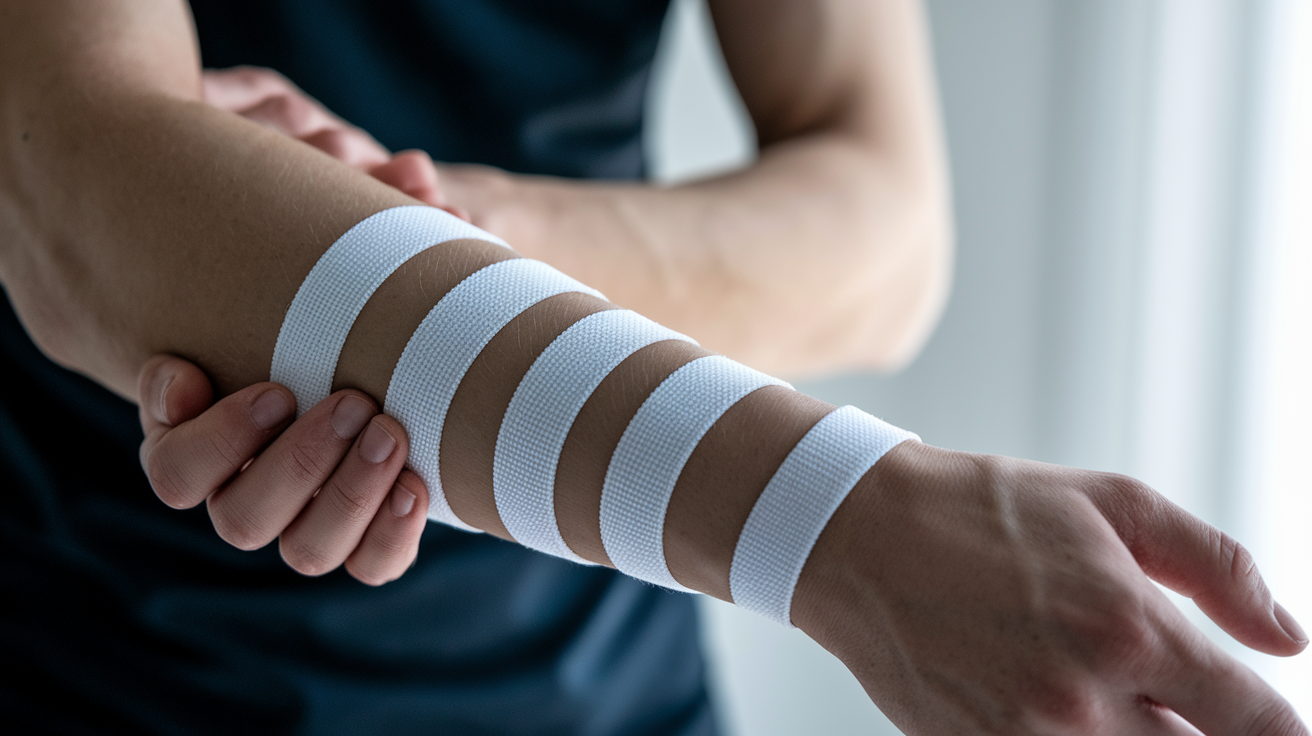
Compression stockings are easier to use than wraps for daily wear because they deliver graduated pressure without constant adjustment. Graduated means the pressure is firmest at the ankle and decreases as the stocking moves up the leg. This design pushes fluid upward toward your heart. Put stockings on first thing in the morning before swelling builds, and take them off at night unless a clinician tells you otherwise. For hands or fingers, you can use self-adhesive cohesive bandages or kinesiology tape strips that provide light, flexible compression without cutting off circulation. Tape is especially helpful if you need to keep moving while managing swelling.
Elevation and Movement Strategies to Quickly Reduce Fluid Buildup
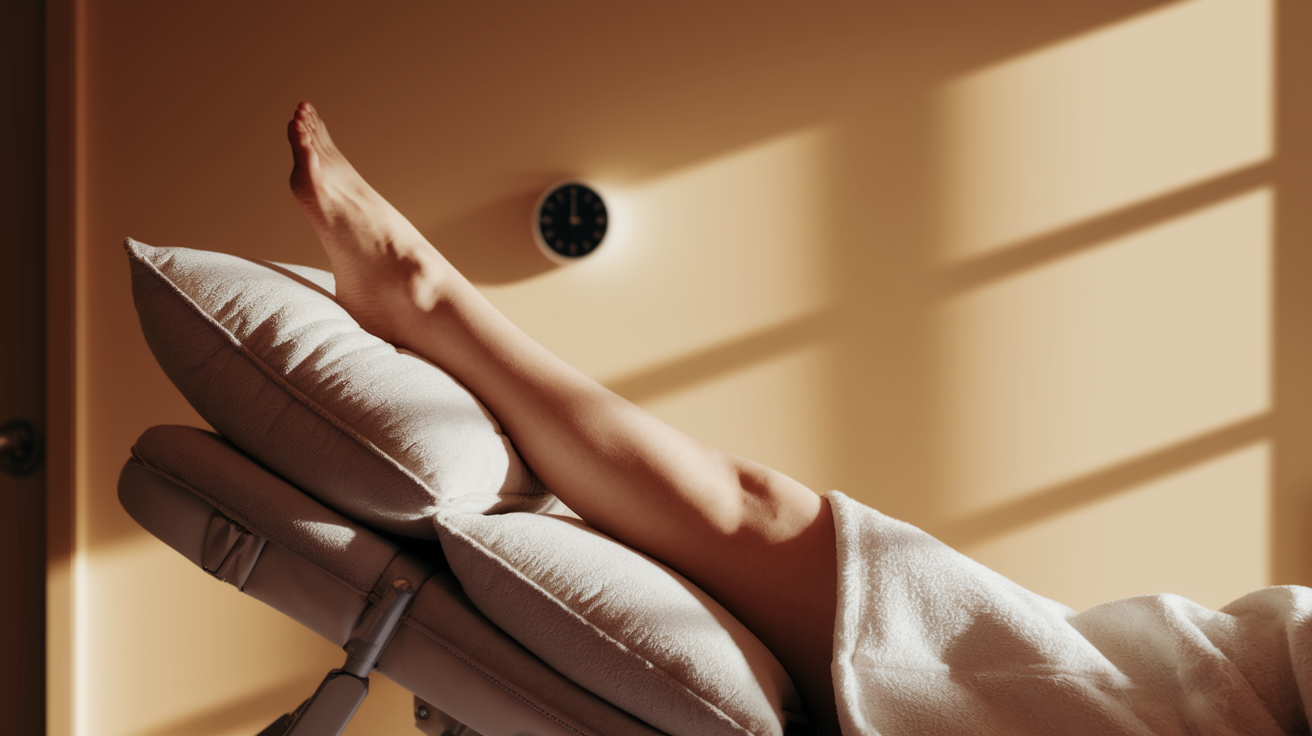
The height of elevation matters. If you prop your ankle on a low footstool, gravity still pulls fluid downward. To see real improvement, the swollen area needs to be higher than your heart. For leg and ankle swelling, lie flat on your back and stack two or three pillows under your calves so your feet are eight to twelve inches above your chest. Hold this position for at least 30 minutes, two to three times a day. You can also sleep with your feet slightly elevated by placing a rolled towel or a firm cushion under the foot end of your mattress. Raising the whole mattress by four to six inches keeps the angle gentle enough for comfort but steep enough to help drainage.
If sitting or standing all day is unavoidable, take movement breaks every hour. Even small position changes push fluid out of your lower legs. When you can’t leave your chair or workspace, simple in-place movements keep the muscle pump active. Muscle contractions squeeze veins and lymphatic vessels, forcing fluid back toward your core. Consistency is more important than intensity. Gentle, repeated motion beats one long session.
Quick Home Movements That Reduce Swelling
These exercises take less than five minutes and can be done anywhere. Repeat each one ten to fifteen times per session. If you feel increased pain or tightness, stop and elevate the area.
- Slow calf raises – Stand and lift your heels off the ground, rising onto the balls of your feet. Lower slowly. This activates the calf muscle pump and pushes blood and lymph fluid upward.
- Ankle mobility circles – Sit with one leg extended. Rotate your foot in slow circles, first clockwise, then counterclockwise. The movement encourages fluid to shift out of the ankle joint.
- Gentle pacing routines – Walk slowly for five to ten minutes. A steady, easy pace is enough to activate leg muscles without stressing an injury.
- Toe-point flex cycles – Point your toes forward as far as comfortable, then pull them back toward your shin. This flex-and-point cycle moves fluid through the foot and lower leg.
Home Remedies and Natural Anti-Inflammatories for Faster Swelling Reduction
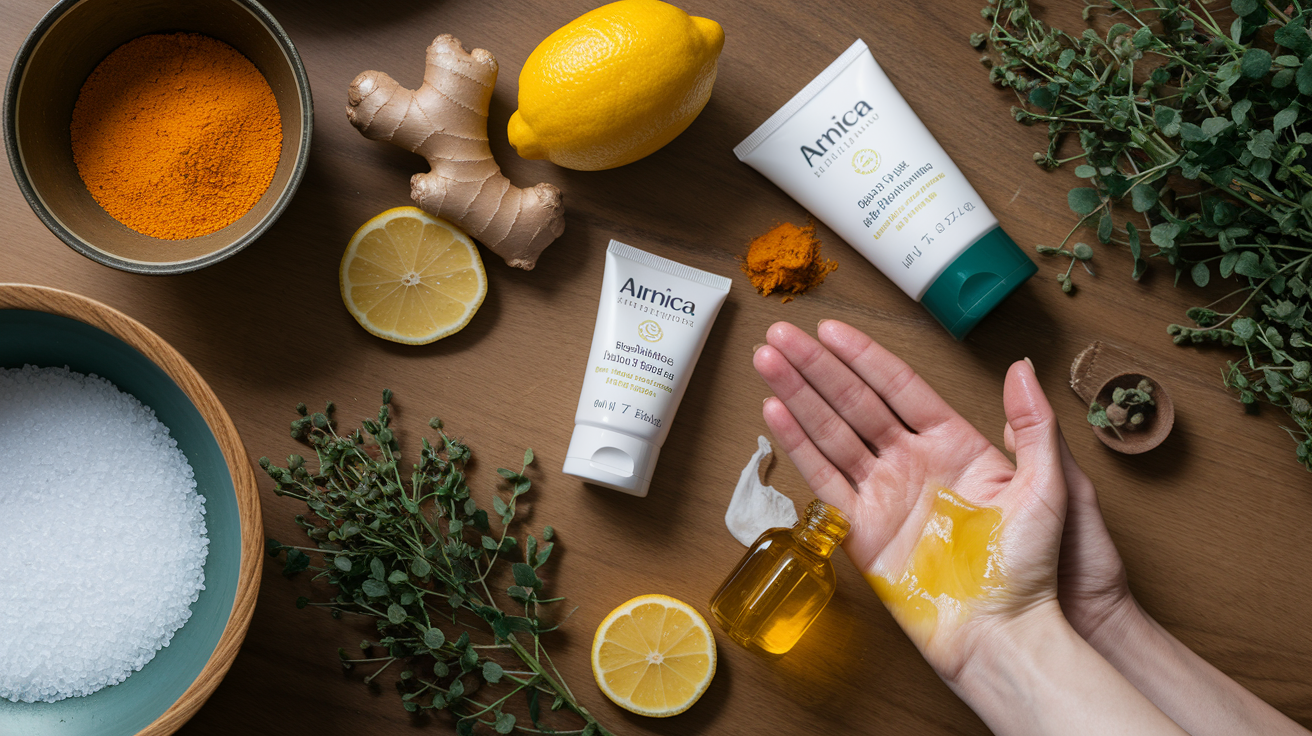
Home remedies work by reducing inflammation, improving circulation, or helping your lymphatic system drain fluid more efficiently. These methods support medical treatments and can speed up visible improvement when used consistently. Timing and frequency matter. One soak or one cup of tea won’t change much, but a short daily routine can make swelling go down faster and feel less uncomfortable.
Epsom salt baths deliver magnesium sulfate, which some people find soothing for sore, swollen tissues. Dissolve half a cup to one cup of Epsom salts in a large bowl or bucket of warm water. Soak the swollen area for 15 to 20 minutes, up to three times per week. Pat dry and elevate immediately after. The warmth can temporarily increase blood flow, so this method is better suited for swelling that’s a few days old rather than a fresh injury. Tonic water soaks are an anecdotal option. Pour chilled tonic water into a basin and soak for 20 to 30 minutes. Tonic contains quinine and carbonation, and some people report that it reduces puffiness in the feet and ankles. There’s no strong clinical evidence, but the cold temperature and light effervescence may help with comfort.
Lymphatic drainage massage uses light, rhythmic strokes to encourage trapped fluid to move toward lymph nodes. You don’t need a professional. Self-massage works if you use the right technique. Start at your toes or fingers and stroke gently upward toward your torso. Use just enough pressure to move the skin without pressing hard into muscle. Spend 10 to 15 minutes once or twice a day. A small amount of oil or lotion helps your hands glide smoothly. Dry brushing with a soft-bristle brush follows the same upward pattern and may support lymphatic flow, though the evidence is mostly anecdotal.
| Remedy | How It Helps | Timing |
|---|---|---|
| Epsom salt soak | Magnesium may reduce inflammation and ease discomfort | 15 to 20 minutes, up to 3 times per week |
| Tonic water soak | Cold quinine solution; anecdotal swelling relief | 20 to 30 minutes daily as needed |
| Lymphatic self-massage | Gentle upward strokes move fluid toward lymph nodes | 10 to 15 minutes, 1 to 2 times daily |
| Turmeric (oral) | Curcumin has anti-inflammatory properties | Follow supplement label; use with food |
| Arnica (topical gel) | May reduce bruising and tissue inflammation | Apply 2 to 3 times daily to unbroken skin |
Diet, Hydration, and Lifestyle Changes That Rapidly Reduce Swelling
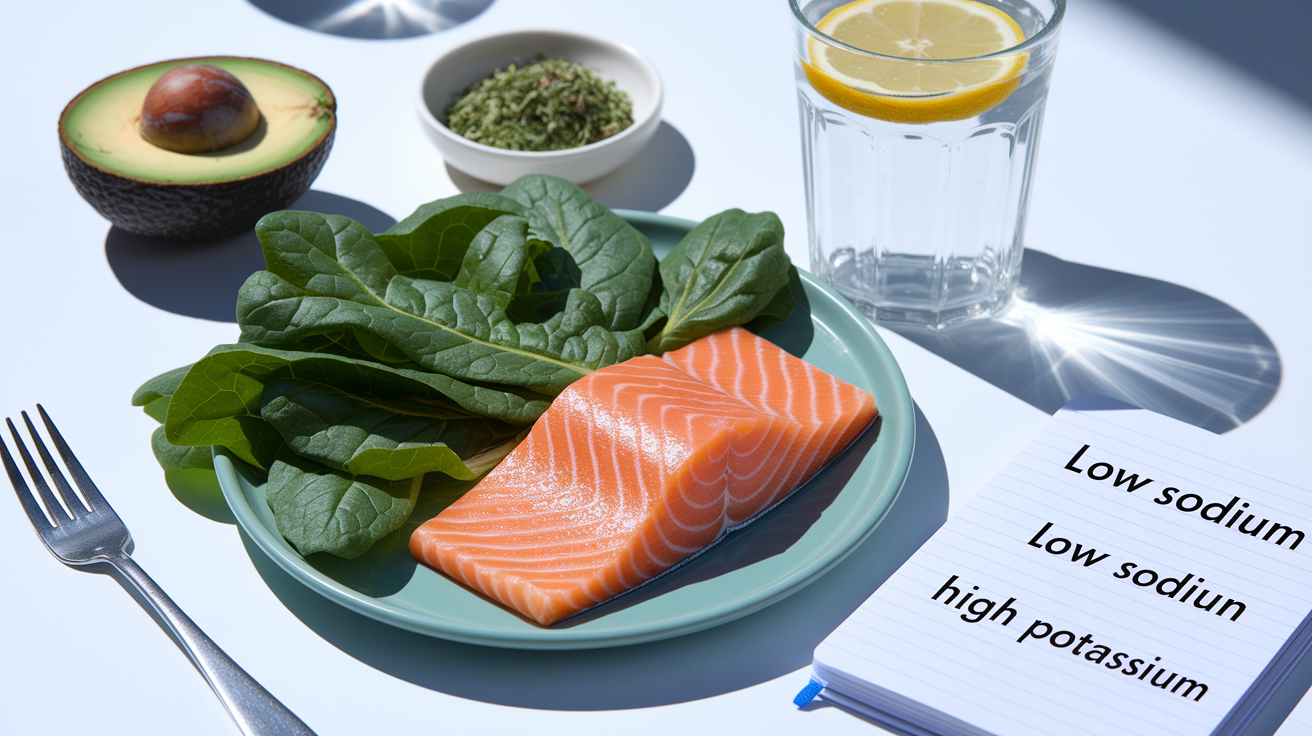
What you eat and drink directly affects how much fluid your body holds onto. High sodium intake signals your kidneys to retain water, which makes swelling worse. Cutting back on salt can produce visible changes within 24 to 48 hours. Aim to keep your daily sodium intake below 2,300 milligrams. Read labels on packaged foods. Canned soups, processed meats, chips, crackers, and frozen meals are common sources of hidden sodium. Choose fresh or frozen vegetables without added sauces, cook at home when possible, and season food with herbs, lemon, or vinegar instead of salt.
Hydration seems counterintuitive when you’re already dealing with extra fluid, but drinking eight to ten glasses of plain water per day helps your kidneys flush out excess sodium and supports normal fluid balance. Dehydration actually makes your body hold onto water, which worsens swelling. If plain water feels boring, add cucumber slices or a squeeze of lemon. Avoid drinks high in caffeine or sugar. They can dehydrate you or increase inflammation. Herbal teas like dandelion or parsley may act as mild natural diuretics, but check with a clinician before using them regularly if you’re pregnant or taking medications.
- Reduce sodium – Limit processed and canned foods; aim for under 2,300 mg per day.
- Increase potassium – Eat sweet potatoes, bananas, spinach, and avocados to balance sodium and support fluid regulation.
- Hydrate consistently – Drink 8 to 10 glasses of water daily to help kidneys clear excess salt.
- Limit alcohol – Alcohol promotes dehydration and can worsen tissue inflammation.
- Use anti-inflammatory meals – Include fatty fish (salmon, sardines), berries, olive oil, turmeric, and ginger to reduce systemic inflammation.
Area-Specific Swelling Relief: Ankles, Knees, Hands, Face, and Post-Surgery
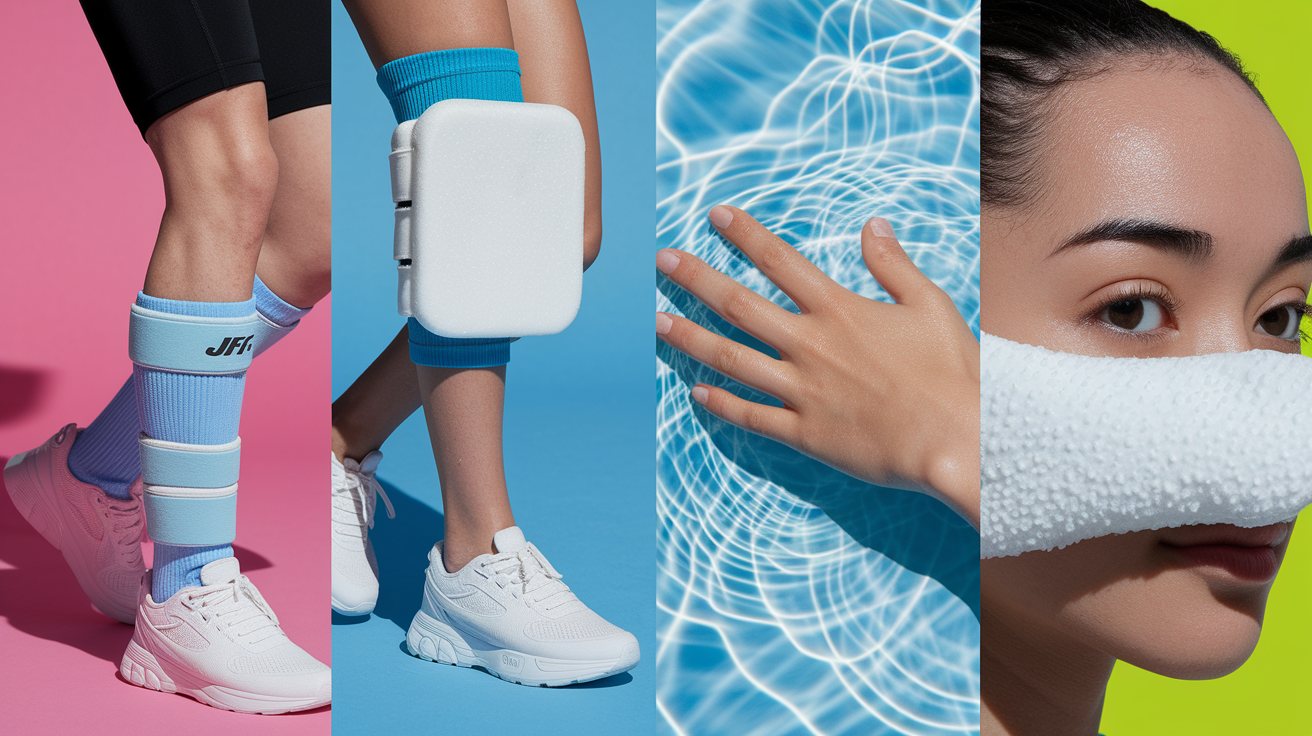
Different body areas respond to slightly different techniques because of how gravity, joint structure, and tissue type affect fluid movement. Tailoring your approach to the specific location speeds up results and reduces discomfort.
Lower Body (Ankles, Knees, Feet)
Ankles and feet swell easily because they’re the lowest points when you’re upright. Elevation works especially well here. Lie flat and prop your legs so your ankles are higher than your hips. For ankle swelling, an ankle brace gives consistent compression and stability, which helps prevent fluid from pooling while you move. If you have knee swelling, avoid kneeling or squatting until the swelling goes down. Use an elastic bandage or a knee sleeve, and apply cold packs for 15 to 20 minutes several times a day. If walking is painful, use a cane or crutch on the opposite side to offload weight and reduce stress on the swollen joint.
Upper Body (Hands, Fingers)
Hand swelling improves with cool soaks and upward massage. Remove rings as soon as you notice puffiness. Waiting too long can make removal difficult or painful. Soak your hands in a bowl of cool water for 10 to 15 minutes, then gently massage from your fingertips toward your wrist using light pressure. Elevate your hands by propping them on pillows while you rest or by raising your arm above shoulder height for a few minutes several times a day. If swelling is in one hand only and you also notice warmth, redness, or pain, check with a clinician to rule out infection or injury.
Face and Post-Procedure Areas
Facial puffiness responds quickly to cool compresses and an upright sleeping position. Place a clean, damp washcloth in the refrigerator for a few minutes, then drape it over your eyes, cheeks, or jaw for 10 to 15 minutes. Sleep with an extra pillow so your head stays elevated above your heart. This keeps fluid from settling in your face overnight. For post-surgery swelling (like after dental work or cosmetic procedures), follow your surgeon’s cold therapy instructions carefully. Most protocols call for 20 minutes of cold followed by 20 minutes off, repeated several times a day for the first 48 to 72 hours. Avoid heat, alcohol, and strenuous activity until cleared by your provider.
Red Flags: When Swelling Requires Medical or Emergency Care

Most swelling improves with home care, but certain patterns signal a problem that needs professional evaluation or urgent treatment. If swelling appears in only one leg and that leg also feels warm, red, or tender, it may indicate a deep vein thrombosis (DVT). A blood clot in a deep vein. Don’t wait. Contact a clinician the same day or go to urgent care. If one-sided leg swelling comes with chest pain or shortness of breath, call 911 or go to the emergency room immediately. These symptoms can mean a pulmonary embolus, which happens when part of a clot breaks off and travels to the lungs.
Fever combined with swelling, redness, and warmth suggests an infection. This is especially concerning if you have diabetes, a weakened immune system, or a recent wound or insect bite in the swollen area. See a clinician promptly for evaluation and possible antibiotics. If you have heart disease, kidney disease, or liver disease and you notice new or worsening swelling in your legs, ankles, or abdomen, contact your provider. Fluid buildup can be a sign that your condition is changing and may need medication adjustment.
Pregnancy brings some normal swelling, especially in the third trimester. But sudden or severe swelling in your hands, face, or legs can be a warning sign of preeclampsia, a blood clot, or heart strain. Call your obstetrician if swelling appears quickly, if it doesn’t improve with rest and elevation, or if you also have a headache, vision changes, or upper abdominal pain. Any swelling that doesn’t start to improve after a few days of consistent home treatment, or any swelling that gets worse despite rest, ice, compression, and elevation, deserves a medical checkup to identify the underlying cause.
How to Track, Measure, and Monitor Swelling at Home
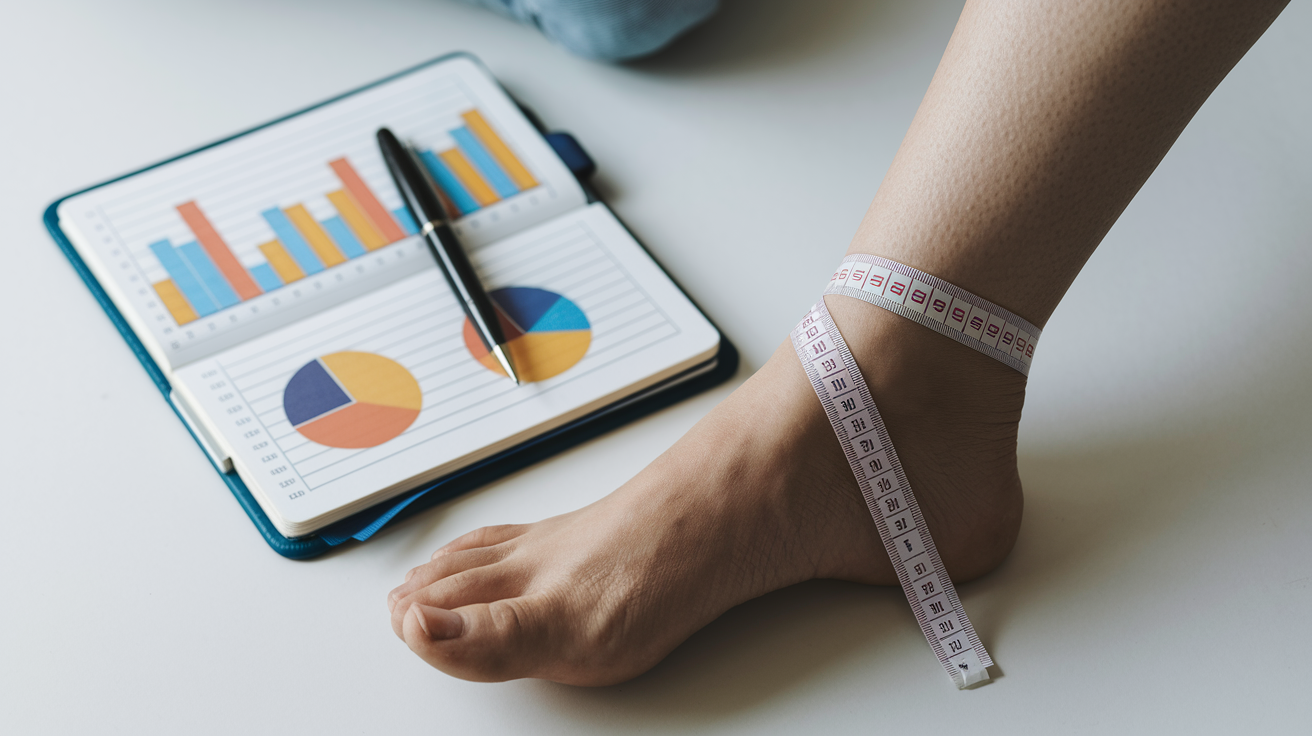
Tracking swelling over time helps you see whether your home treatments are working and gives you clear information to share with a clinician if you need care. Measuring is simple. Use a flexible tape measure to record the circumference of the swollen area at the same spot each day. For an ankle, measure around the widest part of the joint. For a calf or thigh, pick a spot a certain number of inches above or below a bony landmark (like your kneecap) and measure there every time. Write the number down along with the date and time of day. Compare measurements from one day to the next and from one limb to the other if only one side is swollen.
Watch for changes in skin color and temperature. Swelling that turns red, purple, or very pale, or that feels much warmer or colder than the surrounding skin, can indicate poor circulation, infection, or clotting. Take a photo every day or two. Pictures make it easier to see gradual changes that you might miss when you look at the area constantly. Also note how the swelling affects your function. Can you bend the joint? Can you put weight on the limb? Does it hurt more or less than yesterday? Tracking these details helps you decide when home care is enough and when it’s time to check in with a provider.
| What to Track | How to Measure | Frequency |
|---|---|---|
| Circumference | Use a flexible tape measure at the same spot each time | Once daily, same time of day |
| Color and warmth | Compare to the other limb; note any redness, purple, or pale areas | Check 2 to 3 times per day |
| Range of motion | Test how far you can bend or move the joint without pain | Once daily |
| Pain level | Rate pain 0 to 10; note what makes it better or worse | Morning and evening |
Final Words
Act fast: rest the area, ice for 15–20 minutes, add light compression, and elevate above heart level. The post also covered choosing cold devices, proper wrapping, simple movement drills, home remedies, diet tweaks, area-specific tips, tracking, and when to get help.
Track timing, severity, and new symptoms like redness, warmth, or fever. If you want to know how to reduce swelling quickly, start with these steps and call a clinician for red flags. You’ll likely feel better with steady care.
FAQ
Q: How do you make swelling go down fast?
A: The fastest way to make swelling go down is to rest the area, apply cold for 15–20 minutes, use light compression, and keep the limb elevated above heart level, repeating ice every 1–2 hours.
Q: What to drink if you are swollen?
A: If you are swollen, drink plain water, limit salty and alcoholic drinks, and try potassium-rich fluids like coconut water; staying hydrated and lowering sodium helps your body remove extra fluid.
Q: When won’t swelling go down?
A: Swelling won’t go down when there is ongoing injury, infection, poor circulation, or heart, kidney, or liver problems; see a clinician if swelling lasts more than a few days, worsens, or causes severe pain.
Q: How to reduce swelling in 24 hours?
A: To reduce swelling in 24 hours, rest the area, ice 15–20 minutes every 1–2 hours, add light compression, elevate above heart level, hydrate and cut salt; seek care if you see red flags or no improvement.