
Think you have to tough out back pain until your appointment?
You often don’t.
With a few simple steps—heat or ice at the right time, gentle movement, and short targeted stretches—you can cut pain and stiffness within 15 to 45 minutes.
This post gives a clear, safe step-by-step plan to try at home, what to track, and the warning signs that mean you should see a clinician.
Use the sequence as shown, repeat as recommended, and you’ll usually notice meaningful relief fast.
Immediate At-Home Relief Techniques
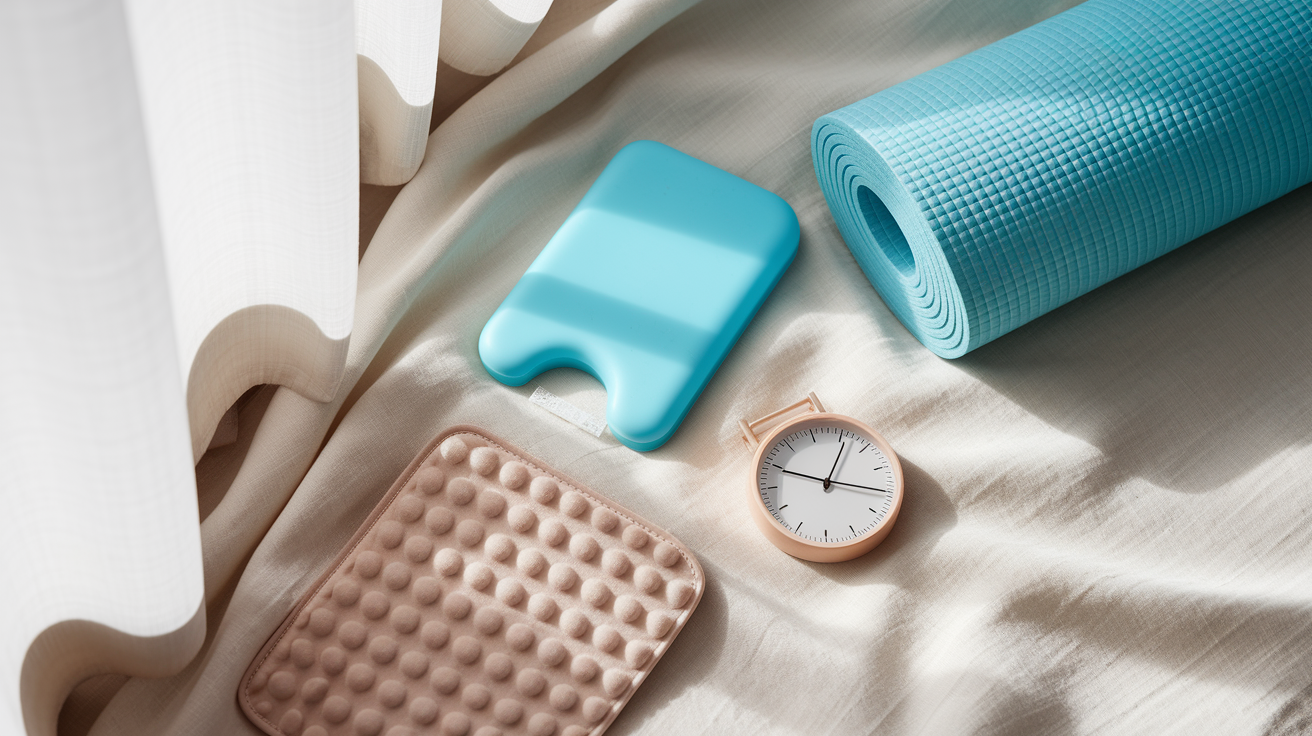
Heat relaxes tight muscles and gets blood flowing to the area. Ice reduces inflammation and numbs sharp pain in about 20 minutes. Gentle mobility, even just a few slow movements, cuts down on stiffness by encouraging synovial fluid circulation in the joints and letting your nervous system know that movement is safe. Short, targeted stretches can lower pain intensity by releasing tension in overactive muscles and reducing muscle guarding.
These techniques work best when you use them together in a deliberate sequence, giving your body time to respond at each stage. Most people notice meaningful relief within 15 to 45 minutes of completing the protocol, though results vary depending on the cause and severity of pain.
-
Find a comfortable starting position. Lie on your back with knees bent and feet flat on the floor, or lie on your side with a pillow between your knees. Stay in this position for 2 to 3 minutes to let your muscles settle.
-
Apply ice or heat. If pain started within the past 48 hours and feels sharp or swollen, use a cold pack wrapped in a thin towel for 15 to 20 minutes. If pain is older than a few days and feels stiff or achy, use a heating pad or warm towel on the painful area for 15 to 20 minutes.
-
Perform a gentle pelvic tilt. Stay on your back with knees bent. Flatten your lower back gently into the floor by tilting your pelvis, hold for 5 seconds, then relax. Repeat 8 to 10 times slowly.
-
Do a single knee-to-chest stretch. Pull one knee toward your chest with both hands, hold for 20 to 30 seconds, then switch legs. Repeat 2 times per side.
-
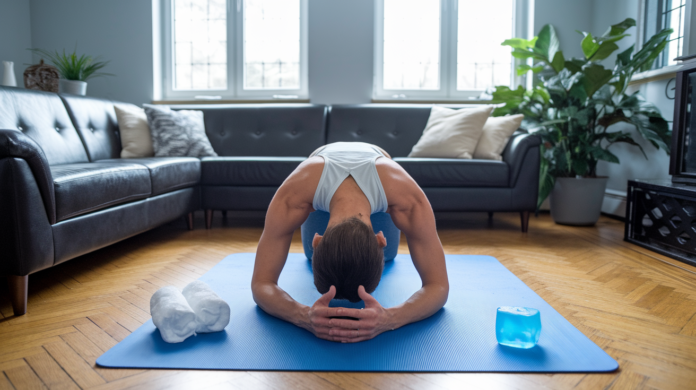
Move into child’s pose if comfortable. Kneel on the floor, sit your hips back toward your heels, and reach your arms forward on the ground. Hold for 30 to 60 seconds, breathing slowly.
-
Stand up slowly and walk. Take a gentle 2 to 5 minute walk around your home or yard to keep blood flowing and prevent stiffness from returning.
-
Reassess after 30 minutes. Notice whether pain intensity has dropped or movement feels easier. If symptoms are unchanged or worse, consider repeating ice or heat and trying a different rest position.
Expect noticeable but not complete relief within the first hour. Muscle-related back pain often improves over 48 to 72 hours with consistent, repeated use of this protocol every 2 to 3 hours while awake.
Lower Back Pain: Targeted At-Home Solutions
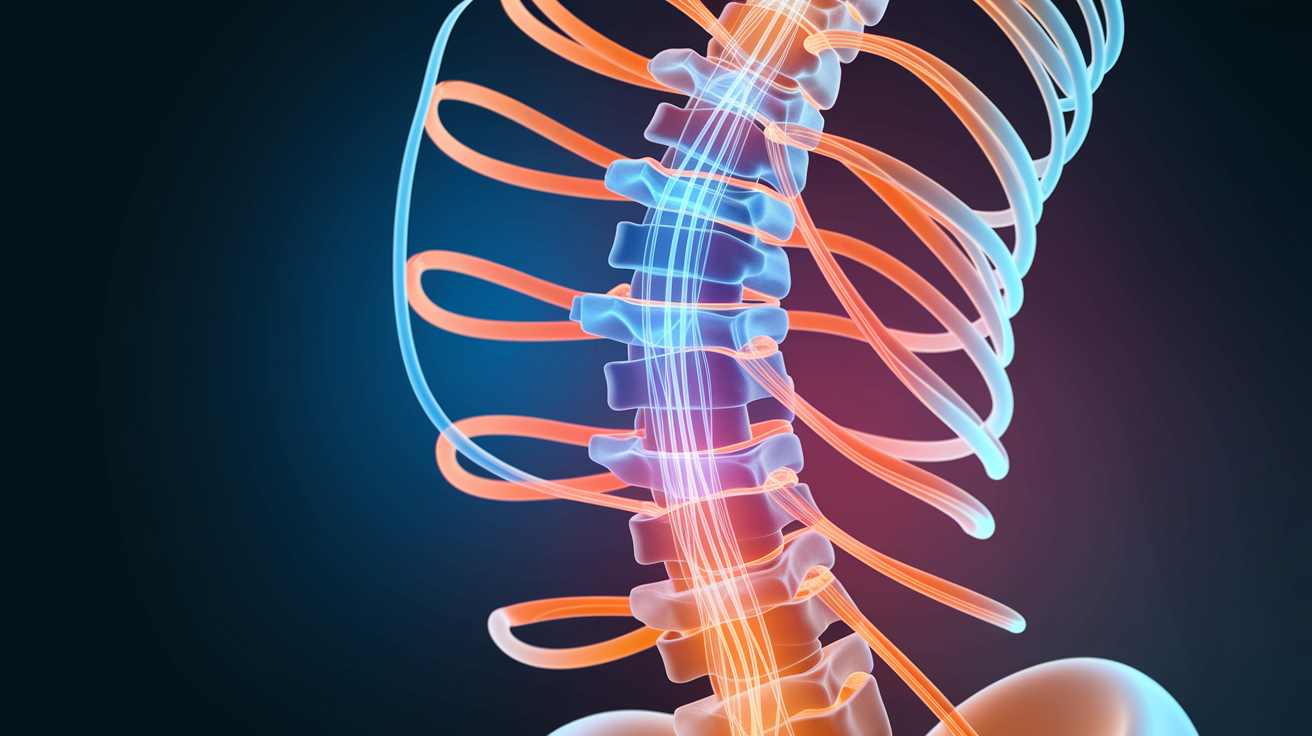
Lower back pain often involves lumbar stiffness, muscle strain from lifting or twisting, or weak engagement of the deep core muscles that stabilize the spine. The lower back bears most of your body weight during sitting and standing, so even small imbalances in posture, strength, or flexibility can create noticeable discomfort. Certain stretches and positioning techniques can reduce tension by lengthening tight hip flexors and hamstrings, decompressing lumbar joints, and encouraging neutral spinal alignment.
Self-care for lower back pain works best when you combine short stretches with light strengthening and frequent position changes. Start with movements that feel manageable, even if they seem too easy. Pushing through sharp pain or forcing a stretch usually makes symptoms worse.
Most lower-back muscle strains respond well to a structured home plan over 1 to 2 weeks. If your pain is severe or doesn’t improve within a few days, you may need imaging or hands-on care from a physical therapist or clinician.
Targeted techniques to try at home:
- Knee-to-chest stretch. Lie on your back, pull one knee gently toward your chest with both hands, hold 20 to 30 seconds, then switch. Repeat 2 to 3 times per leg, 2 to 3 times per day.
- Cat-cow spinal mobility. On hands and knees, alternate slowly arching your back and rounding your spine. Move through 10 to 15 cycles, 1 to 2 sets, twice daily.
- Pelvic tilt for lumbar control. Lie on your back with knees bent, flatten your lower back into the floor by tilting your pelvis, hold 5 to 10 seconds. Do 10 to 15 reps, 2 to 3 sets, twice per day.
- Glute bridge for strength. Lie on your back, feet flat, lift your hips until your body forms a straight line, hold 2 to 3 seconds. Perform 10 to 15 reps, 2 to 3 sets, once daily.
- Short walks every 1 to 2 hours. Walk gently for 3 to 5 minutes to keep the lower back from stiffening. Don’t sit or lie down for more than 30 to 60 minutes at a time during the day.
- Lumbar support when sitting. Roll a small towel and place it in the curve of your lower back, or use a lumbar cushion 6 to 10 cm thick to maintain the natural arch.
Upper and Mid-Back Relief Strategies
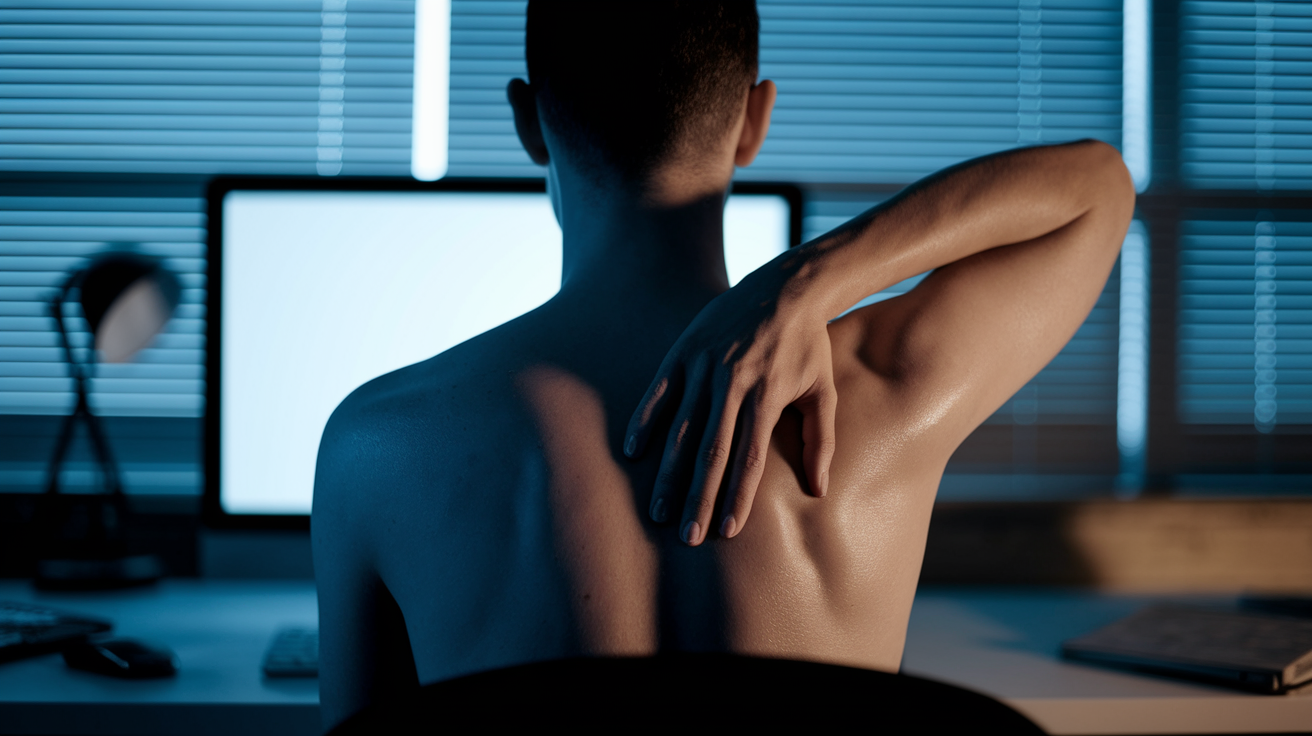
Upper and mid-back pain often stems from posture habits, desk setup, and muscle tightness in the thoracic spine, the section of your spine between your shoulder blades. Hours of sitting with rounded shoulders, a forward head position, or a screen that’s too low can overwork the muscles along your upper back and neck. Thoracic extensions and scapular mobility drills can reduce stiffness by restoring movement to joints that have become locked in a flexed position.
This region responds well to gentle mobility work and stretches that open the chest and engage the muscles between the shoulder blades. You don’t need to stretch aggressively. Small, frequent movements throughout the day are usually more effective than one long session.
If upper-back pain is accompanied by numbness or tingling down the arm, shortness of breath, or chest discomfort, seek medical evaluation promptly to rule out nerve compression or other serious causes.
Upper and mid-back relief techniques:
- Doorway chest stretch. Stand in a doorway, place your forearms on the frame at shoulder height, and step one foot forward until you feel a stretch across your chest. Hold 20 to 30 seconds, repeat 2 to 3 times.
- Thoracic extension over a foam roller. Lie on your back with a foam roller placed horizontally under your mid-back, arms crossed over your chest or behind your head. Gently arch backward over the roller, hold 5 to 10 seconds, then relax. Repeat 8 to 10 times.
- Scapular squeeze. Sit or stand upright, squeeze your shoulder blades together as if pinching a pencil between them, hold 5 seconds, then release. Do 10 to 15 reps, 2 to 3 times per day.
- Seated spinal twist. Sit in a chair, place your right hand on the outside of your left knee, twist gently to the left, hold 15 to 20 seconds, then switch sides. Repeat 2 times per side.
- Raise your monitor and adjust your chair. Position your monitor so the top of the screen is at or just below eye level, about 50 to 70 cm from your face. Sit with your back against the chair and feet flat on the floor.
Posture Fixes and Everyday Positioning
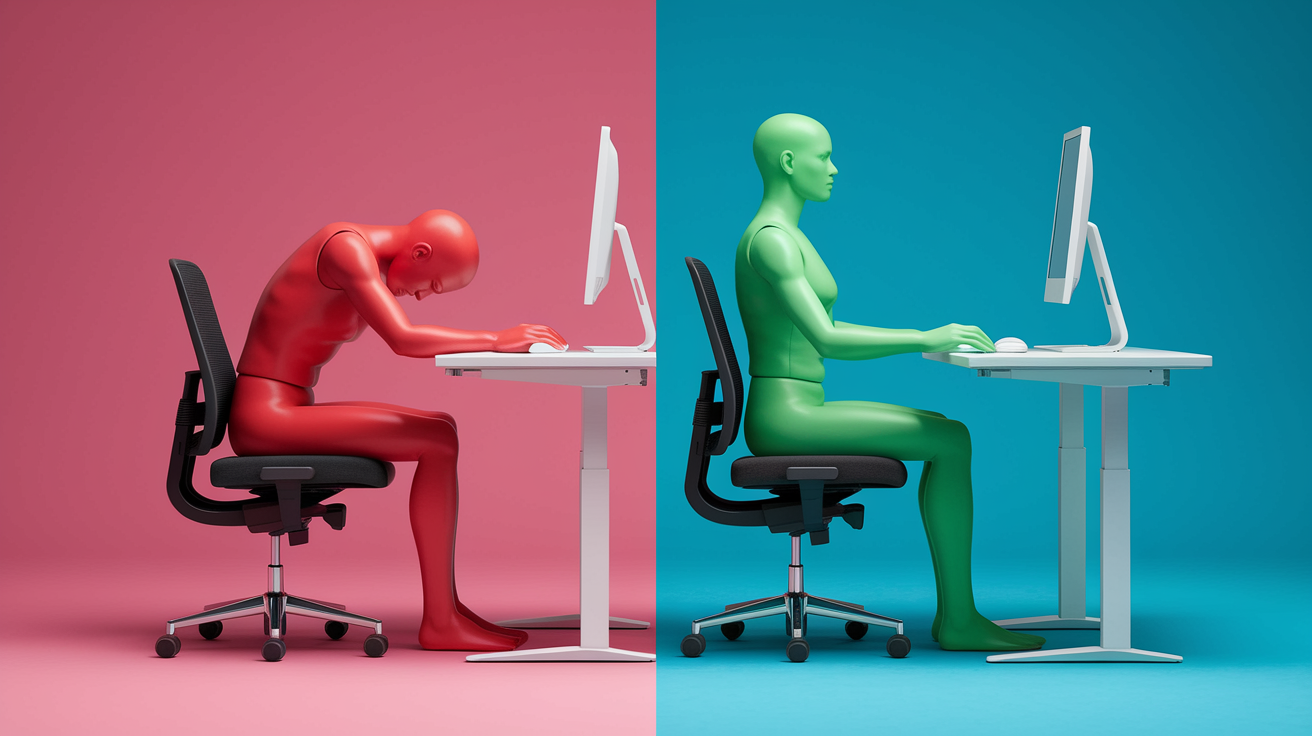
Poor posture during sitting, standing, or sleeping contributes to back pain by placing uneven load on spinal structures and fatiguing the muscles that support your spine. Adjusting screen height, chair support, and pillow setup can reduce strain within hours and prevent pain from worsening over days or weeks. Small corrections repeated consistently make a bigger difference than occasional perfect posture.
When sitting for long periods, keep your feet flat on the floor, your elbows at roughly 90 degrees, and your lower back supported by a small rolled towel or lumbar cushion. Your knees should be at or slightly below hip level. Stand and move for 3 to 5 minutes every 30 to 60 minutes to reset muscle tension and improve circulation.
Key positioning adjustments:
- Monitor at eye level. The center of your screen should sit 50 to 70 cm away, with the top edge at or just below eye height to prevent forward head posture.
- Chair setup. Sit all the way back in your chair with lumbar support in the small of your back. Adjust seat height so your feet rest flat and your thighs are parallel to the floor.
- Sleep position and pillow placement. For lower-back pain, sleep on your back with a pillow under your knees or on your side with a pillow between your knees to keep hips level. For upper-back or neck pain, use a pillow that keeps your neck neutral, typically 10 to 15 cm loft depending on your sleeping position.
- Standing posture cue. Keep your head up, shoulders back, and weight evenly distributed on both feet. Shift your weight and move your feet every few minutes if standing for a long time.
Home Tools and Simple Equipment That Help

Heat packs increase blood flow to tight muscles and can reduce stiffness within 15 to 20 minutes, making them useful for chronic or subacute pain that feels achy rather than sharp. Tennis ball massage can release trigger points, small tender knots in muscle tissue, by applying sustained pressure for 30 to 90 seconds per spot. Lumbar pillows or rolled towels improve spinal alignment by filling the natural curve of your lower back when you sit, reducing the load on spinal discs and ligaments.
Most of these tools cost less than $40 and can be reused indefinitely. You likely already have a towel, a tennis or lacrosse ball, and access to a microwave or freezer, which is enough to create an effective relief setup at home.
Use tools carefully and stop if pain increases. Aggressive pressure or prolonged heat on one spot can sometimes irritate tissue rather than relieve it, so start gently and build tolerance over several sessions.
Simple tools and how to use them:
- Reusable cold pack ($5 to $15). Wrap in a thin towel and apply to the painful area for 15 to 20 minutes every 2 hours during the first 48 to 72 hours after an injury. Don’t place ice directly on skin.
- Electric heating pad or microwaveable heat pack ($15 to $40). Use moist heat if possible. Apply for 15 to 20 minutes up to 3 times per day after the first 72 hours or for chronic stiffness. Don’t sleep with a heating pad on high.
- Tennis or lacrosse ball for trigger-point release. Lie on your back or lean against a wall with the ball placed on a tight spot in your back. Apply gentle pressure for 30 to 90 seconds, breathing slowly, then move to the next spot. Repeat once or twice daily.
- Lumbar support cushion or rolled towel ($10 to $30, or free with a towel). Place a 6 to 10 cm rolled towel or cushion in the small of your back when sitting. This maintains the natural lumbar curve and reduces disc pressure during prolonged sitting.
Over-the-Counter Options and When to Use Them

NSAIDs such as ibuprofen and naproxen can decrease inflammation and relieve pain by blocking enzymes that produce inflammatory chemicals in the body. Topical creams and gels, including those containing menthol, lidocaine, or capsaicin, provide temporary localized relief by numbing nerve endings or creating a warming or cooling sensation that distracts from pain signals. Dosing guidance must follow package instructions, and you should check with a clinician before combining medications or using them for more than a few days.
Acetaminophen may relieve pain but doesn’t reduce inflammation, so it works differently than NSAIDs. Some people respond better to one than the other. If you try an OTC option and notice no improvement after 2 to 3 days, or if you develop stomach upset, discontinue use and talk to a clinician.
General OTC categories to consider:
- NSAIDs (ibuprofen 200 to 400 mg every 4 to 6 hours, naproxen 220 mg every 8 to 12 hours). Don’t use if you’re pregnant, have active stomach ulcers, kidney disease, or take blood thinners without clinician approval. Don’t exceed 1,200 mg/day of OTC ibuprofen or 660 mg/day of OTC naproxen.
- Acetaminophen (325 to 1,000 mg every 4 to 6 hours). Safer upper limit is 3,000 mg per day. Check other medications for acetaminophen to avoid accidental overdose.
- Topical analgesics (menthol, lidocaine 4% patches, capsaicin cream). Apply up to 3 to 4 times per day per label instructions. Don’t use ice or heat on the same area when topical creams are applied. Wash hands after application, especially with capsaicin.
Lifestyle Habits That Reduce Recurrence

Consistent movement, even in short bursts throughout the day, keeps spinal joints mobile and muscles engaged, reducing the likelihood that stiffness will build up into a painful episode. Light strengthening of the core, glutes, and back muscles creates a more stable base for your spine and distributes load more evenly during daily activities. Hydration supports disc health. Spinal discs rely on fluid to maintain height and cushion the vertebrae, and maintaining a healthy weight reduces mechanical stress on the lower back.
Most people who experience back pain once will experience it again at some point, but the severity and frequency of flare-ups can be reduced significantly with daily habits. Small, sustainable changes are more effective than short bursts of aggressive exercise or strict routines you can’t maintain.
Smokers are about four times as likely to develop degenerative disc disease or other spine issues because smoking impairs circulation to spinal structures and reduces nutrient delivery to discs. Quitting smoking is one of the most effective long-term preventive measures for spine health. A balanced diet high in fruits and vegetables provides nutrients like vitamin D for bone strength, magnesium for muscle support, and anti-inflammatory compounds found in foods like turmeric, but consult a physician before starting supplements.
When Home Treatment Is Not Enough

Severe symptoms like numbness, tingling, or progressive weakness in the legs can indicate nerve compression that may worsen without treatment. Loss of bowel or bladder control, or numbness in the saddle area between the legs, is a medical emergency and requires immediate evaluation. Pain that persists beyond 2 weeks despite consistent home care, or pain that worsens rather than improves, warrants a clinician visit to rule out structural problems, infection, or inflammatory conditions.
If your pain started after major trauma (a fall, car accident, or heavy lift), or if you have a history of cancer, unexplained weight loss, fever above 38°C, or immune suppression, seek medical evaluation within 24 to 72 hours even if the pain feels manageable at first.
Red-flag symptoms that require urgent or emergency care:
- Loss of bowel or bladder control, or new difficulty starting urination.
- Numbness or tingling in the saddle area, inner thighs, or genitals.
- Progressive leg weakness that makes it hard to stand, walk, or lift your foot.
- Fever above 38°C (100.4°F) with back pain, which may indicate infection such as discitis or epidural abscess.
Final Words
Start with simple steps: ice or heat for 15–20 minutes, gentle movement, and one targeted stretch to relax tight muscles. These often lower pain within an hour.
Try the targeted fixes for lower, upper, and mid back, fix posture, use safe home tools, and only use OTCs as needed. Watch for red flags—numbness, weakness, worsening pain, or bowel or bladder changes—and see a clinician if they happen.
Use this quick plan to learn how to relieve back pain at home, and keep at it—small, steady steps add up to real change.
FAQ
Q: What helps back pain in old age?
A: Back pain in old age is helped by gentle daily movement, heat for tight muscles, targeted stretches, ergonomic seating, weight control, and safe OTC pain relievers; check with your clinician for osteoporosis, blood thinners, or sudden severe symptoms.
Q: How do I release tension in my back and reduce muscle pain?
A: Releasing tension in your back and reducing muscle pain starts with ice for 10–20 minutes for new soreness, heat for tight muscles, gentle mobility drills, short walks, and targeted stretches; stop if pain worsens.
Q: Will back pain go away?
A: Back pain will often improve with self-care over days to a few weeks, but if it doesn’t improve after one week, gets worse, or comes with numbness or bowel/bladder changes, see a clinician.