

Is vomiting something you should tough out at home, or a reason to get medical help?
Most cases clear in a day or two, but some patterns need same-day care.
This post cuts through the noise and shows the clear warning signs for urgent care: how long vomiting has lasted, whether you can keep fluids down, dehydration clues, high fever, blood or green vomit, and severe belly pain.
Read on so you can decide fast and safely whether to treat at home, head to urgent care, or go to the emergency room.
Key Criteria for Urgent Care Evaluation When Vomiting Becomes Concerning
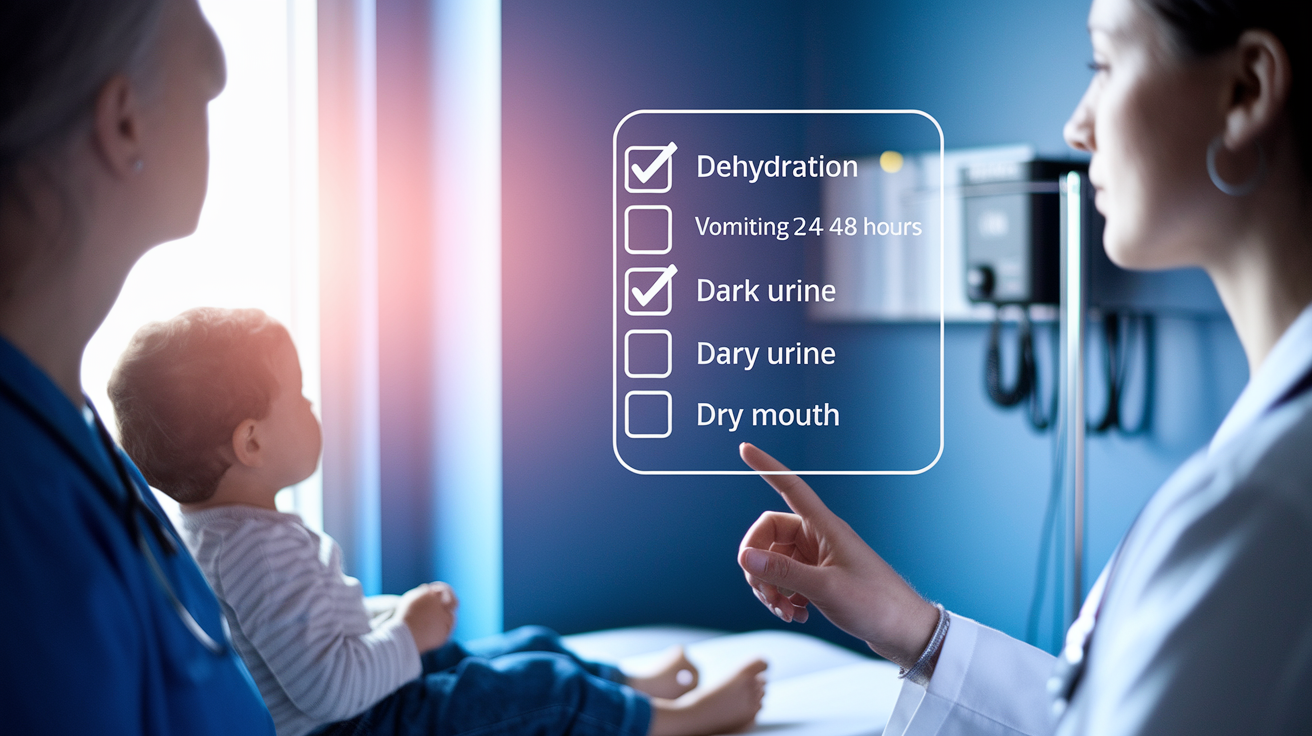
Most vomiting clears up in a day or two. But some patterns push past what you can handle at home. Knowing when to go to urgent care for vomiting comes down to how long it’s been going on, whether you can keep anything down, and what your body’s telling you about dehydration.
Duration matters. If vomiting’s lasted more than 24 hours in babies or young kids, or more than 24 to 48 hours in older kids and adults, it’s time for urgent care. For babies under 12 months, the clock runs faster. If they’ve been vomiting for 12 to 24 hours and can’t keep fluids down, don’t wait. Same goes if you can’t tolerate any liquids for 8 to 24 hours. Smaller kids get even shorter windows.
Visible signs of dehydration shift things fast. Dark yellow or amber urine, going hours without peeing, dry mouth and lips, dizziness when you stand up, skin that doesn’t bounce back when you pinch it. In babies, fewer than six wet diapers in 24 hours is a red flag. So is a sunken soft spot, no tears when crying, or being really listless.
When to go to urgent care for vomiting:
- Vomiting longer than 24 hours in young kids or 48 hours in adults, especially if fluids won’t stay down
- Dehydration signs like dark urine, dizziness, dry mouth, or way less pee than normal
- Fever above 101°F in adults or above 102°F in kids on top of the vomiting
- Abdominal pain or cramping that’s persistent or getting worse and doesn’t let up between episodes
- More than six episodes in 6 to 12 hours, or projectile vomiting
- Pregnancy related vomiting that’s making it impossible to keep down food, water, or vitamins
Understanding Why Certain Vomiting Symptoms Indicate Underlying Medical Problems
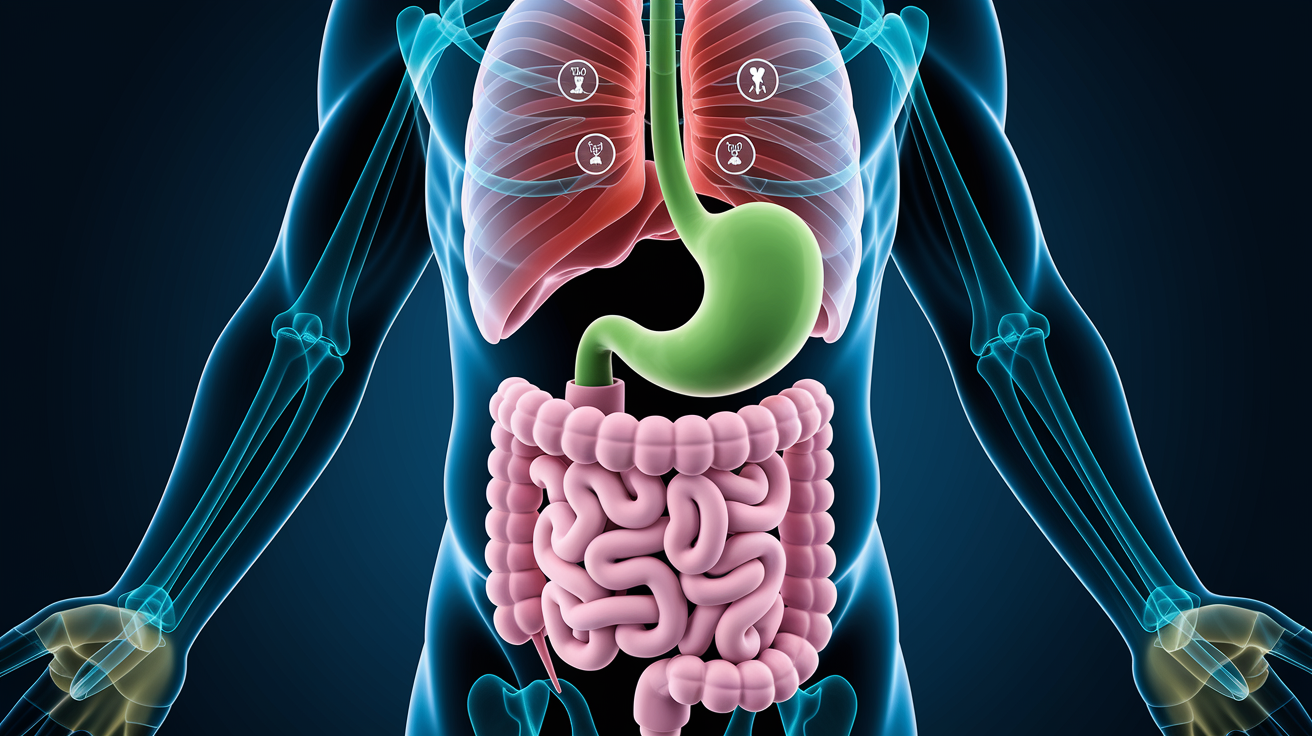
Vomiting’s a protective reflex. But the color, timing, and what else you’re feeling can point to what’s actually happening inside. Green or bilious vomit (the kind that looks like bile or has a yellow green tint) often means stomach contents are backing up from the intestines. That can signal a blockage. Blood in vomit, whether it’s bright red or dark and grainy like coffee grounds, means bleeding somewhere in your digestive tract. Both need same day evaluation because they won’t fix themselves.
High fever with vomiting, especially when you’re also confused, really lethargic, or have a stiff neck, raises concern for infection that could be affecting your central nervous system or causing sepsis. Severe, localized belly pain, particularly in the lower right side, combined with vomiting can point to appendicitis or another acute problem. When vomiting comes with an altered mental state (drowsiness that’s hard to wake from, disorientation), your body may be dealing with dangerous electrolyte shifts, low blood sugar, or something neurologic.
Symptom patterns and their likely causes:
- Bilious (green or yellow green) vomit linked to intestinal obstruction or bowel blockage
- Blood in vomit or coffee ground material indicating gastrointestinal bleeding from ulcers, tears, or varices
- Severe, unrelenting abdominal pain suggesting organ involvement such as appendicitis, gallbladder disease, or pancreatitis
- Fever above 102°F to 103°F paired with vomiting pointing to systemic infection, potentially meningitis or severe gastroenteritis
- Confusion, extreme lethargy, or difficulty staying awake tied to electrolyte imbalance, hypoglycemia, or central nervous system effects
Differentiating Urgent Care vs Emergency Room for Severe Vomiting Episodes

Urgent care handles moderate dehydration, persistent vomiting that hasn’t become life threatening yet, and situations where you need fluids or meds but don’t have red flag symptoms. Emergency rooms are equipped for shock, severe bleeding, neurologic emergencies, and cases where you might need imaging, surgery, or intensive monitoring.
Symptoms Appropriate for Urgent Care
Urgent care’s the right call when vomiting’s lasted beyond the typical 24 to 48 hour window but you’re still alert, able to walk, and not showing severe distress. If you’re struggling to keep fluids down and starting to feel lightheaded or notice your pee’s darker than usual, urgent care can give you IV fluids and antiemetic medications to break the cycle. Moderate belly discomfort, low grade to moderate fever (101°F to 102°F in adults), and general weakness from dehydration are all within their scope. Pregnant people experiencing persistent vomiting that’s making it hard to stay hydrated should contact their obstetrician. But they can also use urgent care for stabilization and fluids.
Symptoms Requiring Immediate Emergency Room Care
Go to the nearest ER if you see blood in your vomit, whether it’s bright red or looks like dark coffee grounds. Or if vomit’s green and bilious, suggesting a bowel obstruction. Severe, sharp, or rapidly worsening abdominal pain, especially if it’s localized to one area and you can’t stand upright, requires emergency evaluation. Vomiting after a head injury, even if the injury seemed minor, can mean concussion or bleeding inside your skull. Any combo of vomiting with chest pain, difficulty breathing, fainting, confusion, or signs of shock (cold, clammy skin, rapid heartbeat, extreme weakness) is an emergency. Infants under three months with any fever of 100.4°F or higher and vomiting should be seen in the ER immediately.
| Care Setting | Common Symptoms Managed | Example Thresholds |
|---|---|---|
| Urgent Care | Persistent vomiting, moderate dehydration, inability to keep fluids down, moderate fever, mild to moderate abdominal pain | Vomiting >24–48 hours, fever 101°F–102°F, reduced urine output, dizziness |
| Emergency Room | Blood in vomit, green/bilious vomit, severe abdominal pain, altered mental status, vomiting after head injury, signs of shock | Any blood or coffee-ground emesis, fever >103°F, severe pain, fainting, confusion, infant <3 months with fever ≥100.4°F |
| Home Care | Mild, self-limited vomiting with successful fluid intake, no fever or mild fever, no dehydration signs | Vomiting <24 hours, able to sip fluids, normal urine output, alert and responsive |
| Observation & Re-evaluate | Early vomiting with unclear cause, monitoring fluid tolerance and symptom progression | First 8–12 hours of symptoms, tolerating small sips, watching for worsening signs |
Age-Based Guidance for Vomiting: Infants, Children, Teens, and Adults

Age changes the urgency threshold because smaller bodies dehydrate faster. And certain symptoms carry different weight depending on developmental stage. What might be manageable at home for an adult can get serious way faster in an infant or toddler.
Infants (0–12 Months)
Newborns and young infants have very little reserve when it comes to fluid loss. Any infant under three months with vomiting and a fever of 100.4°F or higher needs emergency evaluation. This age group’s at risk for serious bacterial infections. Look at diaper counts. Fewer than six wet diapers in 24 hours is a dehydration warning. A sunken soft spot on the head, no tears when crying, dry mouth, and extreme sleepiness or difficulty waking are urgent signs. If an infant’s been vomiting for more than 12 to 24 hours, refuses to feed, or shows any of those dehydration markers, go to urgent care or the ER. Projectile vomiting in infants, especially if it happens after every feeding, can indicate pyloric stenosis and needs prompt medical assessment.
Toddlers & Young Children (1–5 Years)
Young children should be seen if vomiting lasts longer than 24 hours or if they can’t keep any fluids down for a full day. A fever of 102.2°F or higher paired with vomiting moves the timeline up. Watch for behavior changes. If your child becomes unusually irritable, lethargic, or hard to console, that’s a sign their body’s struggling. Reduced urine output’s easier to track in this age group. If your child hasn’t peed in eight to twelve hours during the day, dehydration’s likely. Persistent or severe belly pain, especially if your child pulls their knees to their chest or cries when you touch their stomach, warrants urgent evaluation.
Older Children & Teens
School age kids and teenagers can usually tell you more about how they feel, which helps with assessment. Seek urgent care if vomiting persists beyond 24 to 48 hours, if they’re dizzy or lightheaded when standing, or if they haven’t been able to keep fluids down for a full day. Dark, concentrated urine or going more than 12 hours without peeing signals dehydration. Severe or worsening abdominal pain, high fever above 102°F, or any blood in vomit or stool means it’s time for medical evaluation. This age group’s also more likely to report headache or neck stiffness, which combined with vomiting can indicate meningitis and requires emergency care.
Adults
Adults generally have a 48 hour window before persistent vomiting becomes medically urgent. But that shortens if you can’t tolerate any fluids. If you’ve been vomiting for two full days, or if you haven’t been able to keep down even small sips of water for 24 hours, go to urgent care. Watch for dizziness, especially when standing up. Dark urine, or going eight hours or more without peeing. Severe abdominal pain that’s sharp, localized, or getting worse is a red flag. A fever above 103°F or a fever that stays above 101°F for more than two days alongside vomiting should be evaluated. Older adults, people with diabetes, heart disease, kidney disease, or weakened immune systems should seek care sooner. Dehydration and electrolyte imbalances can worsen underlying conditions quickly.
Special Circumstances When Vomiting Requires Faster Care
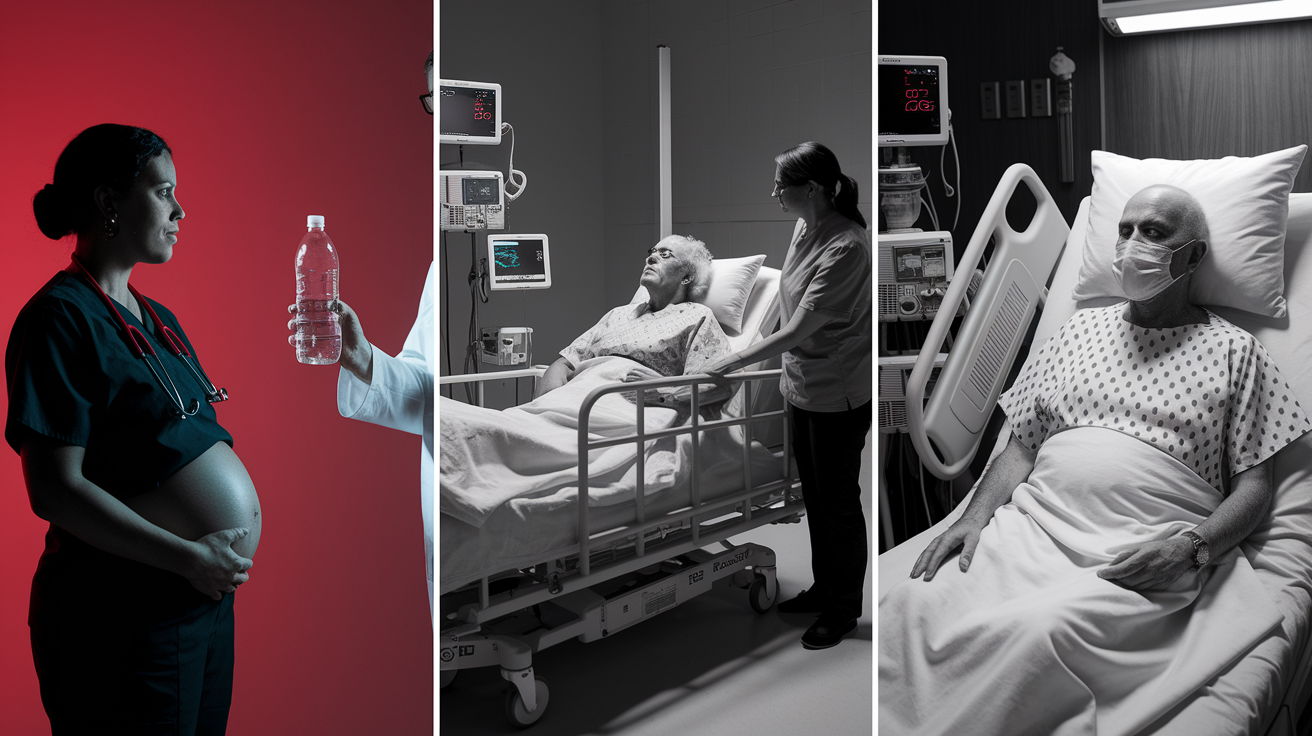
Some people move from “watch and wait” to “get help now” faster because their baseline health or current condition leaves less margin for error. Pregnant people experiencing severe or persistent vomiting that prevents them from keeping down food, fluids, or prenatal vitamins may have hyperemesis gravidarum. That’s a condition that can lead to dangerous dehydration and nutritional deficits. Contact your obstetrician and consider urgent care for IV fluids and antiemetic medication if vomiting’s lasted more than 24 hours or you’re showing dehydration signs.
Older adults dehydrate more quickly because their kidneys are less efficient and they often start with lower fluid reserves. If an elderly person’s been vomiting for more than 12 to 24 hours, is confused, dizzy, or hasn’t peed in many hours, they need same day evaluation. People with chronic illnesses such as diabetes are at risk for metabolic crises. Persistent vomiting can lead to diabetic ketoacidosis if blood sugar and hydration aren’t managed. Those who are immunocompromised, whether from chemotherapy, organ transplant, HIV, or immune suppressing medications, should seek medical evaluation sooner. Their bodies can’t fight infection or recover from dehydration as effectively.
High risk groups requiring earlier intervention:
- Pregnant people with vomiting lasting more than 24 hours or inability to keep down fluids, at risk for hyperemesis gravidarum
- Elderly adults who dehydrate faster and may become confused or experience falls due to dizziness and weakness
- People with chronic diseases such as diabetes, heart failure, or kidney disease where vomiting can trigger metabolic imbalances or worsen underlying conditions
- Anyone with recent toxin ingestion, poisoning symptoms, or chemotherapy related vomiting requiring same day evaluation to prevent complications
What Urgent Care Can Do for Vomiting Evaluation and Treatment

When you arrive at urgent care with vomiting, the first step’s a quick assessment of your vitals and hydration status. The clinician will check your blood pressure, heart rate, temperature, and look for physical signs of dehydration. Dry mucous membranes, skin turgor, and how alert you are. They’ll ask about the duration and frequency of vomiting, what you’ve been able to keep down, any blood or unusual colors in the vomit, accompanying symptoms like fever or belly pain, and your medical history.
Treatment focuses on stopping the vomiting long enough for you to rehydrate and stabilize. Urgent care can give you an injectable antiemetic medication (often ondansetron or promethazine) that works quickly to calm nausea and reduce the vomiting reflex. Once the nausea’s controlled, they may offer oral rehydration solutions. Or, if dehydration’s moderate to severe, start an IV line to deliver fluids and electrolytes directly. Most people feel noticeably better after one to two liters of IV saline. You’ll also get a prescription for oral antiemetics to take at home so you can keep managing symptoms as your stomach settles.
If there’s concern about infection, electrolyte imbalance, blood sugar issues, or other underlying causes, urgent care can run basic lab tests. A metabolic panel, glucose check, or urinalysis. Some centers have x ray capability if there’s suspicion of bowel obstruction. Depending on what they find and how you respond to initial treatment, you’ll either be sent home with clear instructions and a follow up plan, or referred to the ER if your condition’s more serious than urgent care can manage.
| Service | Purpose |
|---|---|
| Injectable antiemetic medication | Stops vomiting quickly so oral rehydration or medications can be tolerated |
| IV fluids and electrolyte replacement | Treats dehydration and restores fluid balance, especially if oral intake has been impossible |
| Basic lab tests (glucose, electrolytes, urinalysis) | Identifies metabolic issues, infection markers, or kidney function problems that may need treatment |
Safe Home Care Strategies for Vomiting and When to Stop Home Care

If vomiting’s mild and you’re able to keep small amounts of liquid down, home care can work. The goal’s to stay hydrated and let your stomach recover gradually. Start with tiny, frequent sips of clear fluids. Water, oral rehydration solutions like Pedialyte, clear broth, or diluted sports drinks. Aim for a few teaspoons or a tablespoon every five to ten minutes rather than trying to drink a full glass at once. If swallowing liquids makes you nauseous, try sucking on ice chips or popsicles to get small amounts of fluid in over time.
Steps for managing vomiting at home:
- Sip clear fluids in very small amounts every few minutes. Use ice chips or popsicles if drinking’s difficult.
- Rest as much as possible and avoid lying flat immediately after drinking. Prop yourself up slightly to reduce reflux.
- Once vomiting stops for a few hours and you can tolerate liquids, slowly introduce bland foods such as plain toast, crackers, rice, or bananas.
- Avoid caffeine, alcohol, dairy products, greasy foods, and anything spicy until your stomach’s fully settled.
- Track your symptoms. Note when vomiting started, how often it’s happening, any fever, urine color and frequency, and whether you’re keeping any fluids down.
Stop home care and seek urgent care if you can’t keep any fluids down for 8 to 12 hours in young children or 24 hours in adults. If you notice dehydration signs (dark urine, dizziness, dry mouth, going many hours without peeing), don’t wait. Worsening belly pain, high fever, blood in vomit or stool, confusion, or feeling faint means it’s time for medical evaluation.
Quick Answers to Common Vomiting Questions Requiring Triage Decisions

Is projectile vomiting always serious?
Projectile vomiting (forceful vomiting that travels a distance) can be a normal response to stomach irritation, especially in infants after feeding. But in young infants (under three months), repeated projectile vomiting after every feeding may signal pyloric stenosis. That’s a narrowing of the stomach outlet that requires surgical repair. In older children and adults, projectile vomiting paired with severe headache, confusion, or recent head injury warrants emergency evaluation because it can indicate increased pressure in the brain.
What does green or bilious vomit mean?
Green, yellow green, or bile colored vomit suggests that stomach contents are coming up from the intestines rather than just the stomach. This can indicate a bowel obstruction or other structural problem that’s preventing normal digestion. Bilious vomiting, especially when paired with severe belly pain, bloating, or inability to pass stool or gas, should be evaluated in the ER.
When is blood in vomit an emergency?
Any visible blood in vomit is a reason to seek immediate emergency care. Bright red blood indicates active bleeding, while dark, grainy material that looks like coffee grounds suggests partially digested blood from higher in the digestive tract. Both can signal ulcers, tears in the esophagus, or bleeding from varices. Don’t wait to see if it gets better. Go to the ER.
Should I go to urgent care if I vomited after hitting my head?
Yes. Vomiting after a head injury, even if the injury seemed minor and you feel otherwise okay, can be a sign of concussion or more serious brain injury. Go to the ER or urgent care for evaluation. Watch for additional symptoms such as confusion, severe headache, vision changes, or difficulty staying awake. All of which require emergency care.
What if vomiting keeps coming back over weeks or months?
Chronic or recurrent vomiting that doesn’t fit the pattern of a short term illness may be related to conditions such as cyclic vomiting syndrome, gastroesophageal reflux disease, food allergies, or other gastrointestinal disorders. This pattern warrants evaluation by your primary care clinician or a gastroenterologist rather than urgent care, unless you’re currently in an acute episode with dehydration or severe symptoms.
Final Words
When vomiting starts, focus on the short list: how long it’s been going on, whether fluids stay down, and signs of dehydration. We covered duration-based thresholds, why green or bloody vomit and high fever matter, and how to choose urgent care vs the ER.
You also saw age-based rules, high-risk situations like pregnancy or recent chemo, what urgent care can do, and safe home-care steps plus quick Q&A to guide decisions.
Use these rules to decide when to go to urgent care for vomiting — most cases are manageable, and help is there when you need it.
FAQ
Q: How do I know if my vomiting is serious and what are the red flags?
A: You can tell vomiting is serious if it has blood or green bile, lasts over 24–48 hours (sooner for infants), causes dehydration (little urine, dry mouth, dizziness), severe belly pain, high fever, confusion, or follows a head injury.
Q: How many times should you throw up before going to urgent care?
A: How many times you vomit isn’t the only factor; go to urgent care if vomiting lasts beyond 24–48 hours (12–24 for infants), you can’t keep fluids for 8–24 hours, or you show dehydration or severe symptoms.
Q: What are 6 signs of norovirus?
A: Six signs of norovirus are sudden watery diarrhea, nausea, vomiting, stomach cramps, low‑grade fever, and muscle aches, often starting quickly and usually lasting about 1–3 days.