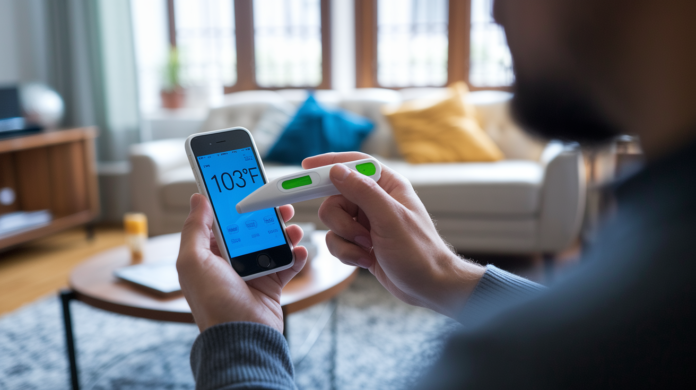

Is every fever a medical emergency? Not usually — most adult fevers mean your immune system is working, but certain temperatures and symptoms should make you act fast.
Here’s what matters: the exact temperature numbers to watch, the warning signs that mean get help now, how long to wait before worrying, and simple steps you can take at home while you decide.
Read on so you can spot the red flags and know when to call a clinician.
Key Temperature Thresholds and Immediate Danger Signs Adults Should Know
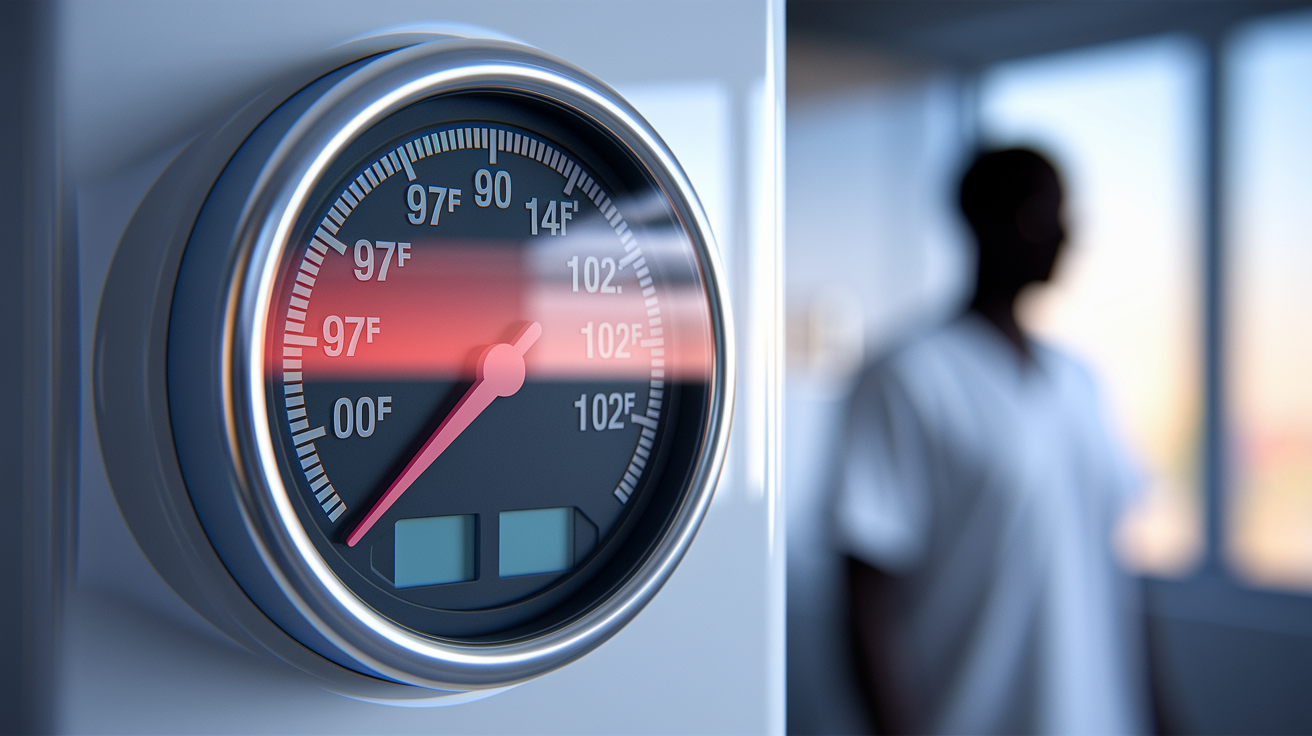
When you’re running a fever, the numbers on the thermometer give you a starting point, but they don’t tell you everything. For adults, a fever typically starts at 100.4°F (38.0°C). That’s when your body temperature has climbed beyond the usual range of 97°F to 99°F. This baseline matters because it gives you a clear reference point. Once your temperature climbs above 100.4°F, you’re officially dealing with a fever, though plenty of adults don’t feel terrible until they cross 102.2°F.
High grade fever in adults kicks in at 103°F (39.4°C) or higher. This is when your body is fighting something harder than a mild bug. If your fever reaches or exceeds 103°F and sticks around, that’s a signal to call a doctor, especially if over the counter medications like acetaminophen or ibuprofen aren’t bringing it down. Even more concerning is a fever that lasts more than three to five days without improving. Duration matters. A fever hanging around that long usually means your immune system hasn’t cleared the infection on its own, and a healthcare provider should take a look at what’s driving it.
The real danger isn’t always the temperature alone. It’s the symptoms that come with it. If your fever is paired with any of the following warning signs, you need to seek medical attention right away, either by calling your doctor urgently or heading to the emergency room:
Confusion or feeling disoriented
Difficulty breathing or shortness of breath
Severe, unrelenting headache
Persistent vomiting or inability to keep fluids down
A new rash, especially one that doesn’t blanch (fade) when you press on it
Chest pain or a sense of tightness in your chest
Painful, burning urination or foul smelling urine
These symptoms point to serious infections or complications that can escalate quickly. Meningitis, sepsis, pneumonia, or kidney infections, for example. If your gut says something feels really wrong, don’t wait. Trust that instinct and get help.
Understanding Adult Fever Levels and What They Mean
Fever isn’t a one size fits all symptom. Your body can run slightly warm for harmless reasons (stress, ovulation, a hot room) or it can spike because your immune system is battling an actual infection. Normal adult body temperature usually sits between 97.7°F and 99.5°F, and anything below 100.4°F is generally not considered a fever. Once you cross that 100.4°F line, your body is officially responding to something. Most commonly a viral infection like influenza, COVID-19, or a common cold. Bacterial infections like urinary tract infections, pneumonia, or strep throat can also drive fever, and they’re often the reason a fever climbs higher or lasts longer.
Low grade fevers (those in the 100.4°F to 102.2°F range) are common and often don’t require medication if you’re otherwise feeling okay. They’re your immune system doing its job, and many people can ride them out with rest, fluids, and light clothing. Once your temperature climbs above 102.2°F, the infection or inflammation driving it is usually more significant. That’s when fever reducing medication and closer monitoring make sense. Most adults start feeling uncomfortable and benefit from symptom relief somewhere between 102°F and 103°F.
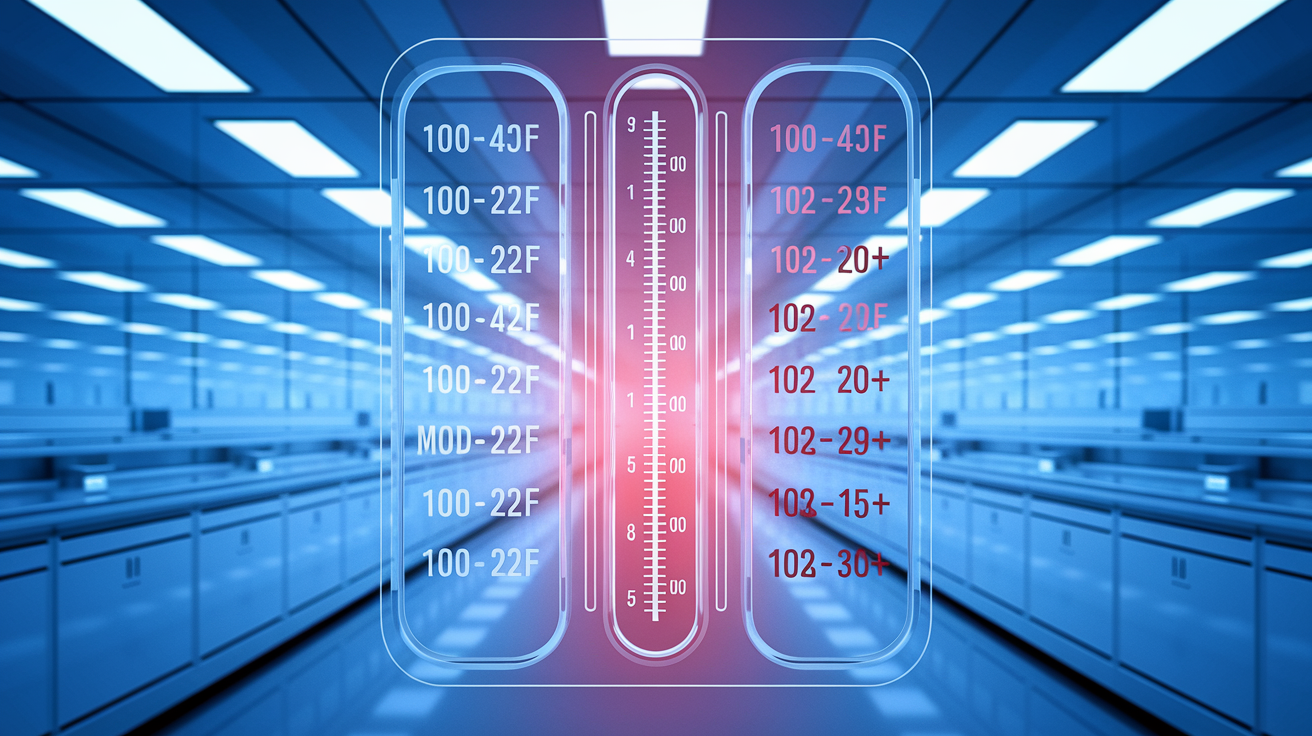
The table below breaks down what different temperature ranges typically mean for adults, so you can get a quick sense of where you stand.
| Temperature Range | Category | Typical Significance |
|---|---|---|
| 100.4°F – 102.2°F | Low grade fever | Common with mild viral infections; usually manageable at home with rest and fluids |
| 102.3°F – 102.9°F | Moderate fever | More significant immune response; consider fever reducing medication for comfort |
| 103°F (39.4°C) or higher | High grade fever | Indicates a stronger infection or inflammatory process; medical evaluation recommended, especially if persistent or unresponsive to medication |
How to Measure Fever Accurately in Adults
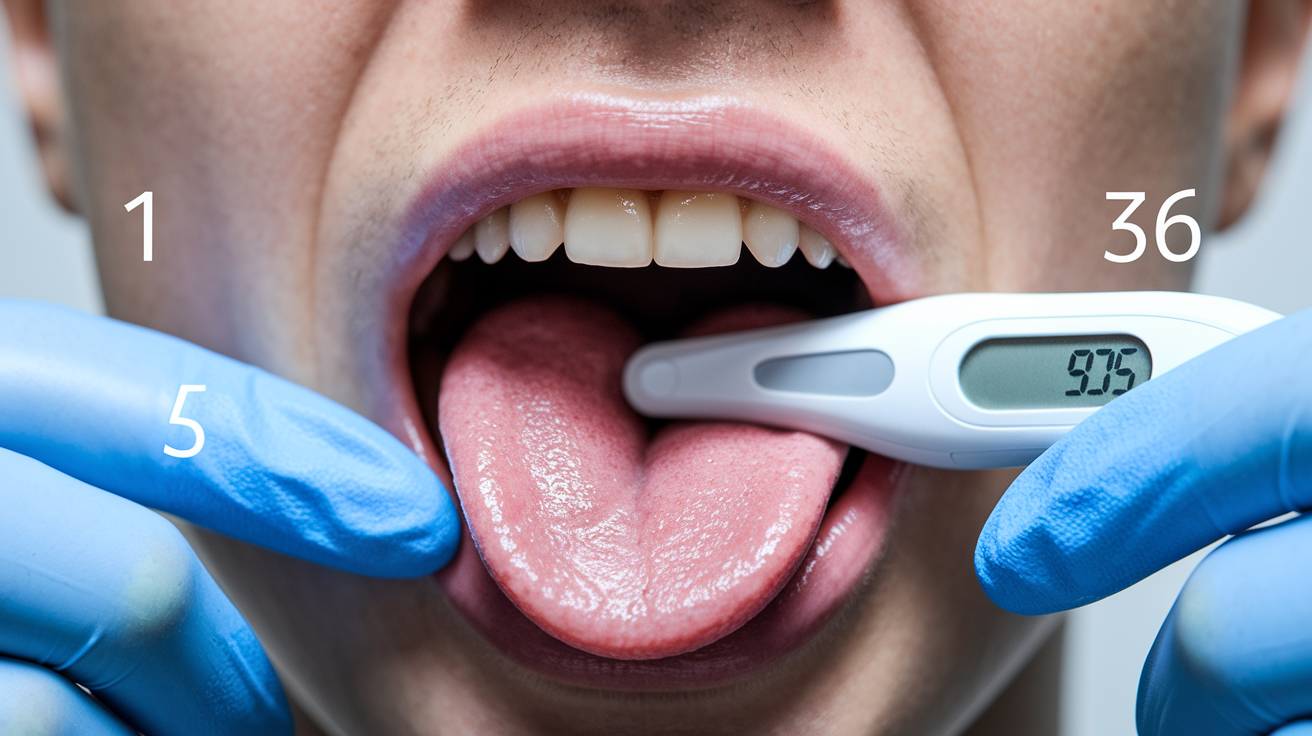
Getting an accurate temperature reading is simpler than you might think, but small details matter. The most reliable method for adults is an oral thermometer, placed under your tongue for the full reading time (usually about a minute for digital models). The key is timing. Wait at least 30 minutes after eating, drinking, or smoking before you take your temperature. Hot coffee or ice water will throw off the number, and you’ll either look feverish when you’re not, or miss a real fever entirely.
Other methods work too, though they vary slightly in accuracy. Temporal artery thermometers (the ones you swipe across your forehead) are convenient and reasonably accurate for adults. Tympanic thermometers measure temperature inside your ear canal and can be useful, but earwax or incorrect placement can skew the result. Axillary readings (taking your temperature under your armpit) are the least accurate but still give you a rough idea if that’s your only option. Rectal thermometers are the gold standard for precision, but they’re rarely necessary or comfortable for adults outside of clinical settings.
To get the most trustworthy reading, follow these steps:
- Choose an oral digital thermometer if possible, and make sure it’s clean.
- Wait 30 minutes after eating, drinking, or smoking.
- Place the tip under your tongue, toward the back, and close your mouth.
- Keep the thermometer in place until it beeps or signals completion.
- Record the number, the time, and any symptoms you’re noticing. This helps track patterns if you need to call a doctor later.
Fever Red Flags in Adults That Require Immediate Care

Some symptoms that accompany a fever are more than just uncomfortable. They signal that something serious may be happening inside your body, affecting your brain, lungs, heart, or bloodstream. These warning signs are your body’s way of saying it’s struggling to contain an infection or deal with a medical emergency, and they should never be ignored.
Confusion or disorientation
Severe, unrelenting headache
Stiff neck that makes it hard to touch your chin to your chest
Difficulty breathing or shortness of breath
Chest pain or tightness
Persistent vomiting or inability to keep down any fluids
A new rash, especially one that looks like small red or purple dots (petechiae) or spreads rapidly
Severe abdominal pain
Painful, burning urination or foul smelling urine
Loss of consciousness or feeling like you might pass out
These symptoms can point to infections that have reached critical areas. Confusion and severe headache with neck stiffness, for example, are classic signs of meningitis (an infection of the protective membranes around your brain and spinal cord). Difficulty breathing or chest pain can mean pneumonia or a blood infection affecting your lungs and heart. A petechial rash can signal sepsis or meningococcemia, where bacteria are actively spreading through your bloodstream. Persistent vomiting and severe abdominal pain may point to an organ infection, appendicitis, or a surgical emergency.
Painful urination combined with high fever often means a kidney infection, which can become life threatening if bacteria reach your bloodstream. When your body can’t fight an infection locally, it can escalate into sepsis (a whole body inflammatory response that can lead to organ failure, dangerously low blood pressure, and shock). That’s why these red flags demand immediate care, not a “wait and see” approach.
When Fever Duration and Patterns Signal a Bigger Problem

A fever that lasts longer than three to five days is trying to tell you something. Usually that your immune system hasn’t been able to clear the infection on its own. Most viral fevers, like those from the flu or a common cold, will peak within the first two to three days and start coming down after that. If your fever is hanging on beyond that window, or if it’s spiking, dropping, and spiking again in a pattern, it’s worth getting evaluated by a healthcare provider. Prolonged fevers can point to bacterial infections that need antibiotics, or less common issues like abscesses, tuberculosis, or inflammatory conditions.
Intermittent fevers (where your temperature climbs during certain times of the day and returns to normal at other times) can be a clue to specific infections or conditions. Some bacterial infections, like those involving the kidneys or bones, can cause this on and off pattern. So can certain tick borne illnesses, malaria if you’ve traveled recently, or even medication reactions. Your body’s immune response isn’t constant in these cases, which is why the fever comes and goes rather than staying elevated around the clock.
Recurring fevers that show up weeks or months apart are another story entirely. These can signal chronic infections, autoimmune diseases like lupus or rheumatoid arthritis, or periodic fever syndromes. Autoimmune conditions are especially tricky because the fever isn’t driven by bacteria or viruses. Your immune system is mistakenly attacking your own tissues, and fever is a side effect of that internal battle. If your fever keeps coming back without an obvious infection each time, your doctor will likely want to dig deeper with lab work and imaging.
High Risk Adults Who Should Worry About Fever Sooner

Not everyone can afford to “wait and see” with a fever. If you have certain underlying conditions or treatments that weaken your immune system, even a low grade fever can be a warning sign that requires prompt medical attention. Your body’s ability to fight infection is already compromised, so infections can escalate faster and hit harder than they would in someone with a fully functioning immune system.
Adults in the following groups should contact a healthcare provider as soon as fever develops, rather than trying to ride it out at home:
People receiving chemotherapy or radiation treatment for cancer
Adults with autoimmune diseases like lupus, rheumatoid arthritis, or Crohn’s disease, especially if you take immunosuppressive medications
Anyone with diabetes, which can impair immune response and wound healing
Individuals with chronic heart disease, lung disease, or kidney disease
Adults who have had an organ transplant and take anti rejection drugs
Older adults (generally age 65 and up), whose immune systems naturally weaken with age
For cancer patients undergoing chemotherapy, the threshold is even lower. A fever lasting more than an hour (or sometimes any fever at all, depending on your treatment protocol) can signal a dangerous infection called neutropenic fever, where your white blood cell count is too low to fight off bacteria. This is a medical emergency. Similarly, adults with autoimmune diseases often take medications that deliberately suppress the immune system to control inflammation, which means a fever may not mount as high as it would otherwise, even when infection is present.
If you’re in one of these high risk groups, don’t hesitate to call your doctor or seek urgent care as soon as your temperature crosses 100.4°F, especially if you feel unwell or notice other symptoms developing.
Fever After Travel: When It’s More Serious

If you develop a fever after returning from international travel, it’s not something to brush off. Travel related fevers can signal infections you wouldn’t normally encounter at home, and some of them (like malaria) can be life threatening if diagnosis and treatment are delayed. Malaria is a major concern if you’ve been to regions where the disease is common, including the Caribbean, Central and South America, south central and Southeast Asia, and sub Saharan Africa. The infection is caused by parasites transmitted through mosquito bites, and symptoms can start anywhere from a week to several months after exposure. Fever is often the first and most prominent symptom.
Even if you took antimalarial medication while traveling, you’re not completely protected. No preventive drug is 100% effective. If your fever shows up within weeks of your return and especially if it’s accompanied by chills, sweating, headache, or body aches, get to a doctor as soon as possible. Early diagnosis and treatment can prevent severe complications like organ failure or cerebral malaria. Blood tests can confirm the diagnosis, and treatment needs to start quickly to clear the parasites from your system.
Beyond malaria, post travel fevers can also point to other serious infections:
Dengue fever, common in tropical and subtropical regions, which can cause high fever, severe joint pain, and bleeding complications
Typhoid fever, contracted through contaminated food or water in parts of Asia, Africa, and Latin America
Tick borne illnesses, if you spent time hiking or in rural areas
Traveler’s diarrhea that has progressed to a systemic infection affecting your bloodstream or organs
How to Safely Manage a Fever at Home

Most fevers in otherwise healthy adults don’t require a trip to the doctor. They just need time, rest, and a few simple strategies to keep you comfortable while your immune system does its work. The goal isn’t always to eliminate the fever completely. A mild fever actually helps your body fight infection more effectively. But if the fever is making it hard to sleep, eat, or stay hydrated, it’s reasonable to bring it down with over the counter medication.
Acetaminophen (Tylenol) and ibuprofen (Advil, Motrin) are the two main fever reducers available without a prescription. Acetaminophen typically lasts about six hours and is gentler on your stomach, making it a good choice if you’re also dealing with nausea. Ibuprofen lasts closer to eight hours and has the added benefit of reducing inflammation, which can help with body aches and headaches that often come with fever. You can alternate between the two if your fever is high or persistent. Just follow the dosing instructions carefully and don’t exceed the maximum daily dose for either drug. Never give aspirin to children or teenagers, as it’s linked to a rare but serious condition called Reye’s syndrome, but adults can use it if acetaminophen and ibuprofen aren’t available.
Beyond medication, simple comfort measures can help you feel better and support your body’s recovery:
- Drink plenty of fluids (water, broth, herbal tea, or electrolyte drinks) to prevent dehydration, especially if you’re sweating or have lost fluids through vomiting or diarrhea.
- Wear lightweight, breathable clothing and use light bedding to avoid overheating.
- Take a lukewarm bath or shower if you feel uncomfortably warm. Avoid cold water, which can cause shivering and raise your core temperature.
- Rest as much as possible. Your body uses a lot of energy fighting infection, and sleep is when most immune repair happens.
- Eat if you can, but don’t force it. Small, bland meals like toast, crackers, or soup are easier to tolerate when you’re not feeling well.
- Avoid contact with others while you’re feverish, since many infections that cause fever are contagious.
When to Call a Doctor vs. When to Go to the Emergency Room for a Fever
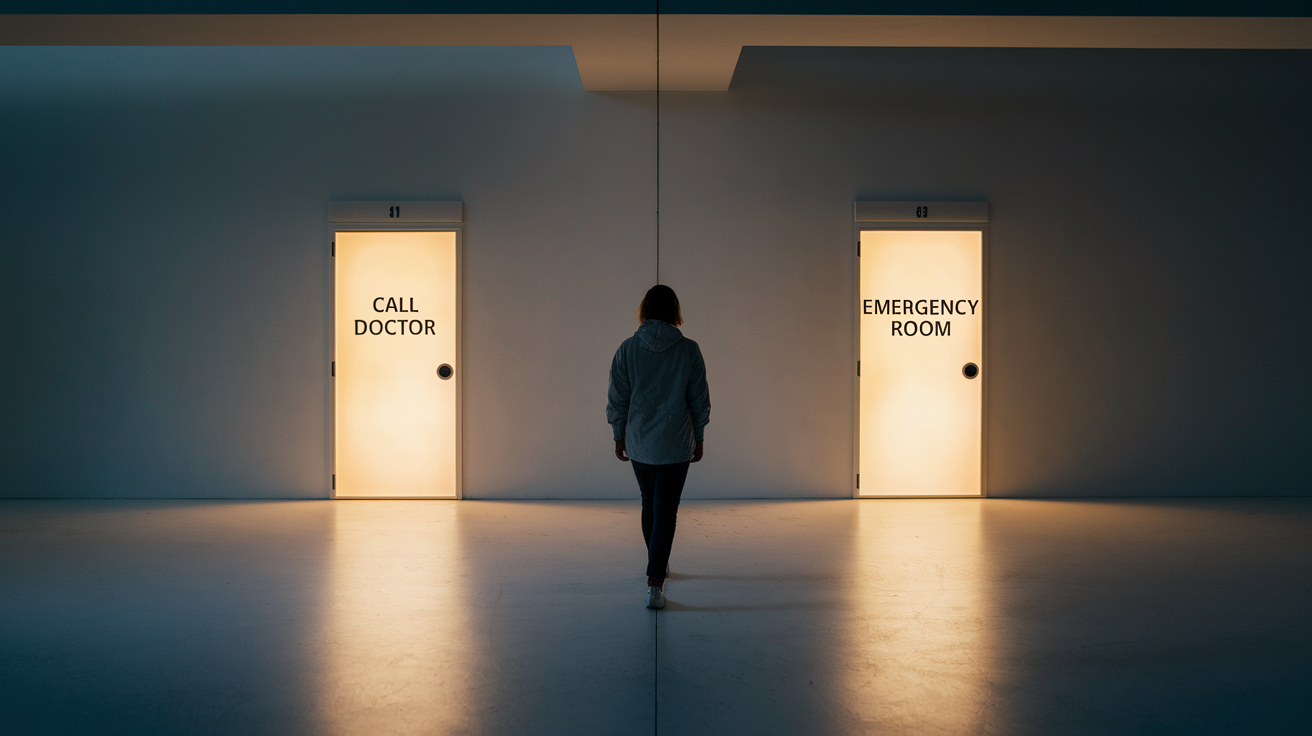
Deciding whether to call your doctor, head to urgent care, or go straight to the emergency room can feel unclear when you’re feverish and not thinking straight. The decision usually comes down to three factors: how your fever is responding to medication, how long it’s been going on, and whether you’re in a higher risk group or experiencing any red flag symptoms. If your fever has lasted several days without improvement, or if it’s not coming down with acetaminophen or ibuprofen taken as directed, that’s a signal to call your primary care physician or schedule a same day appointment. Persistent fever means your body hasn’t cleared the infection, and a healthcare provider can run tests to figure out whether you need antibiotics, antiviral medication, or further evaluation. For more guidance on when medical evaluation is necessary, the article “What’s considered a fever and when to see a doctor” offers additional decision making support.
If you have an underlying chronic condition (diabetes, heart disease, cancer, an autoimmune disorder) or if you’re over 65, don’t wait several days. Call your doctor as soon as the fever crosses 100.4°F and you feel unwell. Your immune system may not mount a strong fever response, so even a modest temperature can signal a serious infection. The same goes if you’ve recently traveled internationally, especially to regions where malaria or other tropical infections are common, or if you’ve been bitten by a tick. These situations change the threshold for concern, and your doctor will want to evaluate you sooner rather than later.
Emergency room care is the right choice when fever is paired with life threatening symptoms or when your condition is deteriorating rapidly. Confusion, difficulty breathing, chest pain, persistent vomiting, a rash that doesn’t fade when pressed, or loss of consciousness all require immediate evaluation. Pregnant individuals with high fever should also seek emergency care, as fever can signal infections that affect both mother and baby. For more detail on when to seek emergency care for fever, the article “When to go to the emergency room for fever” provides clear guidance on urgent situations.
| Situation | Recommended Action |
|---|---|
| Fever lasting 3–5 days with no improvement, or not responding to acetaminophen/ibuprofen | Call your primary care doctor or visit urgent care for evaluation and possible testing |
| Fever in adults with chronic illness, weakened immune system, or age 65+ | Contact your healthcare provider as soon as fever develops, even if it’s low grade |
| Fever after recent international travel or tick bite | See a doctor promptly for evaluation and possible infectious disease testing |
| High fever (103°F or higher) with confusion, difficulty breathing, chest pain, persistent vomiting, rash, or other red flag symptoms | Go to the emergency room immediately or call emergency services |
Final Words
If your temp is 100.4°F or higher, start watching closely; over 102.2°F or especially 103°F and up needs faster action. Watch for confusion, trouble breathing, severe headache, persistent vomiting, rash, chest pain, or painful urination.
Keep track of how long the fever lasts (3–5 days is a concern), how high it gets, and whether fluids and acetaminophen help. People with weaker immune systems or chronic illness should call sooner.
Use your notes when you talk to a clinician, and remember when to worry about a fever in adults. Most fevers improve with simple care, and help is available if they don’t.
FAQ
Q: What are the red flags of a fever?
A: The red flags of a fever are confusion, trouble breathing, severe headache or stiff neck, persistent vomiting, a new rash (including tiny pinpoint spots), chest pain, painful urination, or fainting. Seek immediate care.
Q: Is 101 a high fever for adults?
A: A 101°F temperature is a mild, low-grade fever (fever starts above 100.4°F). Rest, hydrate, and monitor. Seek care if it rises above 102.2 to 103°F, lasts several days, or you have red flags.
Q: When do you go to the ER for a fever as an adult?
A: You should go to the ER when your fever is very high and won’t drop with medication, or you have confusion, trouble breathing, severe headache, chest pain, persistent vomiting, a new rash, or fainting.
Q: How long does a 103 fever last?
A: A 103°F fever can last a day to several days depending on the cause. If it persists beyond 3 to 5 days, returns repeatedly, or won’t respond to fever reducers, contact a clinician.