

Want instant relief from sinus pressure?
Many people try one trick—steam, a spray, or a pill—and stay miserable.
The best way to relieve sinus pressure is to combine a few quick, safe methods that work together: warm compresses to loosen mucus, a saline rinse to flush it, and head positioning or steam to help drainage.
Used together, these steps often ease pressure within 10 to 60 minutes.
You’ll find exactly how to do each step, what to track, and when to see a clinician.
Fast-Acting Relief Methods for Sinus Pressure

The best way to relieve sinus pressure is combining a few quick techniques that actually work together. You’re looking at reducing inflammation, draining mucus, and easing that awful facial pain. Most people feel better within 10 to 60 minutes when they use warm compresses, saline rinses, and proper head positioning at the same time.
You don’t need to try everything at once. Start with one or two methods that feel doable, then add others if the pressure won’t quit. The goal is getting mucus moving and bringing down swelling in your nasal passages so air can flow freely again.
If you need relief right now, here’s what works fastest:
-
Warm compress – Soak a clean washcloth in hot water, wring it out, and hold it against your forehead, nose, and cheeks for 10 to 15 minutes. Repeat every couple of hours as needed.
-
Saline sinus rinse – Use about 240 mL (8 fl oz) of sterile, distilled, or boiled then cooled water per rinse. Do one rinse per nostril once or twice daily. This clears mucus and allergens quickly.
-
Steam inhalation – Lean over a bowl of hot water with a towel over your head for 10 to 15 minutes. Repeat two or three times per day, but skip this if you’ve got asthma or reactive airways.
-
Topical nasal decongestant spray – Oxymetazoline sprays work within minutes but shouldn’t be used for more than 48 to 72 hours to avoid rebound congestion.
-
OTC pain relievers – Take ibuprofen 200 to 400 mg every four to six hours (max 1,200 mg per day) or acetaminophen 325 to 650 mg every four to six hours. NSAIDs like ibuprofen often work better for sinus pressure because they reduce swelling.
-
Sinus massage – Apply steady pressure for 30 to 60 seconds at the bridge of your nose, between your eyebrows, along your cheekbones, and at the base of your skull. Repeat every two to four hours.
Understanding Sinus Pressure and Why It Happens

Sinus pressure shows up as a dull, persistent ache around your eyes, forehead, and nose. It often gets worse when you bend forward, turn your head quickly, or lie flat. That throbbing feeling comes from inflammation and mucus buildup inside the hollow air pockets in your skull, called sinuses. When those spaces can’t drain properly, fluid and pressure build up. And you feel it as facial tightness or pain.
The most common causes are upper respiratory infections like the common cold, seasonal or environmental allergies, and sinus infections (sinusitis). Changes in atmospheric pressure during air travel or weather shifts can also trigger discomfort if your sinuses can’t equalize quickly. Some people deal with chronic sinus pressure because of structural issues like a deviated septum, nasal polyps, or naturally narrow sinus openings that block airflow and drainage. Understanding what’s behind your symptoms helps you choose the right relief method and know when it’s time to see a clinician.
Home Remedies for Sinus Pressure Relief

Home remedies work best when you use them consistently over several days. They support your body’s natural healing process by thinning mucus, reducing inflammation, and keeping your nasal passages moist. These approaches are slower than quick methods, but they help prevent pressure from coming back.
Hydration is one of the simplest and most effective steps. Drinking about two liters of water per day keeps mucus thin and easier to drain. Warm fluids like herbal teas give you hydration plus soothing steam as you sip. Ginger tea can calm inflammation. Peppermint tea may help open your airways.
Here are five supportive strategies that pair well with faster relief methods:
• Herbal teas for soothing hydration – Ginger, peppermint, and chamomile teas provide warmth and gentle anti-inflammatory benefits while keeping you hydrated throughout the day.
• Menthol or eucalyptus for airway comfort – Adding one drop of eucalyptus oil to a warm compress or inhaling menthol vapors from a rub can make breathing feel easier. Use with caution if you have sensitive skin or asthma.
• Anti-inflammatory foods and nutrients – Foods rich in omega-3 fatty acids (like salmon or flaxseed), turmeric, and garlic may help reduce swelling over time when eaten regularly.
• Humidifier use (40–60% humidity) – Running a cool mist humidifier in your bedroom at night keeps your nasal passages from drying out, which reduces irritation and helps mucus drain.
• Sleep positioning (head elevated) – Prop your head up with an extra pillow or raise the head of your bed six to eight inches. This keeps mucus from pooling in your sinuses overnight and can reduce morning facial pressure.
Nasal Irrigation and Rinse Techniques for Pressure Relief
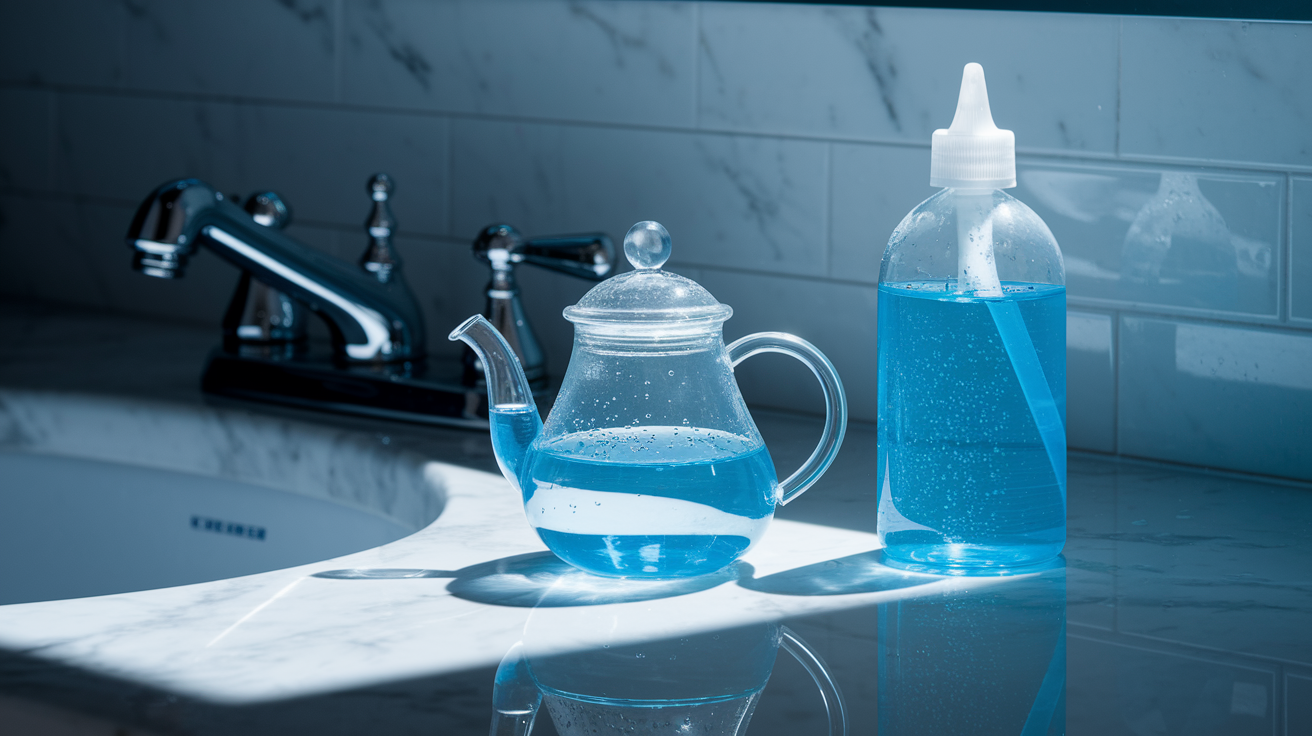
Nasal irrigation is one of the safest and most effective ways to clear mucus, allergens, and irritants from your sinuses. It works by gently flushing a saltwater solution through one nostril and out the other, which helps reduce inflammation and improves drainage. You can repeat saline rinses as often as needed without the rebound effect you get from decongestant sprays.
How to Perform a Safe Saline Rinse
Always use sterile, distilled, or previously boiled then cooled water for nasal irrigation. Tap water can contain bacteria or amoebas that are safe to drink but dangerous if they enter your nasal passages. A standard rinse uses about 240 mL (8 fl oz) of water mixed with a pre-measured saline packet (usually 4 to 4.5 grams of salt). Lean over a sink, tilt your head to one side, and pour or squeeze the solution into the upper nostril. Let it flow out the lower nostril, then switch sides. Perform one rinse per nostril once or twice daily for acute symptoms. You’ll feel immediate relief as mucus loosens and pressure drops.
Neti Pot vs Squeeze Bottle
Neti pots are ceramic or plastic vessels that rely on gravity to move saline through your nose. They’re gentle and easy to control but require a steady hand and good neck positioning. Squeeze bottles use manual pressure to push saline through, which some people find faster and more thorough. Both cost between $8 and $25 and work equally well when used correctly. Choose based on comfort. Neti pots feel more natural if you’re new to irrigation, while squeeze bottles offer more control if you want a stronger flush. Either way, clean your device after every use and replace it every few months.
| Device | Pros | Best Use Case |
|---|---|---|
| Neti Pot | Gentle, gravity-driven flow; easy to control volume | First-time users; people who prefer slower, calmer rinses |
| Squeeze Bottle | Faster flush; more pressure for stubborn mucus | Experienced users; thick or dried mucus; frequent daily use |
| Pre-Filled Saline Spray | Convenient, no mixing; travel-friendly | Quick relief on the go; mild symptoms |
Over-the-Counter Options That Reduce Sinus Pressure

Over-the-counter medications can quickly reduce sinus pressure by shrinking swollen nasal tissues, thinning mucus, or blocking pain signals. The key is choosing the right product for your symptoms and using it safely. Oral decongestants like pseudoephedrine (Sudafed) or phenylephrine work by narrowing blood vessels in your nasal passages, which reduces swelling and opens airways. Typical dosing for pseudoephedrine is 30 to 60 mg every four to six hours, with a maximum of 240 mg per day. Phenylephrine is usually taken as 10 mg every four hours, up to 60 mg daily. These can raise blood pressure or heart rate, so avoid them if you have uncontrolled hypertension, heart disease, or take certain medications.
Topical nasal decongestant sprays like oxymetazoline deliver relief within minutes and work well for severe congestion. But limit use to 48 to 72 hours. If you use them longer, you risk rebound congestion, where your nasal passages swell even more when the medication wears off. For pain relief, nonsteroidal anti-inflammatory drugs (NSAIDs) like ibuprofen usually work better than acetaminophen because they reduce the swelling that causes sinus pressure. Take 200 to 400 mg of ibuprofen every four to six hours as needed, staying under 1,200 mg per day unless a clinician advises otherwise.
Here are four OTC options to consider:
• Oral decongestants (pseudoephedrine, phenylephrine) – Best for nasal congestion and pressure. Avoid if you have high blood pressure or heart issues.
• Topical nasal decongestant sprays (oxymetazoline) – Fast relief for severe stuffiness. Don’t use for more than three days.
• NSAIDs (ibuprofen, naproxen) – Reduce inflammation and pain. Take with food to protect your stomach.
• Intranasal steroid sprays (fluticasone, triamcinolone) – Take one to two sprays per nostril daily for long term control. Expect noticeable improvement in one to two weeks and full benefit in two to four weeks.
Pressure Point Massage and Gentle Techniques for Sinus Relief

Sinus massage uses steady, gentle pressure on specific points around your face and head to increase blood flow and encourage mucus drainage. There’s limited published evidence that it works, but it’s safe, costs nothing, and many people find it soothing. The technique is simple. Press and hold each point for 30 to 60 seconds, then move to the next. You can repeat the sequence every two to four hours as needed.
Here’s how to perform a basic sinus massage:
-
Between your eyebrows (glabella) – Place your index fingers just above the bridge of your nose and press firmly for 30 to 60 seconds. This targets the frontal sinuses.
-
Beside your nostrils (nasal crease) – Use your thumbs or fingertips to press into the creases on either side of your nose, right where your nostrils meet your cheeks. Hold for 30 to 60 seconds to help open nasal passages.
-
Under your cheekbones (infraorbital area) – Press your fingertips into the soft area just below the center of each eye, along the top of your cheekbones. This can relieve maxillary sinus pressure.
-
At the base of your skull (occipital area) – Place your thumbs on either side of your spine, just below the back of your skull, and press upward gently for 30 to 60 seconds. This may ease tension related sinus pain.
When Sinus Pressure Requires Medical Care

Most sinus pressure clears up on its own or with home remedies within a week. But sometimes symptoms signal a more serious infection, structural problem, or condition that needs professional evaluation. If your symptoms last more than 7 to 10 days without improvement, or if they start to get worse after a few days of feeling better, it’s time to see a clinician.
Certain warning signs mean you should seek care sooner rather than later. High fever, severe facial pain on one side, or any changes to your vision or mental clarity are red flags that shouldn’t be ignored. A clinician can perform a nasal endoscopy (looking inside your nose with a small scope) to check for pus or blockages, and may order a CT scan to see whether your sinuses are filled with fluid or clear. That information helps decide whether you need antibiotics, allergy treatment, or referral to an ear, nose, and throat specialist.
Here are six signs that mean it’s time to call or visit a healthcare provider:
• Symptoms lasting more than 10 days without any improvement
• Fever above 101.3°F (38.5°C) that doesn’t respond to over-the-counter fever reducers
• Severe or worsening facial pain on one side, especially if it’s sharp or throbbing
• Vision changes such as blurriness, double vision, or eye swelling
• Neck stiffness or confusion, which can indicate a more serious infection
• Recurrent sinus infections (three or more per year) or symptoms lasting 12 weeks or longer, which may point to chronic sinusitis or structural issues
Long Term Prevention and Management of Sinus Pressure

Preventing sinus pressure is easier than treating it once it starts. If you deal with recurring symptoms, focus on strategies that reduce inflammation, control triggers, and keep your nasal passages clear every day. Allergy testing can identify specific pollen, dust, mold, or pet dander that sets off your symptoms. Once you know your triggers, you can avoid them or manage exposure. Allergy immunotherapy (shots or tablets) is an option if avoidance and medication aren’t enough.
Daily habits make a big difference. Use a saline rinse once or twice a day even when you feel fine, especially during allergy season or cold and flu months. If you’re prone to sinus pressure, consider using an intranasal steroid spray year round. These sprays reduce baseline inflammation and can prevent flare ups. Typical dosing is one to two sprays per nostril once daily, and it takes about one to two weeks to notice a difference, with full benefit appearing after two to four weeks. Keep indoor humidity between 40 and 60 percent with a humidifier to prevent your nasal membranes from drying out. Quit smoking and avoid secondhand smoke, which irritates your sinuses and slows healing. Annual flu and COVID-19 vaccinations help reduce your risk of respiratory infections that can lead to sinus complications.
Here are five prevention strategies that work over weeks and months:
• Allergy testing and trigger avoidance – Identify what sets off your symptoms and take steps to limit exposure, such as using allergen proof bedding or keeping windows closed during high pollen days.
• Daily saline irrigation – Rinse your sinuses once or twice a day to wash out allergens and mucus before they cause inflammation.
• Intranasal steroid sprays – Use fluticasone or triamcinolone daily for long term control. Expect gradual improvement over two to four weeks.
• Maintain home humidity at 40–60% – Run a humidifier in dry months and clean it regularly to prevent mold growth.
• Smoking cessation and annual vaccines – Stop smoking to improve nasal function and get yearly flu shots to reduce your risk of infections that trigger sinus pressure.
Final Words
Start with the fastest relief: warm compresses, steam, saline rinse, short decongestant use for a day or two, and OTC pain meds if needed. These act on mucus and swelling right away.
Follow with supportive care — hydration, humidifier, herbal teas, and gentle sinus massage. Track when it started, what helps, and how bad it feels.
If you want a quick plan, the best way to relieve sinus pressure is to try a saline rinse or steam first, then a warm compress and an analgesic. If it doesn’t improve in a few days, see a clinician. You’ve got options.
FAQ
Q: How do you relieve sinus pressure fast and what drink helps open sinuses?
A: To relieve sinus pressure fast, use a warm compress, inhale steam, do a saline rinse, and take an OTC pain reliever if needed. A hot ginger or peppermint tea with steam also helps open sinuses.
Q: What pressure points drain sinuses and how do you manually drain your sinuses?
A: Pressure points that can drain sinuses include the glabella, nasal crease, infraorbital areas, and base of skull. Apply steady pressure 30–60 seconds, massage toward the nose, repeat every 2–4 hours, and use steam or saline rinses to aid drainage.